Dookie Ducay Pawned His Laptop to Make Rent, Now His Photos Are on Billboards
The acclaimed photographer looks back on starting from zero, the years without gigs, and the promise he made himself when he was still a struggling artist.
By Nina Cortez


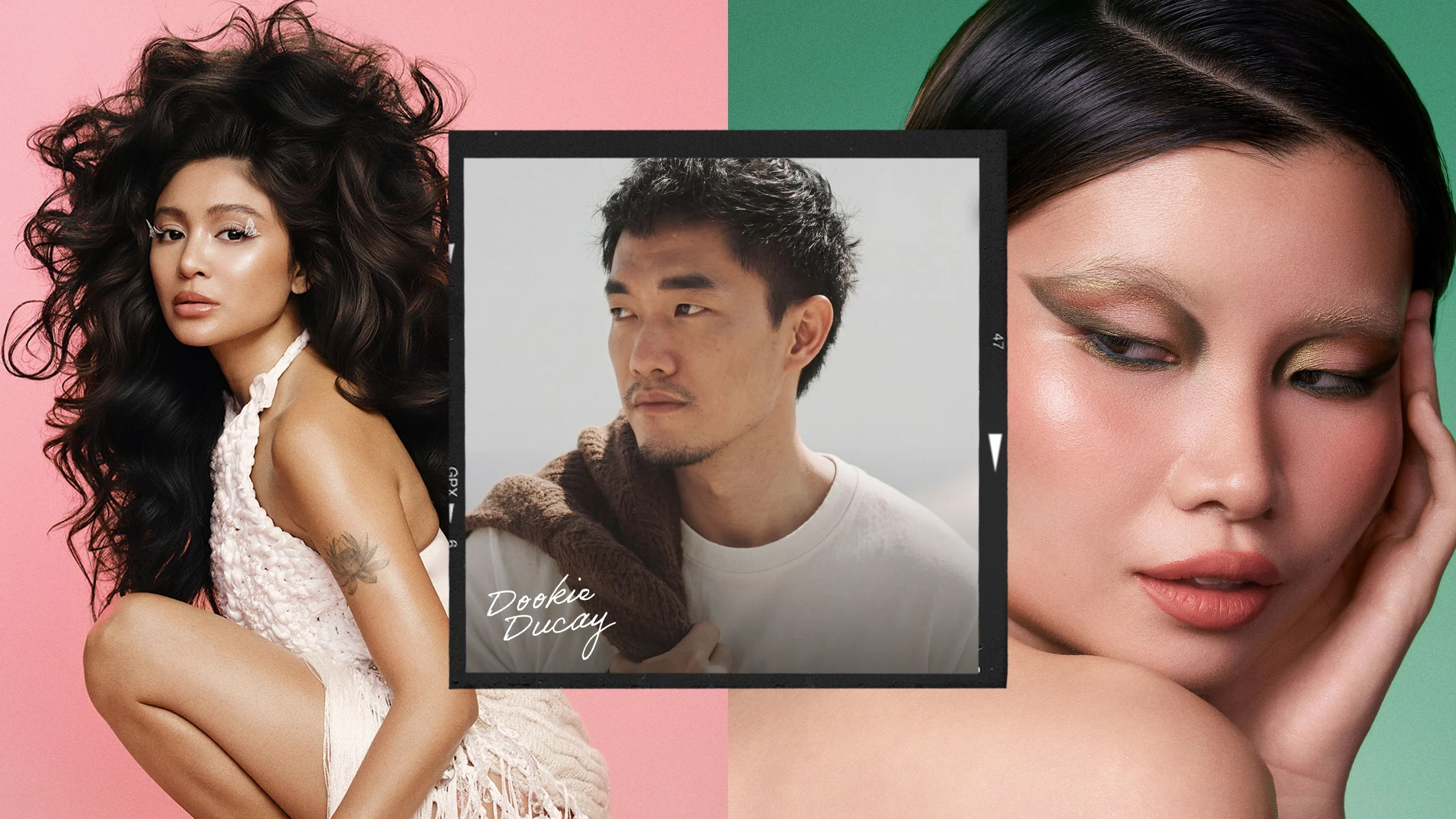
Dookie Ducay was never going to survive a 9-5 desk job. That much he knew early.
The photographer picked up his first camera in 2010—a DSLR camera from his father, given not long before his passing. At this time, professional photography had yet to be in the cards, but after countless workshops, mentorship under Rxandy Capinpin, and enrolling into the Fashion Institute of the Philippines, what started as a hobby soon matured into his own lifeline.
What he didn’t know, however, was how many years of struggle stood between that first camera and a flourishing career in fashion photography—including his own studio, and his work plastered on billboards across EDSA.
There were bills that left him at zero: electricity, rent, weeks without a single gig, the question of what he’d eat that week. At one point, he pawned off his laptop just to afford moving out of an apartment he could no longer keep up with. “I was a starving artist,” he says of those early years. “I crawled my way up the ladder, and that’s why I’m here now.”
More than a decade later, the celebrated photographer Dookie Ducay is firmly on the other side of those years. The struggle now sits behind him, replaced by a career spanning fashion, beauty, and commercial photography. In this Allure Philippines exclusive, he walks back through that road—the lean years, the moment where he knew he “made it”, and the advice he now has for creatives just starting out.
How did you start as a photographer?
So I started in 2010. I didn’t finish college because of financial difficulties, and then my father died, which actually, he bought my first DSLR, and that’s where I started. And since then, I actually fell in love with photography.
I enrolled in different kinds of workshops, and then I enrolled in the Fashion Institute of the Philippines. So my mentor is Rxandy Capinpin, and so that’s how I started as a fashion photographer.
What made you decide to continue pursuing photography?
I pursued photography because it started as a hobby, and then it became a passion of mine. Because of the struggle of not wanting to work in a 9-to-5 job—and then I felt like there’s money in photography—so even though I was actually struggling, I pursued photography because I really can’t see myself working in a 9-to-5 job. And then it was a struggle for the first few years. I was a starving artist. I crawled myself up to the ladder in the industry, and that’s why I’m here now.
So what was your first gig?
I think my first big gig was at the height of Jake Zyrus. So I shot him; it was his first endorsement shoot under Aficionado. So it’s also my first billboard in EDSA.
What was the most difficult moment you encountered in your journey?
Money. That’s the most difficult part of the journey because, again, I was a struggling artist. It was hard because I had to pay the rent, I had to pay the electricity, and also I had to support my family. So it was really a struggle. That’s why I really cherish everything that I have right now. And I appreciate all the people that helped me throughout the journey.
Was there a time when you really didn’t have gigs?
Yes. May mga times na walang gigs talaga becasuse—as a starting photographer—you’re still building up the portfolio, you’re still building up everything. So na-experience ko talaga being a struggling artist from zero. Wala kang makain; wala kang pambayad ng rent.
May point nga na kailangan ko i-sangla ‘yung laptop ko kasi papaalisin na ako doon sa apartment ko. So I had to do that to that point. And then that actually made me [realize] I have to work harder.
And then I said to myself, no, I can’t be like this every day or every month. So that made me really do the hard work in photography and aralin lahat. Wala pang AI noon, so you have to study Photoshop; you have to connect with people. And you have to collaborate with everyone.
So when was the moment you knew you finally made it?
I felt that I finally made it when I felt that I was inside the circle already—of the fashion people, of the fashion industry. And when I started doing commercial shoots, artists request for me for their shoots. I was already stable financially. And the promise that I kept to myself before na hindi na ako magiging zero, I fulfilled that promise.
So who are your favorite people to work with and why?
My favorite people are actually the same people that I’ve worked with since I started. And I’m really proud of them as well because I see them everywhere—and these are the makeup artists, the hairstylistHairstylistA beauty professional who specializes in cutting, coloring, styling, and caring for hair, combining technical expertise and creativity to enhance individual style, confidence, and self-expression.Go to Hairstylist Glossary, the stylist that helped me build my portfolio. And I’ve been friends with them ever since.
What do you love about being a photographer?
What I love about being a photographer is that I can express myself in photography, in fashion, in art. And also meeting new people. And… money!
What’s the most important thing that an aspiring photographer should remember?
As I was starting, I had to climb myself up to the industry. And then, actually, it’s never easy starting, so you really have to study your craft; you really have to hone your craft. And you have to really be nice to everyone because attitude is everything in this industry.
If you could give any tip to any creative beginning in the industry, what would it be?
Attitude is everything. So just be nice to everyone. Because it can come back to you, and it’s not hard to be nice anyway.
Frequently Asked Questions
Dookie Ducay began photography in 2010 with a DSLR his father gave him shortly before passing away. He trained under mentor Rxandy Capinpin and studied at the Fashion Institute of the Philippines, turning what started as a hobby into a full-time career.
Ducay’s first big break was shooting artist Jake Zyrus for his debut endorsement campaign with Aficionado, at the height of Zyrus’s career. The shoot also became Ducay’s first billboard placement on EDSA, marking an early turning point in his career.
Yes. Ducay describes years as a “starving artist,” struggling to cover rent, electricity, and support for his family. At one point he pawned his laptop just to afford moving out of an apartment he could no longer keep up with.
Ducay felt he had made it once he was accepted into fashion-industry circles, began booking commercial shoots, and reached financial stability. He considers this the moment he fulfilled a promise to himself to never return to having nothing.
Ducay advises aspiring photographers to continually study and hone their craft while treating everyone with kindness, since attitude carries real weight in the industry. He notes that the relationships built along the way can circle back to help a career later.
Nina Cortez
Nina Cortez is a Digital Content Writer at Allure Philippines. With a background in editorial writing and cultural commentary, she specializes in digital culture and online communities, exploring how they influence beauty trends and consumer behavior. Her academic research on the credibility of beauty reviews on social media further informs her understanding of how products and trends are discussed, discovered, and consumed online. At Allure Philippines, she covers beauty and culture through a digital-first lens, examining the trends and conversations shaping the industry.
Latest Stories


You might also like
To provide a customized ad experience, we need to know if you are of legal age in your region.
By making a selection, you agree to our Terms & Conditions.