Styling Curls for Valentine’s Day? Filipino Hairstylists Share Expert Tips
Whether you’re embracing your natural texture or creating bouncy curls from scratch, here’s your guide to styling and caring for them this Valentine’s.


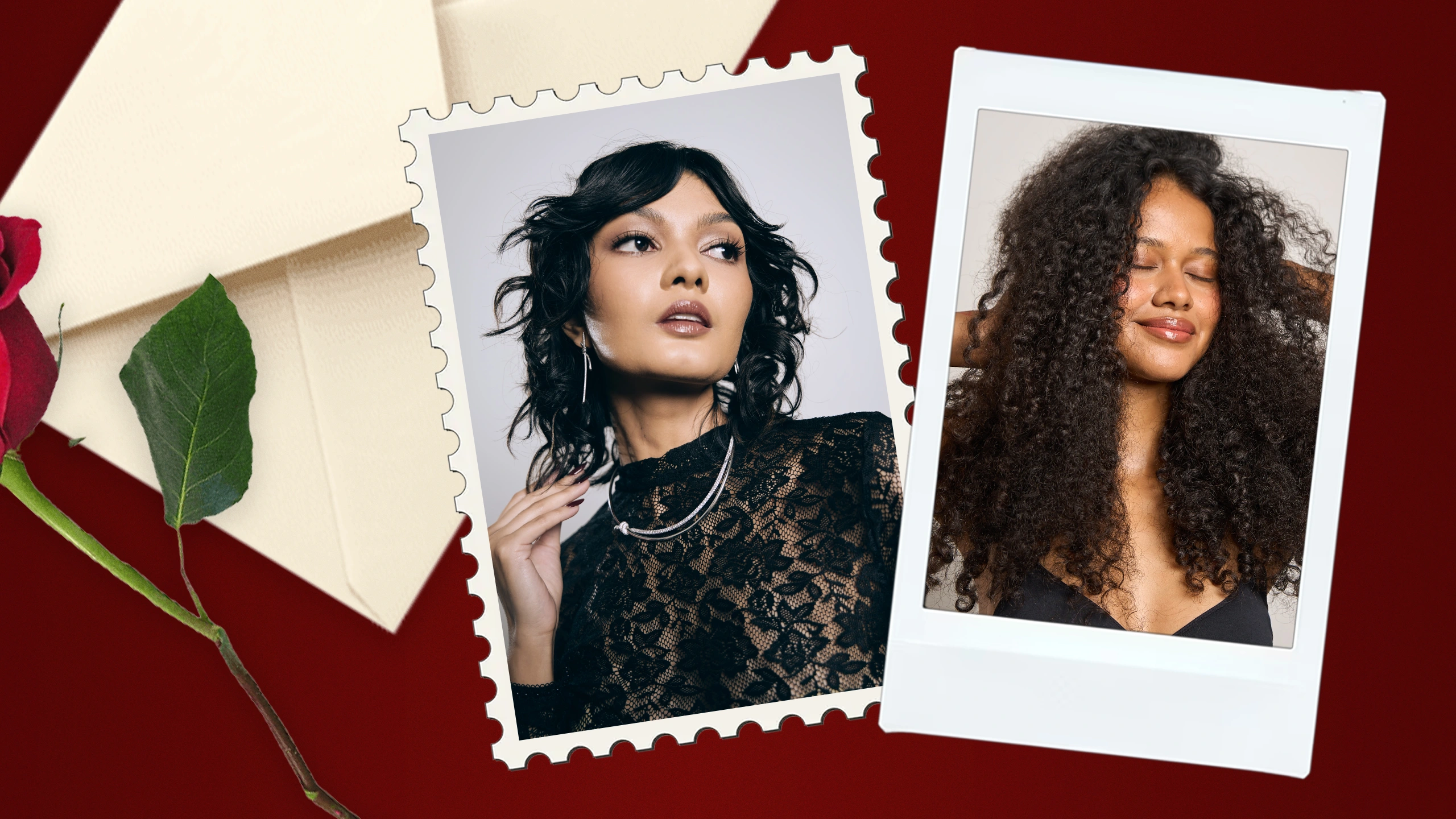
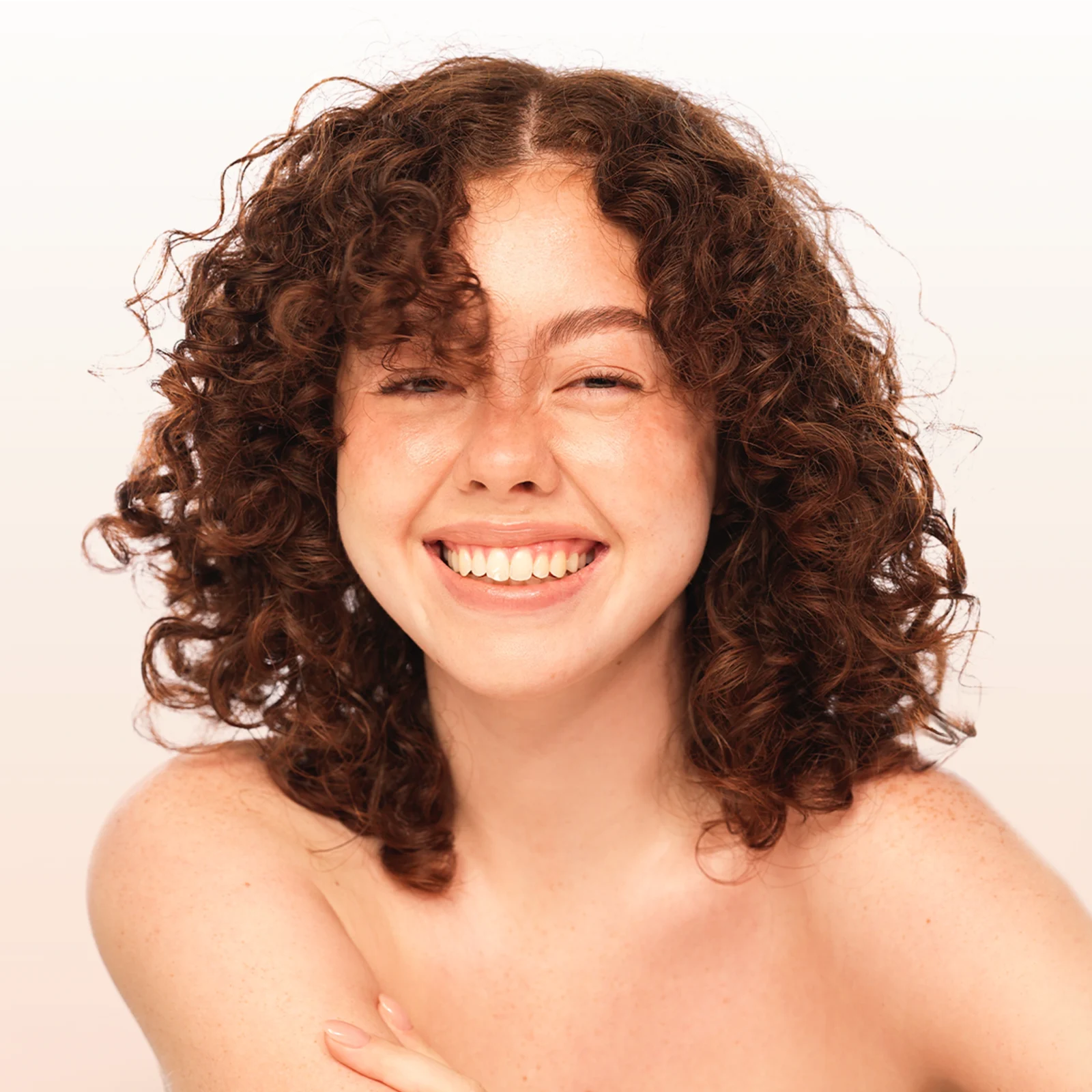
There’s something undeniably romantic about curls. Maybe it’s the softness, the movement, or the way they frame the face with effortless charm. Whatever the reason, curls have long been a Valentine’s Day favorite–the kind of hairstyle that instantly feels dressed up without trying too hard.
They’re playful but polished, classic but expressive. And whether you’re heading out for a candlelit dinner with your partner, celebrating with your girl friends, or simply leaning into the season’s love-filled energy, curls have a way of making everything feel a little more special.
But achieving beautiful curls, whether natural or heat-styled, can be tricky. Most of the time, it has to involve understanding your hair, respecting its texture, and knowing how to care for it properly. From identifying your curl pattern to mastering heat tools and maintaining scalp health, great curls are equal parts styling and care.
To help you get your best Valentine’s hair yet, we spoke to Filipino celebrity hairstylists Cats Del Rosario and JA Feliciano, who shared their expert insights on working with natural texture, creating long-lasting curls, and building the healthy foundation that makes any hairstyle shine.
Understanding your natural texture is the real starting point.
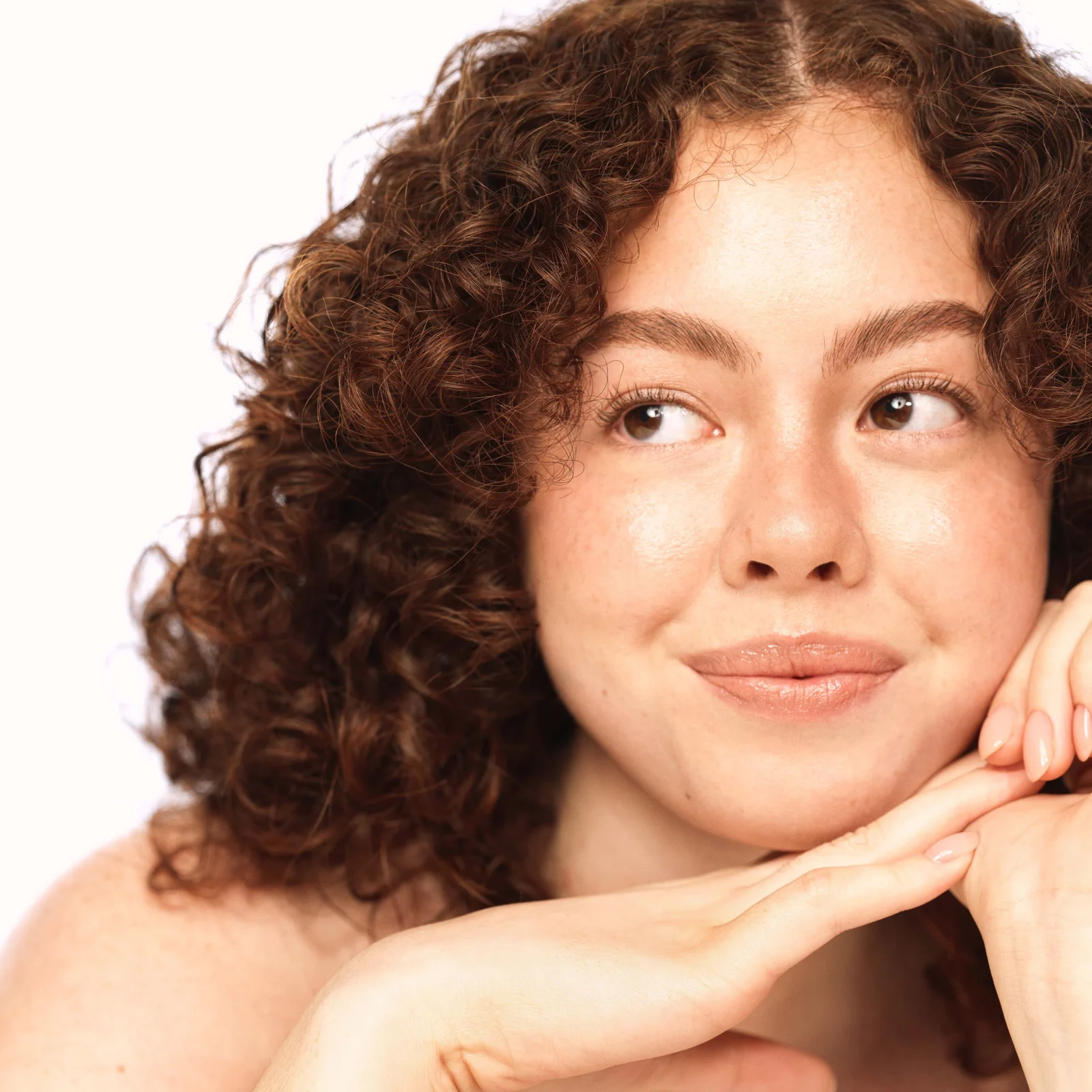
Before you even think about styling, it helps to understand what your hair naturally wants to do. Many people assume their hair is straight, frizzy, or simply “unmanageable,” when in reality, there may be a natural curl or wave pattern waiting to be recognized (and treated correctly).
For Feliciano, the key to identifying true curl texture starts at the root. “To know if hair is really curly or just frizzy, what I do is usually look at the roots,” he says. “If there’s like a pattern, like a C or like an S, or sometimes it depends on the curl type: you’ll know if it’s really curly if there’s patterns from the roots.”
This root pattern reveals not just curl type, but also how your hair should be styled, moisturized, and maintained. In the Philippines, Feliciano says many people actually fall somewhere between wavy and curly, even if they don’t realize it. “The common curl patterns that I usually encounter are curly, like really curly, and then there’s also wavy, which is very common for us Filipinos,” he explains.
Despite how common textured hair is, properly caring for it can still feel unfamiliar territory for many. Feliciano notes that education and access still play a role. “For us Filipinos, it’s still hard for people to take care of their hair, because there aren’t enough knowledge or products in the market yet.”
His advice is simple but essential: learn your hair. “One tip that I can share for the Filipinos to take care of their natural hair is they should really try to research more on how to take care of their natural hair.”
Caring for natural curls isn’t as complicated as it seems.
Textured hair routines are often portrayed as complicated, product-heavy, or high-maintenance, but Feliciano says this perception is one of the biggest myths surrounding natural curls.
“One of the biggest misconceptions about taking care of, like, natural hair care is that they think it’s [really hard], but actually, it’s not,” he quickly debunks the myth. “It’s also somehow the same as [straight hair]–[with the use of] shampoo, conditioner only, and then just leave in conditioner, and then that’s it.”
If you want your curls to look defined, bouncy, and visible, technique and routine still matter. “If you really want your curls to pop out, you have to follow a curly hair method,” he explains.
Even something as simple as brushing requires understanding timing and texture. Unlike straight hair, curly hair responds best to detangling when wet and conditioned, not when dry and vulnerable to frizz. “With curly hair, you can brush it, especially when you’re in the shower,” Feliciano, who has curly hair himself, advises. “I brush it section by section, when I wash it,” he says.
But if you prefer not to brush it at all? No problem. “[You can] just let it air dry. Or you can use a diffuser if you like,” he says.
Ultimately, working with curls, rather than against them, is what creates that soft, effortless Valentine’s look.
If you’re heat styling, technique makes all the difference.
For those starting with straight hair, heat styling remains a go-to for creating romantic curls. But according to Del Rosario, many people unintentionally sabotage their results with improper technique.
“No haters on this one, but when I see someone curl their hair, it’s normally just halfway done, like half is straight and then half is like super curly,” she says.
The most common mistake happens before the curl even forms. How you position the curling iron (and where you begin) determines whether your curls look balanced or uneven.
“When you use a curling iron, what you [have to] do is you do it downwards. So the curls actually start nearest the roots,” she explains.
Many people instinctively curl from the ends upward, but this can create inconsistent heat distribution and uneven texture. “Sometimes, you start from the bottom, but since the hair in the bottom is actually the driest, it’s the curliest. So you don’t get the even heat for all of the curls,” she adds.
For smoother, more uniform results, Del Rosario recommends starting closer to the root. “Start from at least nearest the roots. That’s the best way to do it.”
Heat styling with protection
Fear of heat damage is common, and rightly so. Heat styling can damage your hair, so you should use it with caution and protection.
“The heat shouldn’t go as high because you don’t want to damage the hair and you need a heat protectant,” Del Rosario notes.
On the other hand, if your hair already has natural movement or texture, you may not need much styling at all.
Beautiful curls begin with scalp care.
Regardless of whether your curls are natural or styled, both hairstylists agree that healthy hair starts long before styling begins: at the scalp.
“When you have a healthy scalp, it also means healthy hair,” Del Rosario says. “You need to take care of your scalp.”
The key is proper cleansing technique. Shampoo should focus on removing buildup where it actually accumulates (at the roots), while conditioner restores moisture where hair is most fragile. “You have to really shampoo the roots, and then the conditioner is really in the mid part and the ends,” Del Rosario says.
For those who frequently use styling products, deeper cleansing may be necessary to maintain balance. “If you use a lot of hair products, you can use a clarifying shampoo maybe once a week,” she adds.
And perhaps most importantly, understanding how to use what you buy matters just as much as the products themselves. “Using the right tools and using the right products [is important]. If you don’t know how to use it, please read the labels, watch videos,” Del Rosario advises. “It’s good to be knowledgeable about these things.”
Healthy hair, she explains, is visibly softer, cleaner, and more-responsive-to-styling hair . “If you have healthy hair and healthy scalp, your hair is bouncier, [and] cleaner.”
Let your curls set the mood this Valentine’s.
This season, the most beautiful curls won’t just be the ones that look good in photos. They’ll be the ones that come from healthy roots, thoughtful styling, and a little extra love—for both your hair and yourself. Because when your hair feels good, confidence follows. And confidence is the most attractive thing you can wear this Valentine’s.