The Secrets Behind Pageant Hair from Miss Universe Philippines Hairstylists
From prep to performance, Miss Universe Philippines hairstylists reveal what it really takes to get to crown-worthy hair.


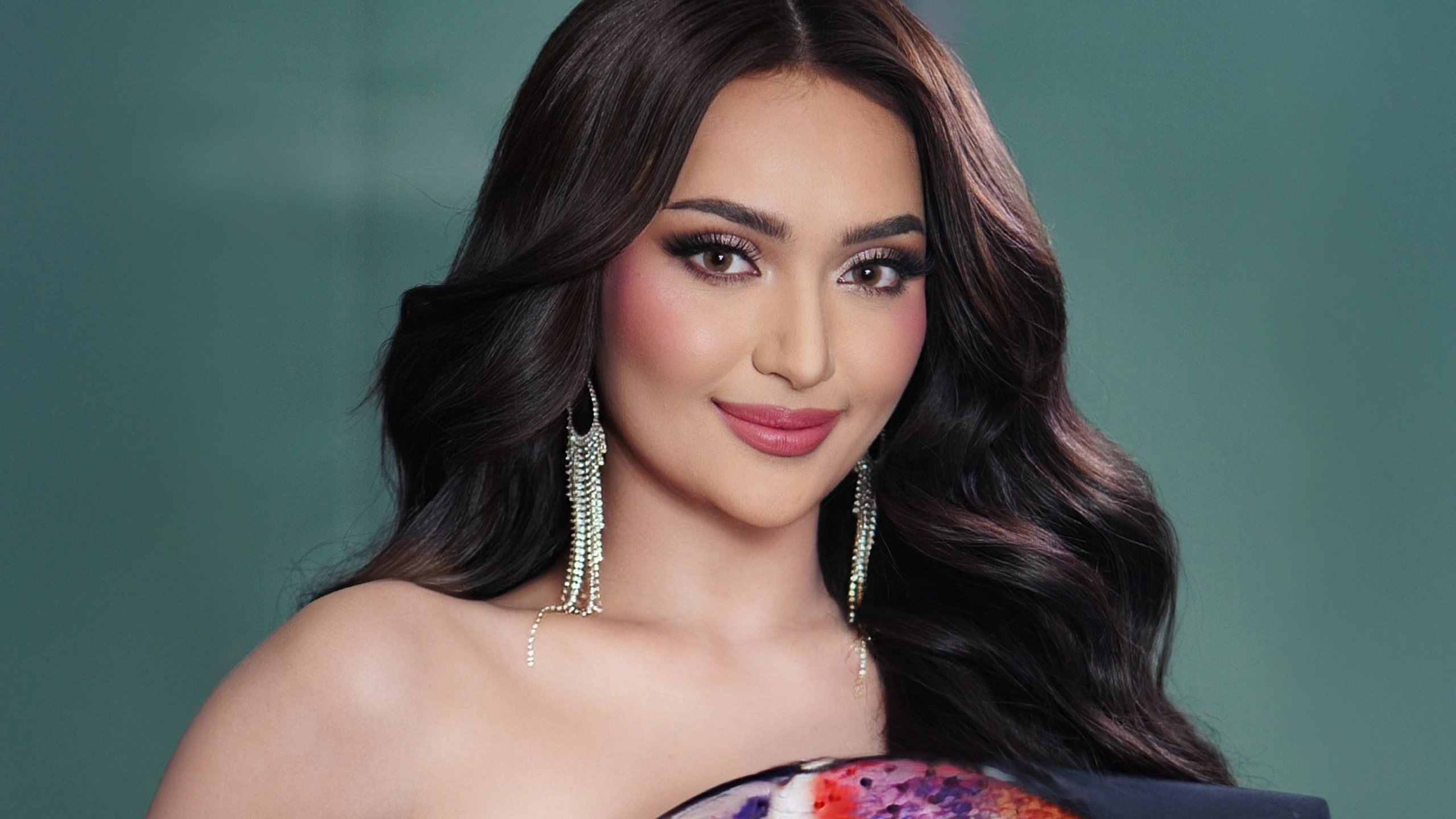
Remember that slow-mo hair flip from Catriona Gray in Miss Universe 2018? Or Pia Wurtzbach’s sleek low bun that crowned her perfectly in 2015? These iconic pageant moments weren’t just the result of confidence and choreography. Instead, they were backed by expert styling designed to create unforgettable presence.
Because when it comes to beauty queens, nothing completes the look quite like pageant hair: voluminous, glossy, sculpted to perfection, yet soft enough to flow with every graceful turn. But here’s the real secret: it’s not magic. Pageant hair is a precise mix of prep, product, and personal styling, crafted by the Philippines’most trusted professionals.
In this exclusive behind-the-scenes look, we sat down with Renz Pangilinan, hairstylist of the newly crowned Miss Universe Philippines Ahtisa Manalo, and Jim Ros of Culture Salon, a backstage mainstay for the pageantry world. Together, they share the formula for hair that moves with every twirl and makes space for every crown.
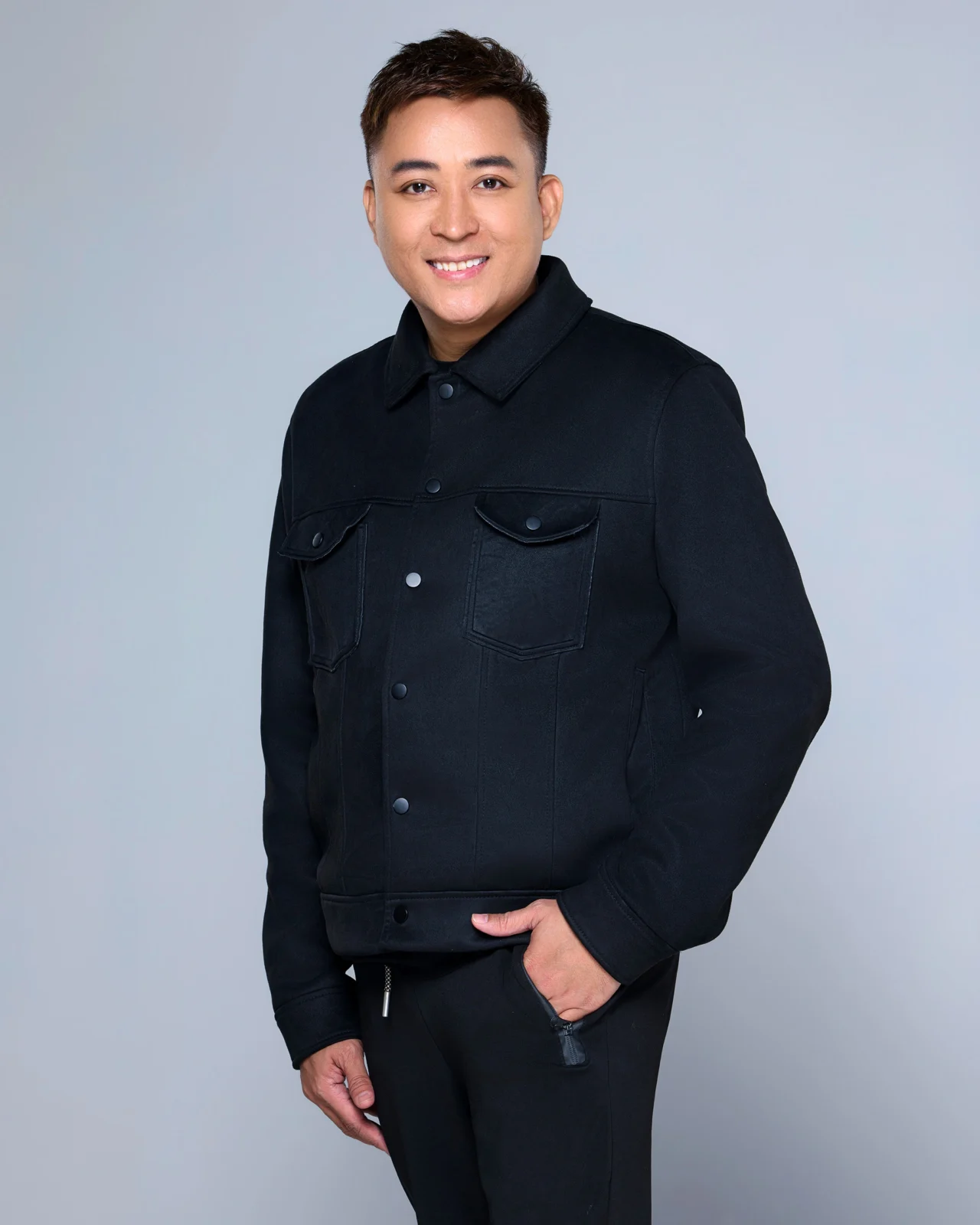
Jim Ros, Hairstylist. Photo courtesy of subject.
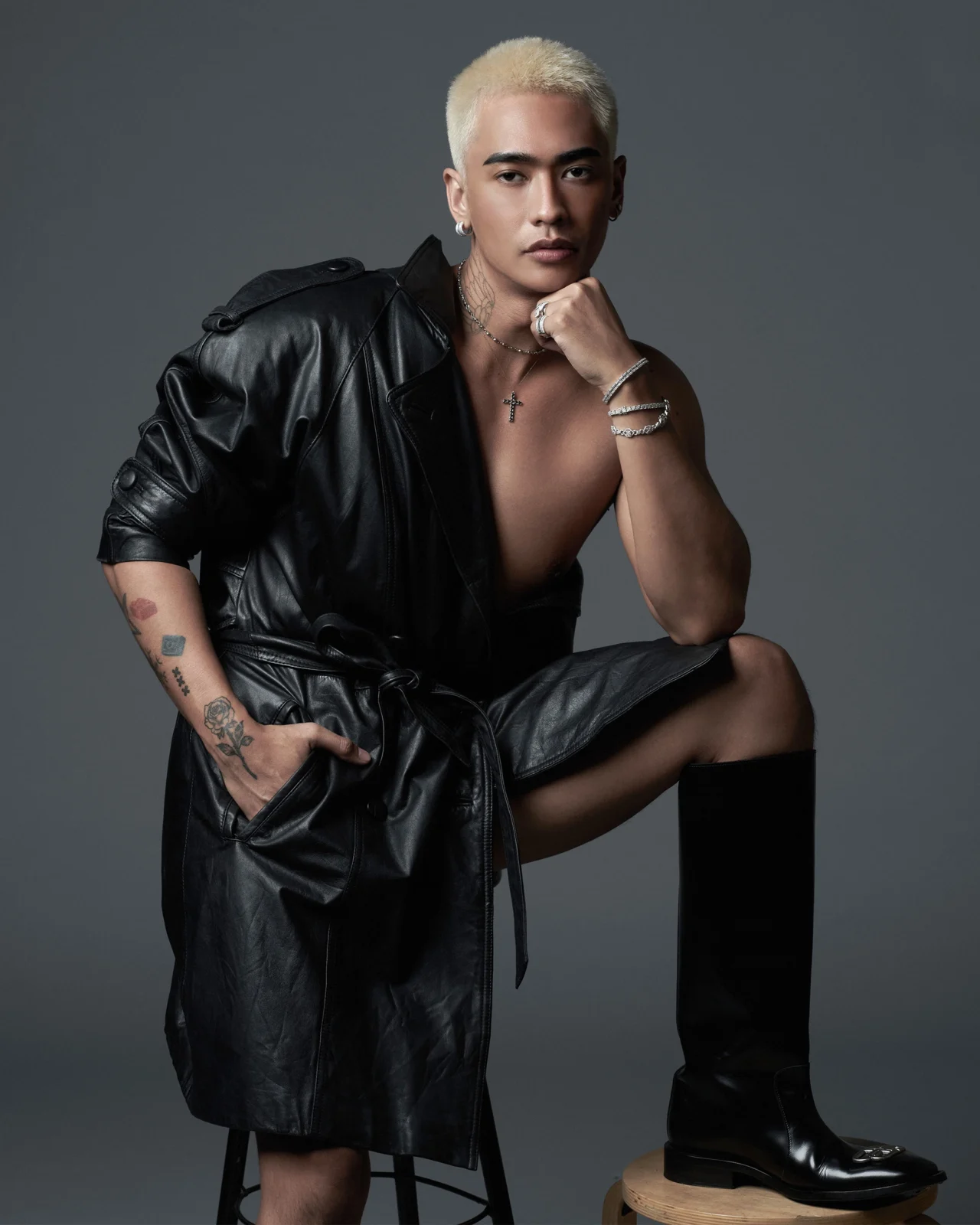
Renz Pangilinan, Hairstylist. Photo courtesy of subject.
1. Like always, hair prep first
Every queen-worthy look starts long before the first curl. The foundation of great pageant hair is preparation. “One of my main techniques is to prep the hair,” Pangilinan says. “[For this], we need [a] volumizing spray,” he adds. His go-to? Verb Volume Spray, a lightweight product that boosts the hair’s volume without making it too stiff.
For Ros, prepping the hair means reading the hair first. “For any hairstyle, the prep is really important and we’re talking about using the right product based on the condition of the hair,” he explains. “You have to check the texture of the hair—if you have the right thickness or if it’s thin or fine,” he says. And then after which, that’s the time that you use the appropriate products. For example, if you need to do oil control, you can use a dry shampoo for that.
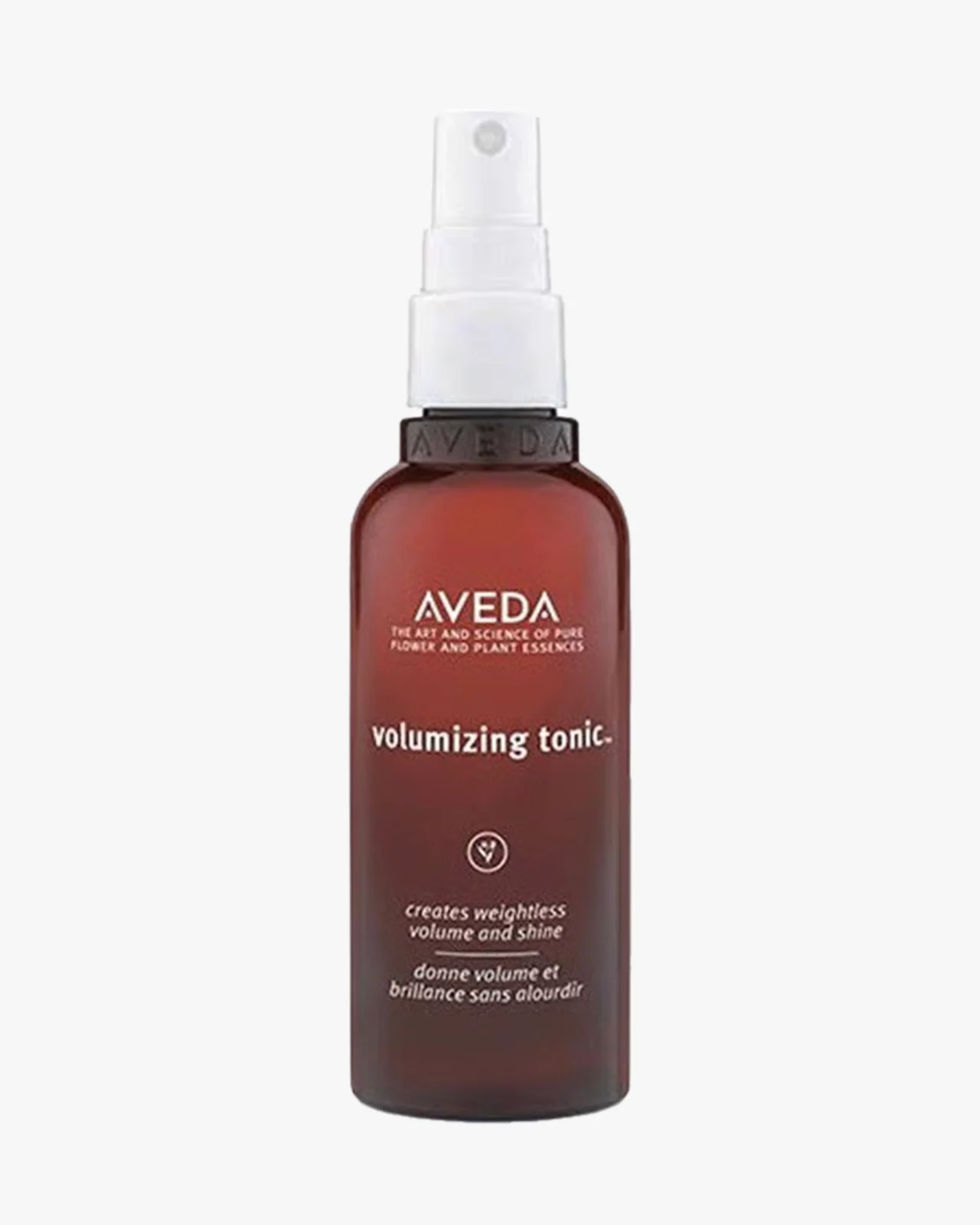
Ros loves using Tresemmé Dry Shampoos. “They do wonders especially if the scalp is very oily,” he explains. An alternative is the Aveda Volumizing Tonic, another favorite of his. “It actually has magic—It feels like you’re multiplying the strands that you’re working on.”
2. Blow-dry and let fly
With the right products applied, it’s time to lock in volume and shape through heat styling.
“For any hairstyle, whether you like it curly or straight, or you have [your] hair down or in an updo, it’s always ideal to start with a blow-dry,” Ros explains.
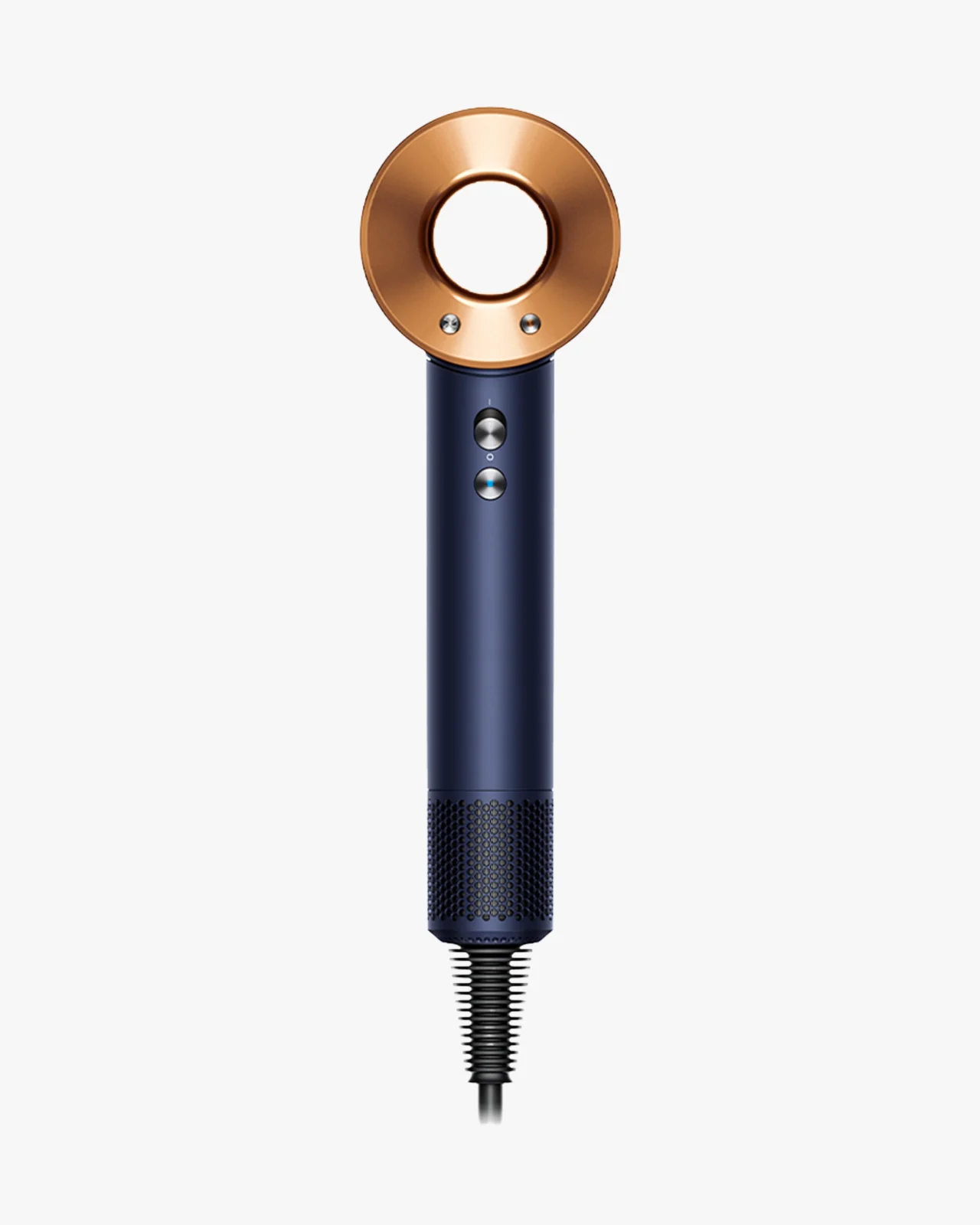
Pangilinan agrees: “We need to blow-dry the hair first,” Reliable tools for this, according to him, are the Dyson Supersonic Blow Dryer and the GHD Curling Iron. He also uses hair rollers, which is another technique “to keep the volume intact.”
A good blow-dry isn’t just about drying the hair. It’s also about controlling movement and direction. This means sectioning properly, lifting the roots, and using a round brush to create the right base for whatever comes next.
3. The underrated weapon? Hair extensions
This is how you get the iconic volume. In fact, Pangilinan’s number one tip is to “invest in really good hair extensions.”
Extensions are used not just for length but for fullness, which is especially important under strong stage lighting and HD cameras, where every detail is magnified.
Ros agrees: “Hair extensions [are] a big help, and nowadays, they’re a common tool for almost all beauty queens,” he says. For him, they can really save a hairstyle, especially if you’re aiming for voluminous, curly hair. In the worst-case scenario, if the natural hair is limp and refuses to hold volume no matter what you do, you can even turn to pre-curled synthetic hair extensions to get the look you need, he says.
3. Match the hair to the face
Beyond trends and tools, there’s one essential factor that stylists consider: face shape. “You have to consider the face shape, and as a hairstylist, I advise people to do test looks,” Pangilinan advises. “You can do several types of updos, or several types of hair down.”
According to Ros, knowing how to frame the face is like using hair as a contour tool. It shapes, balances, and enhances features.
Here’s his go-to guide for flattering styles:
Round face
“It’s typical for a round face to do a hair down,” Ros shares. Try long, straight hair with a middle part to draw the eye downward and elongate the face. It’s especially effective if the cheeks are full or prominent.
Square face
The aim for a square face is to soften the angles. For Ros, straight hair can still work, but adding soft waves helps a lot. He recommends soft waves or curls to balance strong jawlines. “Adding some curves here and there [helps],” he says.
Diamond or heart-shaped face
“If we’re doing an updo, I’d keep it loose–not too tight–and add some tendrils to soften the cheekbones,” Ros recommends for those with diamond or heart-shaped faces. “Diamond-shaped faces tend to have that sexy structure, just like heart-shaped ones, where the cheeks or chin can be quite prominent,” he explains. So for this soft and face-framing pieces do the trick. “A loose updo works beautifully for that.”
Oval face
Oval is the most versatile face shape, according to Ros. “[It’s] the ideal shape,” he says/ You can really play with different styles. Almost anything works: hair down, sleek ponytails, even clean updos. Those tight classy buns you see during pageants? They work well with oval face. “Try updo, like a very tight, classy bun, [or] low bun and top bun,” Ros explains.
4. Make it last
Pageant conditions are brutal on hair—hot lights, sweat, movement, and the literal weight of a crown. But with the right prep and products, the style stays solid.
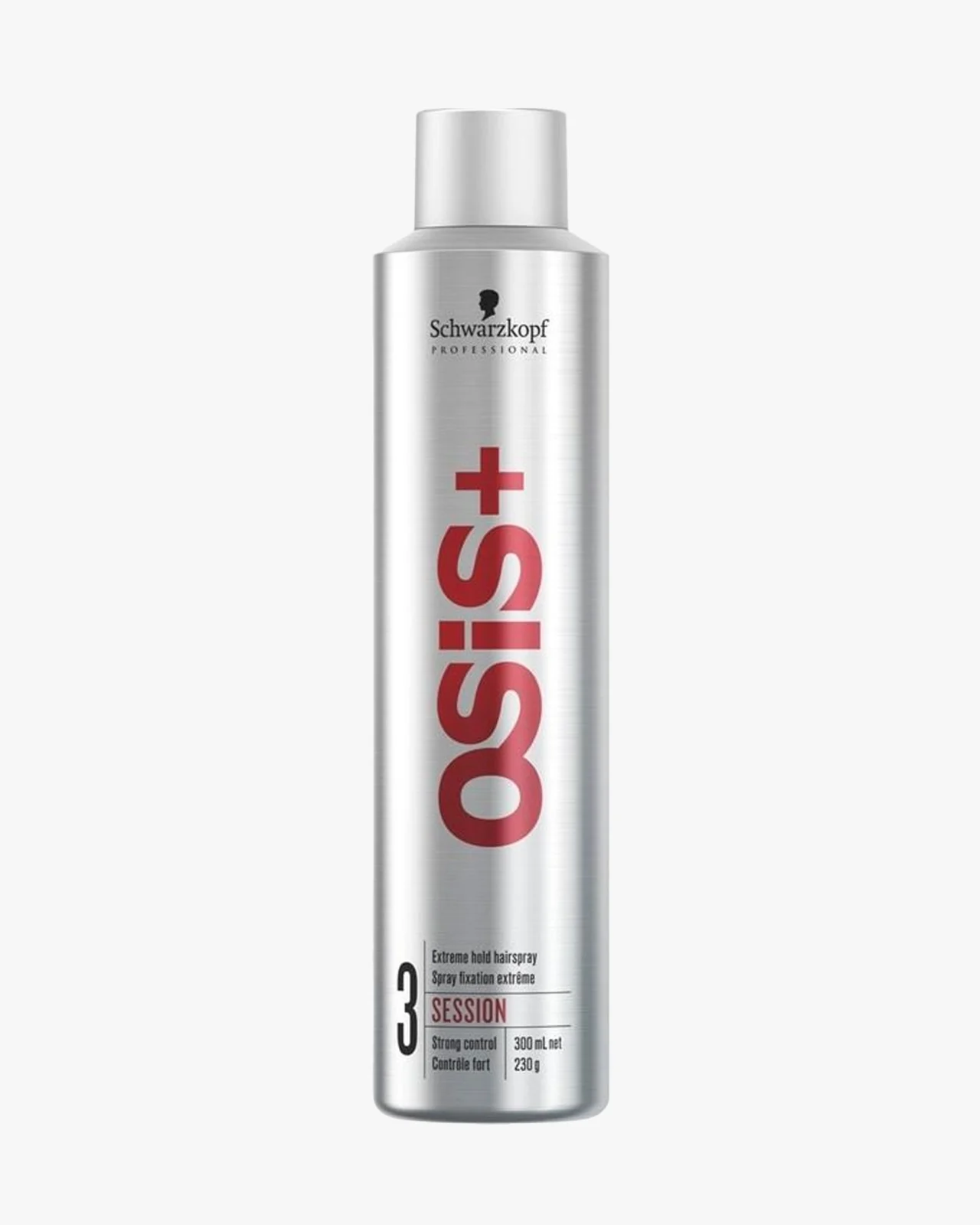
“Invest in really good products, like hairspray,” Pangilinan explains. For this, he recommends Schwarzkopf Osis+ Session Extreme Hold Hairspray. It’s on the pricier side, but it’s worth the investment. He cautions against using lower-quality hairsprays, because “it [might not] last on stage,” he says.
5. Consider the crown and the movements
Styling for pageants isn’t just about the hair—it’s about the whole look, including the crown. Pangilinan emphasizes the importance of ensuring the hairstyle complements the crown.
“I always consider the crown,” he says. “There needs to be something missing in the look [and] that is the crown.” He explains that the hairstyle and gown should match with the crown. For example, it can’t have something on the head because the crown won’t fit, he elaborates. “The goal is for her to win.”
Pangilinan also considers how the contestant moves. “We also practice it with the hair,” he notes. He mentions working with Manalo on how she moves with a swimsuit and manages her hair during turns.
More recently, Pangilinan has been shifting back to styles with bouncy, more playful curls. Instead of tight ringlets, he now prefers texture that feels alive, one that moves with the candidate.
Pageant hair is performance art
It turns out, pageant hair is far more than a glam afterthought. It’s structural, strategic, and tailored down to the follicle.
Before a new queen gets a crown, hair is what they have to work with—that’s why pageant hair should exude confidence built strand by strand, telling a story before the contestant even speaks.
So, the next time you watch a Miss Universe Philippines contestant strut across the stage, flipping her curls with confidence, remember: beneath that flawless finish is a combination of craft, chemistry, hair extensions, and a lot of hairspray.