The ‘Bebot’ Makeup Trend Is Taking The Internet by Storm
Distinctively Filipino, this TikTok makeup trend is being recreated not just by Filipino content creators, but by beauty lovers from different parts of the world.


In 2006, Filipino culture stepped into the global spotlight without toning itself down. When Black Eyed Peas released “Bebot,” a song written by Filipino-American artist apl.de.ap alongside will.i.am, the accompanying music video didn’t just feature the Philippines, it fully celebrated us: Filipino women, local streets, and unmistakably Pinoy culture filled the screen.
Undeniably, “Bebot” wasn’t seeking Western approval. It was proud, playful, and unapologetically Filipino.
Two decades later, that same energy has resurfaced, this time through TikTok, where the Bebot makeup trend has gone viral. While often grouped under the broader Y2K look umbrella, Bebot makeup is more specific, more regional, and more rooted in Filipino pop culture.
And as creators around the world recreate the look, we’re not just having fun or reminiscing, we’re also exuding major “Kung pinay ka, sigaw na, sige!” vibes.
What does “Bebot” really mean?
Before it became a viral beauty reference, the word “bebot” was already part of everyday Filipino slang. Popularized in the 1980s, the term loosely means “babe,” “hot chick,” or “pretty woman.” It’s affectionate but confident, often used to describe a pinay who knows she looks good, and isn’t afraid of it.
The word found renewed life in 2006 with “Bebot,” a song that reclaimed Filipino identity, and projected it outward. Today’s Bebot makeup trend echoes that same goal: Filipina beauty, centered and celebrated on its own terms.
From Filipino feeds to global FYPs
What started with Filipina creators recreating early-2000s looks quickly grew into a global phenomenon. On TikTok, the Bebot aesthetic has been embraced by creators across cultures, including Kimberly Kimpena, a Korean-Puerto Rican content creator; Filipino content creators Belle Pauleen, Nea (@jyn_ea on TikTok), Monique Libres, Eula Ariélle, Belle Rodolfo, Lash Omadto, Iya Omaña, Alysa Esponilla; Vietnamese creator Đan Thy; and American content creator Natalie Reynolds.
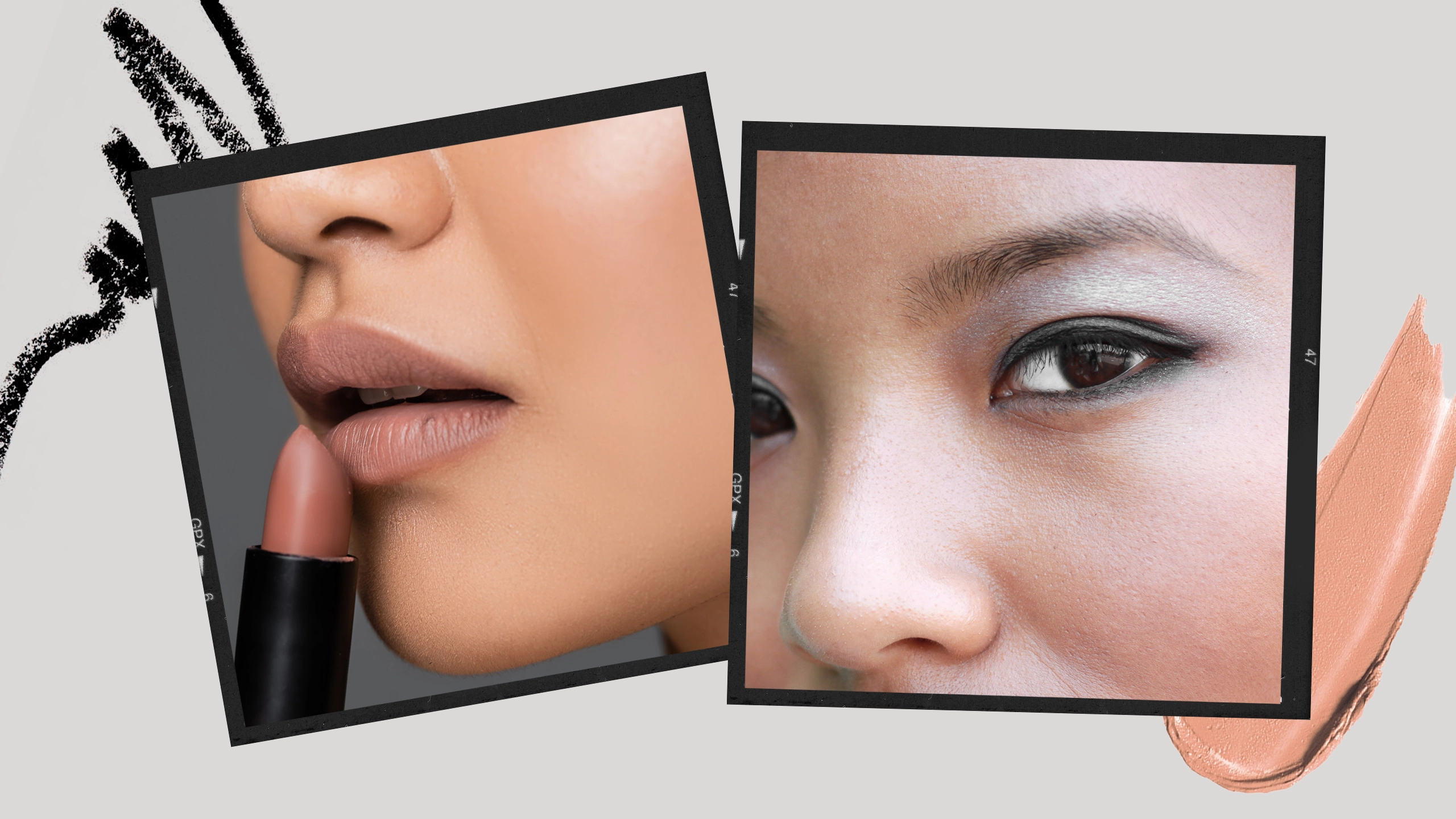
Each interpretation varies slightly, but essentially, Bebot makeup includes a matte, perfected base, silver or grey lids, pale lips, and styling choices that recall the Filipina pop culture of the early 2000s.
What makes Bebot makeup “historically accurate”?
While Bebot makeup draws from Y2K beauty, it differs in crucial ways. Unlike the ultra-glossy, candy-colored trends popular in Western pop culture at the time, Bebot beauty leaned cooler, paler, and more subdued, yet no less striking.
That matte, perfected base is central to the Bebot look. This is typically achieved with powder foundation and strategic concealing, rather than dewy finishes. Warmth comes subtly through bronzer and blush, never overpowering the face.
As previously reported by Allure Philippines in its Y2K beauty feature, celebrity makeup artist Mickey See, who worked with many stars of the early aughts, emphasizes that even during an era dominated by powder foundations, the goal was still refined skin. “No matter what the trend [is], your base needs to be natural,” he explains. “It needs to be skin-like, undetectable and seamless, like you’re not wearing foundation at all.”
The eyes are where Bebot makeup becomes unmistakable. Instead of icy blues, the look favors grey and silver eyeshadows, often swept across the lids with minimal blending. The effect is cool-toned, metallic, and slightly stark, an aesthetic frequently seen on Filipina actresses and pop stars of the time.
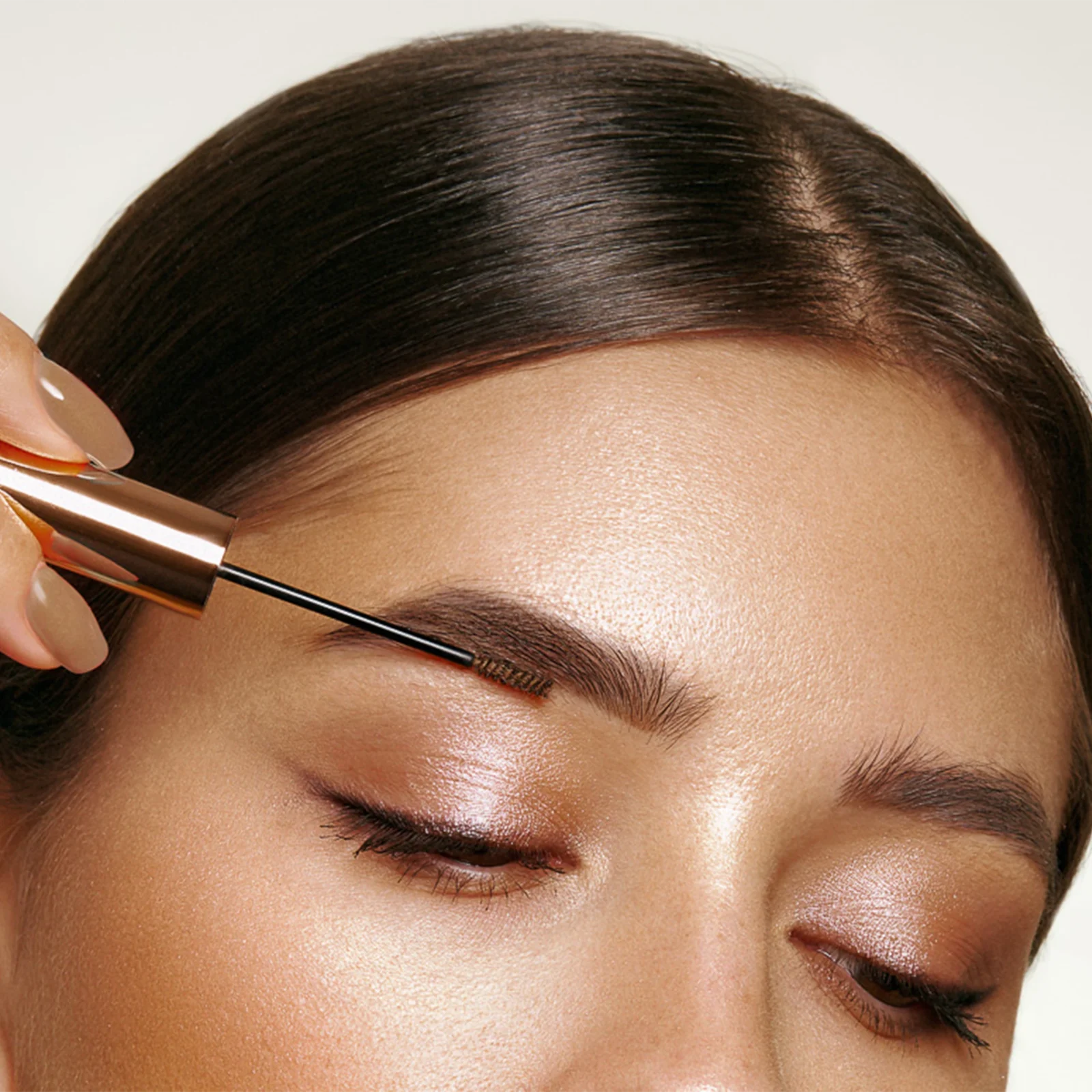
Brows, meanwhile, were thinner, but not erased entirely. While over-plucking was common, See urges moderation when recreating the look today. “Keep your natural brow shape. Add definition if you have to, but do not make it thinner than it needs to be,” he says.
The undereye area also plays a role in achieving that clean, bright finish. Among the era’s many beauty experiments, the undereye white cast (often the result of thick, uncorrected concealer) became an unintended hallmark of early-2000s makeup. “That’s what happens when you put concealer directly onto [dark circles],” See notes. “You need to use a peach-based corrector before you apply concealer to neutralize the shadows.”
Perhaps the most telling difference between Bebot makeup and mainstream Y2K beauty lies in the lips. Rather than ultra-glossy finishes, Bebot lips were noticeably pale, often nude or beige, sometimes verging on concealer-lip territory. The effect balanced the strong eyes and matte base.
To finish, hair styling seals the deal: teased hair at the crown, deep side parts or side-swept bangs, and the unmistakable accessory of the era–silver hoop earrings.
Why Bebot beauty matters now
The resurgence of Bebot makeup isn’t just about revisiting old trends. It’s about reclaiming a visual identity that shaped an entire generation of Filipinas. In a beauty landscape increasingly dominated by global aesthetics, Bebot stands out for how distinctly local it is.
Much like how “Bebot” by Black Eyed Peas helped elevate Filipino culture on the international stage in 2006, today’s Bebot makeup trend is doing the same. As content creators from around the world recreate the look, they’re participating in a piece of Filipino pop culture.
Bebot makeup is confident without explanation, nostalgic without apology, and proudly Filipino. And as it continues to travel across timelines and borders, it proves that our beauty stories have always been worth sharing, with the world finally paying attention.