How Bridgerton’s Hair and Makeup Evolved Across the Seasons
A look at the artistry behind Daphne, Penelope, Sophie, Kate, and the ton’s beauty, and how it mirrors character evolution.


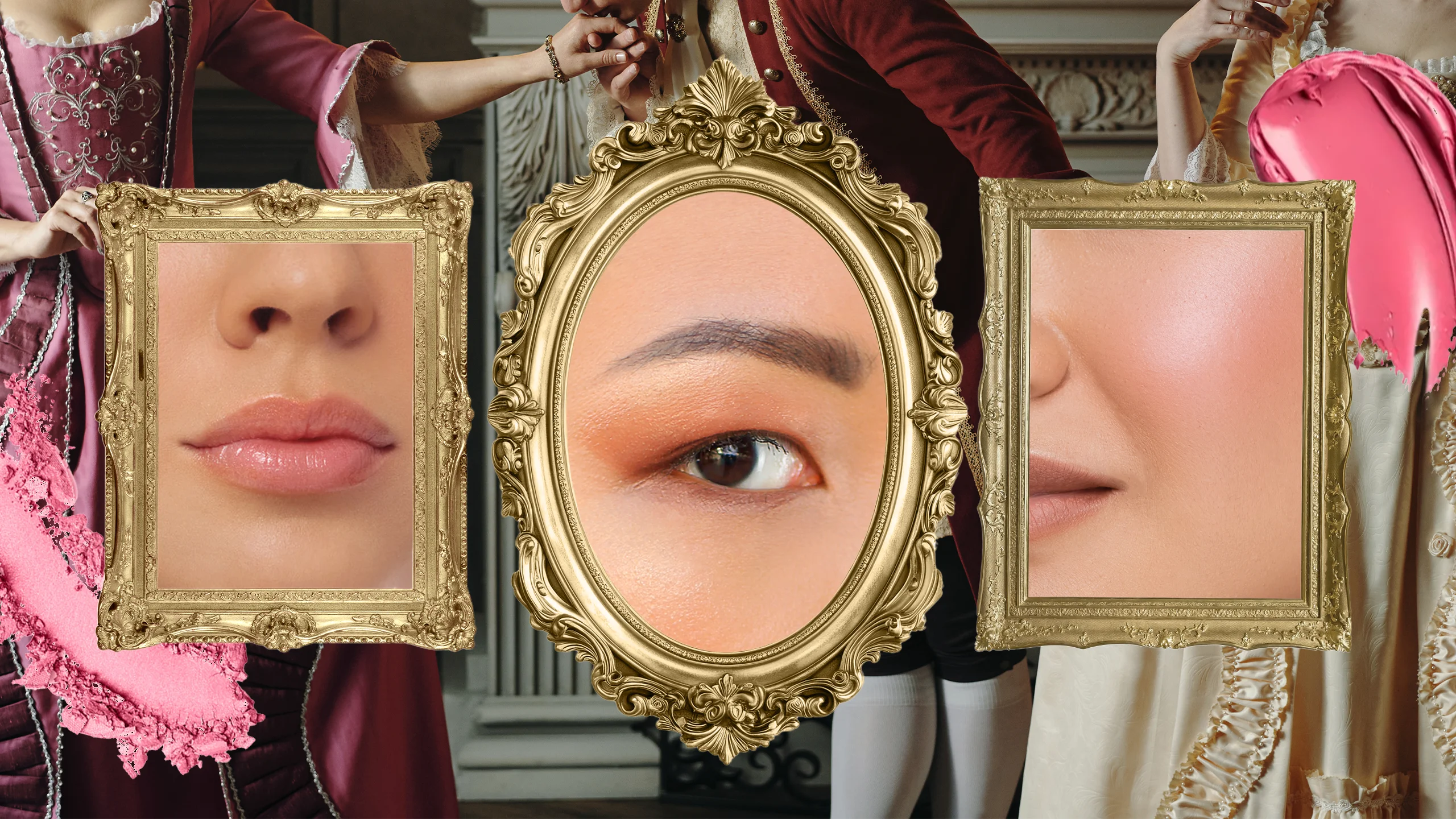
The beauty looks from the newly released Bridgerton Season 4 Part 1 have everyone in the ton talking. And yes, my dearest gentle readers, this author has heard your whispers: fans are thrilled that the makeup has finally returned to subtle, natural elegance, which is, according to some, more “historically accurate.”
But here’s a reminder: While Bridgerton draws from the Regency era, its beauty direction is anything but a history lesson. Hairstyles, makeup, and wigs are crafted to tell a story, not to replicate the 19th century with rigid accuracy. Every beauty look signals who a character is, what they feel, and how they grow.
Across four seasons, the evolution of hair and makeup tracks character arcs as vividly as the plot itself. From debutantes to maids, the ton may sparkle, but it’s the subtle details, like the tilt of a curl or the shimmer of a cheek, that reveal secrets and intention.
Season 1: Introducing the ton
When Bridgerton premiered, it established a lush, romantic look that balanced period inspiration with modern softness. The hair and makeup reflect every character’s style as part of their personality, which sets the tone for the next seasons’ beauty looks, too.
Daphne Bridgerton’s soft curls and luminous skin reflect her debutante ideal: polished, gentle, and composed. Eloise’s unconventional mullet signals her resistance to societal expectations. Penelope Featherington’s tight ringlets and restrained makeup mirror her youth and feelings of invisibility within the ton and her own household. Overall, makeup in the first season favors radiant skin, cream blush, and subtle eyes.
Season 2: The Bridgerton glow
Season 2 marked a visual and emotional shift. Under BAFTA-winning lead makeup designer Erika Ökvist, luminous skin became the unifying language. In other words, if Season 1 whispers, Season 2 glows.
Ökvist and her team used a lot of Pat McGrath Labs’ products on set, a choice that matched the season’s sensual tone. “The one thing we use on absolutely everybody is the Pat McGrath Labs Skin Fetish: Highlighter + Balm Duo,” Ökvist tells Netflix Tudum.
The product became foundational. “It’s got a balm on one side that looks like the natural sebum of the skin… We put it on all the highlights, like the cheekbones or whatever you want to enhance or create interest with,” she explains. “On the other side, it’s got an iridescent, shimmery little bit of color that goes all the way into the golds. I call it the glow stick.”
Color choices were deliberate. For Kate Sharma, whose wardrobe featured rich, warm tones, Ökvist picked shades that complemented both costume and complexion. “We find the star colors for that character,” she explains. “But then every time you’re applying the makeup, it has to cohere with what they’re wearing.” For Simone Ashley, that meant using thePat McGrath Labs Mothership V: Bronze Seduction palette, with “really lovely, warm ochers and apricots… colors that will naturally be in Simone’s skin.”
Penelope, on the other hand, stayed visually restrained. Pinned-up hairstyles, citrus-toned dresses, and softened makeup reflected her lack of agency, still under her mother’s control. Her glow had not yet fully bloomed, even as romance simmered around her.
Season 3: Penelope’s power glow
Season 3 is when audiences really noticed a huge shift in the beauty looks. After two seasons of restraint, makeup this season leans into more glam, with stronger definition and bolder choices.
Penelope’s transformation is the most striking. Her beauty evolution mirrors her rise from wallflower to romantic lead, and later revealed to Lady Whistledown.
But consistency was, of course, still important. “Penelope’s wigs are exactly the same color as season one. The color doesn’t change,” Ökvist notes in an article published by Shondaland. However, now instead of tight ringlets, the curls were more loose, possibly hinting more freedom to move and be seen.
At Lady Danbury’s Four Seasons Ball, Penelope wears a peacock teal gown, a strategic choice that makes her auburn curls stand out dramatically. The effect represents her shift from blending in to being noticed.
“She wanted to make sure she had a look that would land herself a man,” Ökvist says. The makeup followed with more definition and confidence that finally shows.
The boldest moment comes at the Dankworth-Finch Ball when Penelope confronts Queen Charlotte as Lady Whistledown. Her crimson lip can’t be ignored. “Red is [telegraphing], ‘Hear me; hear what I say,’” Ökvist says. “In all of the other looks that she’s had, we couldn’t have done anything like that with the costumes that she was wearing previously.”
Other characters show visual storytelling too. Cressida Cowper’s hairstyles, for example, grow sharper and spikier, reflecting her growing desperation. “Cressida’s hairstyles, which are really spiky and have a lot of things sticking out, are protection to keep people from getting too close,” Ökvist explains.
Queen Charlotte remains the show’s most theatrical presence. Her motorized swan wig naturally dominates the scene. “The wig needed to feel like the most important thing in the scene,” Ökvist explains.
Season 3’s looks draw inspiration from everywhere: old Hollywood glamour, London Fashion Week, even museum visits. “It’s not period makeup or hair,” Ökvist says. “The look in season three is inspired by history, but it’s also inspired by things like the Met Gala.”
Season 4: Sophie’s subtle makeup and masquerade magic
Season 4 shifts from bold glamour to understated elegance, mainly because Sophie Baek is different from all the leading ladies so far. She isn’t a debutante nor a diamond of the season. She isn’t part of London’s high society. She’s a maid whose makeup reflects a subtle glow and “in love” look.
Sophie’s look mostly leaned towards soft and natural glow. Lips stay hydrated with a balm-like sheen, completing a look that’s effortless but intentional.
But Sophie does not just play the character of a maid. She is also the mysterious “Lady in Silver,” and it’s here where makeup takes on a more symbolic role. Behind the mask, Sophie’s lips become the focus, as it is the only feature fully seen by Benedict Bridgerton. Evidently, a soft rosey pink hue washes over them that gives a delicate look. The sheer, buildable color pops against her mask, revealing a bit of her mysterious identity.
Even Benedict’s look mirrors this subtlety. His hair is tousled and soft, styled to appear casually swept, symbolizing emotional openness rather than a full transformation.
Beauty as storytelling
Across all seasons, Bridgerton proves that hair and makeup are storytelling tools. History inspires, but it doesn’t limit. Every glow up, curl, and shimmer is deliberate, and most importantly, the looks tell more about the character’s emotion and story, rather than history. After all, it is still fiction and art. Art that may imitate reality, but is never bound by it.