3 Types of Acne Scars and How to Treat Them
Your skin shouldn’t have to be a lifelong reminder of high school acne.


Getting rid of acne can sometimes feel like an accomplishment akin to scaling Mount Apo (without the selfie at the top). You saw doctors, you slogged through months of prescriptions, creams, spot treatments, and maybe a half-gallon of concealer. You deserve to take a damn break and enjoy your newly clear skin.
Unfortunately, just because you scaled the mountain, doesn’t mean you won’t hit some obstacles on your way back to sea level. Acne scars are reminders of your journey and can last long after you’ve gotten rid of the pimples, blackheads, bumps, and lesions. If you’re looking for ways to minimize those scars, we’re here to help. Every dermatologist we spoke to for this story says there’s no such thing as an acne scar that can’t be treated. Here, we break down the different types of acne scars and the products that can set you down the road to recovery.
Meet the experts:
- Roberta Del Campo, MD, is a board-certified dermatologist and founder of Del Campo Dermatology and Laser Institute in Miami.
- Kseniya Kobets, MD, is a board-certified dermatologist and director of cosmetic dermatology at Montefiore Einstein Advanced Care in New York City.
- Naana Boakye, MD, MPH, is a board-certified dermatologist at Bergen Dermatology in Englewood Cliffs, New Jersey.
- Brooke Jeffy, MD, is a board-certified dermatologist based in Scottsdale.
- Elizabeth Geddes-Bruce, MD, is a board-certified dermatologist at Westlake Dermatology in Austin.
- Rebecca Marcus, MD, is a board-certified dermatologist at North Dallas Dermatology in Dallas.
- Marisa Garshick, MD, FAAD, is a board-certified dermatologist at MDCS Dermatology in New York City.
- Whitney Bowe, MD, is a board-certified dermatologist based in New York City.
In this story:
Why did your acne leave a scar?
What are the different types of acne scars?
What are some ways to treat acne scars?
Dermatologist-recommended products for acne scars
Why did your acne leave a scar?
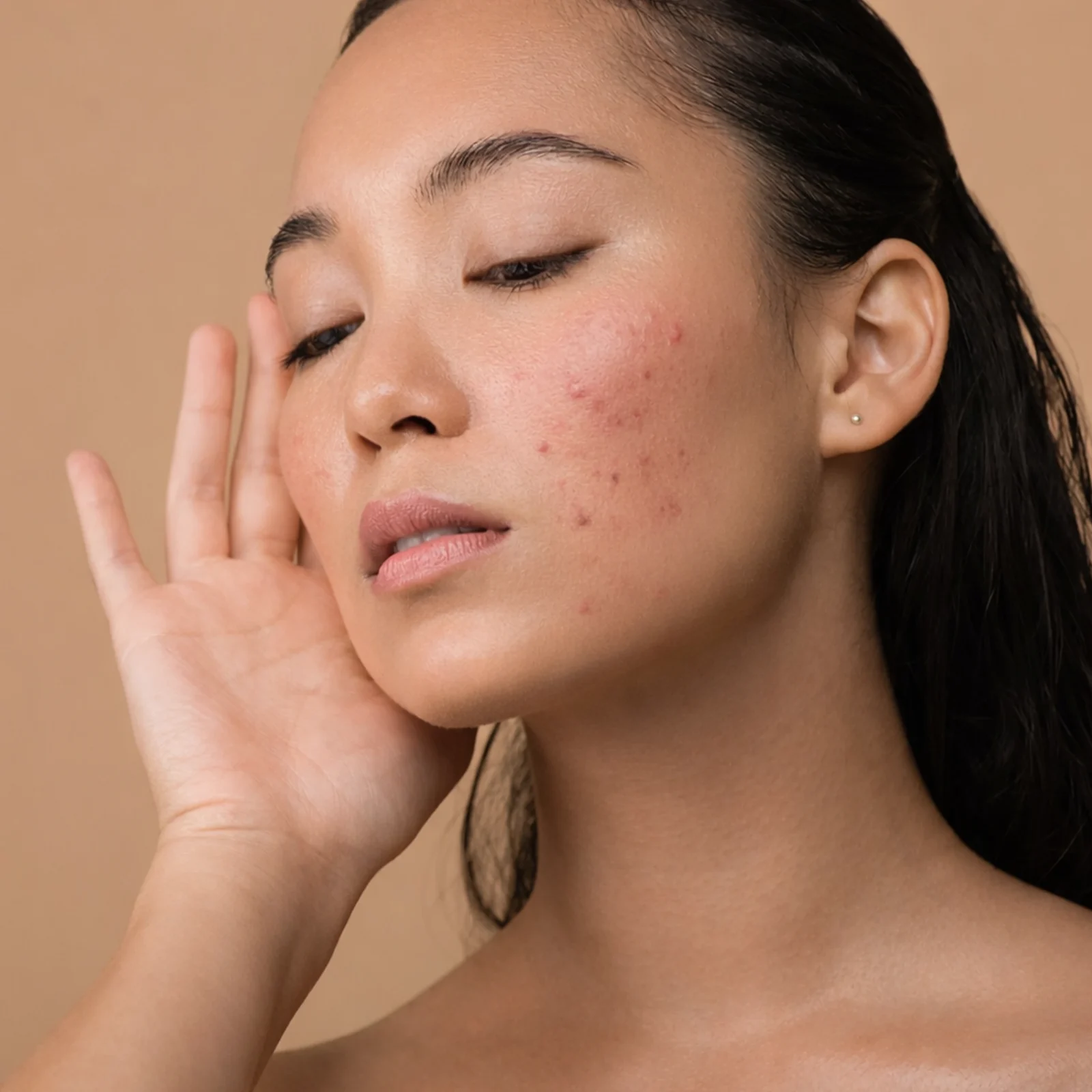
Ah, the age-old question: Why is this happening to me? It’s fair to ask since some zits come and go without a trace, some leave little pink or brown marks, and some leave their legacy in divots. Despite how it might feel, it’s not just luck or Mercury retrograde that determines your acne’s aftermath.
“Acne causes inflammation in the skin, which can alter the collagen in our skin,” says board-certified dermatologist Roberta Del Campo, MD. “When collagen is altered it changes the overall structural appearance of the skin—which is how scars appear.”
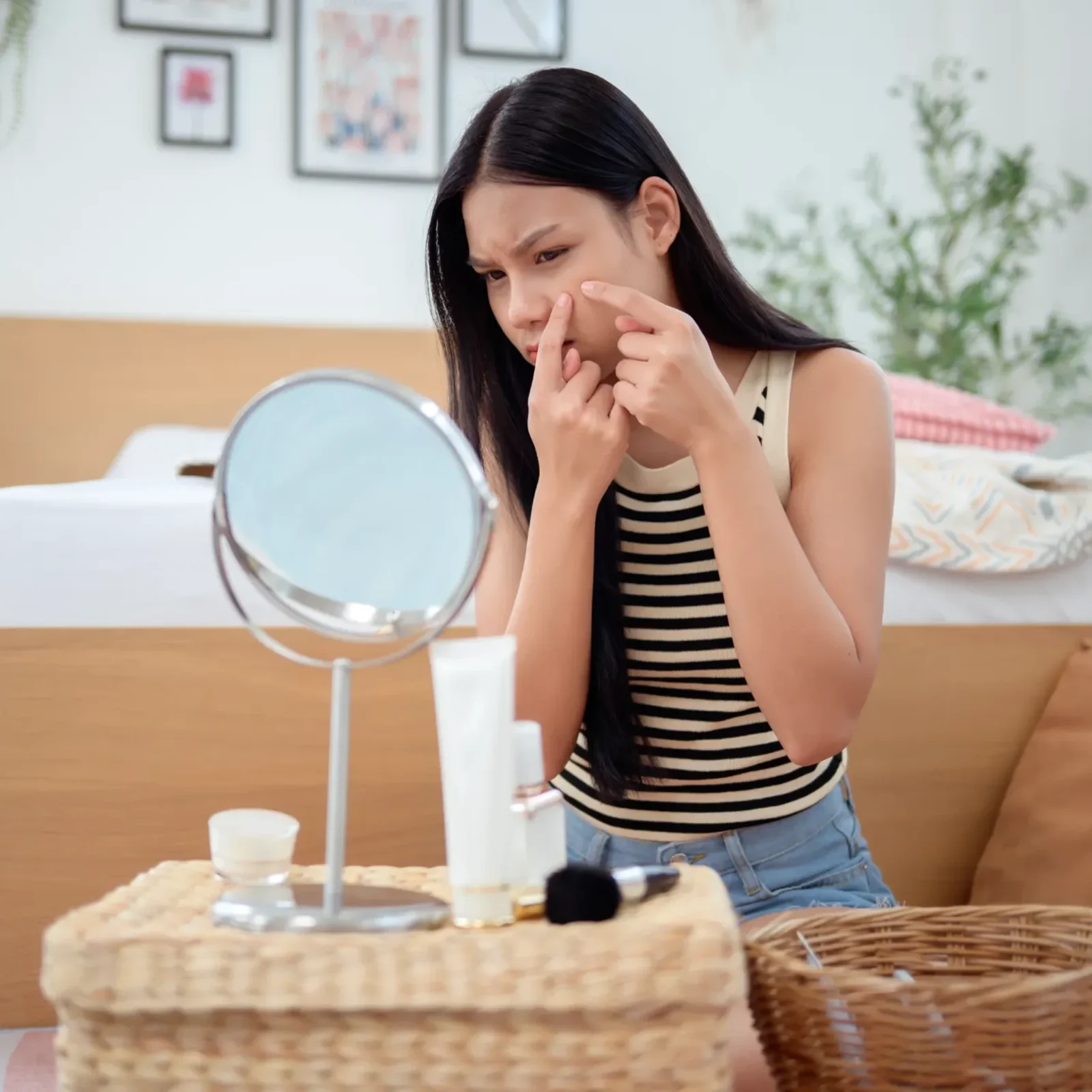
The more severe your breakout, the more likely it is to leave some scarring even after the pimples have healed. If you battled chronic acne at any point, a lot of that collagen and elastin in your skin is destroyed, adds board-certified dermatologist Kseniya Kobets, MD. “That delayed healing from the inflammation causes a depressed acne scar.” Milder acne can also leave scars if you damage the tissue by picking and popping them, since those bad habits also increase inflammation.
What are the different types of acne scars?
There are three types of acne scars and they all vary in how difficult they are to treat. It’s important to identify what you have so you can follow the right path.
Atrophic scars
Atrophic scars cause depressions in the skin thanks to that destroyed collagen, says board-certified dermatologist Rebecca Marcus, MD. You may have ice pick scars, which are narrow, deep pits; broader boxcar scars with sharp edges; or rolling scars, which appear as undulating depressions in the skin.
Hypertrophic scars
Hypertrophic scars, on the other hand, happen when too much collagen is produced, which can happen to anyone, but especially if you’re prone to inflammatory reactions or have an autoimmune disease. These scars, also known as keloids, are raised and sometimes extend beyond the boundaries of the original blemish.
Pigmented scars
Pigmented scars are more like marks than actual, textural scars. “This is post-inflammatory hyperpigmentation, which is a dark mark left over in skin as a result of excess melanin that was produced right at that site of inflammation,” says board-certified dermatologist Whitney Bowe, MD. However, these marks may also appear alongside atrophic or hypertrophic scars.
What are some ways to treat acne scars?
Because not all acne scars are the same, not all acne scar treatments are the same. “Deeper scars, such as ice pick scars and boxcar scars, can be more difficult compared to treating shallow scars like rolling scars or post-inflammatory hyperpigmentation,” says board-certified dermatologist Naana Boakye, MD.
Deeper scars may need more aggressive treatment methods to improve their appearance, like laser therapy or corticosteroid injections, says Dr. Boakye. On the other hand, depressed atrophic scars often require treatments that “boost collagen production and encourage tissue regeneration, such as PRP, microneedling, or chemical peels.” Ultimately, you’ll need to meet with your dermatologist to determine what’s best for your skin, likely a combination of in-office and over-the-counter treatments.
While there may not be a magical over-the-counter elixir to make the memory of your acne fade into oblivion on its own, there are some great options to fade pigmentation and make some inroads on those tougher atrophic and hypertrophic scars. “Depending on the type of scar, some over-the-counter products and ingredients, like retinoids and alpha hydroxy acids (AHAs), can enhance skin texture and smoothness, potentially improving shallow acne scars such as rolling scars or mild boxcar scars,” says Dr. Boakye. “Post-inflammatory hyperpigmentation can also be addressed with over-the-counter products containing AHAs, vitamin C, and niacinamide.”
And of course, SPF will be key to preventing further damage to the skin. “I must stress the importance of SPF for daily use, as acne scars get darker and settle in more over time, especially with exposure to sun and indoor blue light,” adds Dr. Kobets.
Below are dermatologists-recommend products you can add to your acne scar treatment roster.
Dermatologist-Recommended Products for Acne Scars
CeraVe Resurfacing Retinol Serum
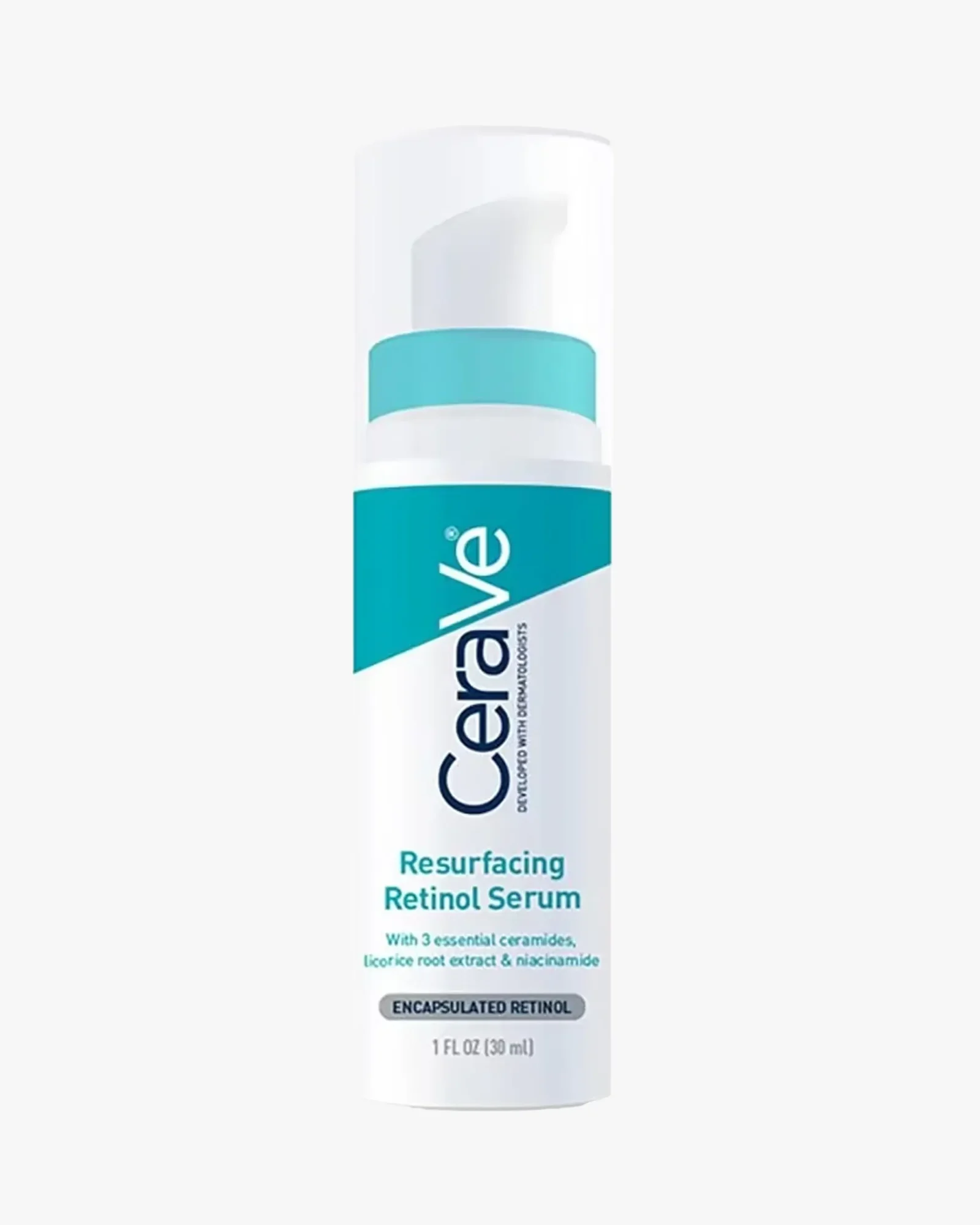
For those whose skin can’t tolerate prescription-strength retinol, Dr. Kobets recommends CeraVe Retinol Serum which has a 0.3% concentration of retinol, plus ceramides for extra skin barrier support.
Dr. Dennis Gross Vitamin C Lactic 15% Firm & Bright Serum
While it’s not necessarily a budget alternative, this serum, which has also made our Best of Beauty list, is quite a bit cheaper than SkinCeuticals C E Ferulic. In addition to vitamin C, the formula features licorice, which is also known to help hyperpigmentation.
Andalou Naturals Dark Spot Corrector
Board-certified dermatologist Marisa Garshick, MD recommends using this vitamin C serum twice a day to lighten discoloration. “It also features a spot-targeting complex, incorporating pomegranate stem cells and caffeine which are rich in antioxidants.”
The Ordinary Niacinamide 10% + Zinc 1% Oil Control Serum
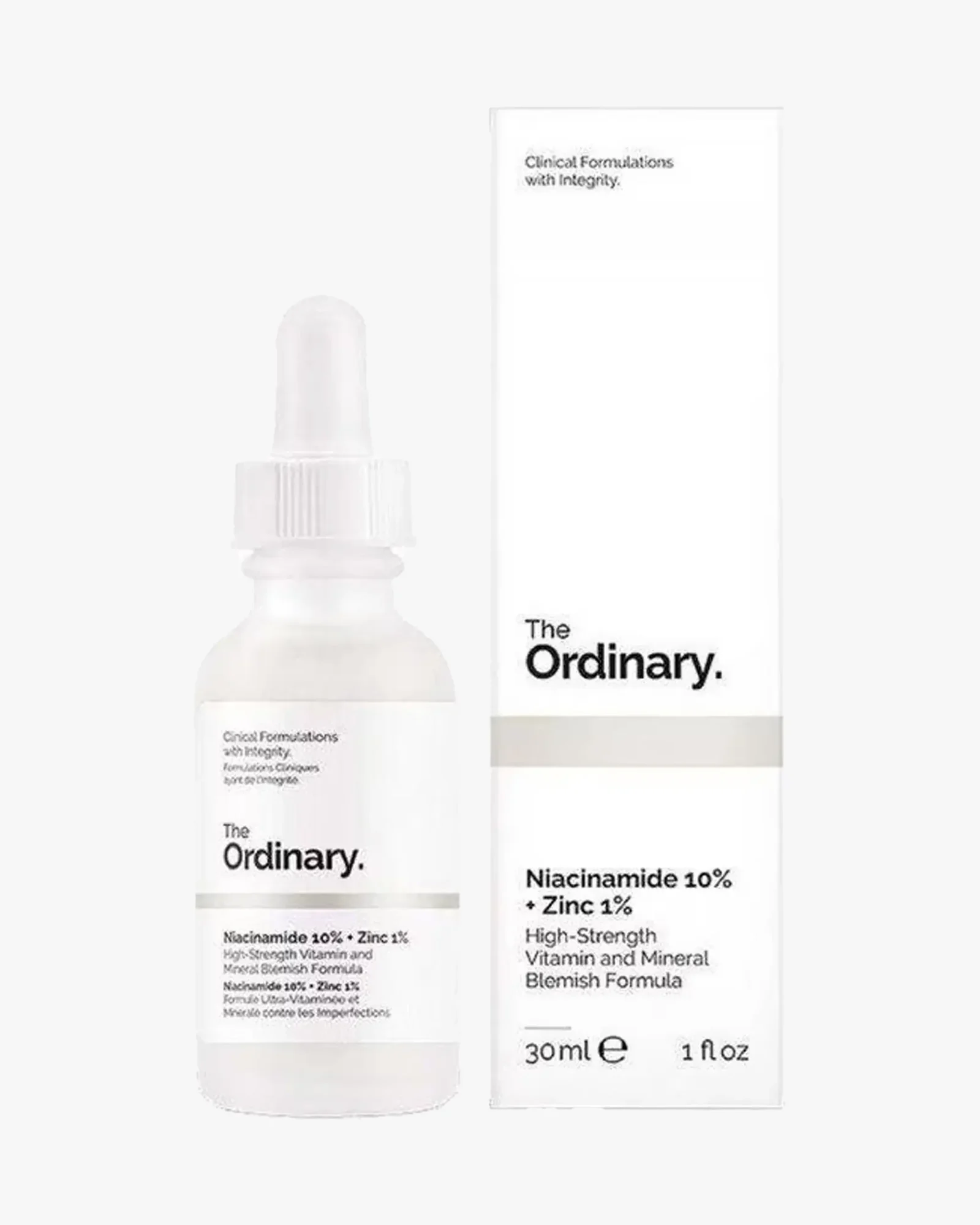
“Niacinamide has been shown to decrease redness and can help address the red marks left behind after an acne papule resolves,” says Dr. Geddes-Bruce, who recommends The Ordinary Niacinamide 10% + Zinc 1% Serum, a super accessible and simple serum that is also formulated with zinc to control excess sebum production.
La Roche-Posay Mela B3 Dark Spot Corrector Serum with Niacinamide
The La Roche-Posay Mela B3 Dark Spot Corrector Serum with Niacinamide can “help fade post-inflammatory hyperpigmentation or dark marks that may be left behind after acne lesions have resolved,” says Dr. Marcus. “It features a novel pigment-fighting molecule (melasyl) that has demonstrated promising results in clinical studies.”