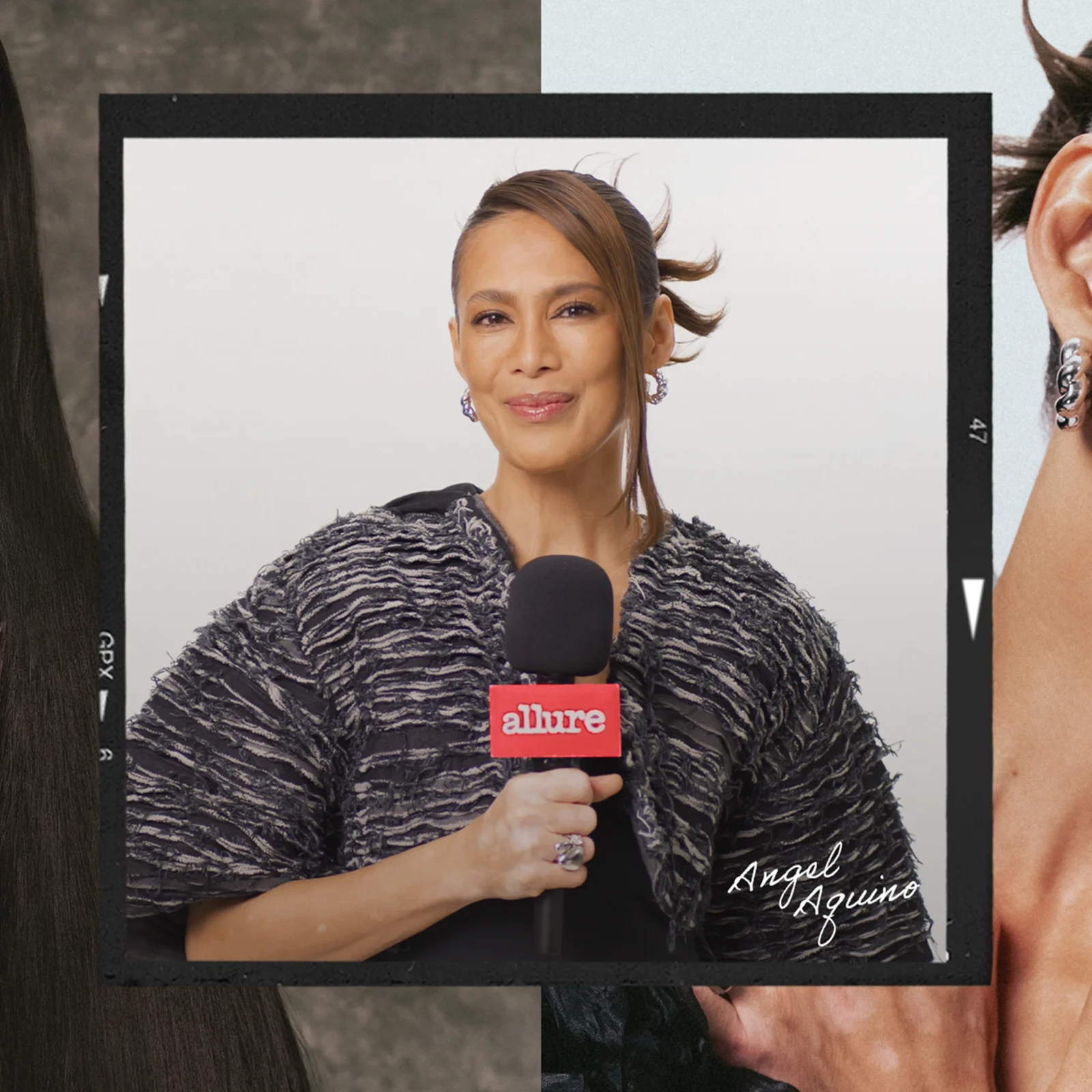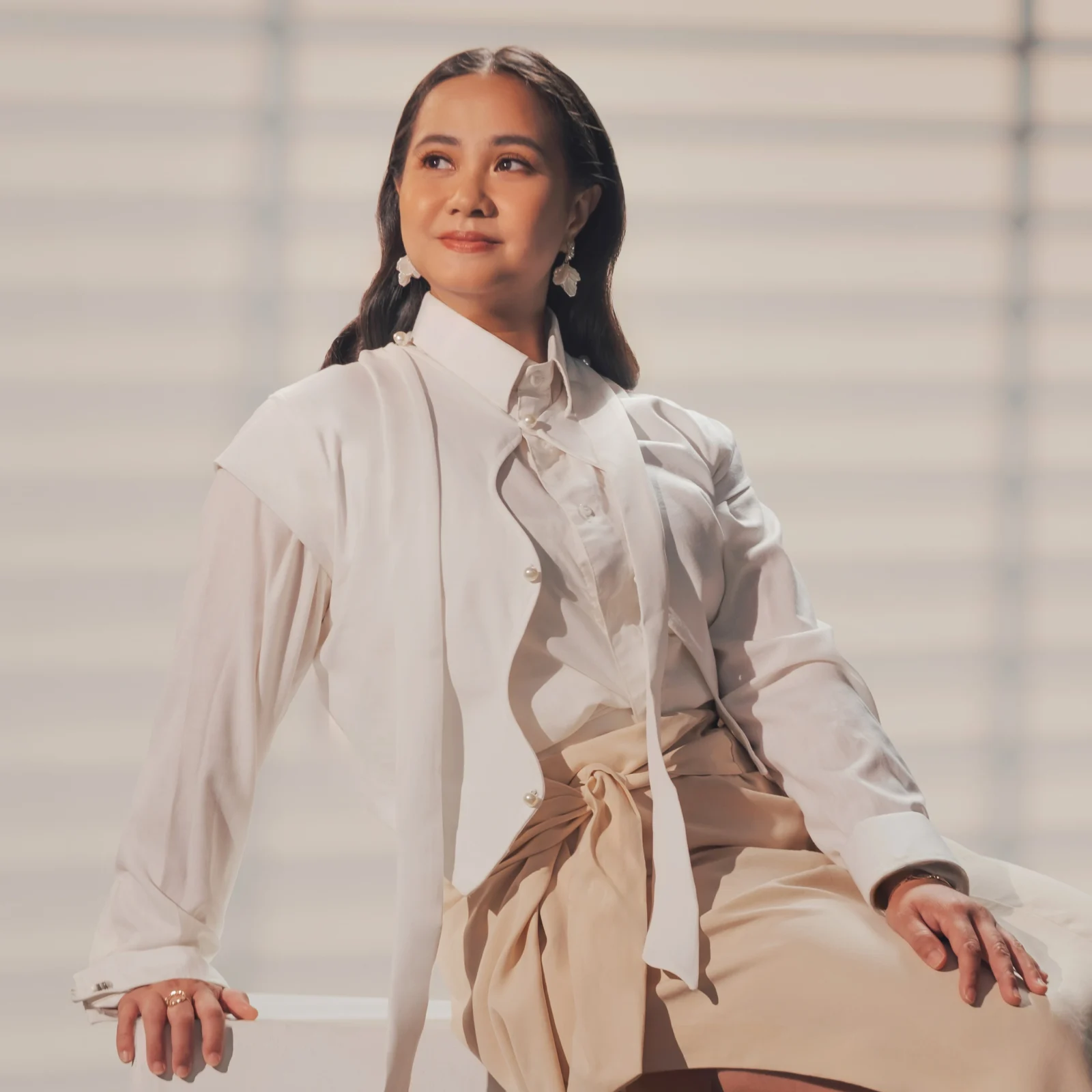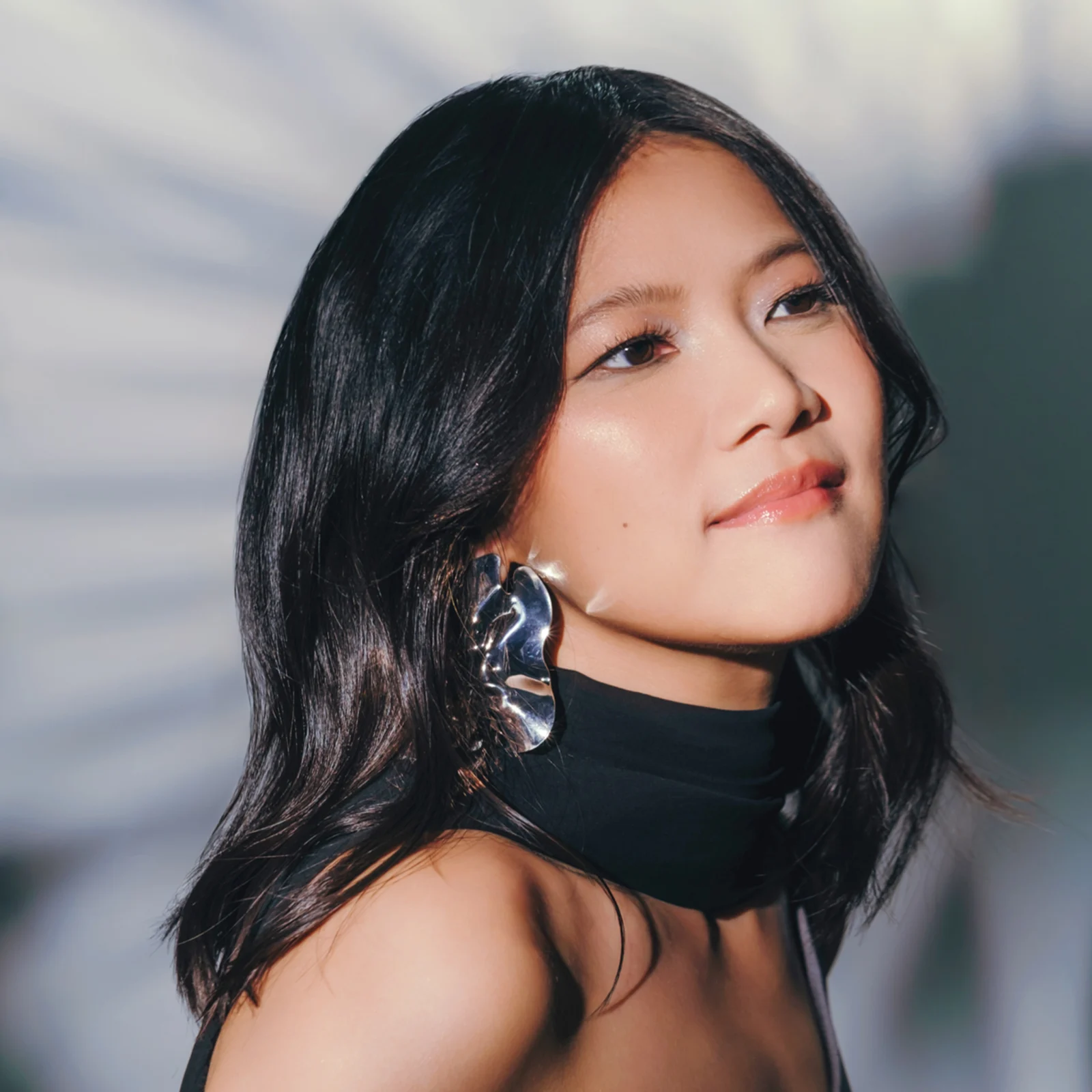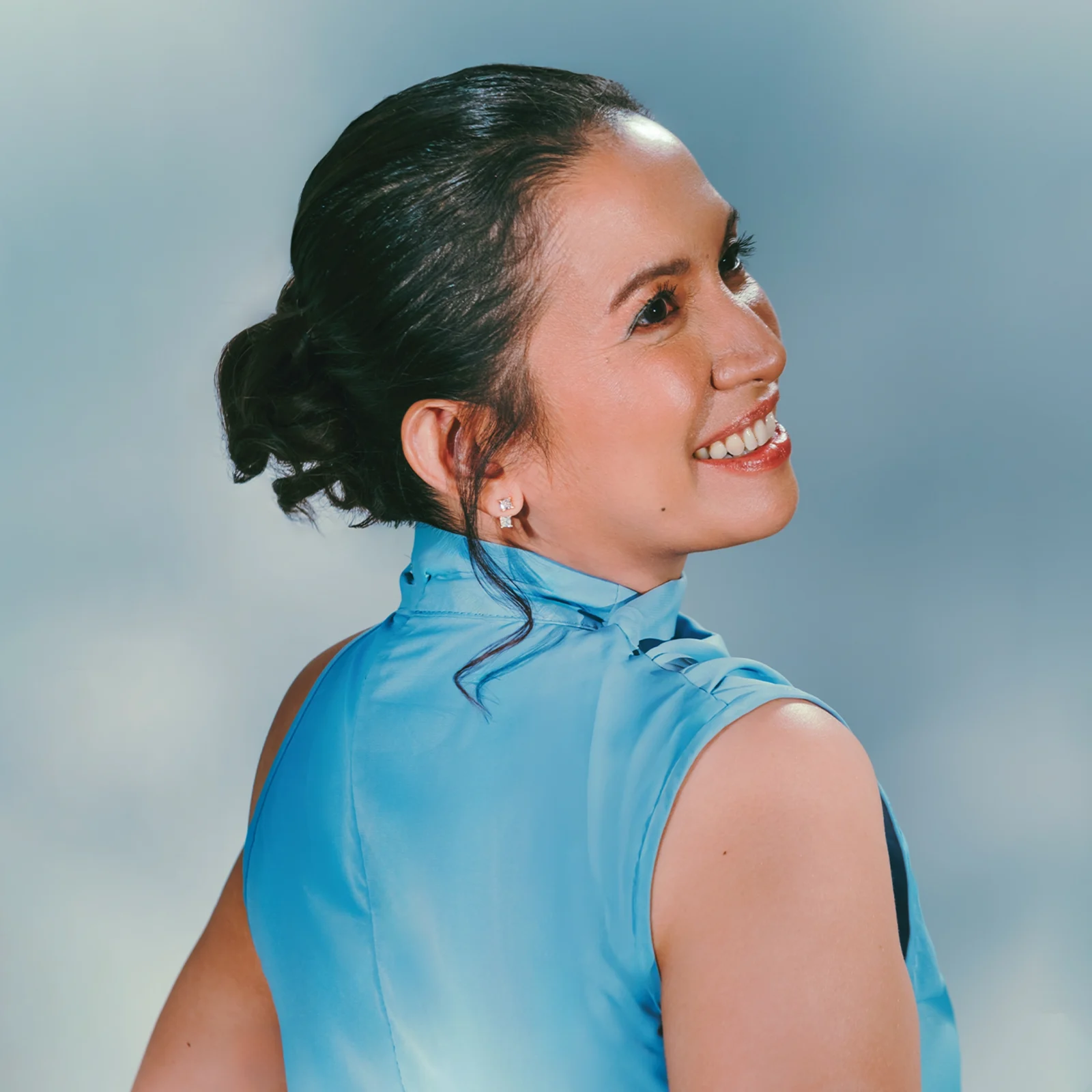


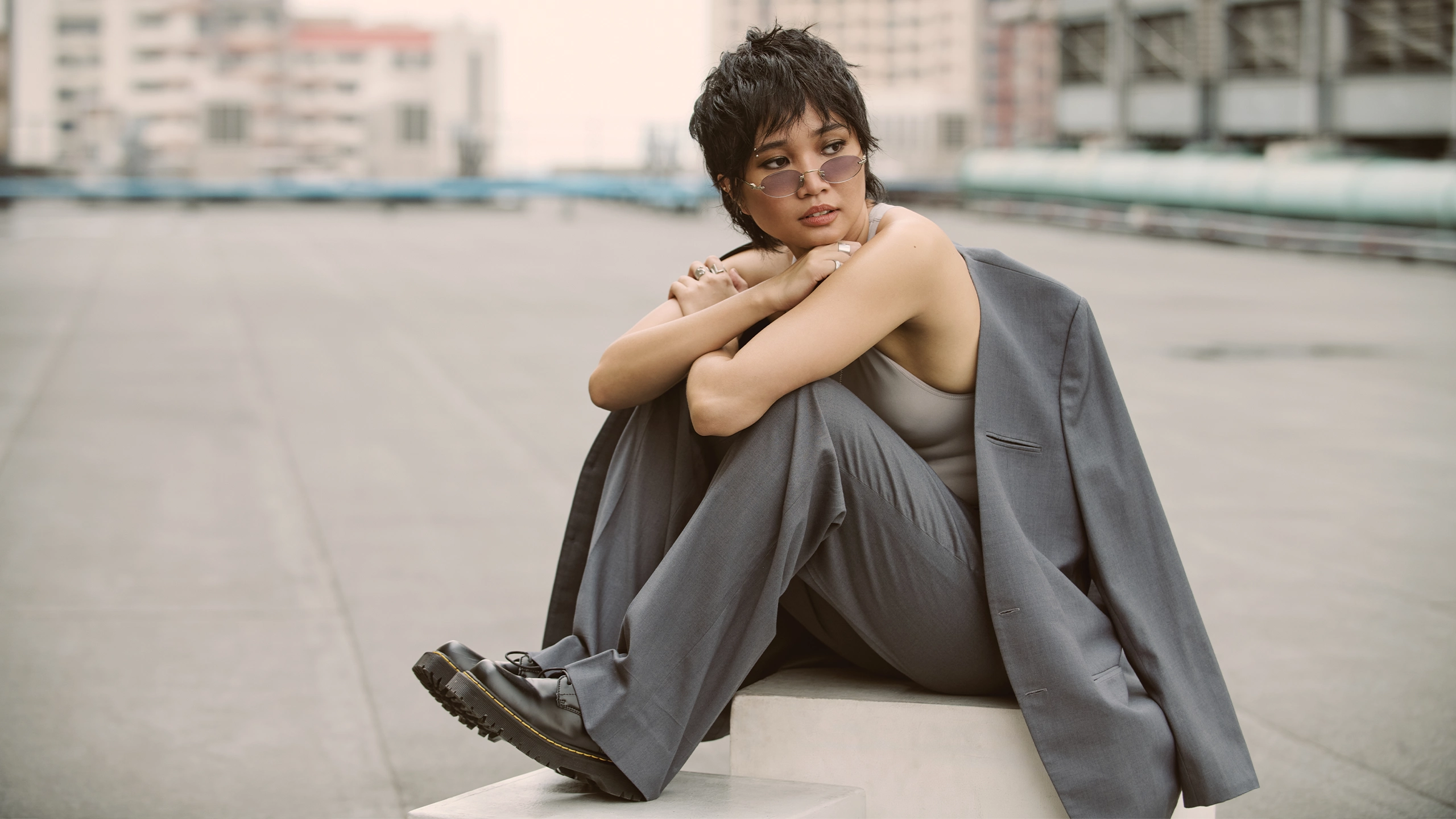
Alex is a queer 20-something, and she is in love with her childhood best friend, Jess. Billie and Emma, on the other hand, are two high school girls who fall in love, only to discover that Emma is pregnant. Ace and Janna are teammates on the girls’ volleyball team who are initial adversaries, but grow closer, and tackle a serious challenge together as their relationship develops.
These females live in filmmaker Samantha Lee’s films, and their stories are told in Baka Bukas (2016), Billie and Emma (2018), and Rookie (2023), respectively. They are poignantly told, and visually charming, framed thoughtfully, against backdrops that are simultaneously stunning and familiar, quietly whispering thoughts, perspectives, intentions, and truths from the screen to the audience.
“On social media they call my films ‘aesthetic,’” Lee tells us, smiling. “I really make a conscious effort for my films to be super beautiful and aspirational and bright, because historically, queer cinema has always been really dark, really violent. When I started making films, it was important for me to show them in the light, in a very literal light.”
The multi-awarded Lee has a medium in her hands—film—that is an extremely powerful tool for bringing issues to the forefront, for discussing topics that are both hot and sensitive, such as gender identity expression, or rights for the LGBTQIA+ community. Hers is a voice that slices through the fear and darkness, and, in her own words, aims to portray queerness as something beautiful, as opposed to something horrifying or ugly.
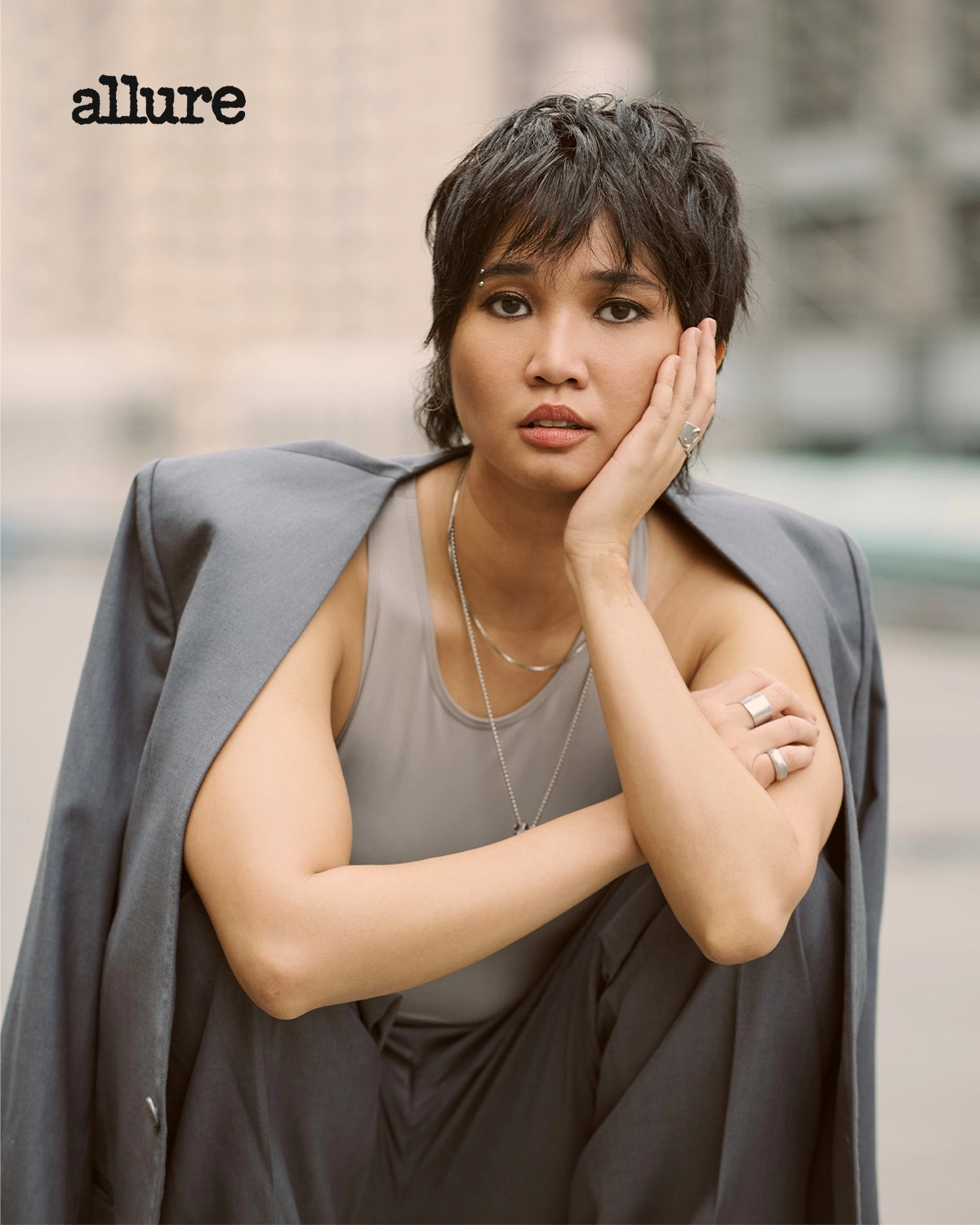
Jerick Sanchez
Yet using her own voice to champion a greater cause is something that Lee had to learn, and, admittedly, is still learning. As it turns out, her own compelling tale of self-discovery is inextricably entwined with learning how to tell the stories of others. “I didn’t make films until later on,” she clarifies frankly. “I didn’t ever think I was going to be able to make films, because I was still hiding, in the closet, and I didn’t think there was a story that I could tell.”
A product of an all-girls Catholic school, Lee had it drilled into her that “homosexuality is a sin, and you’re going to go to hell,” she explains. It was only when she was living in Melbourne, Australia in her 20s, in an environment that was accepting and welcoming, that she finally came to terms with her queerness, and herself. But the lessons had already been learned, so the rest of her life has been about “unlearning playing small from being in the closet.”
Lee, however, has never forgotten how freeing it was to finally accept her own truth, and to witness others like her living their lives by their own rules, as she did back in Melbourne. That is, essentially, why she came back to the Philippines to make films and tell stories. “That was such a pivotal part of finding my voice,” she shares. “I think, today, also that’s why I try to be that person for someone else, or have my characters be that for someone else. When you put things in a lens of ‘This will benefit others,’ then it’s easier for me to find my voice.”
Art direction by Nicole Almero. Beauty direction by Larissa Joson. Makeup by Lala Flores, assisted by Raquel Rocha. Hair by Aica Latay. Styling by Gee Jocson, assisted by Eru. Photographer’s assistants: Karl Rimando and Dave Orpilla.
Frequently Asked Questions
Samantha Lee is a multi-awarded Filipino filmmaker known for queer-centered narratives. Her films include Baka Bukas (2016), Billie and Emma (2018), and Rookie (2023), all of which center female LGBTQIA+ characters and relationships told through visually aspirational, brightly framed storytelling.
Lee made a conscious decision to frame queerness in light and beauty as a deliberate counter to the historically dark and violent register of queer cinema. Her films present LGBTQIA+ life as something beautiful rather than horrifying — a visual and narrative choice rooted in her own experience of coming out.
Lee grew up in an all-girls Catholic school where homosexuality was framed as sinful. It was only while living in Melbourne, Australia in her 20s — in an accepting environment — that she came to terms with her queerness. That experience of visibility and acceptance became the foundation for the stories she returned to the Philippines to tell.
Filmmakers like Samantha Lee argue that seeing queer lives portrayed as ordinary, beautiful, and full of possibility has a direct impact on young LGBTQIA+ Filipinos who grew up without that representation. Her films function as a form of visibility that she herself did not have access to growing up.
Lee’s films explore first love, self-discovery, friendship, and the complexity of queer relationships in Filipino contexts — school, sports teams, and family dynamics. Across Baka Bukas, Billie and Emma, and Rookie, the central tension is not queerness as a problem to be resolved, but as a truth to be lived.