Stop Calling Morena “Exotic” and “Black Beauty”—It’s Not A Compliment
They told me—and other morenas—that I should be flattered. Here’s why I refuse to be.


“Who’s the fairest of them all?” I’ve always been puzzled as to why the Evil Queen was so fixated on Snow White’s fair skin. Growing up, it felt like those with whiter complexions were always portrayed as the good ones in films and teleseryes—pure, innocent, and kind. While those with darker skin were often labeled as poor, villainous, or undesirable.
Consuming this type of media at a young age, little old me knew early on I didn’t fit the conventional beauty “standards.”
I’m a morena with almond-shaped eyes, physical features that seem to sit outside the mestiza and chinita ideals that many of our kababayans adore. Even though we are surrounded by Filipinos with beautiful sun-kissed skin, fairer complexions are still highly favored. That preference is not random; it’s rooted in a colonial mentality deeply ingrained in our culture.
“During the colonial days, in the Spanish times, the white people, or the peninsulares, of course, were the rich ones, right? They were the heads of society,” Philippine Dermatological Society (PDS) President Jasmin Jamora, MD, previously shared with Allure Philippines. “And then the mestizos/mestizas also became highly valued.” When you’re born with European features and a lighter complexion, it becomes a status symbol—one associated with desirability and privilege that has been passed down through generations.
It’s not a compliment.
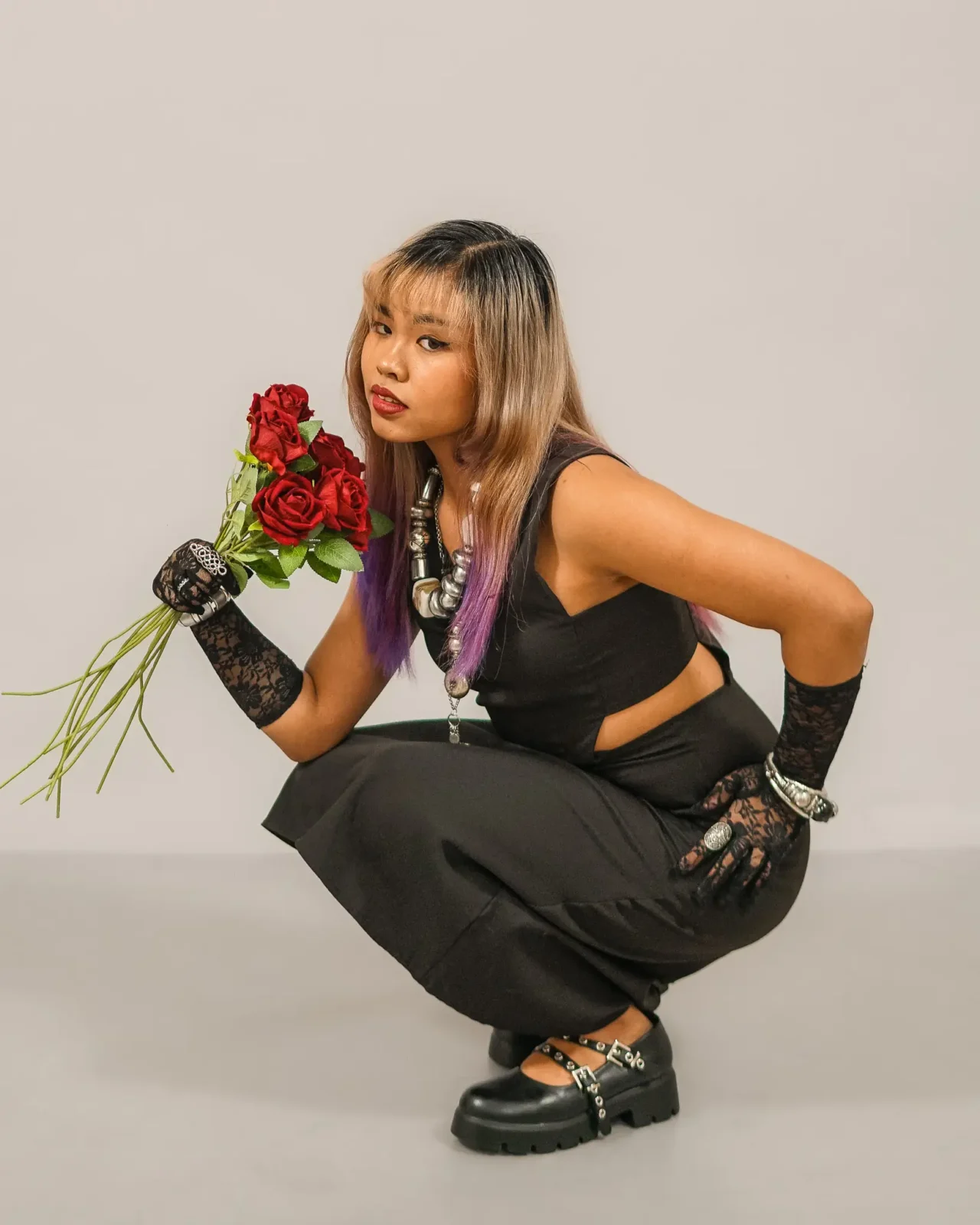
Courtesy of subject
“Maganda ka kahit morena ka.”
This was something I heard often as a child. It was as if they were insinuating that being morena means you’re ugly. That I should be grateful they find me attractive despite my skin color. And why is that so? This is the complexion of most Filipinos. Our features aren’t inherently less beautiful. I find it so backhanded.
Sometimes, I’d even hear people say, “‘Sus, maganda lang naman siya kasi maputi siya” or “Siguro mas lalo siyang gaganda kapag maputi siya.”
There are also instances when Filipinos from older generations would refer to morena actors and call them “black beauty” with conviction. But why can’t these women gifted with brown skin solely be “beautiful”? Why must their value always be attached to their complexion? This should not be considered as a compliment anymore (and it was never one to begin with).
Comments like this box a person’s worth into nothing but their skin color—as if that’s the most important thing about them. This toxic mindset has consequences. Women obsess over whitening products and treatments, destroying their skin in the process (and even risking their health), just to achieve a porcelain skin that society has convinced them is the prettiest of them all. “It’s important to recognize that Filipino beauty is diverse, and fair skin is not the sole standard of beauty,” says clinical psychologist Sarah Macaraeg, RPsy, in a previous Allure Philippines article.
And yet, the message many morena girls grow up hearing says otherwise.
For decades, people have been so caught up with someone’s skin tone that they forget to appreciate what truly matters. How talented a person is. How caring they are to their loved ones. How intellectual and well-spoken they are.
Sadly, Filipinas blessed with a golden shade are even diminished as exotic by others.
I’m not a fruit that is “exotic.”
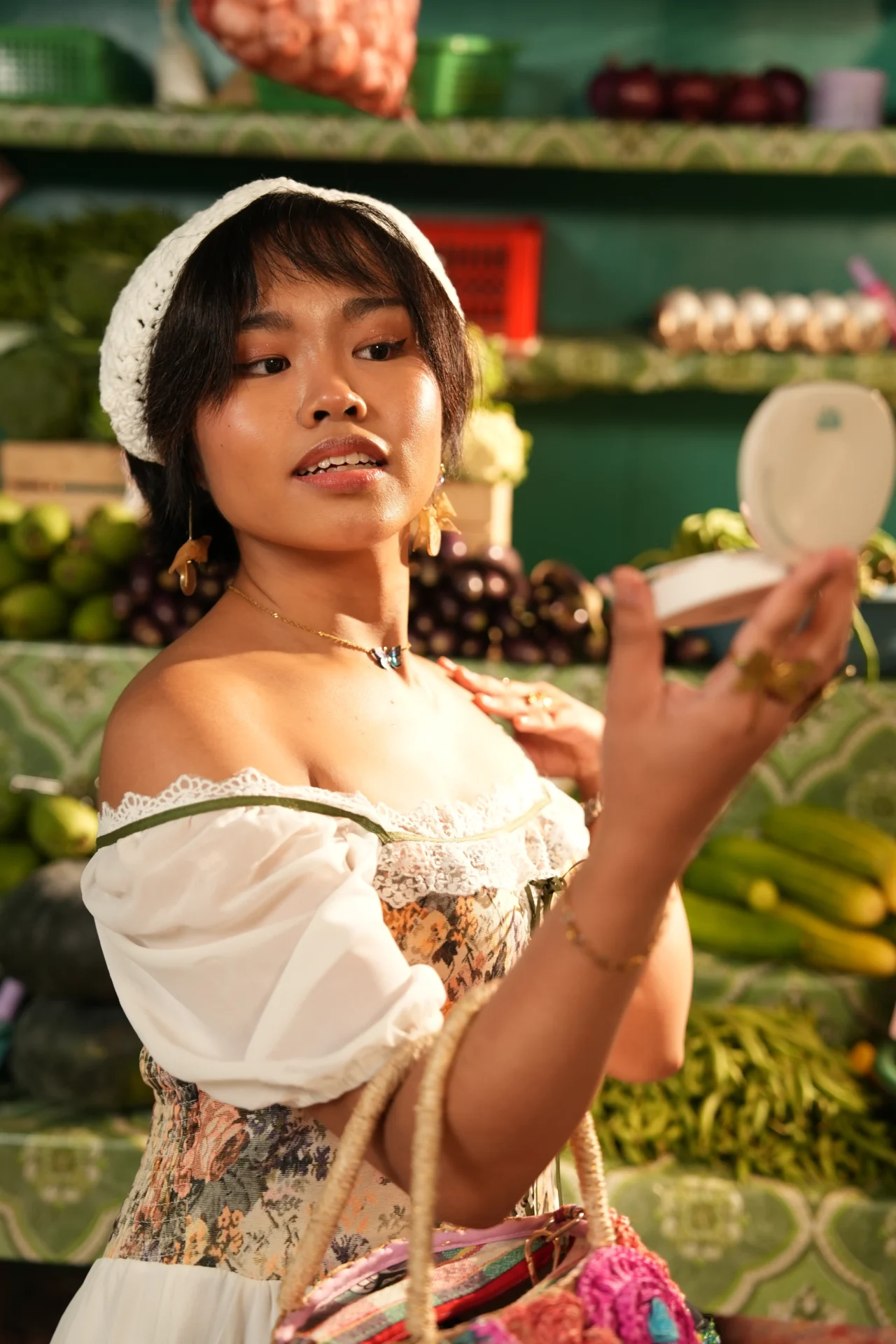
Courtesy of subject
I was never fond of the stares of male foreigners.
Truth be told, I get this uneasy feeling whenever I walk down the streets of Makati or BGC. There’s just something different about the way some men who aren’t Pinoy look at me—as if I’m a piece of meat.
There was a time I matched with a foreign guy on a dating app. At first, everything was going well. He was easy to talk to until he said, “You’re exotic. I like it.”
I was completely perplexed. I didn’t expect someone in this day and age would still describe a person as “exotic.” I’m not a flower. I’m not a fruit. I’m not something rare to be collected or tasted. The word unsettled me because it felt like I was being reduced to something so powerless, like I’m just a trophy.
And this isn’t an isolated case. This also stems from the fact that some men of other descent treat us morenas as a prize. It boosts their ego when they’re able to get someone who’s “out of the ordinary” compared to the Western beauty norm they’re used to.
Trying to play dumb, I asked him to enlighten me. “You look different, babe, in a cute way,” he replied. “It’s a good thing.” Blocked.
Since when did “cute” become synonymous with “exotic”?
There’s a fine line between appreciation and fetishization. When someone says you’re exotic, it often says more about how they “other” you than how they see you for who you are. It frames one’s natural features as curiosities rather than being simply human. It turns identity and ethnicity into novelty.
Calling someone exotic and claiming it as a “good thing” is not a form of flattery at all. It reinforces the notion that European features are the standard—marketed and championed as superior. Meanwhile, girls with darker complexions harshly scrub whitening soaps against their skin until it dries up and cracks, chasing a version of beauty that society told them to achieve.
This thinking has to stop. Filipinas should be able to embrace their natural skin and beauty just as they are.
Not the fairest of them all—and that’s the point.
Slowly but surely, the narrative around morena skin is starting to shift.
There’s still a long way to go, but we’ve already come so far from where we began. Those with darker complexions are no longer automatically portrayed as the bad guys or side characters anymore—media representation has progressed.
No matter what shade your complexion is, it is wonderful as it is. Board-certified dermatologist and medical director of Aesthetic Science Clinic, Yanee Vasquez, MD, says in a previous Allure Philippines article, “The focus on celebrating natural skin tones is helping to eliminate harmful labels like ‘fair’ or ‘morena.’ At the end of the day, beauty is not about rating skin tones. It’s about confidence, grace, and authenticity.”
We should be celebrating the beauty of everyone’s skin, instead of disguising insecurity and prejudice as backhanded compliments. I might not have the fairest skin as Snow White, but that’s the beauty of it.
I have golden skin that glows when the sun kisses it. But that doesn’t warrant being fetishized.
I don’t want to be admired because I look “different.”
I want to exist without being exoticized.
I am beautifully morena, just as I am.