The Biggest Wellness and Self-Care Lessons We Learned in 2025
Here are the most important nuggets of wisdom on wellness and self-care that we’re taking into the new year.


In the days between the end of one year, and the beginning of another, time sort of slows down. It coagulates, congeals, and ends up morphing into one homogenous gray lump. Most would say it’s neither a good thing nor a bad thing—it’s just the way life unfolds at this time of the year, every year.
Things move at a slower pace, and that makes it the perfect time to take stock of the past and assess for the future. In a nutshell, it’s as if time conspires to create the perfect setting to reflect on what is, was, and will be.
In the past year—2025, to be exact—we have learned many things at Allure Philippines. We’ve learned about skin care, about makeup, about hair, nails, fragrance, and about wellness. Yes, wellness, which features a drop-down menu of sorts for physical health, mental health, emotional health, fitness, and self-care. From chatting with a mighty fine lineup of experts, we’ve gathered quite a few nuggets of wisdom.
And as we count down the days to a brand new slate of a year, we also count down the biggest takeaways on wellness and self-care from this 2025. Read on to learn what we’ve learned—and what you can, too.
Wellness means different things to different people—and that’s precisely what makes it so important and relevant today.
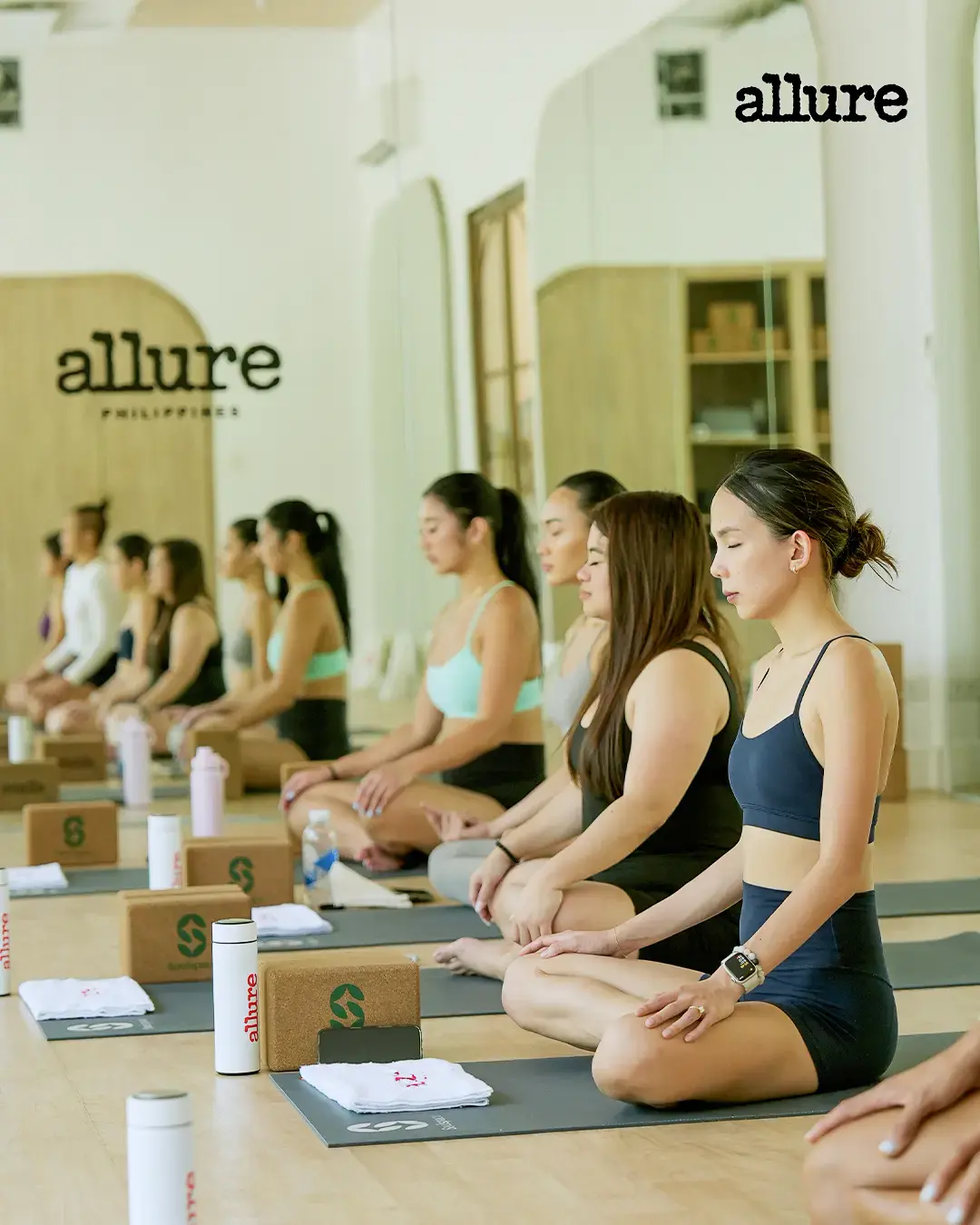
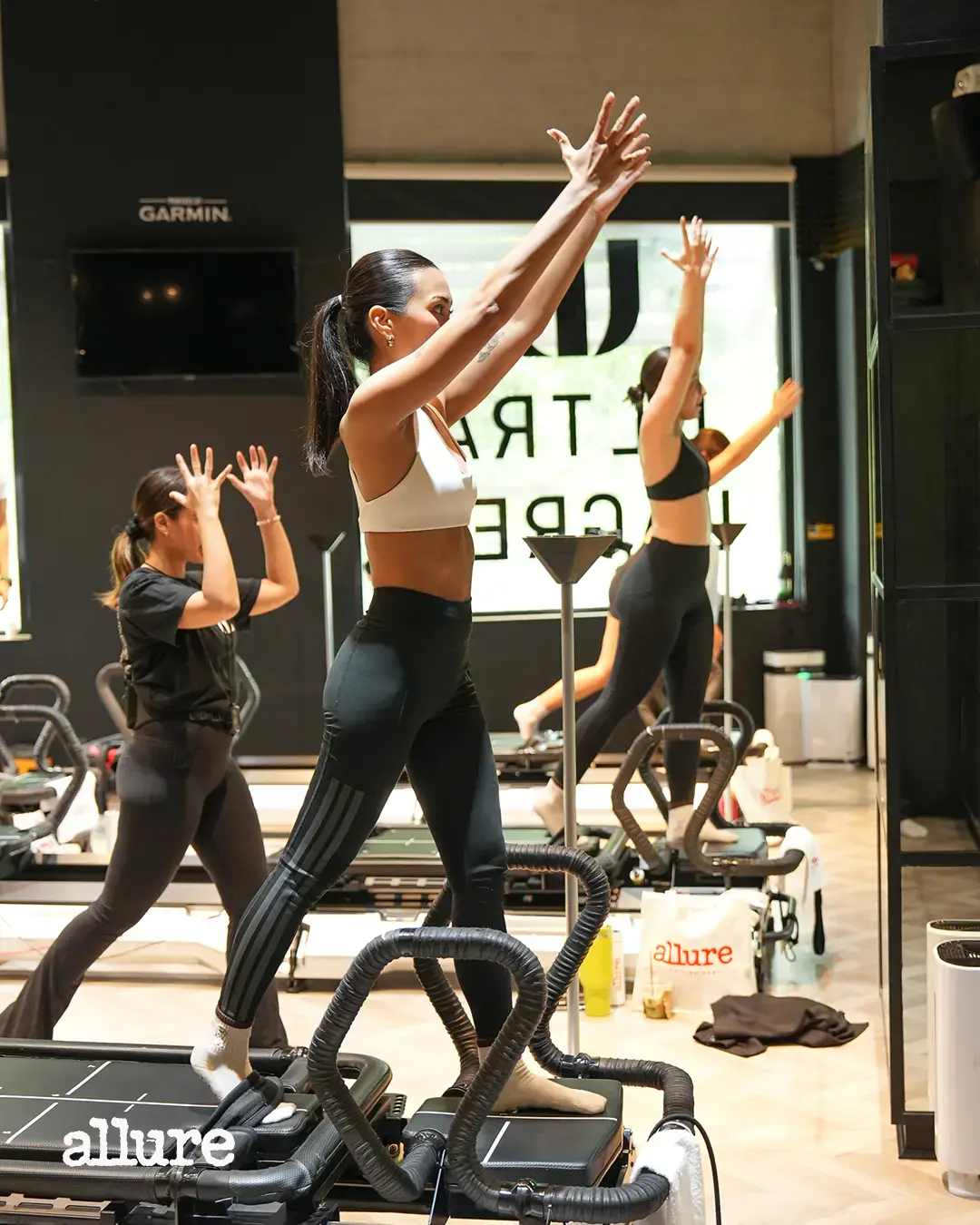
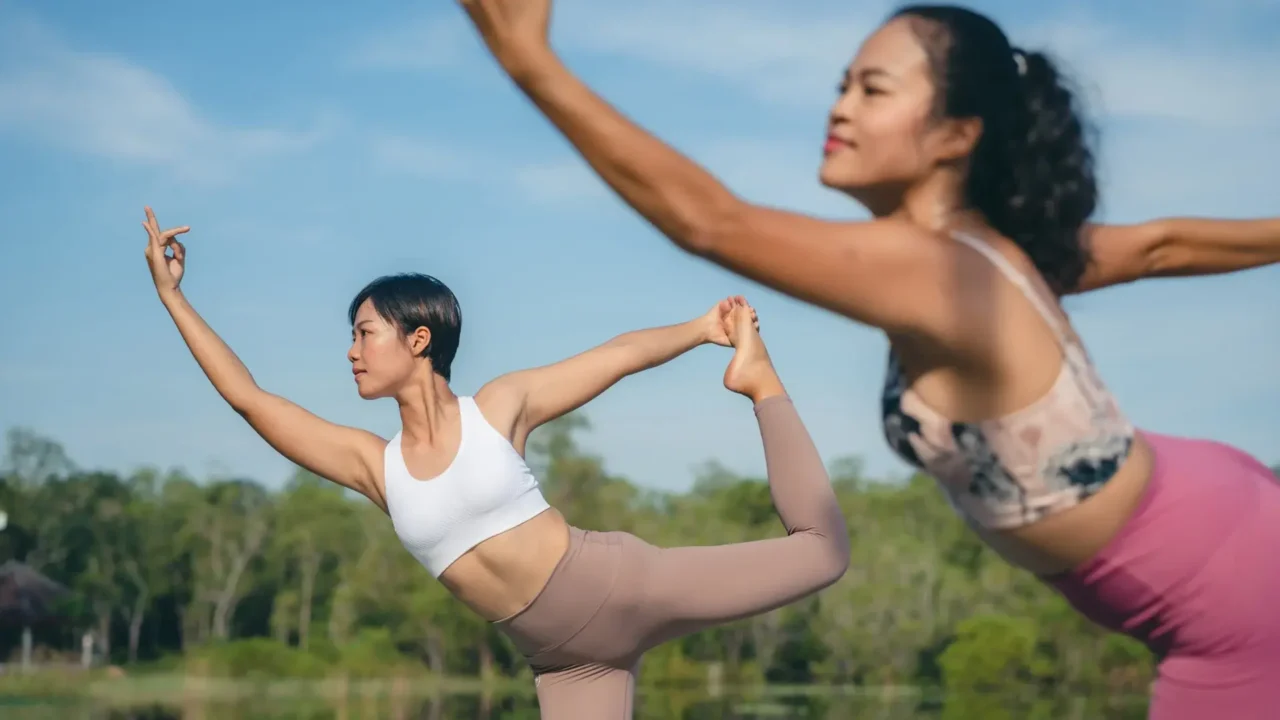
From the importance of mental health, emphasized by our Pinoy Big Brother: Celebrity Collab cover stars, to the accessibility of different fitness activities during the first-ever Allure Wellness Week, we learned that the breadth and scope of wellness is massive. It encapsulates everything physical, mental, and even emotional.
There’s a new lens, as well, through which we view it—and it’s one of inclusivity, which sees wellness as attainable, achievable, and relatable for everyone. However you define wellness, however you gauge your own personal well-being, those parameters count.
Kieran Punay
It’s also important to note that wellness, as we see it here in Allure Philippines, doesn’t remain on surface level. It goes deeper—deep into the many systems of our body that all contribute to how it works, deep into the annals of our thoughts and brainwaves and how they affect everything else, and deep into the intangibles—how we feel, even when we can’t explain or put it into words.
Wellness is holistic, and that fits right into our very timely realization that it’s this holistic form of wellness—one that is inclusive instead of alienating, and attainable instead of intimidating—that plays right into everyone’s daily lives.
Kieran Punay
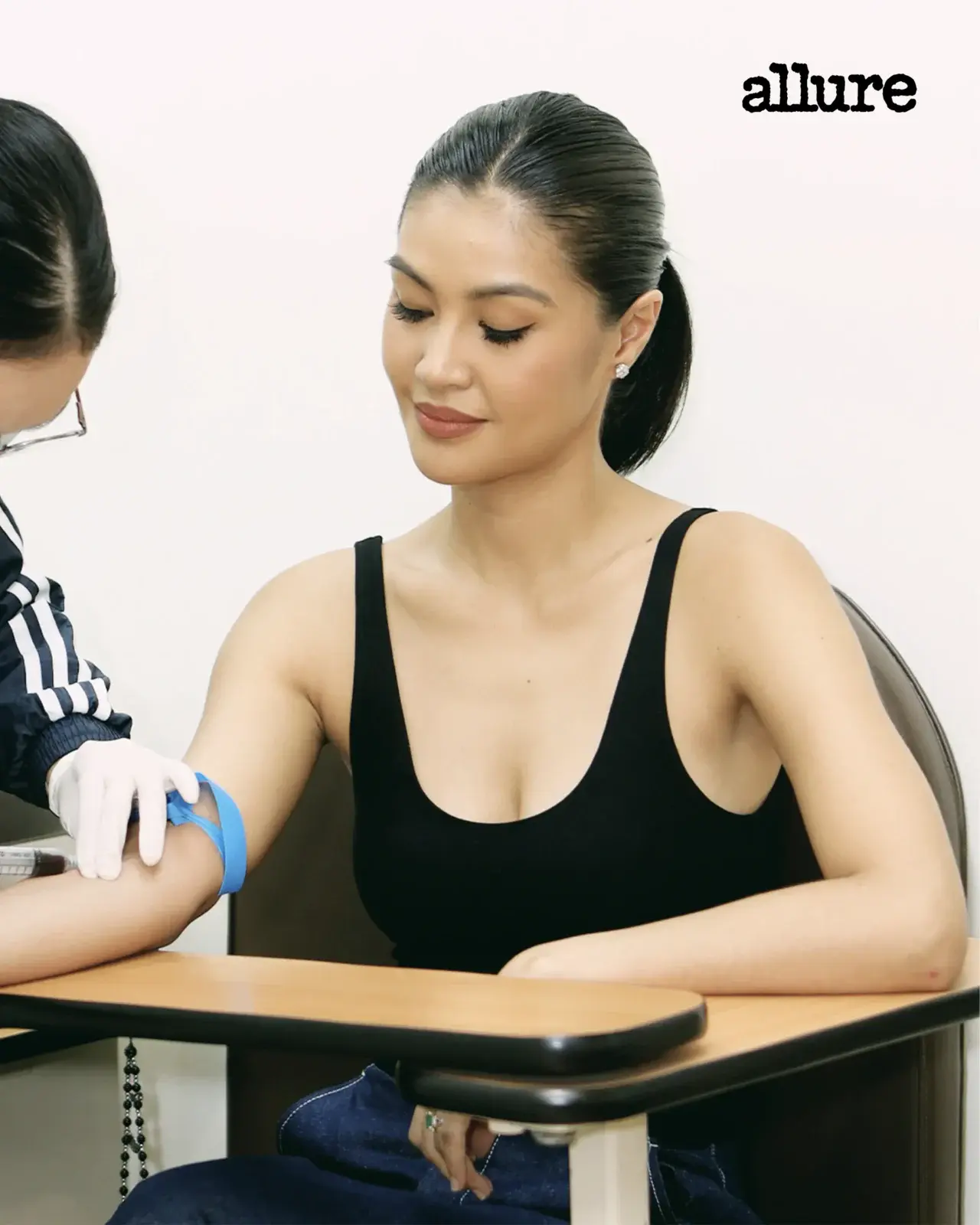
Preventive screenings serve a very important purpose.
From the stories of cancer warriors and survivors to conversations with medical experts, Allure Philippines learned that preventive health screenings, such as mammograms and cancer detection tests, save lives in more ways than one.
They can save the life of a patient in the very early stages of a disease, and they also figuratively save the lives of those close to the patient—those who depend on him or her for love, care, affection, and security.
Preventive screenings can come in several forms—from comprehensive special examinations such as a breast mammogram or ultrasound, or the SPOT-Mas test that screens for ten different kinds of cancer. They can also mean regular check-ups with your family physician or specialized doctor. These screenings also include regular check-ins with your dermatologist for any unusual skin, hair, or nail growth, with your dentist, and even with a mental health expert or licensed therapist who can help you process your thoughts and feelings, and keep you—every inch of you—in tip-top condition.
Excel Panlaque
Women’s health issues and concerns are real, not imagined.
For the longest time, women’s health concerns—including the pain that comes with menstruation, or various physical and mental symptoms that come with menopause, or even the physical, mental and emotional toll of postpartum depression—were not taken seriously. Women have been told, over the years, that these symptoms are “imagined,” or “all in your head,”—most of the time by men.
But today, with a new focus on the unique health and wellness issues that women face, science and research are finally catching up with what women everywhere have known for centuries—that there are very distinctive dilemmas and problems that women face at all stages of life, whether in adolescence, during our menstrual cycles, during the peak of our fertile years, during postpartum stages, during perimenopause, or during menopause. Whether it has to do with our fluctuating hormone levels, conditions specific to the female body such as PCOS, different kinds of pain deep within our systems, or special nutritional and fitness needs, it’s slowly becoming clearer and clearer: When it comes to wellness and health, women’s unique needs and concerns need to be addressed, because these “phantom” pains, concerns, problems, and issues are very, very real.
Sergey Filimonov/Stocksy
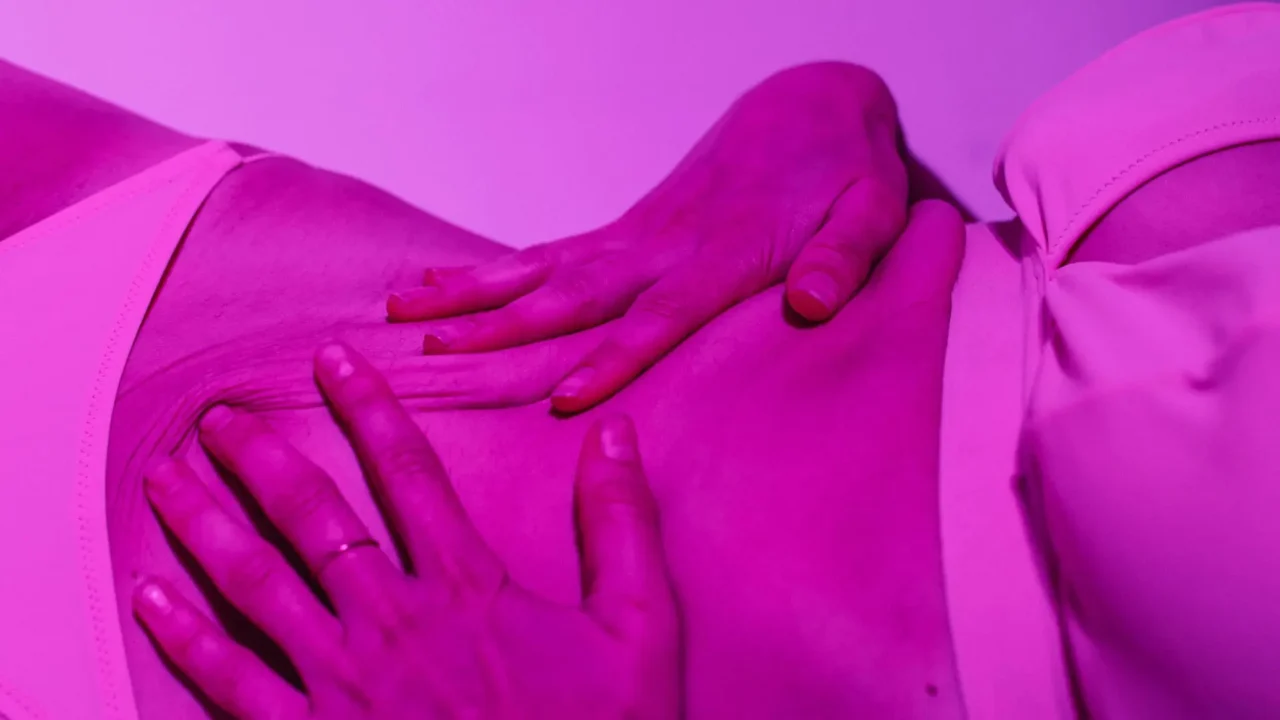
Your menstrual cycle is a touchstone of your female body, and it tells you so many different things about the state of your health, and about what your body needs at a specific moment.
One of the most frustrating parts of women’s health care is the fact that the menstrual cycle is, more often than not, reduced to an indicator of fertility: When your periods are regular, you won’t have trouble getting pregnant, but if they’re irregular, then you might have a hard time!
Does that, in fact, sound familiar? It’s frustrating because any woman will tell you that the menstrual cycle is more than just a round of monthly bleeding. Not only does it involve a multitude of body parts and processes, but a slight kink in the menstrual machine is usually a sign of a bigger problem.
An irregular period or severe, debilitating menstrual cramps aren’t just inconveniences—they’re potential displays of serious conditions such as PCOS or endometriosis, the likes of which involve hormonal systems, and irregular tissue growth even in organs unrelated to the reproductive system. Conditions like these can severely impact the quality of everyday life, and come with risks for other diseases, such as heart disease, diabetes, cancer, or mental health issues. If there’s something off with your menstrual cycle, it’s best to get checked by a doctor.
It’s also important to keep in mind that, at different points of your menstrual cycle, your body will need different things. It’s useful then to understand things like your energy levels, food cravings, fitness routines, and even your emotional state in terms of your menstrual cycle.
Envato Images
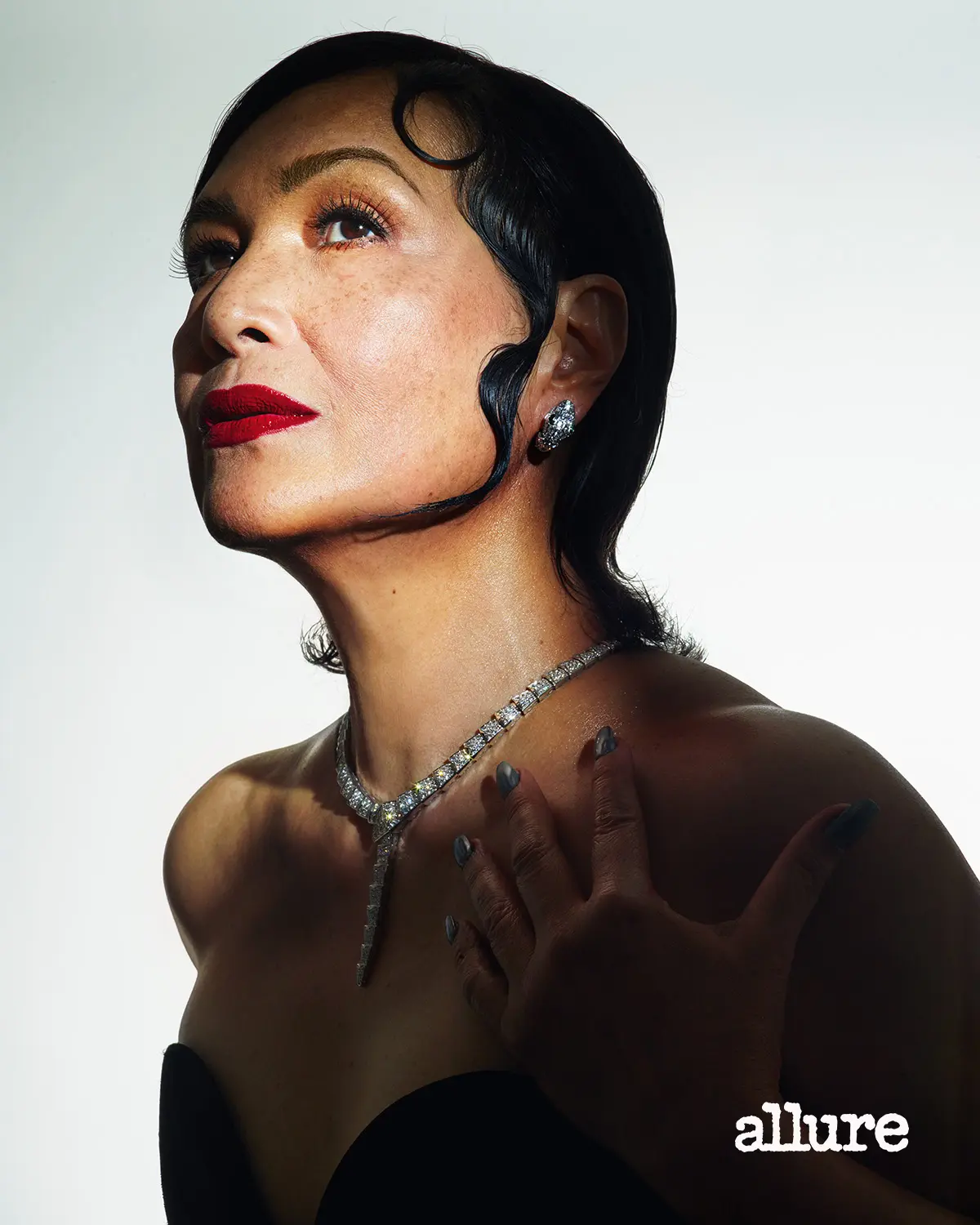
The conversation around aging is shifting. Getting older is no longer something to be feared, but rather, something to be celebrated.
Do you know what a “shelf life” is? Simply put, it’s the period of time that something retains its value—meaning it’s consumable, usable, or marketable. When it’s used in terms of food, you refer to the period of time it’s edible. When it’s used to refer to women…. Well, it usually means how long a woman is deemed useful according to society’s standards—whether in terms of looks, skills, or perceived purpose.
It used to be that a woman’s “shelf life” was directly correlated to her age. The younger she was, the more she had to offer and life was better. The older she got, the more her “use” fizzled out—whether in terms of beauty, child-bearing prowess, physical fitness, professional and career endeavors, and the list goes on. After a certain age, a woman usually retreated from the spotlight, fading quietly into the background of existence.
But today, beliefs and norms are changing. Women beyond a certain age are standing their ground—whether that be in terms of physicality and fitness, career goals and objectives, or general visibility in society.
Here at Allure Philippines, aging is not something we talk about with fear. Instead, we treat it with reverence. We’ve spoken to older women about their physical fitness, to more mature beauty icons about their current lives and beauty routines. We’ve discussed skin care, nail care, beauty trends, and wellness for women past a certain age. We have, as a matter of fact, banned the term anti-aging. For us here at Allure Philippines, getting older is something to be celebrated—and that means that we should discuss it, lay it out in the open, make it fun and enjoyable, and above all, rail against disappearing silently into the shadows.
Mark Nicdao
There are many ways that Filipino culture naturally supports wellness.
Whether it’s beauty and wellness rituals that have been passed on from your great-grandmother, or our very own local version of talk therapy (read: nakikipagkwento sa kapitbahay), we don’t have to cast our net too far in order to make space for wellness. Wellness is, in fact, quite ingrained in our Filipino culture.
Some examples of Filipino traditions that lean towards wellness are the traditional Filipino massage of hilot, the afternoon siesta, even the importance of a close-knit community of support in achieving physical fitness goals. Even our tradition of salo-salo and shared meals improves our mental and emotional health, and fosters ties and the sense of togetherness and community.
When it comes to carving out room for our well-being, it’s pleasantly surprising to realize that even our time-honored traditions that have been passed down from generation to generation have underscored the importance of wellness in our daily lives.
Kieran Punay
Sometimes, staying mentally healthy entails tuning everything and everyone out. But other times, it requires you to actively participate in society and current events.
In the seemingly never-ending quest to quiet our own brain and regulate our thoughts and emotions, we tend to try a lot of things. In many instances, we turn to methods that promise to calm us down, quiet the noise, and help us sort through the mental clutter—journaling, meditation, unplugging from a chronically connected world, or even just literally taking a leave, shutting down and getting some rest. Allure Philippines has consulted numerous experts on these—and other similar—coping techniques, and the doctors, therapists, and mental health practitioners all espouse their benefits.
But we’ve learned that there is also value in connection—not the digital kind, but real, solid, human connection. Sometimes, keeping your peace will require you to talk it out, either to an expert or to a trusted confidante. Sometimes, it will mean forging relationships, not just with friends and family, but even with our pets. It can also mean establishing a sense of control in a chaotic socio-political landscape by speaking up or exercising a right to vote. Or it can mean letting loose, in the company of others, with a great big laugh.
The state of our mental health is almost always in flux. There is no right or wrong way to deal with issues or problems. What we need to learn is when we need to withdraw to take a deep breath and regulate our nervous systems, and when we need to reach out, build those bridges, and create those lifelines.