
I Hated Working Out—Until I Tried Pilates for the First Time
It was harder (plus, a lot more fun) than I expected.
By Bianca Gozon


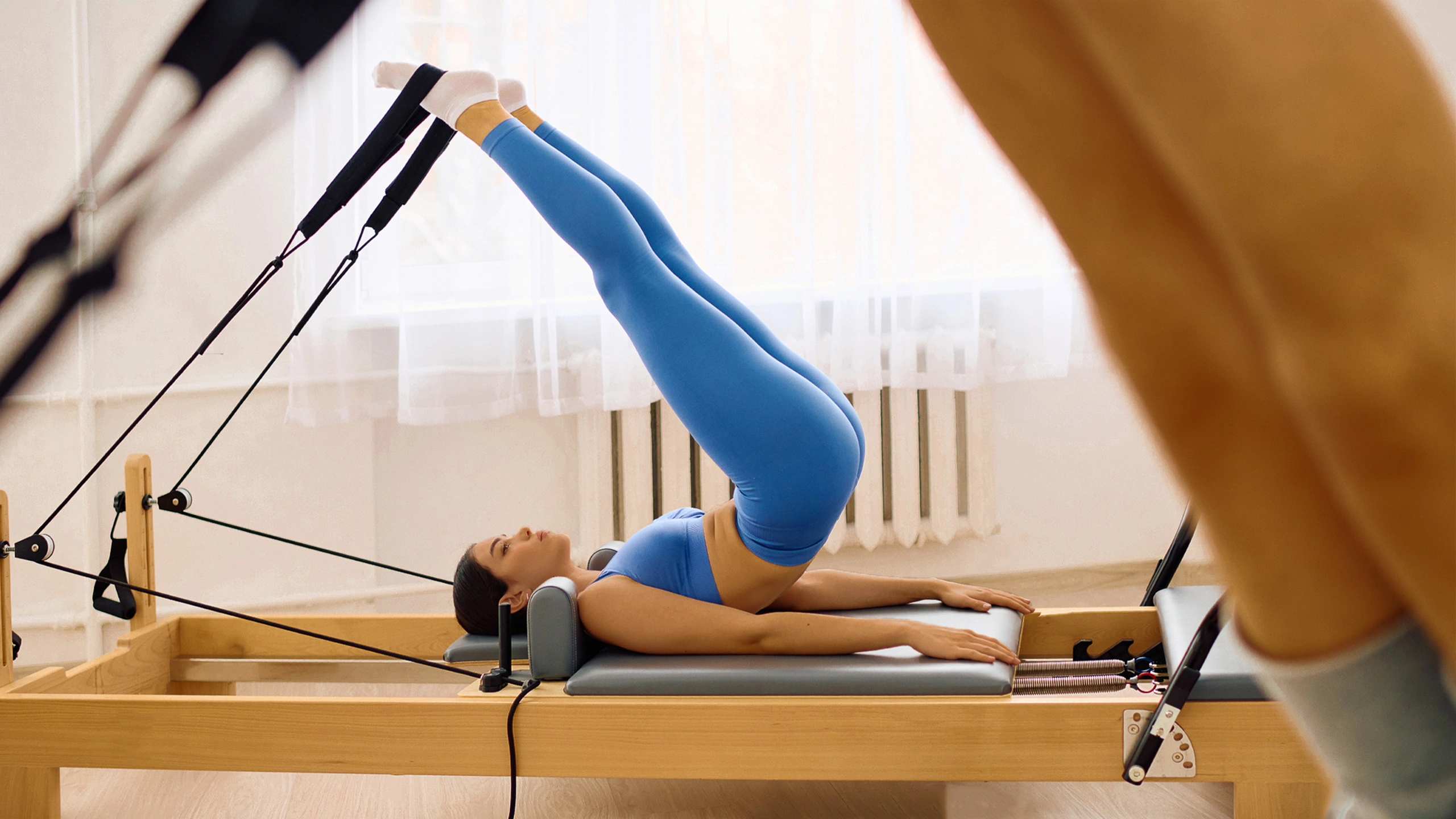
I used to hate working out.
Back then, I didn’t see the point. It always seemed like a punishment. And as someone who has atopic dermatitis, I was scared of experiencing more discomfort on my skin due to sweat and heat. Voluntarily wanting to be sweaty and sore? Hard pass.
As I turn 25 this year (hello quarter-life crisis), something in me shifted. I started thinking about my health more, so my future self would thank me one day. Lately, videos on Pilates have been constantly popping up on my TikTok feed. It looked intimidating, but a part of me wanted to try it out.
So I decided to try being a “Pilates princess” for the first time and learn how people on the internet make it seem so effortless.
What is Pilates anyway?
I’m not exactly the most athletic person you’ll ever meet. Instead of playing sports, I’d sit on the bleachers during intramurals back in high school (occasionally getting hit by a stray volleyball).
In all honesty, doing Pilates for the first time can feel like stepping into a gym full of unfamiliar equipment: you know it can help, but no one’s taught you how to use it or get the results you want. Surprisingly enough, I had fun and even wanted to keep going—though don’t get me wrong, it is definitely challenging.
Some people think Pilates is an easy workout because it only looks like it’s just stretching from afar. Despite it being low-impact and controlled, Instructor Danica “Nica” Florante, Certified Full Level 1 STOTT Instructor from TRU Pilates, shares how Pilates can also be difficult. “Once they experience a properly guided workout, their perspective shifts, [and] they now understand how much control, focus, and deep core strength it requires.”
A 2025 article from the Healthcare journal backs this up, too. The paper explains that Pilates focuses on posture, coordination, balance, and body awareness. It blends strength, flexibility, resistance, and breathwork—training both the body and the mind. Because it’s low to moderate in intensity and easy to learn, it can improve flexibility, balance, and muscular endurance. In other words, the approach may seem gentle, but it’s effective.
Of course, Pilates comes in many forms. There’s Classical Pilates, which follows the original sequence of exercises, and you also have Contemporary Pilates, a more modern evolution. It can also be done on a mat using just body weight, or with equipment like a foam roller, gym ball, bands, or a reformer—all designed to improve strength, core stability, flexibility, posture, and breathing.
Florante recommends STOTT Pilates, a contemporary method, for beginners because it emphasizes spinal alignment and anatomy-based movement, making it easier to learn proper form.
Common mistakes of a first-timer
Since I’m fairly new to the scene, I took a chance in joining a group class at a studio in Taft because I just wanted to have a feel if I’ll like Pilates or not (spoiler alert: I love it). But it dawned on me that it might not have been the best move, as the trainer won’t be able to be hands-on to teach you the basics and guide you through your first Pilates experience. It’s better to attend a one-on-one session initially so you can grasp the practice better.
Even with proper instructor guidance, mistakes happen, especially when you’re new. After my first group class, my neck and core were sore the next day—a sign my form wasn’t correct. The core soreness felt earned. But the neck pain? Not so much.
And that’s the thing about Pilates: it looks “easy” because it’s slow and controlled, but precision matters. When I asked Florante whether it’s normal for beginners to struggle with form, she reassured me that it absolutely is. “It’s completely normal if the form isn’t perfect at first,” she explains. “However, proper form is very important in Pilates to engage the right muscles and get the most benefit from each movement.” This is why it’s essential for basic principles, such as focusing on breathing, engaging the core, maintaining a neutral spine, and moving slowly with control, to be taught by instructors during a person’s first session. With consistent practice, people can refine their form safely and build confidence without feeling overwhelmed.
Cathee Roslovtsev, Director of Elan Ballet & Pilates and certified STOTT Pilates instructor, agrees and emphasizes, “Rushing through movements compromises form, diminishes muscle activation, and increases the risk of injury. Proper breathing while moving helps regain control and precision.”
Although soreness is normal for beginners, it’s important not to confuse discomfort with progress. Roslovtsev points out that pushing through sharp pain can cause injuries. “Stop when you feel pain, let your instructor know so they can modify the movements or add props for support.” Refocusing on proper breathing can also help relieve tension and stress.
What you should expect
When I had my first one-on-one Pilates session at Tru Pilates, instructor Florante helped me understand the basics and how to engage my core properly. At one point, she even pointed out that I was activating it unintentionally when I laughed. That moment clicked for me. Pilates wasn’t just about copying movements; it was about understanding how my body works.
That makes sense, considering Pilates is often described as a somatic, mind-body practice. A 2023 study highlights how it emphasizes mindfulness, posture, and movement quality—improving not just strength and flexibility, but also body awareness and even emotional regulation.
Roslovtsev shares that preparation starts even before you step into the studio. She recommends reading up on what Pilates is all about and choosing a studio that follows the principles established by Joseph Pilates, led by certified and experienced instructors. Making sure your trainers are properly certified is very essential not only for safety, but also for your peace of mind. Knowing you’re in good hands helps build confidence. Don’t hesitate to ask instructors about their certifications and training background—a reputable studio will always be transparent about their qualifications.
But once class begins, expectations need to be realistic. “One must not overexpect that all will be smooth-sailing on the first day,” Roslovtsev explains, as everything will feel new. Your mind may understand the instruction, but your body might respond differently—and that’s okay. “Beginners should expect to learn the basic principles first, move at their own pace, and communicate openly with their instructor about any discomfort.”
A lot of core work and proper breathing should also be expected (and maybe even a giggle when your body doesn’t quite cooperate yet). Most of all, you’ll likely learn something new about how your body moves—and how to move it with intention.
The benefits of Pilates
Pilates isn’t just a workout for the core; it also helps strengthen both body and mind. According to journal articles from 2023 and 2025, the practice improves muscle elasticity, engages multiple muscle groups, enhances concentration, corrects posture, and promotes better breathing, while also offering an effective way to relax.
It can also have a positive impact on mental health, as it can lower stress, reduce anxiety and depression, and improve mood in a variety of individuals. Beyond psychological effects, regular practice also improves overall quality of life and body awareness.
“Combining proper breathing with mindful movements helps relieve anxiety and reduce stress,” Roslovtsev highlights how Pilates significantly affects our emotions and mental health. “It improves focus, mental clarity, and mood through endorphin release, boosting self-esteem.” It also promotes emotional balance, helping you handle challenges with confidence.
Finally becoming a Pilates princess
I never liked exercising back then, but maybe that’s because I hadn’t found the right fit for me. I didn’t realize you could actually work out and have fun at the same time, as I do with Pilates. I’m amazed at how I could do certain movements that I never thought were possible as someone who isn’t sporty at all. Recently, I’ve been more enticed to workout at home to also engage the muscles that were awakened by the practice (I’m shocked that I’m starting to get toned now).
Pilates may look effortless, but trust me, it is anything but that! As I often hear from my instructors, “If it’s easy, it’s not Pilates.” I’m not as graceful as the people I see on TikTok just yet, but I’m slowly getting there, one controlled movement at a time.
Now, I actually look forward to my weekend Pilates sessions—gliding across the reformer, feeling stronger, calmer, while wearing my matching pink workout set like a true Pilates princess.
Frequently Asked Questions
Yes. Pilates is considered low to moderate in intensity and is designed to be accessible regardless of fitness level. STOTT-certified instructors recommend starting with a one-on-one session to learn core engagement, breathing, and neutral spine positioning before joining group classes. Beginners should expect imperfect form initially — precision develops with consistent, guided practice.
STOTT Pilates, a contemporary method, is recommended for beginners because it emphasizes spinal alignment and anatomy-based movement principles. It provides a structured foundation for learning proper form and is taught at certified studios including TRU Pilates and Elan Ballet & Pilates. Instructors certified under recognized STOTT programs prioritize safety and correct muscle activation from the first session.
The most common mistake is joining a group class before learning the fundamentals, which limits instructor feedback on form. Rushing through movements — rather than moving slowly and with control — reduces muscle activation and increases injury risk. Holding the breath, neglecting core engagement, and failing to maintain a neutral spine are also frequently observed errors in beginners.
Clinical research published in 2023 and 2025 indicates that Pilates improves muscle elasticity, posture, core strength, coordination, and body awareness. It also has documented mental health benefits — reducing anxiety, lowering stress, improving mood through endorphin release, and supporting emotional regulation. The practice is described in research as a somatic, mind-body discipline that trains focus and movement quality alongside physical fitness.
Pilates is a low-impact, controlled exercise method that generates less intense perspiration than high-intensity workouts, which may make it more manageable for individuals with sweat-sensitive skin conditions such as atopic dermatitis. As with any exercise, it is advisable to cleanse the skin promptly after sessions and consult a board-certified dermatologist about managing sweat-triggered flare-ups specific to your skin type.
Bianca Gozon
is the editorial associate of Allure Philippines.
Latest Stories


You might also like

To provide a customized ad experience, we need to know if you are of legal age in your region.
By making a selection, you agree to our Terms & Conditions.