
Here’s What Dermatologists Want You To Know About Sensitive Skin
Allure Philippines asks dermatologists: what does “sensitive skin” actually mean?
By Liam Sanchez


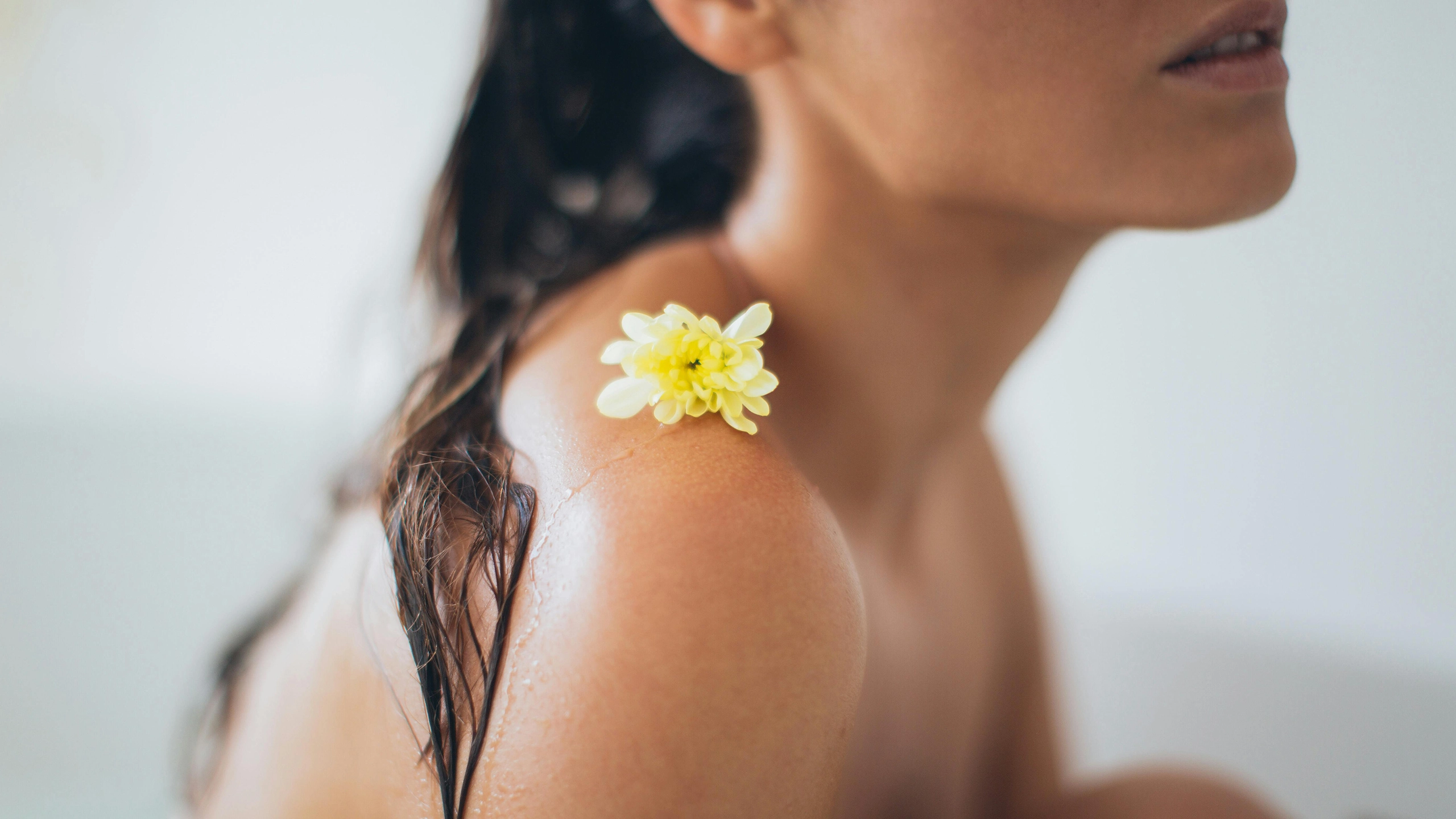
It starts as an itch, a patch of redness, and then discomfort—subtle at first, until even a gentle cleanser feels irritating, or a simple change in weather becomes unbearable. These sensations are commonly described by people who believe they have sensitive skin. But who actually has it?
In today’s skin care culture, where ‘skin sensitivity’ has become a common label, it can be confusing to determine whether skin is really sensitive. To better understand what sensitive skinSensitive SkinSkin that reacts easily to products, weather, or stress with redness, stinging, itching, or tightness. Fragrance-free formulas, a short routine, and soothing ingredients like panthenol and centella asiatica help, andGo to Sensitive Skin Glossary really is—and who genuinely has it—Allure Philippines consulted board-certified dermatologists on what this condition means and how we should care for it.
Who really has sensitive skin?
“A person will know if they have sensitive skinSensitive SkinSkin that reacts easily to products, weather, or stress with redness, stinging, itching, or tightness. Fragrance-free formulas, a short routine, and soothing ingredients like panthenol and centella asiatica help, andGo to Sensitive Skin Glossary when they easily develop any skin reaction to whatever substance,” says board-certified dermatologist Lia Nebrida-Idea, MD, FPDS., head of St. Luke’s Medical Center – Global City’s Department of Dermatology from a previous Allure Philippines interview. She explains that sensitive skin is more prone to irritations and allergic reactions from various external or internal factors.
For Tennessee-based board-certified dermatologist Purvisha Patel, MD, sensitive skinSensitive SkinSkin that reacts easily to products, weather, or stress with redness, stinging, itching, or tightness. Fragrance-free formulas, a short routine, and soothing ingredients like panthenol and centella asiatica help, andGo to Sensitive Skin Glossary is not strictly a medical diagnosis but more of a finding or complaint. Because of this, she notes, it can sometimes be difficult to identify, generally describing it as skin that cannot tolerate harsh conditions, chemicals, environments, or even certain dietary factors.
Sometimes, skin care products are the trigger
Sensitive skinSensitive SkinSkin that reacts easily to products, weather, or stress with redness, stinging, itching, or tightness. Fragrance-free formulas, a short routine, and soothing ingredients like panthenol and centella asiatica help, andGo to Sensitive Skin Glossary can also be triggered—or worsened—by skincare products themselves. Fragrances, dyes, soaps, detergents, preservatives, and other harsh ingredients are common irritants that may lead to itching, dryness, and redness.
There is also a persistent misconception that irritation or stinging is a sign that a product is “working,” when in reality, discomfort often signals the opposite: that the skin is being stressed rather than supported. The routine becomes a source of irritation instead when multiple active ingredients are layered without understanding how they interact with the skin barrier.
Be mindful of skin care ingredients
Given its complexity, managing sensitive skin requires a careful and consistent approach. Dr. Patel emphasizes strengthening and protecting the skin barrier. Gentle, hypoallergenic formulations are generally recommended. Ingredients like glycerin and hyaluronic acid help draw in moisture, while ceramides and fatty acids support and rebuild the skin’s natural lipid barrier.
At the same time, the Philippine Dermatological Society advises avoiding allergenic ingredients such as parabens. Also, it is important to be aware of common irritants that can worsen sensitivity, including sulfates, strong exfoliating acids like glycolic or salicylic acid, high-strength retinoids, alcohol-based products, and overly complex formulations. Even cleansing habits matter—over-washing, scrubbing, or using harsh soaps can strip protective oils and further weaken the skin barrier.
Sensitivity can reveal underlying conditions
In some cases, sensitivity develops over time. As New York-based board-certified dermatologist Anthony Rossi, MD, notes, repeated exposure to irritants or allergens—such as new skincare products, environmental shifts—can gradually induce sensitivity, even in skin that was previously considered normal. This means that sensitive skin is not always something people are born with; it can also emerge as a response to cumulative stress on the skin.
Heightened skin sensitivity may also signal underlying conditions such as eczemaEczemaA chronic inflammatory skin condition, also called atopic dermatitis, that causes dry, itchy, red, and sometimes cracked patches. Triggers include heat, sweat, stress, and harsh products. Gentle cleansers, thick moisturizers,Go to Eczema Glossary, rosacea, or allergic contact dermatitis, the experts add. What may appear as “sensitive skin” could sometimes reflect an undiagnosed skin condition that requires targeted treatment rather than simple routine skin care adjustments. Because of this overlap, dermatologists emphasize the importance of proper evaluation.
Lifestyle matters, too
Lifestyle factors can also play a significant role in how the skin behaves. Changes in diet, increased stress, lack of sleep, and hormonal fluctuations can all influence skin reactivity. Even shifts in environment or daily habits may contribute to increased sensitivity. According to Dr. Nebrida-Idea, the skin often reflects what is happening internally, meaning that sensitive skinSensitive SkinSkin that reacts easily to products, weather, or stress with redness, stinging, itching, or tightness. Fragrance-free formulas, a short routine, and soothing ingredients like panthenol and centella asiatica help, andGo to Sensitive Skin Glossary can sometimes be a sign of broader changes in the body or routine.
Skincare should be personalized
Sensitive skinSensitive SkinSkin that reacts easily to products, weather, or stress with redness, stinging, itching, or tightness. Fragrance-free formulas, a short routine, and soothing ingredients like panthenol and centella asiatica help, andGo to Sensitive Skin Glossary is highly individual, with varying triggers, symptoms, and severity. What irritates one person may be completely tolerable for another, which is why dermatologists emphasize personalization in skin care. Introducing products one at a time, patch testing, and consulting a board-certified dermatologist can help identify triggers, and rule out underlying conditions.
In the end, understanding sensitive skinSensitive SkinSkin that reacts easily to products, weather, or stress with redness, stinging, itching, or tightness. Fragrance-free formulas, a short routine, and soothing ingredients like panthenol and centella asiatica help, andGo to Sensitive Skin Glossary is about recognizing how the skin communicates distress. It begins with noticing how our skin reacts and taking those signals seriously. More importantly, it means moving beyond using “sensitive skin” as a catch-all label, and instead understanding what it actually reflects—whether it’s a weakened skin barrier, a reaction to specific triggers, or an underlying skin condition that needs further medical attention.
Frequently Asked Questions
Sensitive skin is not a formal medical diagnosis but a clinical finding or complaint — skin that cannot tolerate harsh conditions, chemicals, environments, or certain dietary factors. Board-certified dermatologists describe it as skin prone to irritations and allergic reactions from external or internal triggers, with severity and symptoms varying significantly between individuals.
The Philippine Dermatological Society advises avoiding parabens, sulfates, strong exfoliating acids (glycolic and salicylic acid), high-strength retinoids, alcohol-based products, and overly complex formulations. Fragrances, dyes, soaps, detergents, and certain preservatives are also common irritants. Over-washing and harsh physical scrubbing can further weaken the skin barrier.
Dermatologists recommend gentle, hypoallergenic formulations. Glycerin and hyaluronic acid help draw moisture into the skin, while ceramides and fatty acids support and rebuild the skin’s natural lipid barrier — the protective layer that prevents irritants from penetrating and moisture from escaping. Strengthening the skin barrier is the foundational strategy for managing sensitive skin.
Sensitive skin is not always innate. Repeated exposure to irritants, allergens, new skincare products, or environmental shifts can gradually induce sensitivity even in previously normal skin. Lifestyle factors including stress, diet changes, hormonal fluctuations, and lack of sleep can also increase skin reactivity over time.
Heightened skin sensitivity can signal underlying conditions including eczema, rosacea, or allergic contact dermatitis — conditions that may present as ordinary dryness or irritation but require targeted medical treatment rather than routine skincare adjustments. Dermatologists recommend proper evaluation when sensitivity is persistent, worsening, or not responding to gentle skincare, to rule out an undiagnosed skin condition.
Liam Sanchez
Liam Sanchez is a registered medical technologist and Wellness Writer at Allure Philippines. Combining training in laboratory medicine with experience in science journalism, he specializes in evidence-based reporting on wellness, nutrition, longevity, and beauty trends. A Cum Laude graduate of the University of Santo Tomas, he previously served as Science and Technology Editor of The Varsitarian. At Allure Philippines, he translates complex health and beauty science into accessible, reader-first stories that help consumers make more informed decisions about their well-being.
Latest Stories


You might also like


To provide a customized ad experience, we need to know if you are of legal age in your region.
By making a selection, you agree to our Terms & Conditions.