

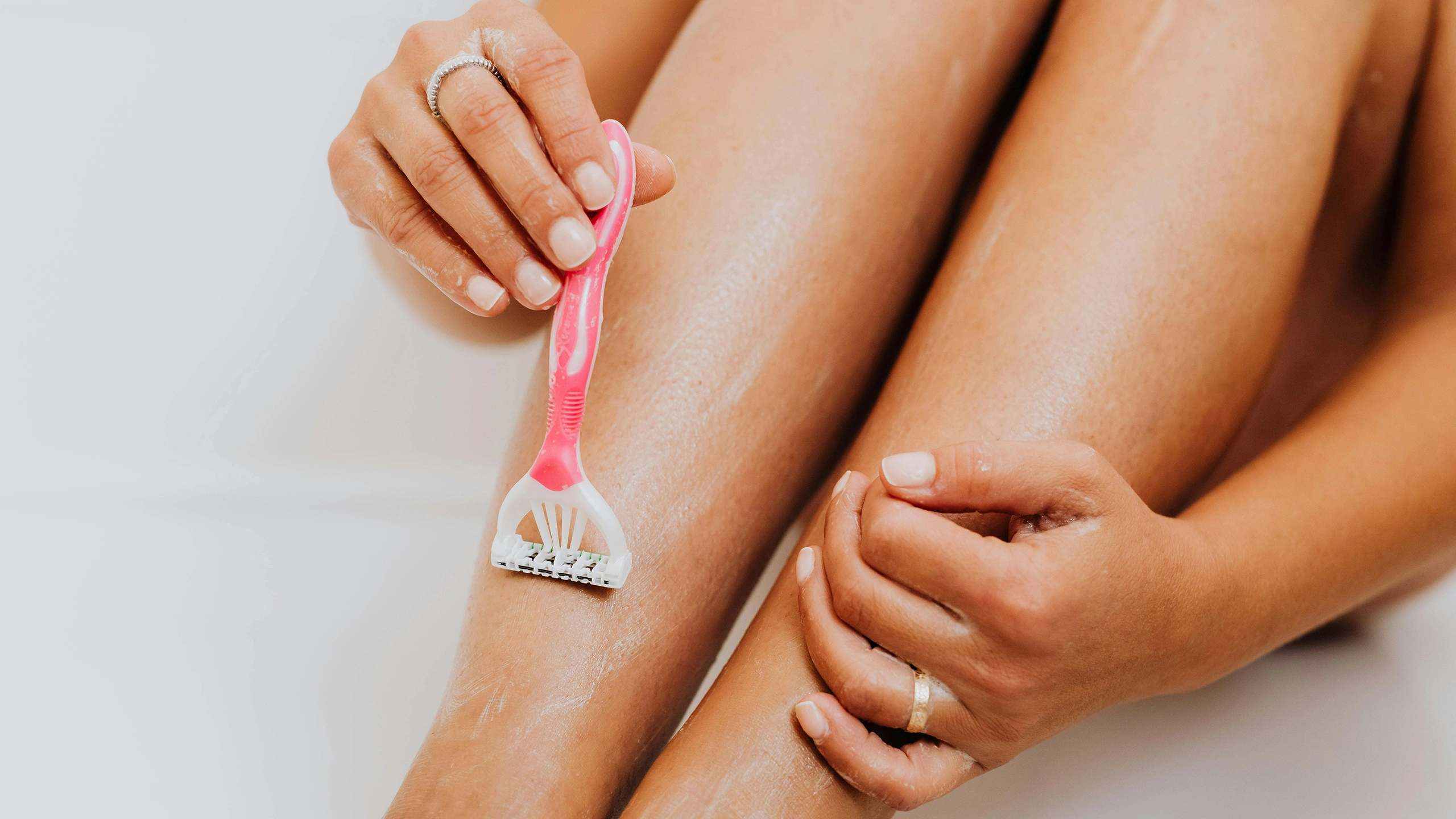
Shaving has its perks—exfoliation and smooth skin, to name just a couple — but there’s no denying that it can be one of the most tedious parts of a shower routine. As we continue to social distance and stay home, it’s totally understandable to want to skip what might have been one of your near-daily steps. So what do you have to keep in mind when letting your leg, underarm, bikini, or facial hair grow free? Honestly, not much.
Experts agree that, for the most part, you don’t have to put much additional effort into taking care of your skin once you stop shaving. In fact, you might notice some added skin benefits. Here are a few things to consider when you put down the razor for a while.
Hair won’t grow back thicker or thinner.
If you’re afraid that no longer shaving means that hair will grow at a faster rate or it will come back a different texture than before, don’t be. That’s a myth, and there are absolutely no changes to hair when you take a break from your razor. “Shaving will have no impact on the thickness, color, or rate of growth of body hair,” says Alyx Rosen Aigen, a board-certified dermatologist and associate professor at the University of Miami Miller School of Medicine. “So, if you were to stop shaving all of a sudden, there would be no changes in the consistency of the hair.”
Thickness of hair, in general, determines how you moisturize.
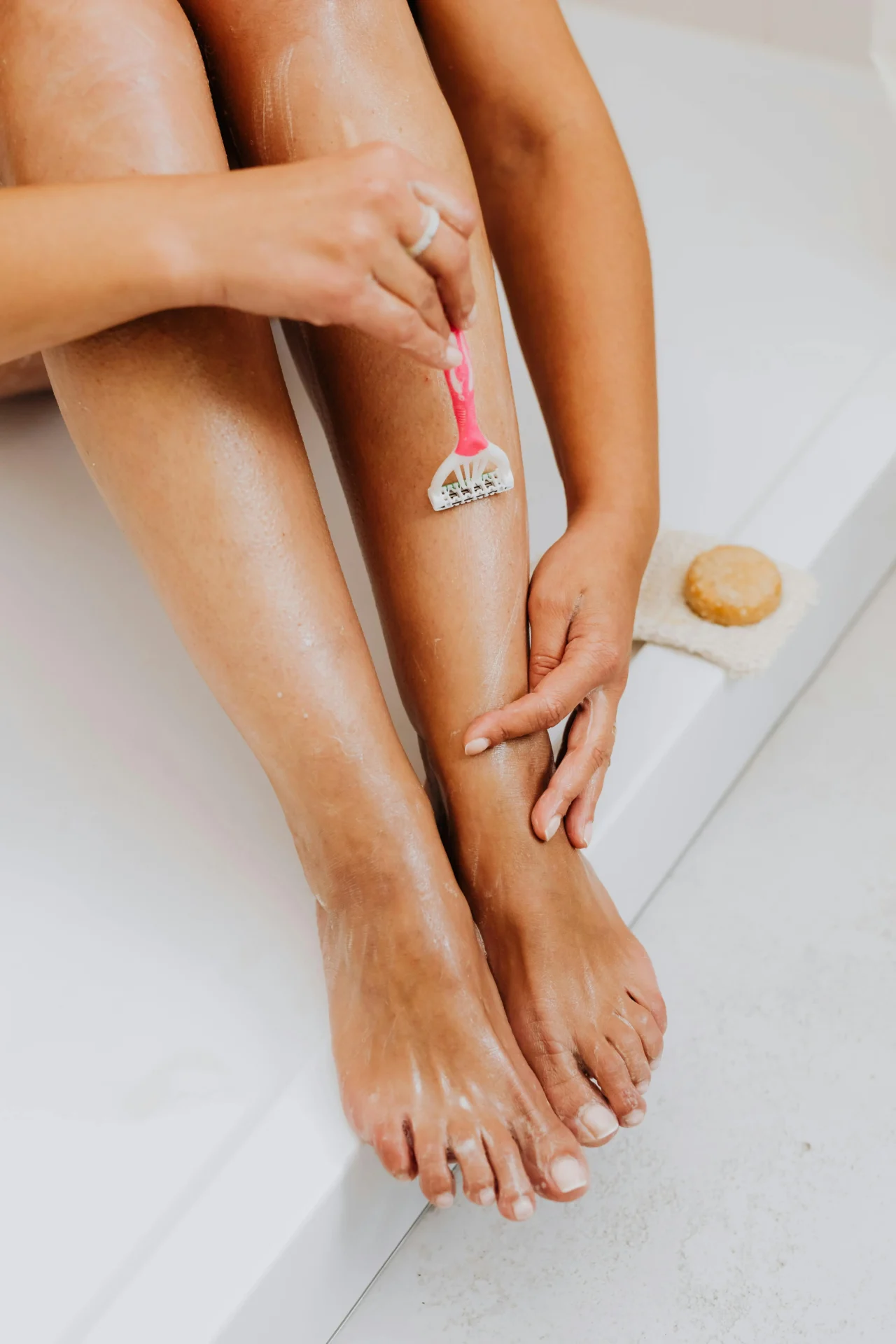
Envato Images
While the thickness of your hair doesn’t change when you stop shaving, it does dictate what type of moisturizer you should use. Aigen says that, in general, you’ll want to avoid thick ointments or heavy creams as hair acts as a barrier, so it will prevent topical moisturizers from hydrating the skin. Because of that, she says to stick to products with thinner consistencies or something that is oil-based.
If you have thin hair, she says using a thin cream or lotion works fine like the CeraVe Daily Moisturizing Lotion for Normal to Dry Skin. For those with thicker or curlier hair, she recommends a moisturizing body oil like. And if you’re acne-prone, she says it’s really important to avoid anything too heavy (especially on your shoulders and back). On top of looking for something light, she says to look for body oils with tea tree or jojoba oil.
New York City-based board-certified dermatologist Rachel Nazarian also recommends choosing a moisturizer that has exfoliating properties that will help you get the same smooth skin you may get when you shave.
She says to also look for products with hyaluronic acid and ceramides to keep moisture locked in. We like Neutrogena’s Hydro Boost Body Gel Cream or the Eucerin Roughness Relief Lotion.
Remember to exfoliate more.
Shaving exfoliates by removing the dead cells every time the razor glides across the surface of the skin. Nazarian says that if you stop shaving, you will accumulate a layer of skin at the top of the epidermis, making it a little tougher for products like moisturizers to penetrate and be effective. She recommends moisturizing more often and applying product immediately after a shower or bath while the skin is still moist and able to absorb faster.
You might experience fewer body breakouts.
Experts seem to agree that your skin will benefit from not having a razor glide across it regularly. “Generally, when patients stop shaving on areas that are normally shaven…the skin experiences significantly less irritation,” says Yagerman. “Causes of razor irritation include allergic contact dermatitis due to topical shaving creams and gels. Additionally, shaving in these areas can cause ingrown hairs, which result in more acneiform lesions [like] breakouts.”
Nazarian explains that dragging a blade across your skin can cause microscopic cracks in the skin tissue, which can increase the likelihood of the aforementioned risks. While shaving does not affect oil-gland output, she says it can lead to acne-like bumps, so no longer using a razor will prevent those.
Aigen adds that those with darker skin who commonly have thicker and curlier hair are more prone to experiencing shaving bumps because of increased inflammation. She says one of the best ways to prevent bumps is to avoid close shaves. She also says that those who are prone to irritations like redness, ingrown hairs, or infections after shaving will benefit from abstaining and may experience a smoother and less sensitive fit to tight clothing.
Hair growth has nothing to do with body odor.
Shaving your underarms or letting that hair growth has no impact on whether you smell or not. Aigen explains that sweat is released from sweat glands regardless of if there is hair there or not, and is odorless until it comes into contact with bacteria. That naturally occurring bacteria found on the skin breaks down protein in the sweat and causes body odor.
In fact, Nazarian says that keeping hair in your underarms can have benefits, including a decrease in irritation from skin chafing. She also notes that your regular body soap doesn’t have to change if you choose to not shave that area anymore — just remember to always keep your underarms clean.
As for using deodorants and antiperspirants, she says having hair in the underarm area doesn’t make your skin any less or more respondent to them. The hair just acts as a physical blocker, and those who have a lot of hair may find it difficult to apply any product to their skin, which is needed in the first place to work. “Hair just gets in the way,” she says.
For that reason, she suggests considering a gel or roll-on formulas over aerosol versions because sprays might have difficulty targeting the skin under the hair. For antiperspirants, she says it’s best to apply at night to dry skin because we are less likely to perspire at night, giving the aluminum chloride to form a plug-in those sweat glands.
In the end, the most important thing to remember is to continue cleansing and moisturizing. “The skin still requires the same ingredients to be healthy and hydrated,” Nazarian says, “whether you shave or not.”
Originally published in Allure US.
Frequently Asked Questions
No — hair texture, color, and growth rate are not affected by shaving. This is a widely repeated myth with no dermatological basis. The appearance of stubbly regrowth can feel coarser, but the hair itself is biologically unchanged, according to board-certified dermatologists.
Yes, in two key ways. First, exfoliate more frequently — shaving removes dead skin cells as a byproduct, so without it, surface buildup accumulates faster. Second, switch to lighter moisturizers or body oils, as hair acts as a barrier that prevents heavy creams from absorbing properly.
Yes. Shaving creates microscopic tears in the skin and can cause inflammation, ingrown hairs, and acne-like bumps — particularly for those with darker skin tones and curlier hair. Dermatologists note that abstaining from shaving significantly reduces these forms of irritation over time.
No. Sweat is produced by sweat glands regardless of hair presence and is odorless until it contacts skin bacteria. Underarm hair does not increase perspiration or body odor, though it can act as a physical barrier that makes applying deodorant directly to skin more difficult.
Dermatologists recommend gel or roll-on formulations over aerosol sprays, as sprays may not penetrate through hair to reach the skin. For antiperspirants, nighttime application to dry skin is advised — aluminum chloride is more effective when perspiration rates are lower.