How Lala Flores Went From Model to Makeup Legend After a Fashion Show
From a serendipitous backstage moment to a decades-long career, veteran makeup artist Lala Flores gets honest about the realities of being a makeup artist.


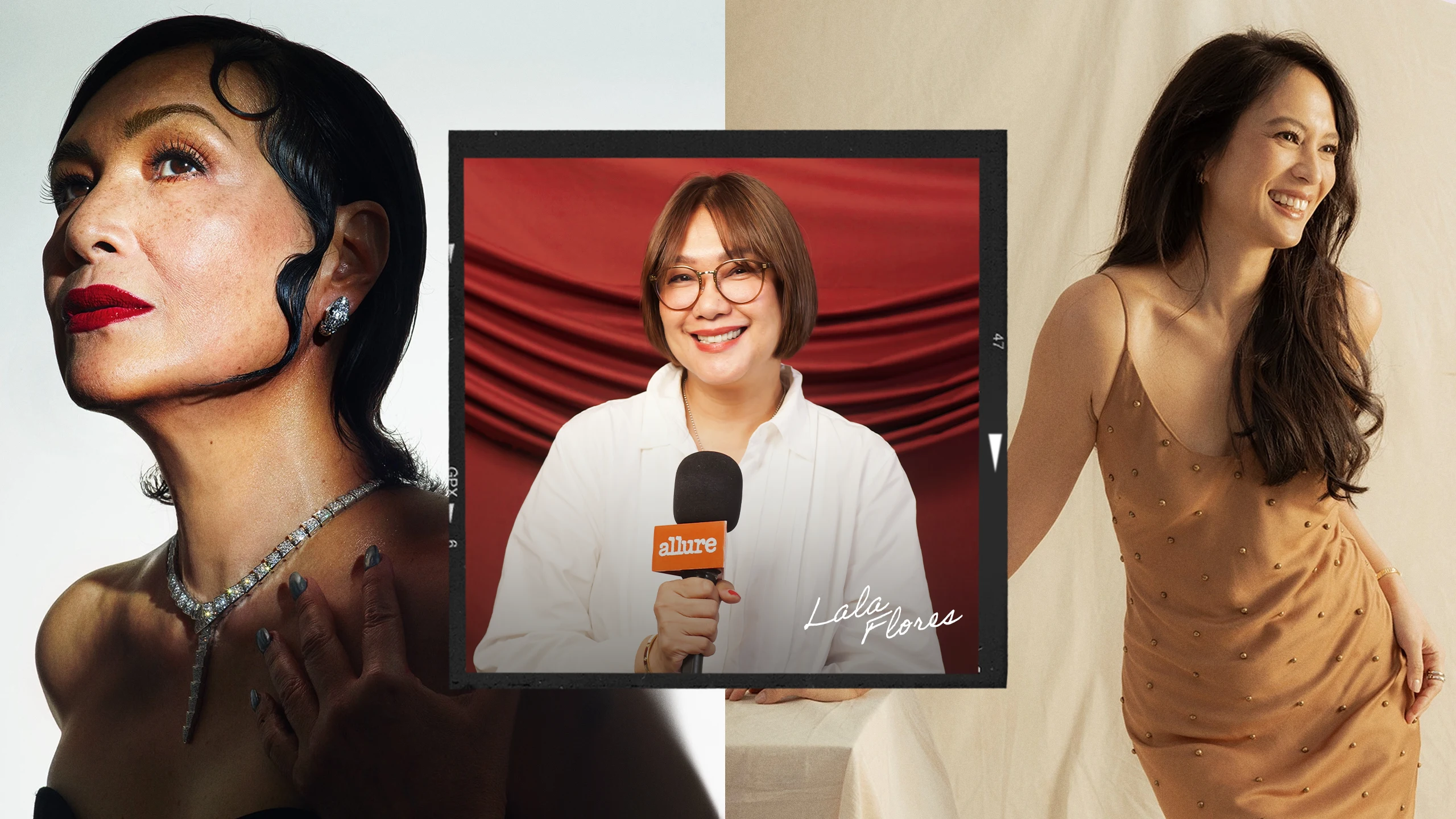
When Lala Flores was a newcomer in the industry, she was the subject in front of the camera.
In the ‘90s, the seasoned makeup artist who’s built a reputation for her precision and range in creating looks (like this Allure Philippines editorial with supermodel Tina Maristela Ocampo) worked as a model, booking shows and shoots in the Philippines and abroad. “Even before I started doing makeup, I was exposed to a lot of designers, a lot of makeup artists, a lot of hairstylists,” Flores says.
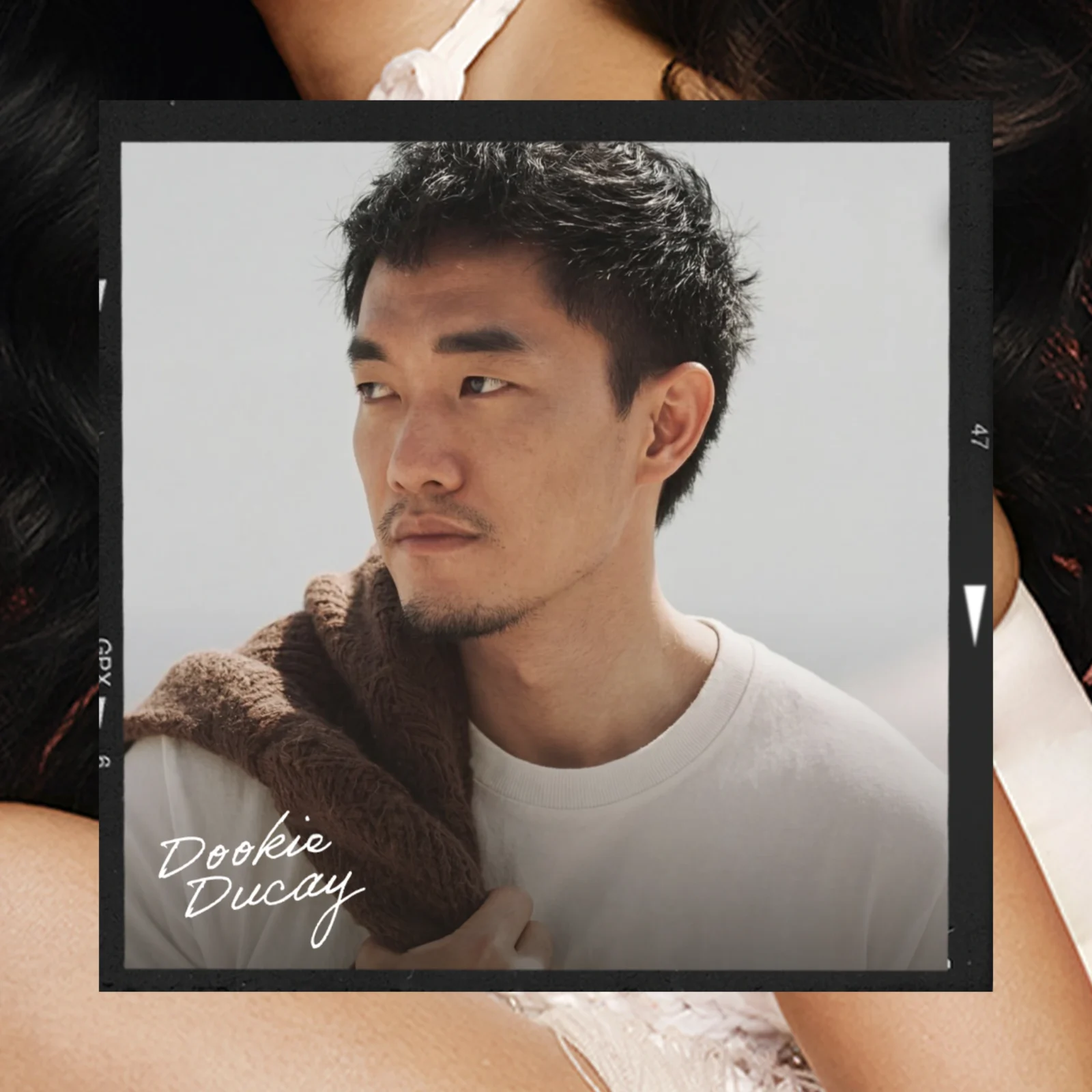
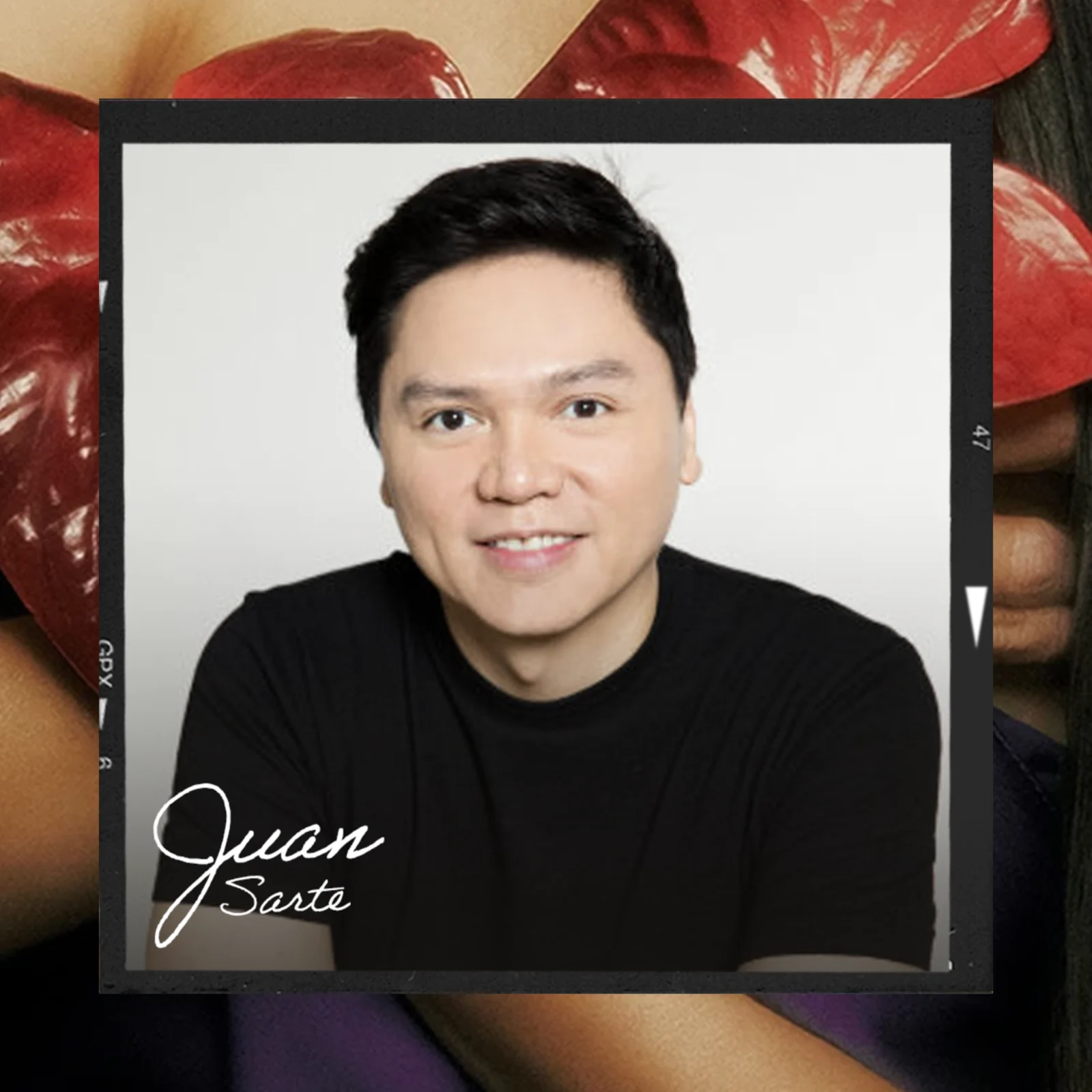
By 1999, Flores already had four children and was considering a career change. The person who encouraged her to try something new? Celebrity hairstylistHairstylistA beauty professional who specializes in cutting, coloring, styling, and caring for hair, combining technical expertise and creativity to enhance individual style, confidence, and self-expression.Go to Hairstylist Glossary Jing Monis, who was then part of a beauty and fashion collective called Propaganda, together with industry greats Juan Sarte, Ting Duque, Jay Lozada, and Marlon Rivera.
“One time, sabi ni Jing, ‘There’s a fashion show. La, come help, we have so many models,’” she recalls. “I thought I was going to do hair. I actually started with hair, I studied cutting, hair design, creative highlights. And then Jing said to me, ‘Oh, do all my models. Do their makeup.’”
“I was like, ‘Are you serious?’ There were like 11, 12, or 13 of them. I remember my first models were Phoemela Baranda and Joey Mead, [who were] my juniors in modeling. I [was] their senior, and then I was doing their makeup,” Flores says. “So I guess I was launched as a makeup artist without really meaning to. It was a baptism of fire. But the people from [the] fashion industry, they saw my talent.”
That fashion show was fate for Flores. “That was how it started for me. It was unintentional, but I think [makeup artistry] has always been a calling,” she says. “And 27 years later, I’m still here.”
In this Allure Philippines exclusive, the makeup artist draws on decades of experience, candidly sharing how she overcame challenges as an industry newcomer and her advice for aspiring makeup artists today.
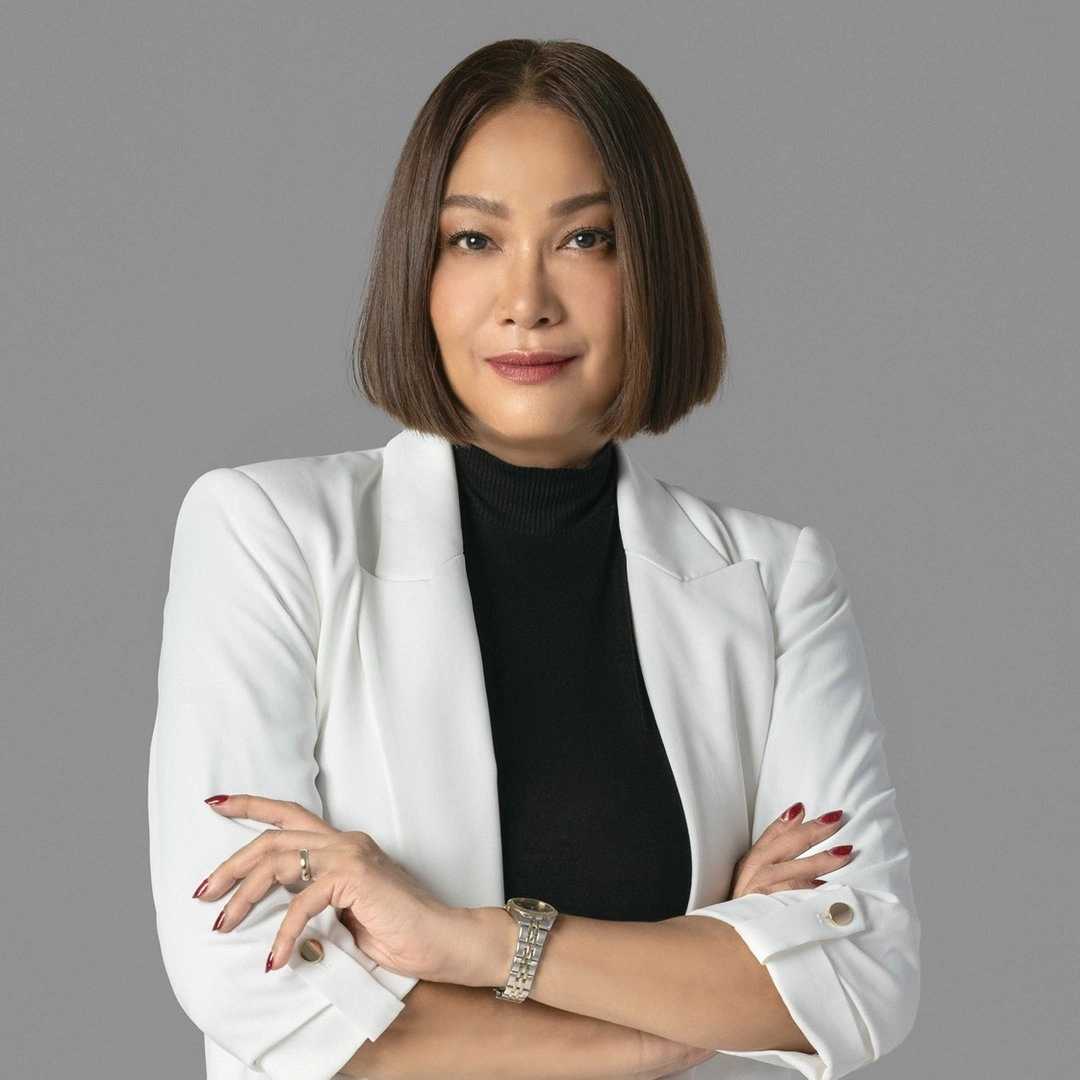
Lala Flores / IG: @lalaflores16
What was it like as a makeup artist when you were starting out?
It was so expensive back then to build a kit. You had to fly, let’s say, to America. The closest was Hong Kong and Singapore to get your brushes.
There was no internet. So you really had to get an education, and you had to travel abroad to get your education. Back then, it was very expensive to be a makeup artist. At that time, parang you needed PHP 300,000 to start a kit.
Can you share a significantly difficult moment you had in your career?
For me, the most difficult moments are always, like, your first experiences. I remember I got this gig for a client, very early on. And then I booked this hairstylistHairstylistA beauty professional who specializes in cutting, coloring, styling, and caring for hair, combining technical expertise and creativity to enhance individual style, confidence, and self-expression.Go to Hairstylist Glossary na champion sa mga hair competition. But then, ayaw nung client. So she’s grabbing her hair, pulling pins out. She kept blaming me. [She said,] “Akala ko magaling ka!” (“I thought you were good!”).
Imagine, I was modeling for 11 years. You were always considered perfect in your own way. You can charm your photographer, your designer, lahat. But [I realized], it’s so hard pala to be a makeup artist in the service industry.
What works for one client doesn’t mean it will work for another. It’s also about what they want, what they see, what is beautiful [to them]. You have to really listen. You have to adapt. You have to have a lot of patience.
When I modeled, it was just about me. Look beautiful, pose, ganda. But when you’re doing makeup, you have to equip yourself with talent. You have to keep researching. At the end of the day, you have to make sure that your client is happy. You [have to be] able to transform [them into] what is beautiful to them.
It was difficult, but I needed to go through that, or I would have never lasted this long in the industry.
What is the biggest misconception about your work?
I think the biggest misconception about being a makeup artist is [that] it’s all glamour. What they see is the gloss, the filtered work. They see the travel, the posting, the happiness. But they don’t see the hard work and the preparation that we do. The truth is we do a lot of hard work, a lot of prep, and a lot of brainstorming with [fellow] creatives.
What is your advice for aspiring makeup artists?
The most important thing: Be strong. It’s a lot of work physically, mentally, spiritually.
Enter the room with the mindset that this is worth it. Make sure you deliver. Do your research.
You have to work with a lot of creatives, a lot of people, so it’s not just about you. It’s about creating a whole beautiful story together.
Who is your favorite client?
My favorite client to work with is the one who knows what they want. When they have a vision, it’s easy to execute.
Frequently Asked Questions
Flores transitioned from modeling after celebrity hairstylist Jing Monis asked her to do makeup for 11 to 13 models at a fashion show in 1999. Her first clients were fellow models Phoemela Baranda and Joey Mead. She describes it as an unintentional but defining career launch.
Building a professional makeup kit in the Philippines in the 1990s required roughly PHP 300,000. Artists had to travel abroad — most commonly to Hong Kong, Singapore, or the United States — to source brushes and supplies, as there was no local industry infrastructure or online retail.
Flores says the biggest misconception is that the job is purely glamorous. The public sees finished editorial work and travel, but not the hours of preparation, brainstorming with fellow creatives, and physical and mental demands that define professional makeup artistry at her level.
Flores advises aspiring artists to be mentally, physically, and spiritually strong; to enter every job with the mindset that the work is worth it; and to remember that makeup artistry is collaborative — it is about creating a story with other creatives, not about individual recognition.
Flores says her favorite clients are those who arrive with a clear vision. When a client knows what they want, she can focus on execution rather than interpretation — making the creative process more direct and the result more precise.