

Skin care has become more complex than ever, but some of the terms we often encounter are still the ones we find confusing—or sometimes completely misunderstand.
Take hydrating and moisturizing products: we can only vaguely define them, but we know they each have something to do with water and making our skin better. And in a market filled with overlapping claims and buzzy ingredient language, the line between the two only gets blurrier.
To make things clear, Allure Philippines spoke to experts who can, once and for all, explain what each term means, how they differ, and how we can be smarter with our own skin care routines.
What is the difference?
For Philippine board-certified dermatologist Raissa Francisco-Pasion, MD, FPDS, the distinction can be simplified for patients. “Hydrating products increase the water content in the skin. Moisturizers, on the other hand, focus on reinforcing the skin barrier and preventing water loss.”
American cosmetic chemist Krupa Koestline further notes in an article originally published by Allure US that hydration and moisturization are often incorrectly used interchangeably. “Hydration in skin care means applying water or water-binding ingredients to the skin, like hyaluronic acidHyaluronic AcidA powerful humectant that can hold many times its weight in water, giving skin a plump, hydrated, bouncy look. Apply it to slightly damp skin and seal with moisturizer. ItGo to Hyaluronic Acid Glossary or glycerin,” she explains. “Moisturization, on the other hand, means lubricating the skin with emollients, thereby reducing dryness and transepidermal water loss.”
Dr. Francisco-Pasion emphasizes that understanding this difference is important because the skin needs both adequate water content and an intact barrier to function at its best. “Barrier repairBarrier RepairThe process of restoring the skin's protective outer layer when it is dry, stinging, or easily irritated. Ceramides, fatty acids, and cholesterol rebuild the barrier, while pausing harsh actives givesGo to Barrier Repair Glossary—not just hydration—is key to maintaining healthy skin.”
How can you tell what your skin needs?
In a hot and humid country like the Philippines, it’s easy to misinterpret what the skin truly needs. An oily or shiny surface is often assumed to mean hydration isn’t necessary, when in fact the skin may still be dehydrated.
Dehydrated skin may look dull, slightly crepey, and feel tight, yet it can still appear oily. Dry skin, on the other hand, is a true lack of lipids and tends to feel rough, flaky, and visibly more compromised.
Dr. Francisco-Pasion shares that in her experience, many patients come to her with dehydrated yet oily skin, often linked to common lifestyle and environmental factors such as prolonged air-conditioning use, sun exposure, and the overuse of active skin care ingredients.
“In practice, most Filipino patients benefit from lightweight hydration with some barrier support,” she explains.
What ingredients should you look for?
“For hydration, I still recommend classic humectants like glycerin, hyaluronic acid, panthenol, and low concentrations of urea—they perform very well even in humid climates because there’s ambient moisture to draw from,” Dr. Francisco-Pasion notes.
For moisturization, she leans toward lightweight barrier-repair ingredients, especially in tropical climates. “Ceramides, cholesterol, and fatty acids are ideal because they help restore the skin barrier without the heaviness.”
She typically advises using gel creams or lightweight lotions, often formulated with ingredients like dimethicone, which help minimize transepidermal water loss while still maintaining a light, breathable feel suited for hot and humid weather.
That said, skin care needs to shift depending on environment and age. In colder, drier climates or in older skin—where natural lipids are reduced and water loss is higher—richer formulations become more beneficial. Ingredients like petrolatum, shea butter, and heavier creams help create a stronger seal, reduce water loss significantly, and support a weakened barrier.
Can using the wrong type affect your skin?
Envato Images
“Yes, and this is something I see often in the clinic,” says Dr. Francisco-Pasion. “Using only hydrating products without sealing them in can actually worsen dehydration, especially in dry environments, because the water can evaporate. On the other hand, using only heavy occlusives on already dehydrated skin can feel greasy without actually correcting the underlying water deficit.”
While the mismatch doesn’t usually cause serious damage, it can lead to persistent dryness, dullness, or irritation because the skin’s needs are not being fully addressed.
She also adds that heavier moisturizers, especially occlusiveOcclusiveAn ingredient, such as petrolatum, shea butter, or dimethicone, that forms a protective layer over the skin to prevent water loss. Occlusives are the last step in a routine, andGo to Occlusive Glossary or comedogenic types, may worsen acne in oily or humid conditions, as thick creams and certain oils can clog pores and trigger breakouts.
“So it’s really about matching the product to both the skin type and the environment,” she says.
How should you layer them in a routine?
For Dr. Francisco-Pasion, layering is straightforward. “The general rule is: hydrate first, then moisturize.”
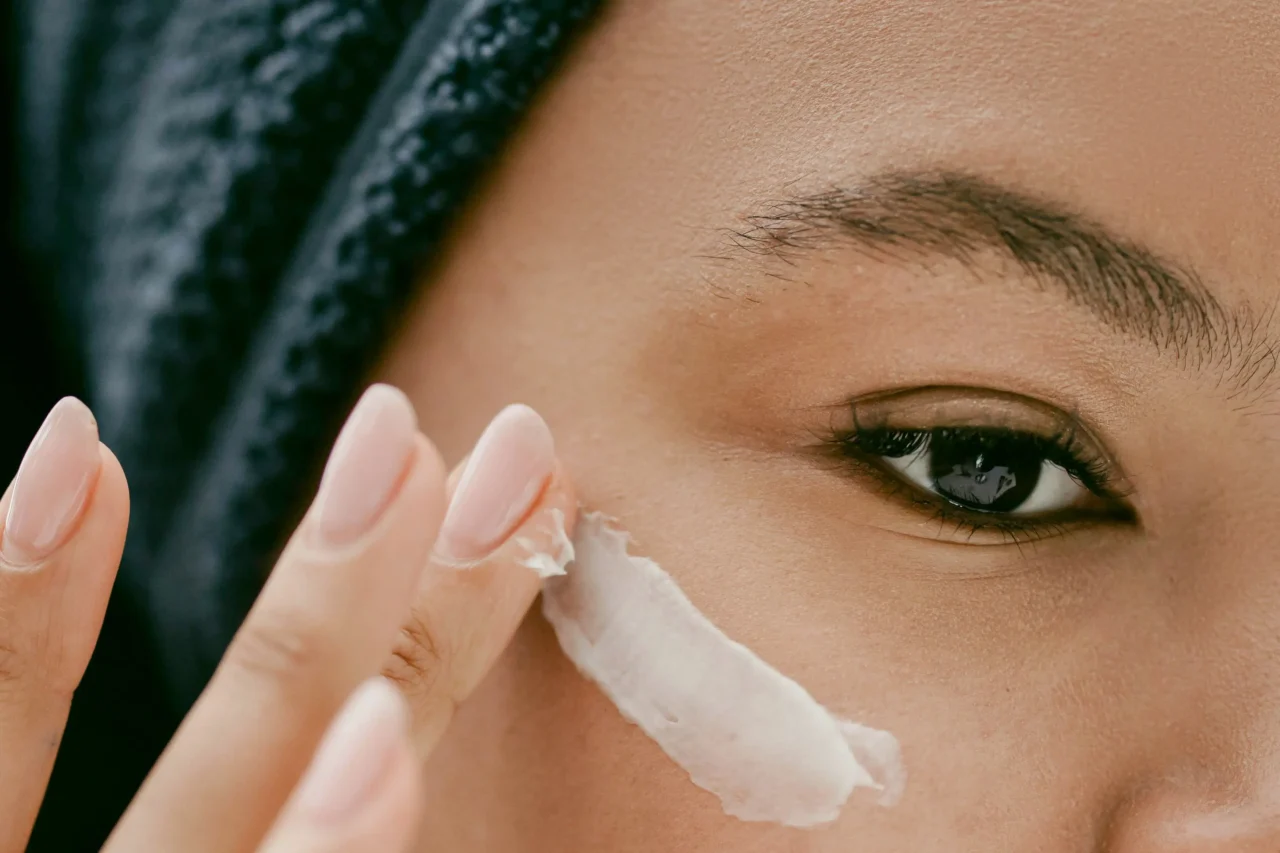
Hydrating products like hydrating toners or serums should be applied onto slightly damp skin to maximize water binding. This is then followed by a moisturizer containing lipids or occlusives to lock in hydration and support the skin barrier.
“Think of this layering approach as giving the skin hydration first, then helping it hold on to it,” she explains. For patients with compromised skin barriers or those using retinoids and exfoliants, this step becomes even more important to maintain skin integrity and prevent irritation.
What do I buy now?
As American cosmetic chemist Ron Robinson explained in an article originally published by Allure US, effective skin care often works by pairing two separate functions: products or ingredients that draw water into the skin (hydration) and those that help lock it in (moisturization).
As we better understand how hydrating and moisturizing products work, we can make more informed choices that suit our skin’s needs. Healthier skin isn’t about buying the latest trend or using a lot of products, but about being more intentional and discerning with what we put on our skin.
Frequently Asked Questions
Hydrating products increase the water content in the skin using water-binding ingredients like hyaluronic acid and glycerin. Moisturizers reinforce the skin barrier and prevent water loss using emollients, ceramides, and occlusives. The skin needs both adequate hydration and an intact barrier to function at its best.
Dehydrated skin looks dull, feels tight, and can still appear oily. Dry skin lacks lipids and tends to feel rough and flaky. In the Philippines, prolonged air-conditioning, sun exposure, and overuse of active ingredients commonly leave skin dehydrated — even when it appears oily on the surface.
For hydration, look for humectants like glycerin, hyaluronic acid, panthenol, and low concentrations of urea. For moisturization, ceramides, cholesterol, and fatty acids help restore the skin barrier without heaviness — ideal for tropical climates. Dimethicone is also recommended for minimizing water loss in hot and humid conditions.
Using only hydrating products without sealing them in can worsen dehydration, as water evaporates without an occlusive layer. Heavy moisturizers applied over dehydrated skin may feel greasy without correcting the underlying issue. In oily or humid conditions, thick creams can also clog pores and trigger breakouts.
Apply hydrating products first — toners or serums onto slightly damp skin to maximize water binding — then follow with a moisturizer containing lipids or occlusives to lock in hydration and support the skin barrier. This sequence is especially important for those using retinoids or exfoliants.