
How to Care for Dry, Cracked Heels
These tips will help you determine if your podiatric problem is a case for your manicurist or dermatologist.


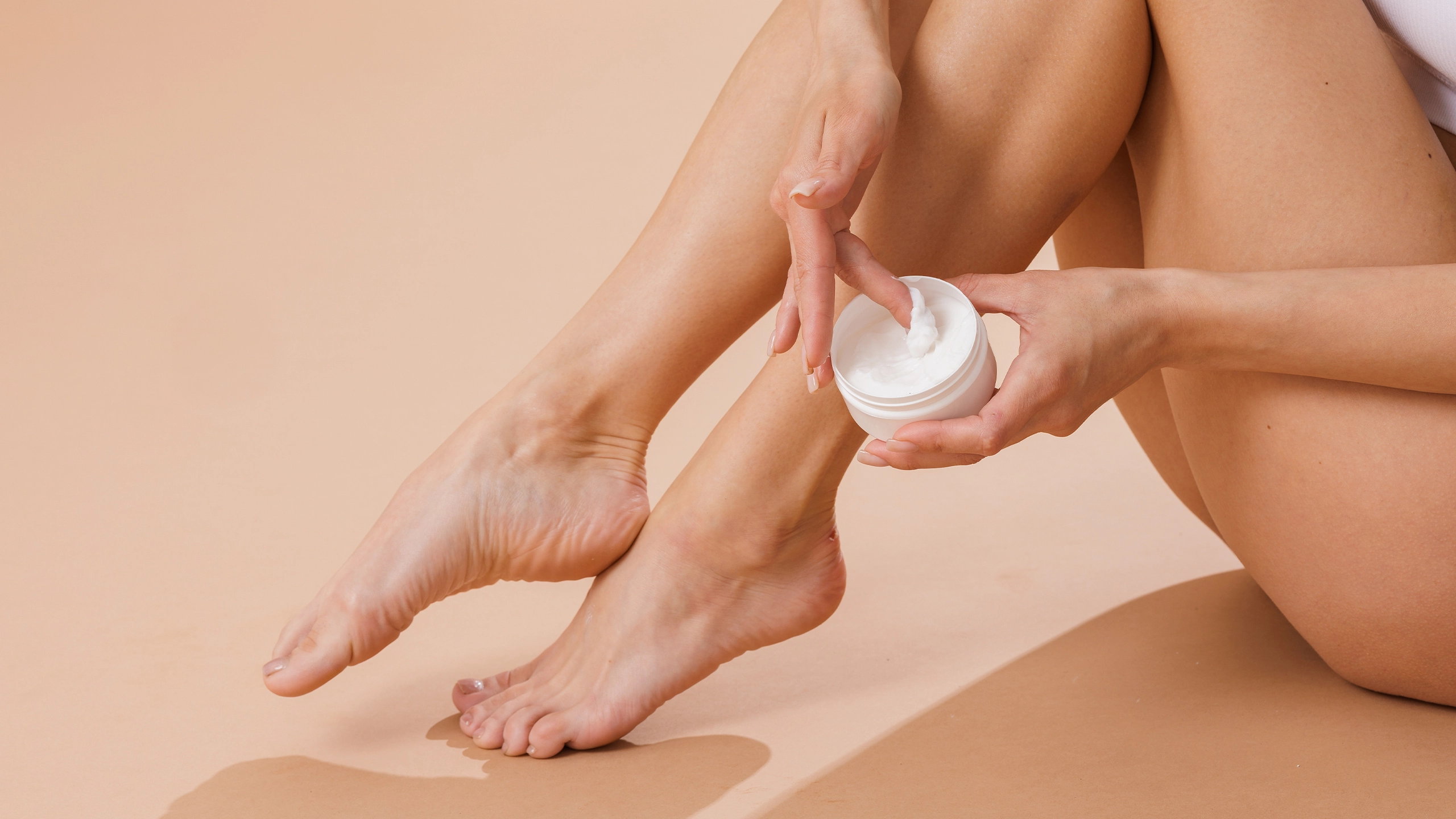
Feet aren’t the most glamorous topic, but that doesn’t mean they don’t need your attention—especially when they’re looking or feeling off. In the specific-yet-common case of dry, cracked heels, the encouraging news is that there are plenty of easy (and fast!) ways to heal them. Where it gets more complicated is determining why you might be dealing with dryness and cracks in the first place.
A visit to the nail salon for a pedicure with the works may suffice for one person, while another might require a medical expert’s input. To shed light on the root causes of your dry, cracked heels, we consulted a board-certified podiatrist and two dermatologists, seeking their professional insights. They broke down primary causes and practical solutions that promise fast-as-possible results and relief so you can put your best foot forward this sandal season and beyond. Keep reading for answers to your most pressing questions.
Meet the experts:
Anne Sharkey, DPM, is a podiatrist at North Austin Foot and Ankle Institute in Austin.
Leah Ansell, MD, is a board-certified dermatologist at Treiber Dermatology Associates in Rye, New York.
Rina Weimann (Allawh), MD, is a board-certified dermatologist at Schweiger Dermatology Group in King of Prussia, Pennsylvania.
What causes dry, cracked heels?
Before delving too deeply into WebMD (and perhaps spiraling into a panic), you should know that dry, cracked heels aren’t typically a major concern but rather just a buildup of the top layer of skin resulting from friction and regular use, according to Leah Ansell, MD, a board-certified dermatologist at Treiber Dermatology Associates in New York City. And you’re not alone it’s “very common in adults,” she says.
Your dry, cracked heels may also be side effects of a skin condition, two of the most common being psoriasis or eczemaEczemaA chronic inflammatory skin condition, also called atopic dermatitis, that causes dry, itchy, red, and sometimes cracked patches. Triggers include heat, sweat, stress, and harsh products. Gentle cleansers, thick moisturizers,Go to Eczema Glossary. The former often presents with red, inflamed skin and small fluid-filled bumps, says Rina Weimann (Allawh), MD, a board-certified dermatologist at Schweiger Dermatology Group in Pennsylvania. “If left untreated, it can lead to significant dryness and linear ‘knife-like’ cuts on the heels known as fissures, resembling ordinary cracked heels,” she adds. Eczema, on the other hand, can be trickier to identify because it presents as cracked and scaly patches that can resemble regular dryness or cracking.
There could be two lesser-known causes at play, too. Dr. Ansell sheds light on the possibility of fungal infections like tinea pedis—commonly known as athlete’s foot — and a rare inherited condition called keratoderma. With the latter, the skin on the heels thickens remarkably, creating an uncomfortable and visually jarring situation. It’s worth mentioning, according to Dr. Weimann, that keratoderma is believed to be linked to hormonal changes and is more likely to occur during menopause.
And now for some debunking. While some believe that a vitamin deficiency is to blame for dry, cracked heels, Anne Sharkey, DPM, a podiatrist with the North Austin Foot and Ankle Institute in Austin, dismisses this as rare in the States and other developed nations. She explains that deficiencies in vitamins E, C, and B can indeed contribute to dry skin, but it’s more likely that one of the causes mentioned above is the root cause of your condition.
And as for dehydration? Unfortunately, guzzling water from your Stanley tumbler won’t work miracles for your heels. Dr. Ansell sets the record straight, declaring that dry, cracked heels aren’t directly related to dehydration caused by insufficient water intake. That said, simply quenching your thirst won’t provide relief — though you can’t go wrong with staying hydrated.
When should I be concerned about cracked heels?
If the condition extends beyond mere dryness to pain, fissures, or peeling, it’s crucial to promptly contact your dermatologist and secure the earliest possible appointment. As discussed, these symptoms could indicate an underlying infection or inflammation that requires professional attention and treatment. When it comes to addressing them on your own, there’s little that home remedies can do, if anything at all.
How do I heal my cracked heels?
Dr. Ansell recommends using a cream enriched with urea or lactic acid. This helps gently exfoliate the outer layers of dead skin. She strongly favors this approach over harsh mechanical exfoliationExfoliationThe removal of dead skin cells from the surface to reveal smoother, brighter skin. It can be chemical, using acids or enzymes, or physical, using scrubs or tools. Overdoing itGo to Exfoliation Glossary techniques, such as foot files, which carry the risk of exacerbating the condition, causing discomfort, or even leading to infection.
The best treatment for dry, cracked heels really is prevention, Sharkey says. This involves choosing well-fitting shoes that don’t excessively rub against the heels and following a dedicated foot care routine that includes soaking, reducing calluses with a pumice stone, and moisturizing. (FYI: Dr. Ansell supports using pumice stone as a mechanical technique, as it is less abrasive to the skin and aids in gently exfoliating dead skin. Just remember: “A file can penetrate deeper and cause pain and open cuts,” she says.)
However, Dr. Ansell emphasizes the importance of rehydrating the skin with moisturizers containing ceramides. This approach proves beneficial not only for addressing dry, cracked heels but also for managing mild cases of eczema as it helps replenish lost fats, according to the dermatologist. To maximize effectiveness, she suggests applying a generous amount of a thick cream, such as the Aveda Foot Relief Moisturizing Creme, to the affected areas and covering them with plastic wrap for more effective absorption.
Originally published in Allure US.
Frequently Asked Questions
According to board-certified dermatologists, dry cracked heels are most commonly caused by friction and buildup of the skin’s outer layer — a very common condition in adults. Underlying causes can include psoriasis, eczema, fungal infections like athlete’s foot, or the rare inherited condition keratoderma, which is associated with hormonal changes during menopause.
Vitamin deficiency is a rare cause of cracked heels in developed countries, though deficiencies in vitamins E, C, and B can contribute to dry skin. Dehydration from insufficient water intake is not a direct cause of cracked heels, according to dermatologists — increasing water intake alone will not resolve the condition.
Dermatologists recommend heel creams containing urea or lactic acid to gently exfoliate dead skin, and ceramide-based moisturizers to replenish lost fats and restore the skin barrier. For severe dryness, applying a thick cream and covering the area with plastic wrap can improve absorption.
Board-certified dermatologists advise against foot files for cracked heels, as they can penetrate deeper into the skin, cause pain, and introduce the risk of open cuts and infection. A pumice stone is a safer alternative — it is less abrasive and effectively removes dead skin without the same risks.
If cracked heels progress beyond surface dryness to include pain, deep fissures, or peeling, a dermatologist or podiatrist should be consulted promptly. These symptoms may indicate an underlying infection or inflammatory condition — such as psoriasis, eczema, or a fungal infection — that requires professional diagnosis and treatment rather than home remedies.
Latest Stories


You might also like




To provide a customized ad experience, we need to know if you are of legal age in your region.
By making a selection, you agree to our Terms & Conditions.