

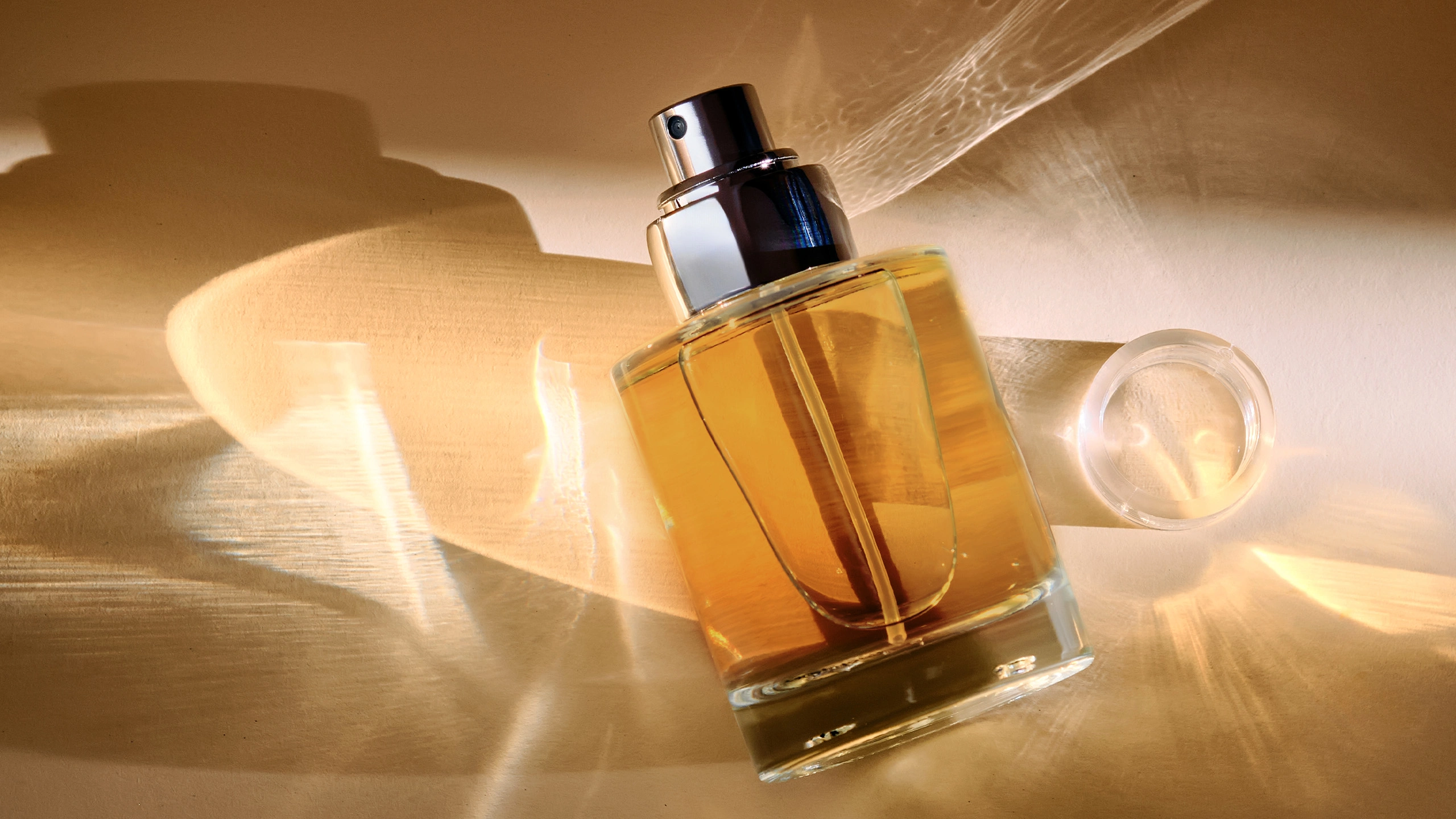
A few months ago, I noticed that one of my favorite scents looked a little off. At first, I thought it had gone bad, which was upsetting because I’d only had the bottle for a year; when I spritzed it, though, it smelled the same—sweet like soft-serve ice cream on a bright summer day—but was noticeably richer.
I wasn’t sure what to do with it. Keep it? Toss it? I turned to TikTok to see if anyone else had experienced something similar—and they had. Viral videos suggested I had inadvertently “macerated” my perfume, a process that many content creators claim makes a fragrance smell better and last longer. Intrigued, I reached out to perfumers to learn more. They reported that maceration is, in fact, a real and vital step in perfumery, but it’s not at all like what you’re seeing in your feed.
What do “maceration” and “maturation” mean in perfumery?
“Maceration,” “maturation,” and the word “aging,” have been used interchangeably online, but they all have different meanings. Maceration and maturation are controlled manufacturing steps in perfumery, explains Gustavo Romero of Team of Two Perfumers and founder of the Fragrance Alliance Network, while the at-home process that content creators are touting online is simply aging. (More on that later.)
Let’s start at the beginning, when maturation produces the initial fragrance potion. In this stage of the scent-making process, raw fragrance oils are blended and left alone to age and amalgamate for about two to three weeks, says Bhushan Patel, a senior technical manager of scent at International Flavors & Fragrances, Inc. Throughout this step, perfumers try different blends—they might add a little more depth with amber or brightness with citrus—until they’re happy with how the mixture smells.
After that, the scent is macerated. “[Maceration] is not a DIY waiting period at home,” says Romero. This step of developing a perfume, he explains, occurs after a fragrance concentrate is diluted in alcohol. “The mixture [then] rests so the aromatic molecules fully dissolve, distribute evenly, and reach a stable equilibrium.”
Most perfumers consider maceration to be the most important step in perfumery, Romero continues, because it’s when the formula really comes together and smells like a finished fragrance. “It becomes more cohesive and rounded,” he explains. “Harsh edges soften and the composition smells more integrated.” It’s generally the final crucial step before a perfume is transferred to its packaging and readied for the shelves. “Both stages are about integration and stability, not transformation.”
Why did my perfume change color?
What some people are referring to online as maceration or maturation is actually aging. It’s a phenomenon that, Patel says, changes the character of a perfume “sometimes beautifully, sometimes not.”
Adds Romero, a perfume is finished and stable when it hits shelves. “That said, over time, a fragrance can shift,” he says. He explains that lighter elements usually found in the top, like citrus and peppery notes, are more prone to evaporation. After these top notes have faded slightly, the base notes, many of which naturally change color, become more pronounced, “which can make the base feel louder and create the illusion that the perfume has grown stronger.”
Now back to those content creators: Some are equating a deepening color to a longer-lasting, better-smelling perfume. One of the most prevalent examples on TikTok is Kayali Vanilla 28. A new bottle plucked from a Sephora shelf has a rich caramel color, but content creators are touting the scent after it has aged to a nearly black hue. The smell of the aged perfume has gone so viral that many people are convinced that bottles with darker juice do, in fact, smell deeper and stronger.
Gabriela Chelariu, principal perfumer at dsm-Firmenich and the nose behind Vanilla 28, says that’s simply not true; the color is due to the behavior of certain ingredients. Natural ingredients, as well as heavier, sweeter accords, are more reactive than other perfume materials. “Vanilla has always been an issue in perfumery because it changes color as it sits in the product,” she says. “Vanillin, which is the main molecule in vanilla, vanilla absolute, and vanilla bean, naturally gets darker.”
Whether you prefer this darker iteration is entirely up to you.
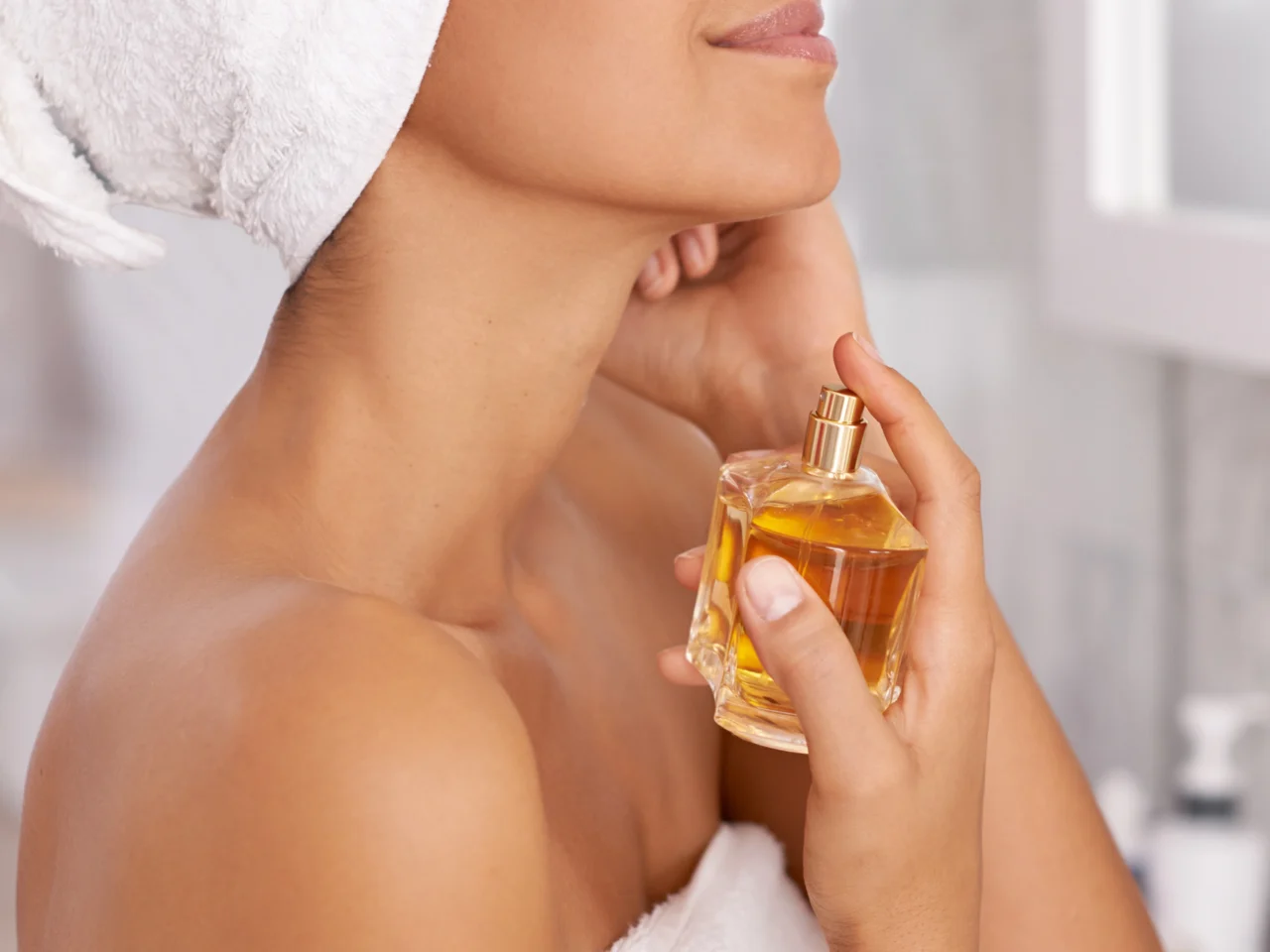
How to tell if your perfume has expired
A change in your perfume’s color does not indicate that it has expired, nor should you throw it out; our experts say your nose will be able to tell when a fragrance has spoiled. If it smells sour, vinegary, or has a metallic quality that it didn’t have before, it’s time to toss it. Adds Romero, if you experience skin sensitivity like itchiness, redness, or another irritation, you should stop using it.
There’s no harm in intentionally aging your perfume, but Romero reminds us, color fluctuations don’t drastically change a fragrance or make it better: “Transformation stories are great for social media. The real mark of excellence is simpler: a fragrance that smells beautiful and stays that way.”
Originally published in Allure US
Frequently Asked Questions
Maturation is the initial manufacturing stage where raw fragrance oils are blended and left to amalgamate for two to three weeks. Maceration follows after the fragrance concentrate is diluted in alcohol, allowing aromatic molecules to fully dissolve and reach stable equilibrium. Aging, by contrast, is what happens to a finished perfume over time on a shelf or in your possession — it is not a controlled manufacturing step and is distinct from both maturation and maceration.
Color change in perfume is primarily caused by the behavior of reactive natural ingredients, particularly vanillin — the main molecule in vanilla absolute and vanilla bean — which darkens naturally over time. According to principal perfumer Gabriela Chelariu of dsm-Firmenich, a darker color does not indicate improved performance or longer wear. Lighter top notes, such as citrus and pepper, evaporate as a perfume ages, making base notes more pronounced — which can create the impression of a deeper scent without the formula actually improving.
It is largely a myth as presented on social media. Maceration, as defined by fragrance industry experts, is a controlled manufacturing step that occurs in a professional setting after a fragrance concentrate is diluted in alcohol. What content creators describe as “macerating” a perfume at home is simply aging — a passive process that changes fragrance character over time, sometimes favorably, but not through the same controlled mechanism as professional maceration.
A change in color alone is not a reliable indicator of expiry. Perfumers advise using your nose: if a fragrance develops a sour, vinegary, or metallic quality it did not previously have, it has likely spoiled and should be discarded. Additionally, if applying the fragrance causes skin reactions such as itchiness, redness, or irritation, discontinue use immediately regardless of how the scent smells.
Not significantly, according to perfumers. While aging can shift a fragrance’s character — most notably by allowing volatile top notes to fade and base notes to become more dominant — this does not constitute an improvement in formulation. Gustavo Romero of Team of Two Perfumers notes that a perfume is finished and stable when it reaches shelves, and that color or scent shifts from aging do not represent the kind of integration and stability achieved through professional maceration or maturation.