What Is Skin-First Makeup? The Beauty Trend That Blends Makeup and Skin Care
Meet products with formulas that put skin care ingredients at the forefront of a makeup routine


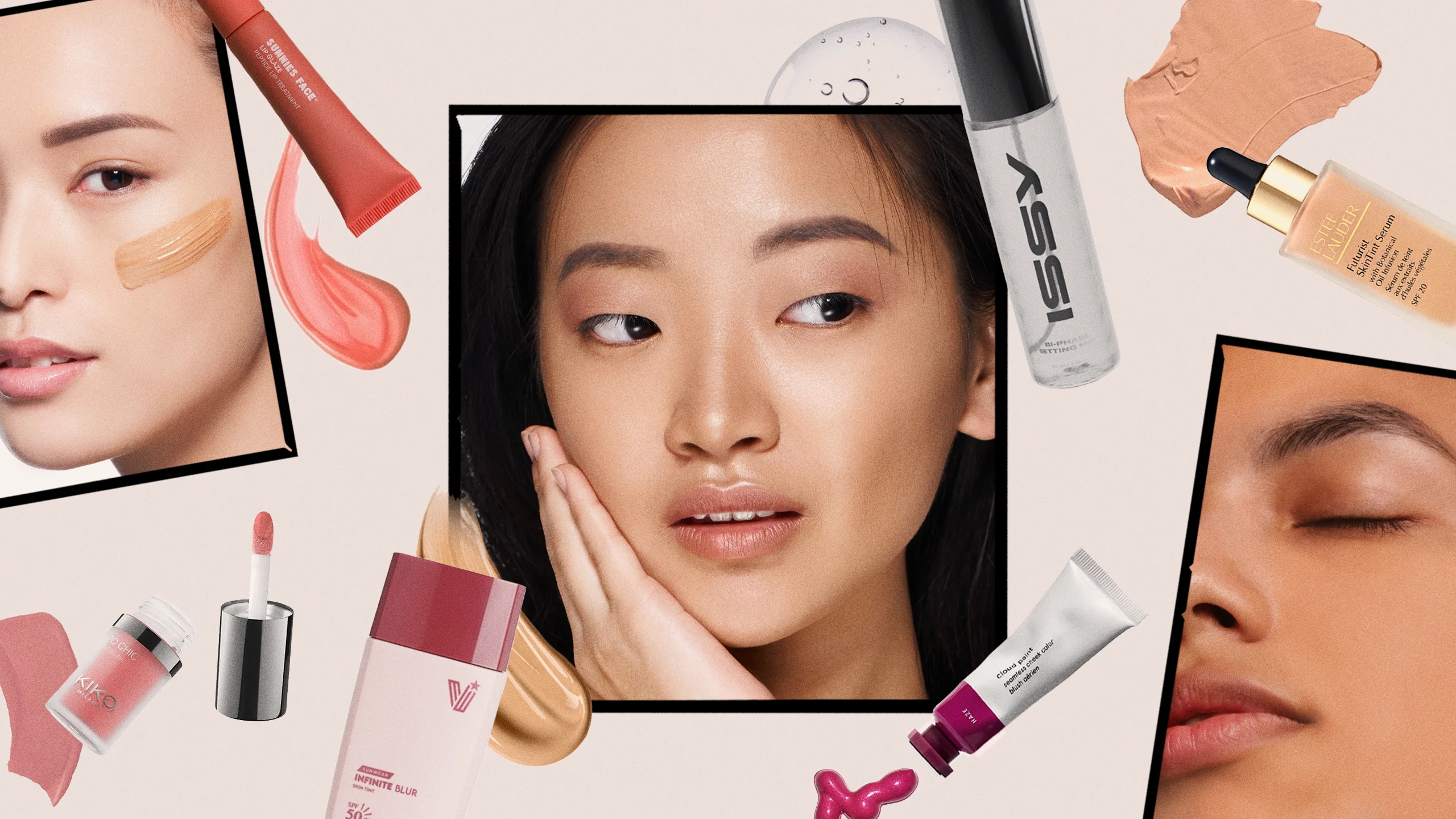
Makeup is getting lighter, smarter, and more skin care-focused. A decade ago, makeup trends largely emphasized coverage, matte finishes, and long-wear performance. Today, many consumers are equally interested in hydration, glowy finishes, and formulas that feel comfortable on the skin.
Now, we’re in the era of skin-first beauty, where glow, hydration, and healthy-looking skin matter just as much as coverage. But skin-first makeup carries an assumption that doesn’t quite fit: that it’s the same as minimalist makeup.
With less product, less effort, and less of a made-up look. It’s framed almost the same as minimalist makeup. But no, that’s not it. Skin-first makeup is not about using less; it’s aimed at something different.
Rather than moving away from the product altogether, it’s just reformulating the norm. Today’s formulas are now increasingly skin care-forward, incorporating ingredients such as niacinamide, hyaluronic acidHyaluronic AcidA powerful humectant that can hold many times its weight in water, giving skin a plump, hydrated, bouncy look. Apply it to slightly damp skin and seal with moisturizer. ItGo to Hyaluronic Acid Glossary, and glycerin as the main hero ingredients, alongside pigments and coverage.
What has changed isn’t the number of products used for makeup looks, but what those products are now expected to do: support a healthy-looking complexion and even out the skin, rather than simply disguise it.
From serum foundations and creams to skin care-infused tints, skin-first makeup is changing beauty routines everywhere. Here, we share 7 beauty products that make skin look healthy and radiant, each powered by a potent dose of skin care ingredients.
How to tell if makeup is truly skin care-forward
Marketing claims alone don’t tell the whole story. While no ingredient list can reveal exactly how well a product performs, it can provide clues about how a formula is built.
When curating the products on this list, we looked beyond the promises on the packaging and examined their ingredient list— makeup formulas that offer more than just delivering color and coverage alone.
Cosmetic ingredients are generally listed in descending order of concentration until they reach amounts of 1% or less. This means the ingredients at the beginning of the list are typically present in higher amounts, while those closer to the end are used in smaller concentrations. While placement alone doesn’t confirm how an ingredient is effective, a hero ingredient appearing much earlier on the list can suggest how it plays an important role in the product’s overall formulation.
Water often appears first because it serves as the base of many liquid and cream formulas. What matters next after that is how the formula is built around it—and whether the hero ingredients are present and effective in a way to support the product’s intended skin care benefits. While an ingredient’s position doesn’t guarantee how effective it will be, seeing skin care ingredients such as glycerin, niacinamide, panthenol, or hyaluronic acid higher on the list can suggest they play a more meaningful role in the overall formulation.
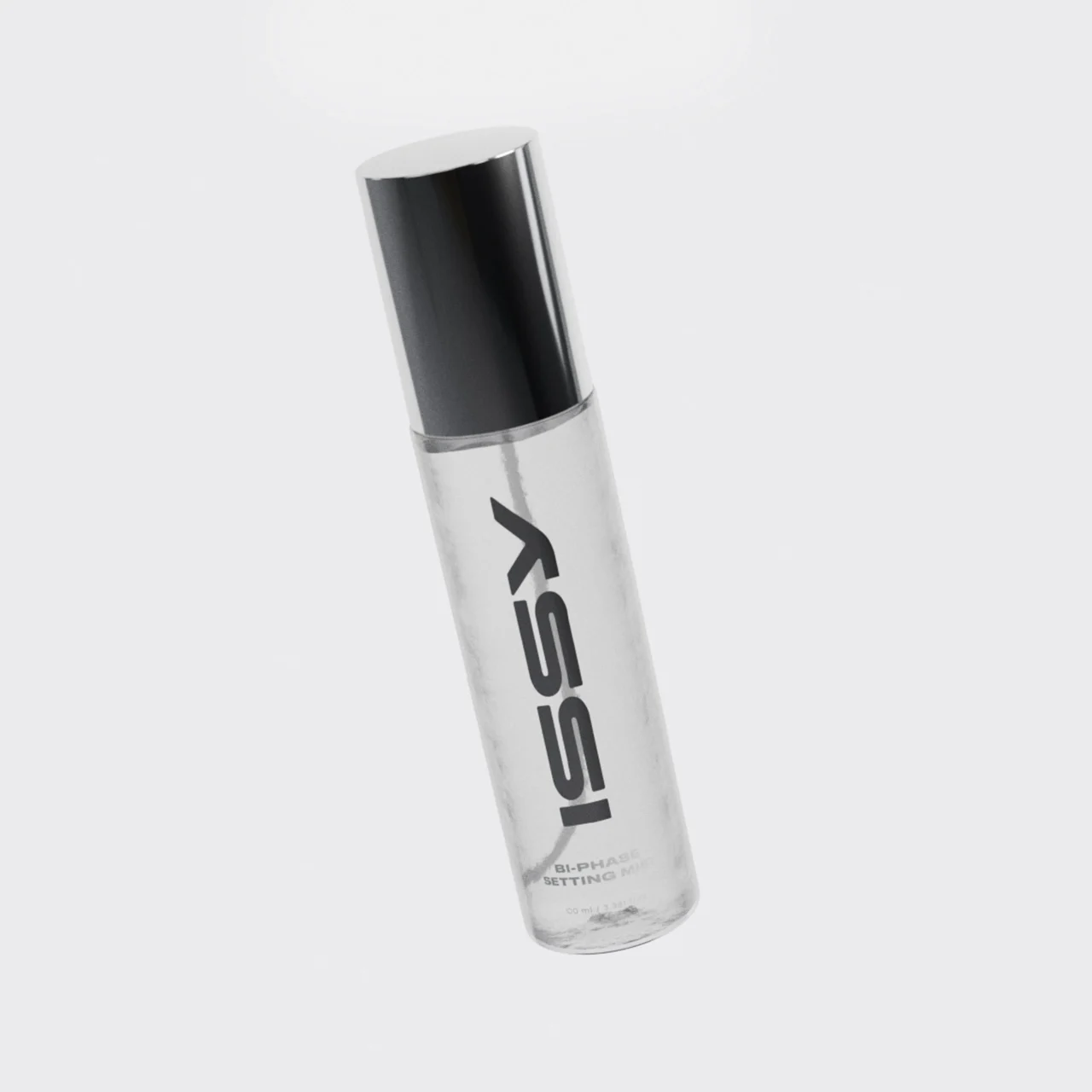
Issy Bi-Phase Setting Mist
Courtesy of Issy/ IG: @issyandcompany
More than a final step and a spritz for a midday refresh, Issy’s Bi-Phase Setting Mist treats makeup as part of everyone’s skin care routine. Its ultra-fine, dual-phase formula uplifts bare skin or makeup with a dewy finish, while aloe, panthenol, glycerin, and sodium acetylated hyaluronate support hydration and glow.
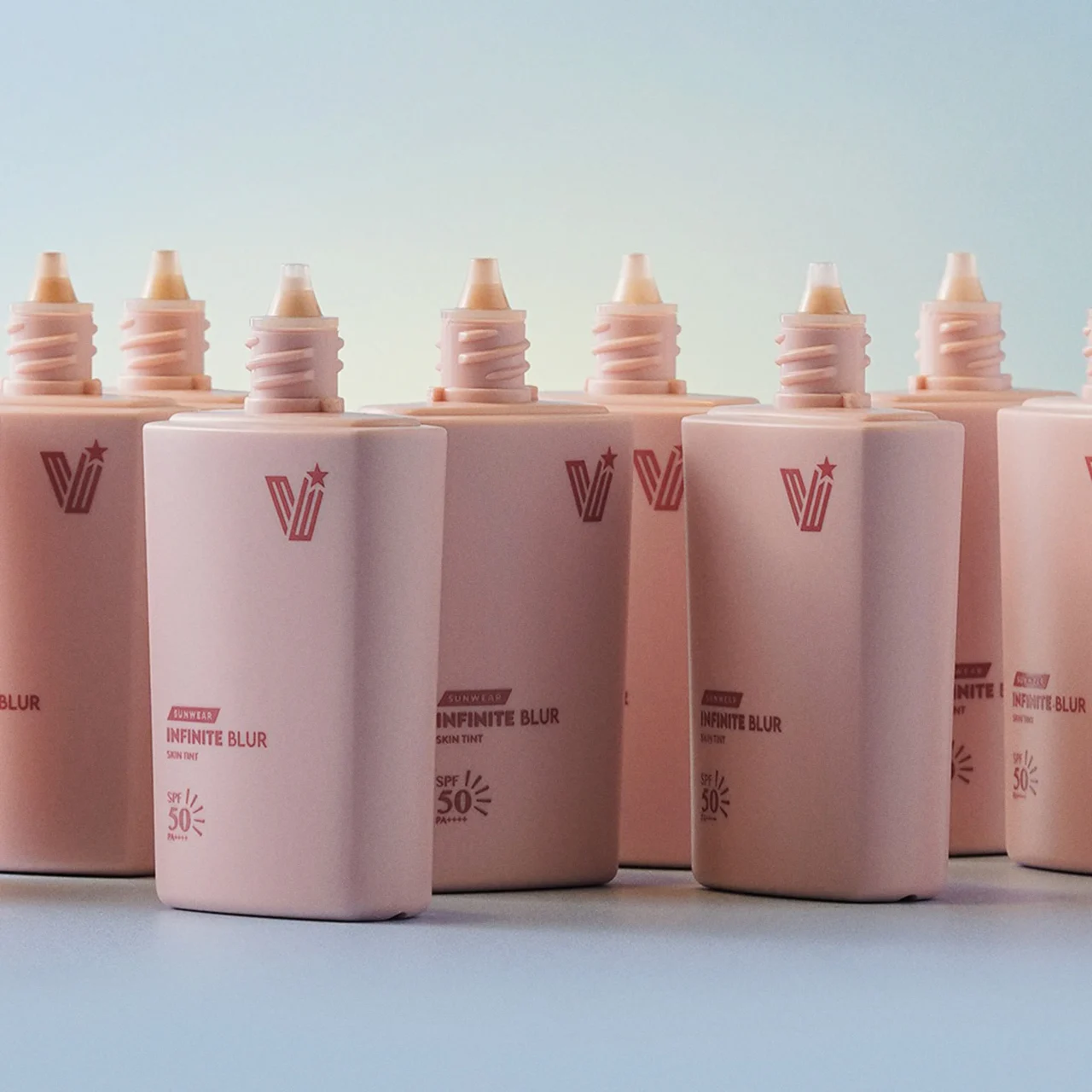
Vice Cosmetics Sunwear Infinite Blur Skin Tint SPF 50 PA ++++
Courtesy of Vice Cosmetics / IG: @vicecosmeticsph
Skin tints that blend both coverage and sun protection have become more popular these days, and the Vice Cosmetics Sunwear Infinite Blur Skin Tint SPF 50 PA++++ is one of the products people have been reaching out for.
Made for days when you want coverage and sun protection in the same layer, the skin tint offers a soft-focus complexion with high SPFSPFSun Protection Factor, a measure of how well a sunscreen protects against UVB rays that cause sunburn. Dermatologists recommend a broad-spectrum SPF 30 or higher, applied generously every morning andGo to SPF Glossary. It also smooths the skin, keeping the final finish light and incredibly wearable. The skin tint’s formula includes Panthenol, which helps moisturize the skin; Centella Asiatica Extract, which soothes it; and Watermelon Fruit Extract, which adds to the hydration and soothing with its antioxidant-rich properties.
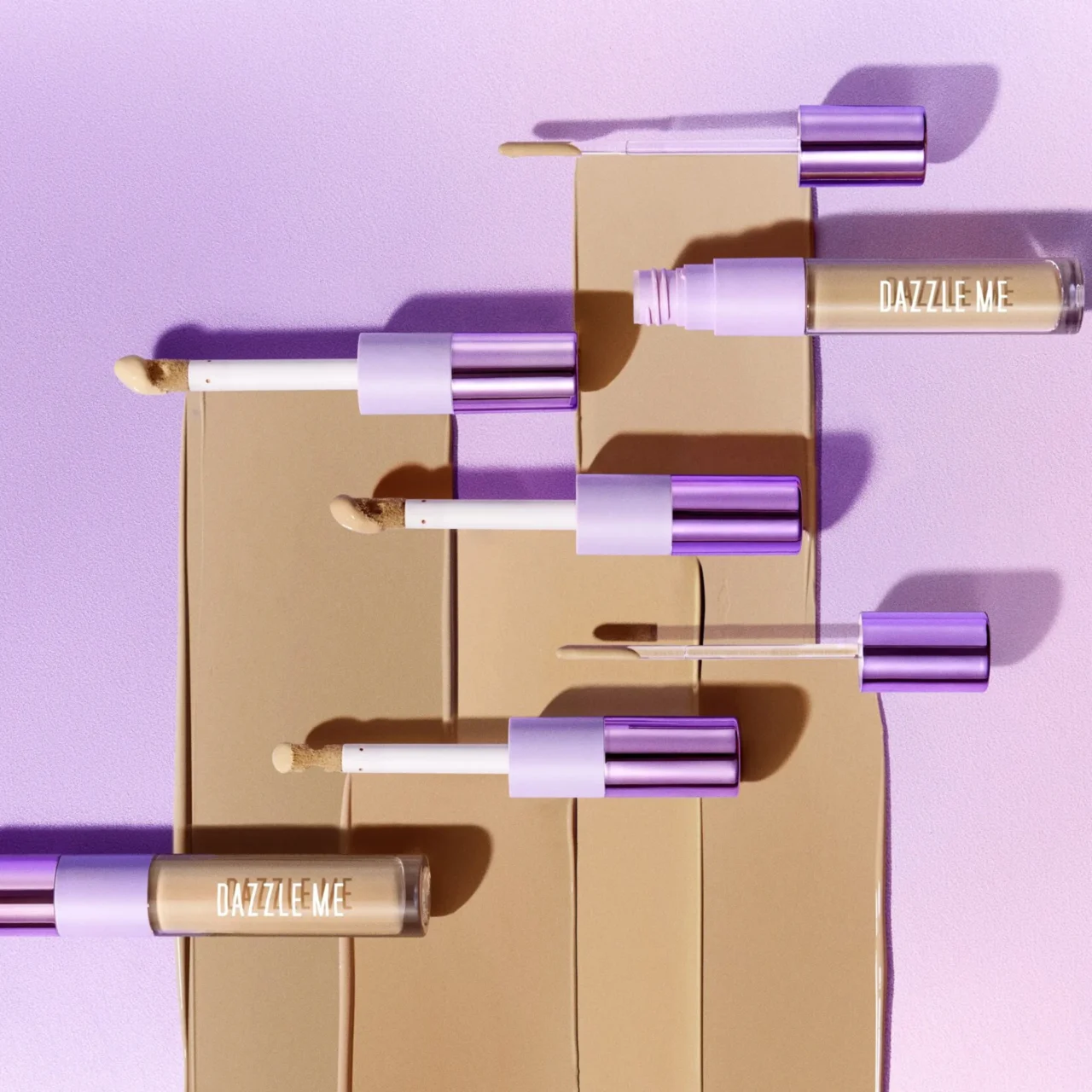
Dazzle Me Cover Me Serum Concealer Duo
Courtesy of Dazzle Me / IG: @dazzleme_ph
High coverage and skin care-forward makeup can coexist—and the Dazzle Me Cover Me SerumSerumA lightweight, concentrated treatment applied after cleansing and before moisturizer to target specific concerns, such as dark spots, dehydration, or fine lines. Because serums are potent, introducing one at aGo to Serum Glossary Concealer Duo is proof of that. Its formula includes ingredients such as niacinamide, ceramides, peptides, and vitamin E—which keep the skin hydrated and the skin barrier healthy. It’s a comfortable option for everyday wear, especially for brightening the under-eyes or concealing blemishes.
If you’re not a skin tint or foundation-wearing type, wearing concealer is more than enough!
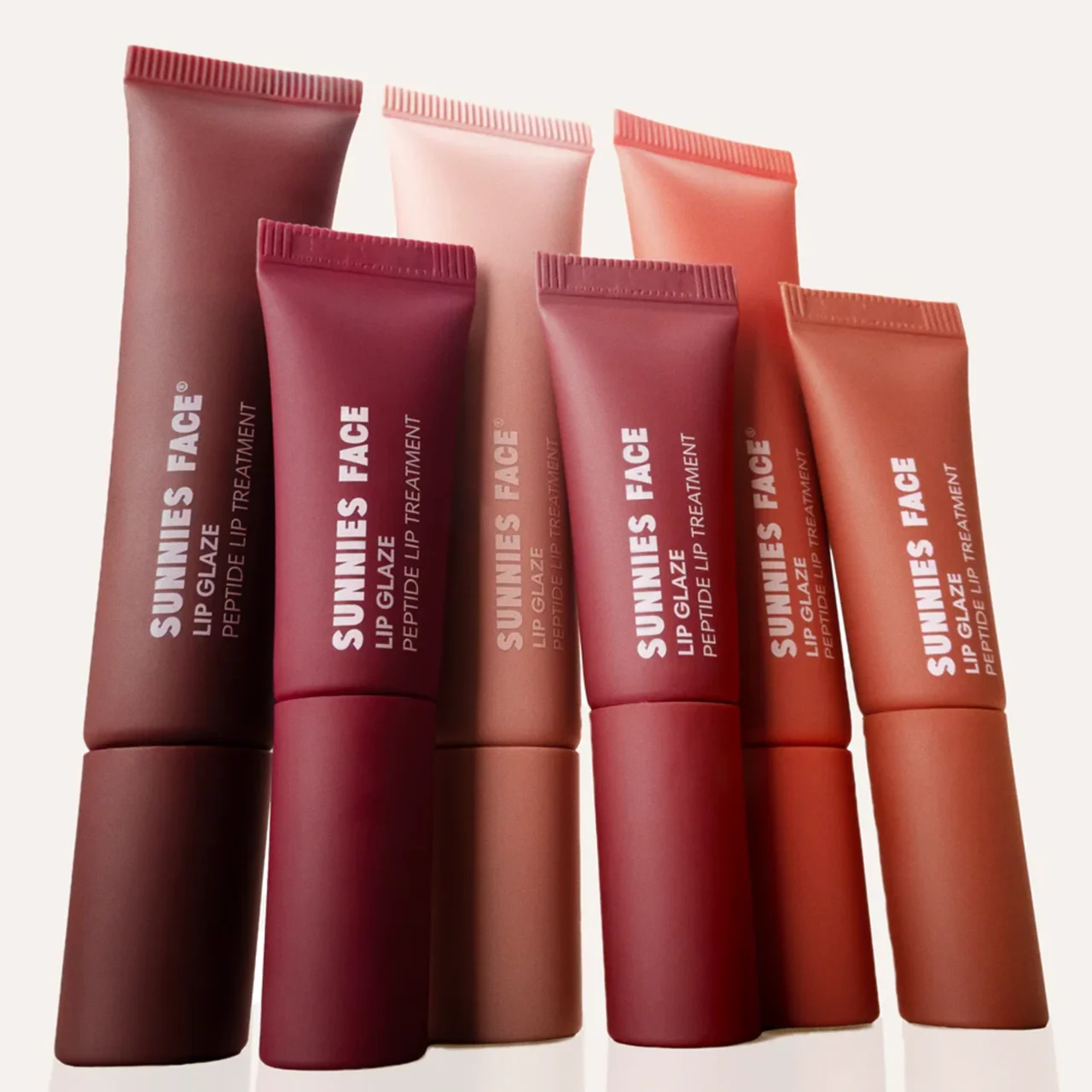
Sunnies Face Lip Glaze
Courtesy of Sunnies Face / IG: @sunniesface
Part glossy lip color, part lip treatment, the Sunnies Face Lip Glaze gives the lips a plush wash of shine without leaving a stripped feel. Its peptide-rich formula, paired with shea and cupuaçu butters, provides a smoother, softer-looking finish. The product formula includes lactic acid, which also functions as a moisturizing factor at lower concentrations and helps maintain smoother-looking lips.
It comes in eight different shades, with a cooling metal applicator that makes every reapplication feel especially luxe.
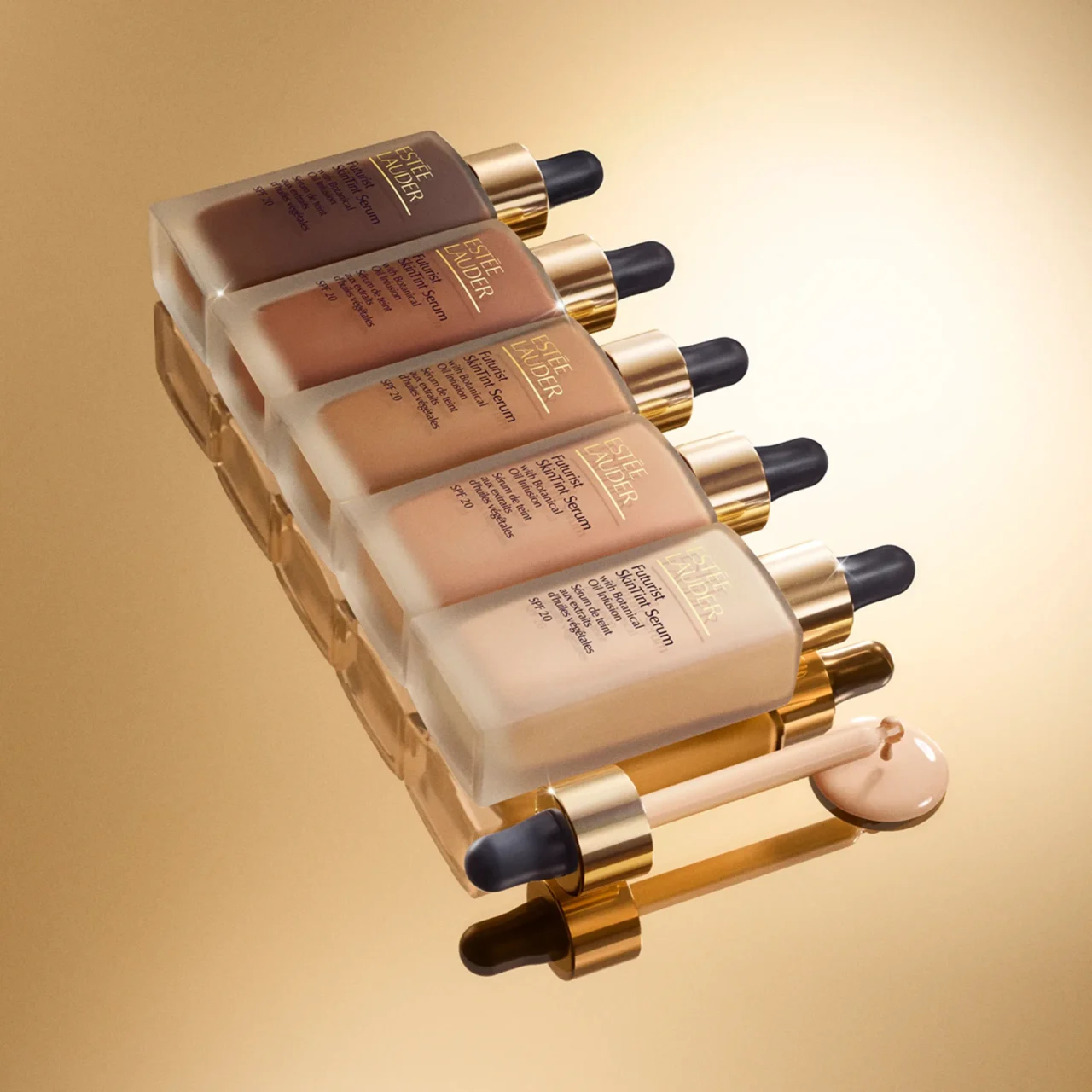
Estée Lauder Futurist SkinTint Serum with Botanical Oil Infusion SPF 20
Courtesy of Estée Lauder / IG: @esteelauder
A product that blurs the line between a base product and a serum, the Estée Lauder Futurist SkinTint Serum Foundation gives the skin a softer texture and a naturally radiant finish. Formulated with glycerin and a botanical oil infusion of meadowfoam seed, calendula, and rosehip oils, the product keeps the skin supple and luminous, making it comfortable for wear throughout the day.
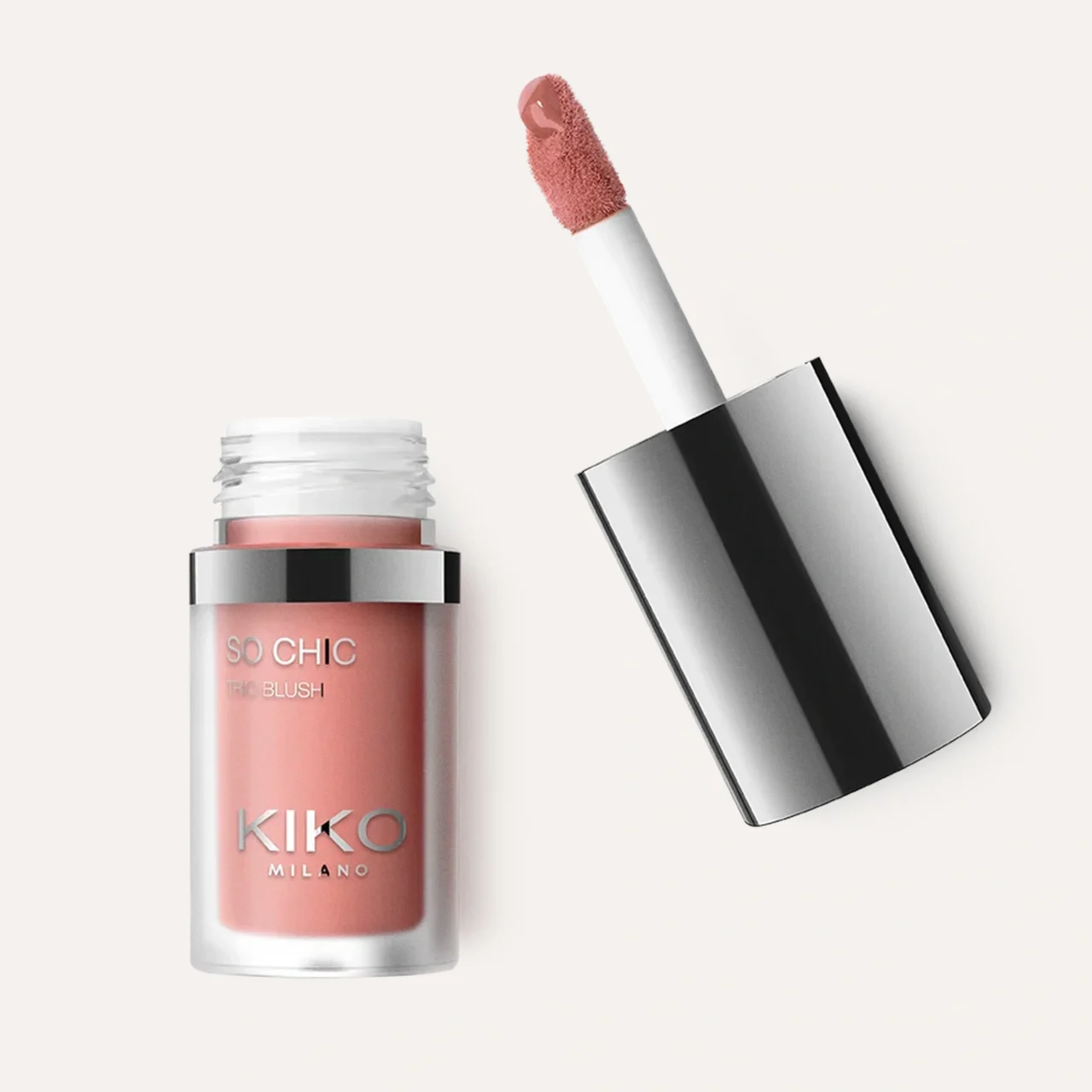
KIKO Milano Skin Lover So Chic Trio Blush
Courtesy of Kiko Milano / IG: @kikomilanoph
KIKO Milano’s Skin Lover So Chic Trio Blush is part of the brand’s Skin Lover Collection, offering a product line infused with hyaluronic acidHyaluronic AcidA powerful humectant that can hold many times its weight in water, giving skin a plump, hydrated, bouncy look. Apply it to slightly damp skin and seal with moisturizer. ItGo to Hyaluronic Acid Glossary—a staple in skincare. This blush product brings color to the face with a creamy, blendable texture that melts into the skin, rather than sitting on top of it. A multi-purpose product, its formulation includes nourishing oils like passionfruit seed, sweet almond, and coconut, it creates a fresh flush that can be worn on cheeks, eyes, and lips—a product that’s perfect for those constantly on the go!
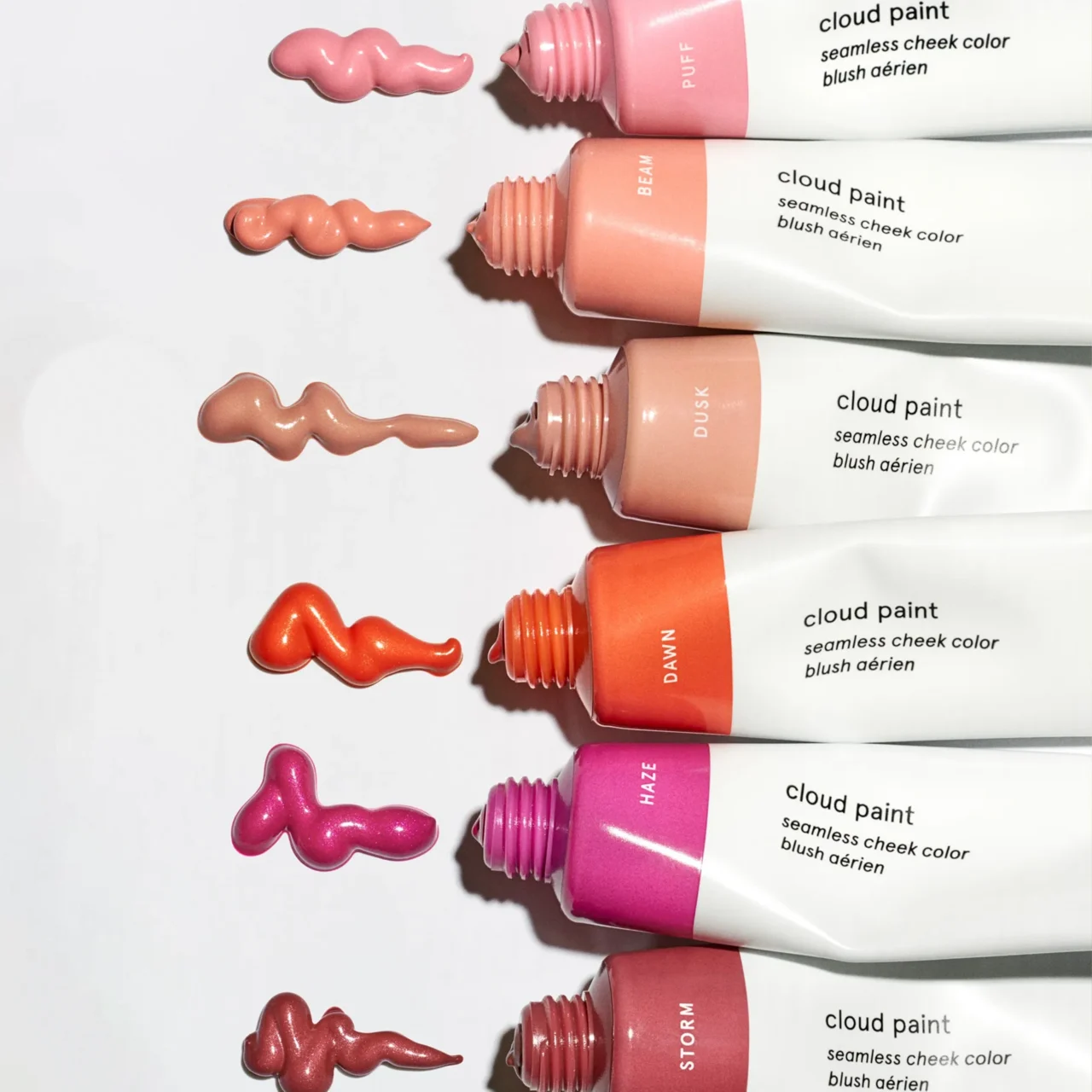
Glossier Cloud Paint
Courtesy of Glossier / IG: @glossier
One of the brands that helped popularize skin-like makeup with a natural, skin-like finish, Glossier’s Cloud Paint remains a cult beauty favorite in numerous circles. With a gel-cream formula with a buildable pigment that can be seamlessly blended with a finger, the product’s main ingredients of glycerin and soluble collagen help keep its finish soft and skin-like.
Why skin-first makeup?
With beauty slowly turning its focus to a more skin-first approach, one thing is clear: skin-first makeup isn’t about doing less—it’s about expecting more benefits from every product you use. Consumers are no longer choosing makeup based on color, coverage, or wear time alone. They’re also paying closer attention to formulation, looking for products that combine makeup with hydrating, barrier-supporting, and skin-friendly ingredients.
As formulas continue to blend color, coverage, hydration, and skin-friendly ingredients, beauty routines are becoming more flexible. While skin-first makeup shouldn’t replace a dedicated skin care routine, it can complement one by making makeup feel more comfortable while supporting a healthy-looking complexion throughout the day.
Ultimately, it’s not about chasing perfection or wearing less makeup. It’s also about choosing formulas that help your skin look and feel its best.
Frequently Asked Questions
Skin-first makeup refers to formulas that place skin care ingredients — such as niacinamide, hyaluronic acid, and glycerin — alongside pigment and coverage, so the product supports a healthy-looking complexion rather than simply masking it. It reflects a shift from matte, long-wear formulas toward hydration- and glow-focused ones.
No. Skin-first makeup is often mistaken for using less product, but it’s about reformulating what’s already used. Products still deliver full pigment and coverage; what changes is the inclusion of skin care actives like niacinamide and hyaluronic acid within the formula itself.
Check the ingredient list rather than the packaging claims. Ingredients are generally listed in descending concentration, so seeing actives like niacinamide, glycerin, panthenol, or hyaluronic acid appear earlier suggests they play a more meaningful role, though position alone doesn’t confirm efficacy.
No. Water commonly appears first because it forms the base of most liquid and cream formulas. What matters more is how the rest of the formula is built around it — specifically whether skin care actives are present in amounts that support the product’s stated benefits.
No. Skin-first makeup is designed to complement a skin care routine, not substitute for one. It can make makeup feel more comfortable and support a healthy-looking complexion throughout the day, but it isn’t formulated to replace dedicated treatment steps.