

Let’s say you’ve already done everything the internet suggested to get clear skin: swapped cleansers, pared down your skin care routine to the basics, and even tried some viral products that claim to brighten and give you glass skin. And yet, pimples and acne keep popping up in the same areas of your face.
Here’s the uncomfortable truth: sometimes, it’s not just the products sitting in your vanity—it’s your lifestyle. The daily commute, your late nights watching “one more episode” of a series you can’t get enough of, and even your daily coffee runs.
To get an idea of what triggers your acne breakouts, Allure Philippines sat down with board-certified dermatologists Amanda Christine Esquivel, MD, and Bryan Guevara, MD, FPDS, FDSP-PDS, to break down the everyday habits that could be sabotaging the skin you deserve.
Reason #1: Stress, poor sleep, and cortisol levels

Kaboompics
Everyone’s stressed out—in school, work, personal reasons—and that’s something we can’t avoid. It’s also one of the most common and overlooked reasons why we break out “for no reason.”
According to Dr. Bryan Guevara, a dermatologist and dermapathologist specializing in acne management and treatment, whom we chatted with during the recent Galderma Skin Awareness Month event, it all stems from cortisol.
Cortisol, also known as the “stress hormone,” is a hormone that manages the body’s stress response. This also includes the body’s oil glands—which cause the skin’s oil production to increase as stress levels also increase.
“That’s why, for example, with patients who have chronic stress, they have breakouts and even dandruff,” explains Dr. Guevara. “That’s a process of cortisol secretion, and that’s why lifestyle really matters.”
Dr. Amanda Esquivel, a dermatologist specializing in acne management for adults and adolescents, agrees that lifestyle alone does not cause acne, but certain habits can make it worse. “The most common ones I see in clinic are chronic stress, too little sleep, frequent touching or picking at the face, inconsistent skin care, and using products that clog your pores,” she mentioned.
In fact, chronic stress and poor sleep can further worsen acne symptoms, with both doctors noting that chronic stress can also worsen or trigger flare-ups in other inflammatory skin conditions such as psoriasis and eczema.
“When you have poor sleep, it will aggravate your cortisol or increase it, leading to breakouts or flare-ups,” explains Dr. Guevara.
Dr. Esquivel also noted that she sees this often in her clinic. “Patients often notice their acne flares during exam week or major work deadlines,” she recalls. “While managing stress and getting enough sleep won’t cure acne on their own, they’re an important part of keeping breakouts under control.”
Reason #2: The Filipino diet

Pexels
Filipinos love food—it’s practically part of our identity. We love our sinigang, liempo, barbecue, and we absolutely love pairing them with sodas or any kind of fizzy drink. Turns out, that combo might be doing more than making you happy.
Dr. Esquivel says that diet isn’t the only factor causing acne, but it can worsen it. “The Filipino diet, rich in what we call “high glycemic index” foods like rice, pandesal, sugary drinks—can cause spikes in blood sugar,” Dr. Esquivel explains. “Those spikes may increase sebum production and cause inflammation, making acne more likely in people who are already prone to it.”
Dr. Guevara echoes this, saying proper nutrition is important for overall health, not just for the skin. “Realistically, you have to make sure that you’re eating healthy. If you’re overeating certain products such as oily and greasy food, and also have a high-carb, high-sugar diet, it’s not only bad for your skin but also for your general health as well.”
Both doctors agree that diet alone isn’t the root cause of acne, but for those already prone to breakouts, it can tip the scales. When it comes to alcohol, Dr. Guevara says there isn’t much direct evidence linking it to acne. Dr. Esquivel concurs but notes that it can still affect the skin directly—through sleep disruption, increased inflammation, dehydration, and overall skin health.
But our beloved iced coffees and energy drinks tell a different story. Dr. Esquivel says that with the huge amounts of sugar found in these drinks, they can contribute to acne the same way “high-glycemic index” food does. “It’s usually not the coffee itself—just everything your favorite coffee shop adds to it,” she explains.
Reason #3: Exercise and hygiene practices
Pexels
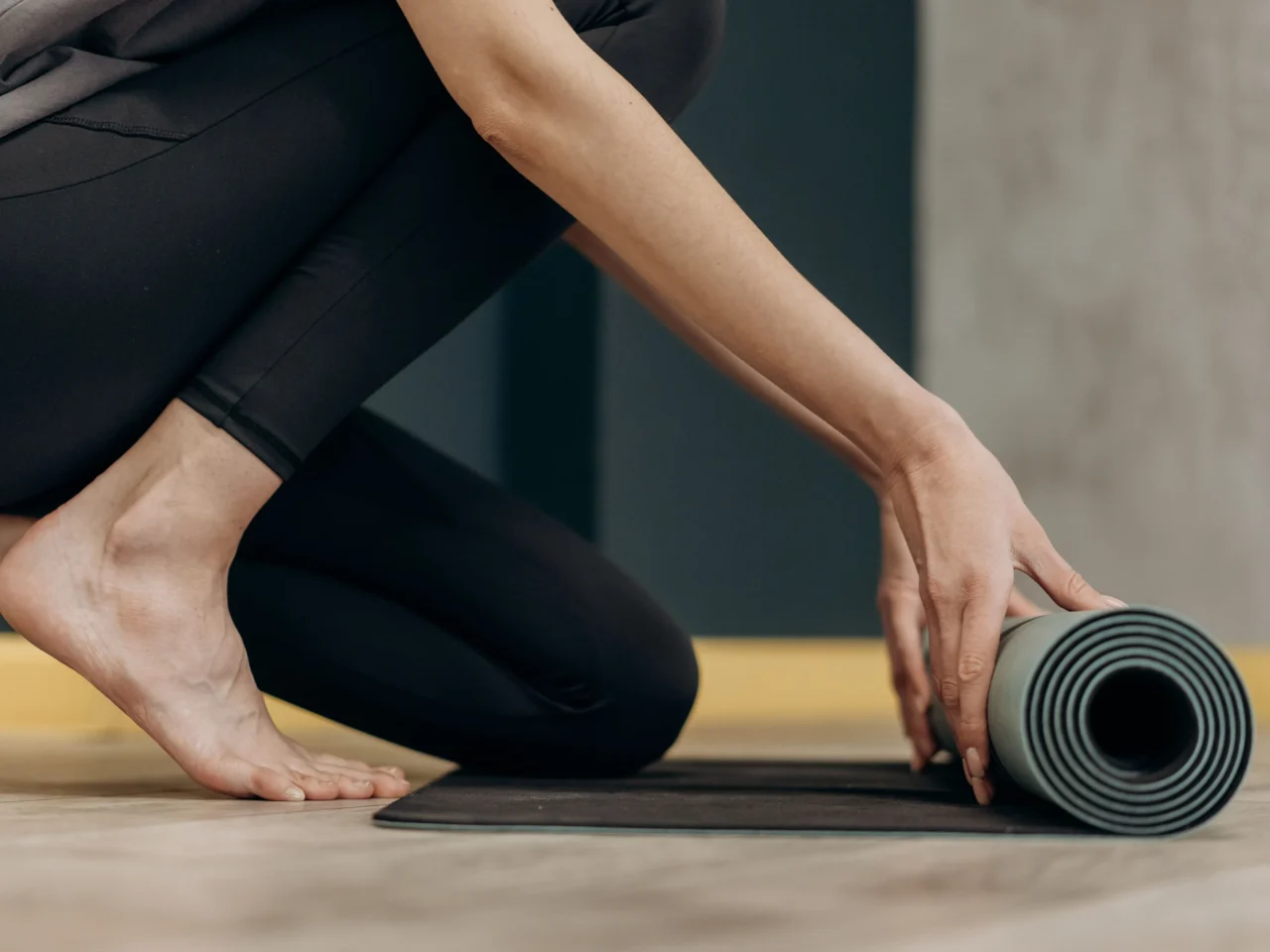
Most of us have been prioritizing movement lately—whether it’s daily walks, gym sessions, or joining a running club or on the pickleball craze that’s taken over Metro Manila. And that’s a good thing! But all that sweat and dirt has to go somewhere, and both doctors note that what you do after a workout—sometimes even before it—matters just as much as the workout itself.
Dr. Guevara describes it as a “double-edged sword”—it’s good for your overall health, and it can make your skin look better over time. But at the same time, there’s still much to deal with when you exercise outdoors: the sun, pollution, and skin damage. His advice? Take extra precautions.
“Put sunscreen before and after you exercise, thoroughly (and gently!) wash your face, and do the necessary protective care,” he said.
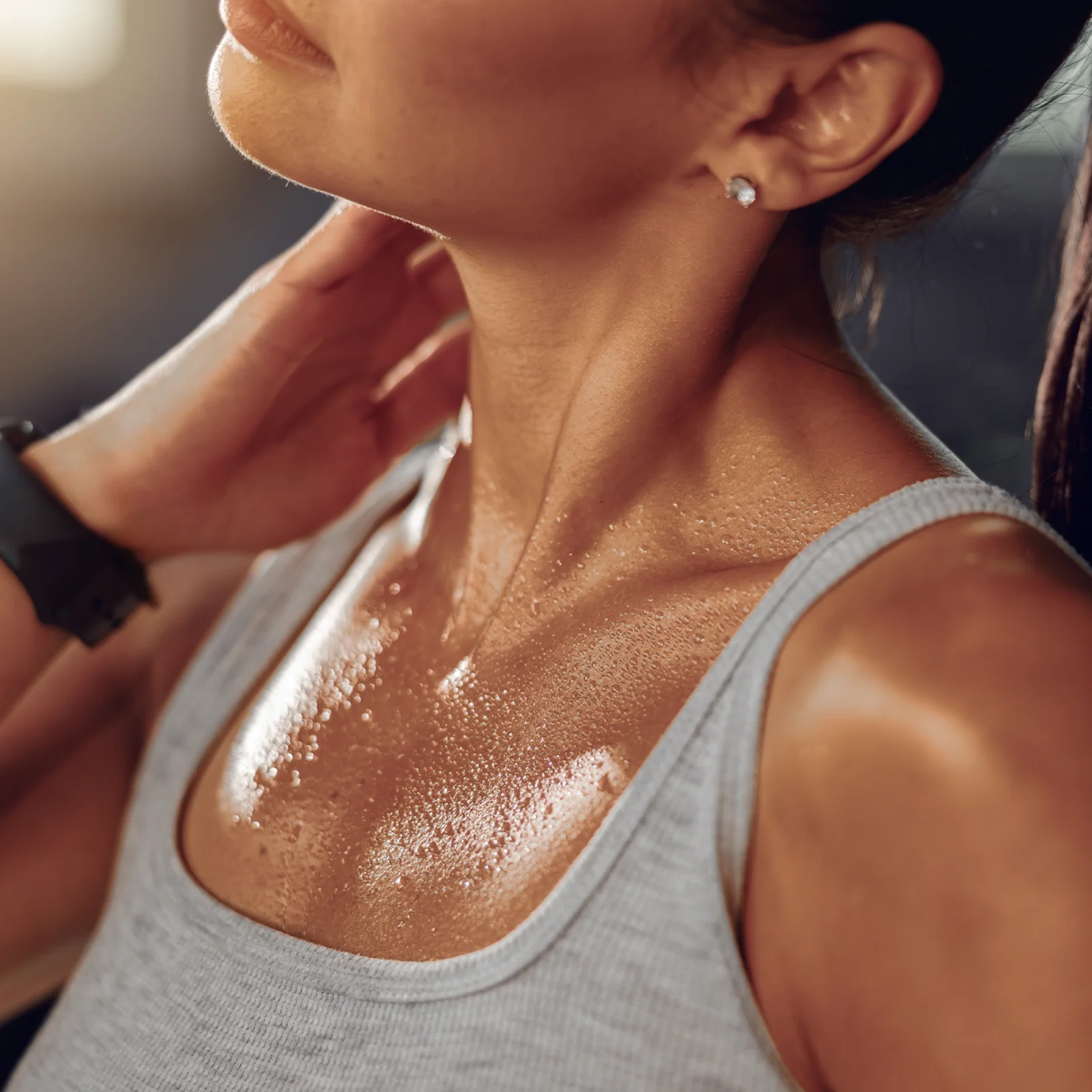
Dr. Esquivel takes it a step further, pointing to one habit she constantly sees in clinic: letting sweat, oil, and makeup stay on the skin for too long. “Sweat mixed with natural oils and makeup forms this trap over your pores,” she explains.
“Add in friction from tight gym clothes or headbands, and all of these may trigger breakouts. Ideally, you want to wash your face with a non-comedogenic, gentle cleanser immediately after working out, change out of dirty workout clothes, and never use your dirty gym towel on your face.”
Reason #4: Wrong skin care routines and products
Pexels
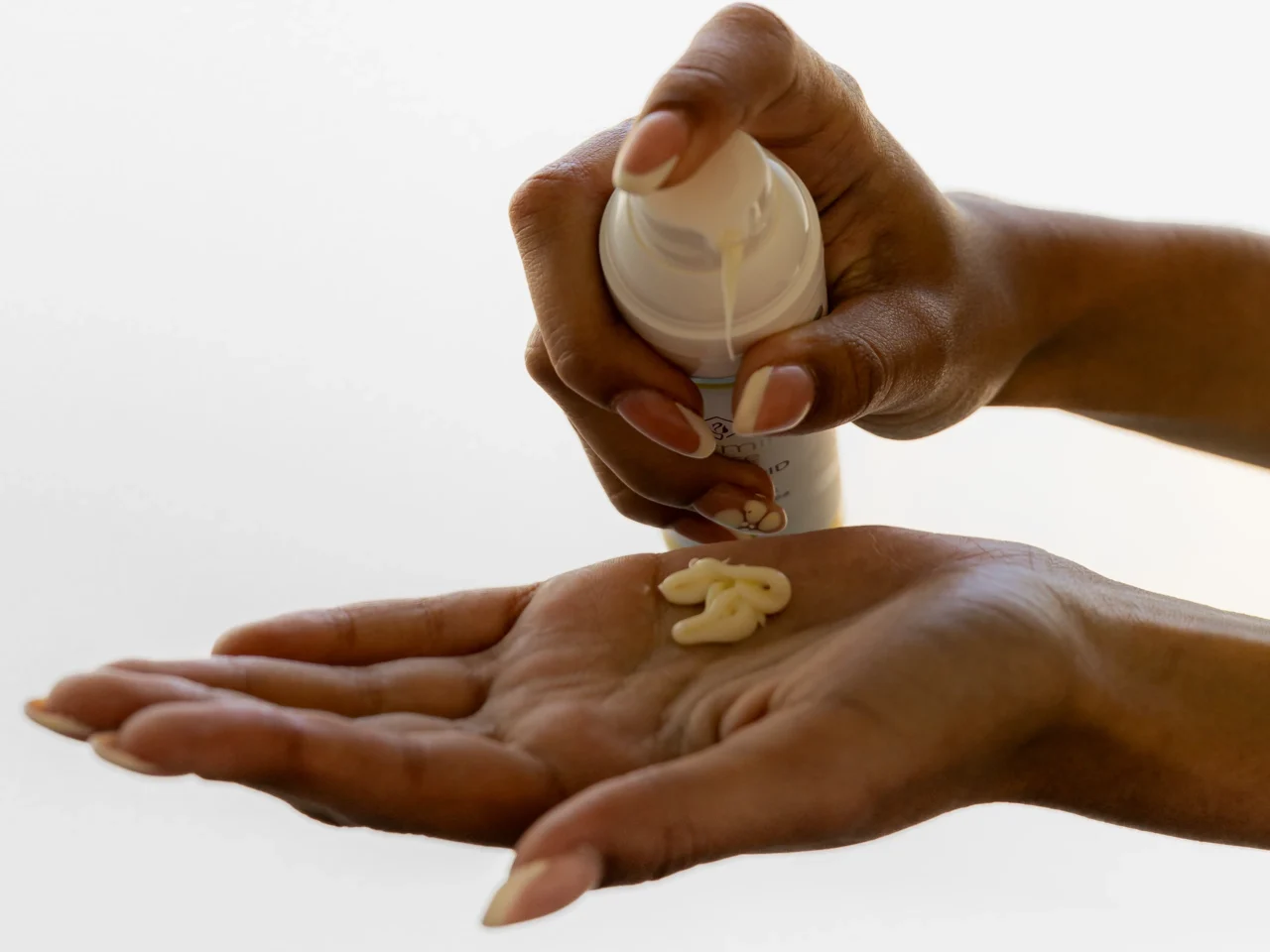
We’ve all gone down the rabbit hole of using viral products, realizing it doesn’t work, buying a new one, and then the cycle repeats. It can feel like a rite of passage—trial-and-error until you land on what actually works for your skin type. And of course, part of that journey is figuring out what causes your acne breakouts.
Drs. Guevara and Esquivel agree that the wrong products—not just the wrong routine—can make acne worse. “Sometimes, certain oily products, like makeup or even your shampoo or conditioner, can also aggravate it,” explains Dr. Guevara. “That’s why whenever we advise our patients in terms of proper makeup, they have to make sure that it’s not clogging their pores at the same time.”
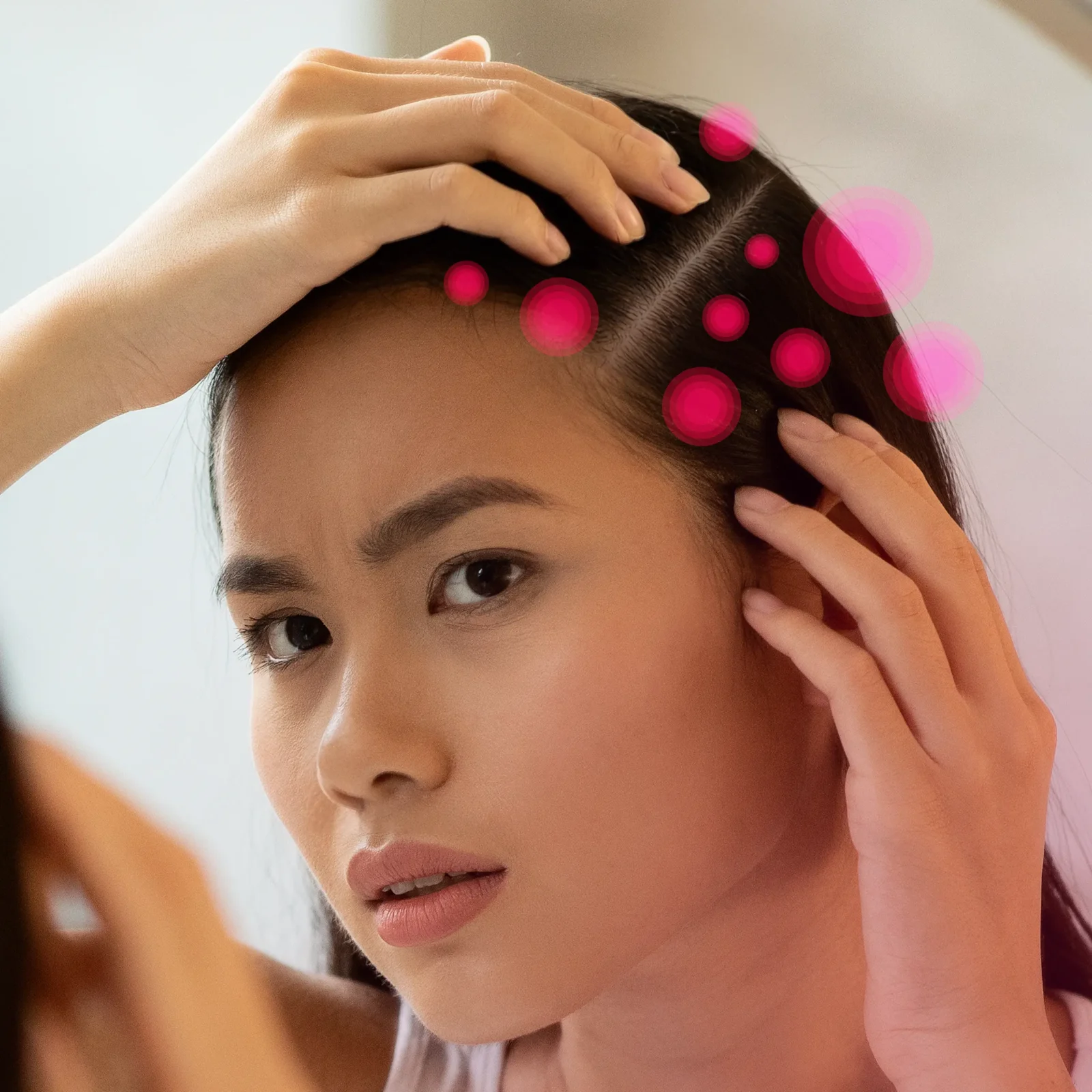
Dr. Esquivel also points out that certain hair products like leave-in oils or waxes can also clog pores in some people and contribute to breakouts along the hairline. She advises her patients with acne-prone skin to choose products with “non-comedogenic” or “oil-free” labels, as these generally work best for their skin type.
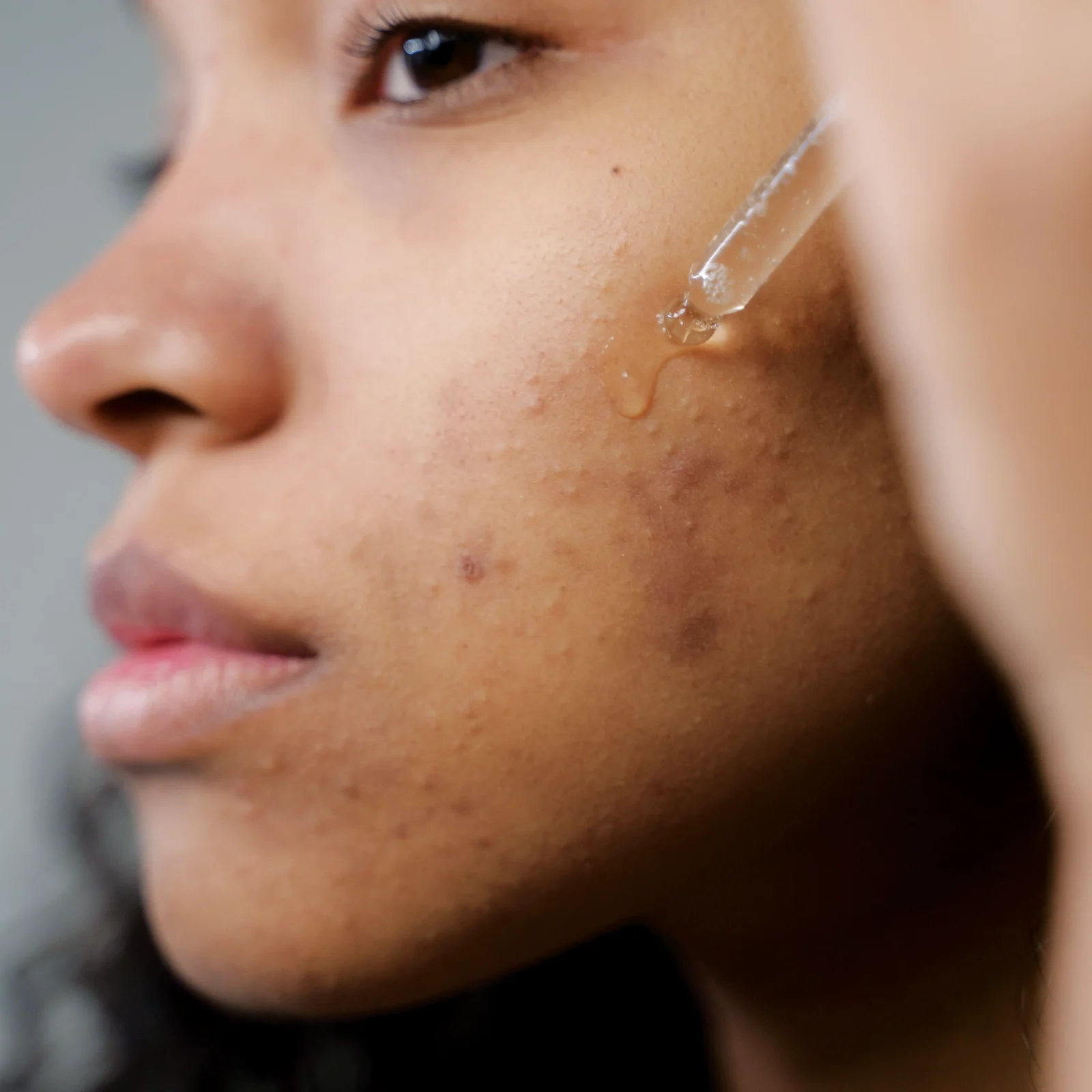
But it’s not just what you’re putting on your skin—it’s also what your hands are doing to it. Frequent face-touching, according to Dr. Esquivel, also contributes to acne by transferring oil, dirt, and bacteria from the hands to the skin. “While it may be tempting, picking pimples only increases inflammation and significantly raises the risk of scarring and post-inflammatory hyperpigmentation,” says Dr. Esquivel.
Reason #5: Over-cleansing and over-exfoliating
Envato Images
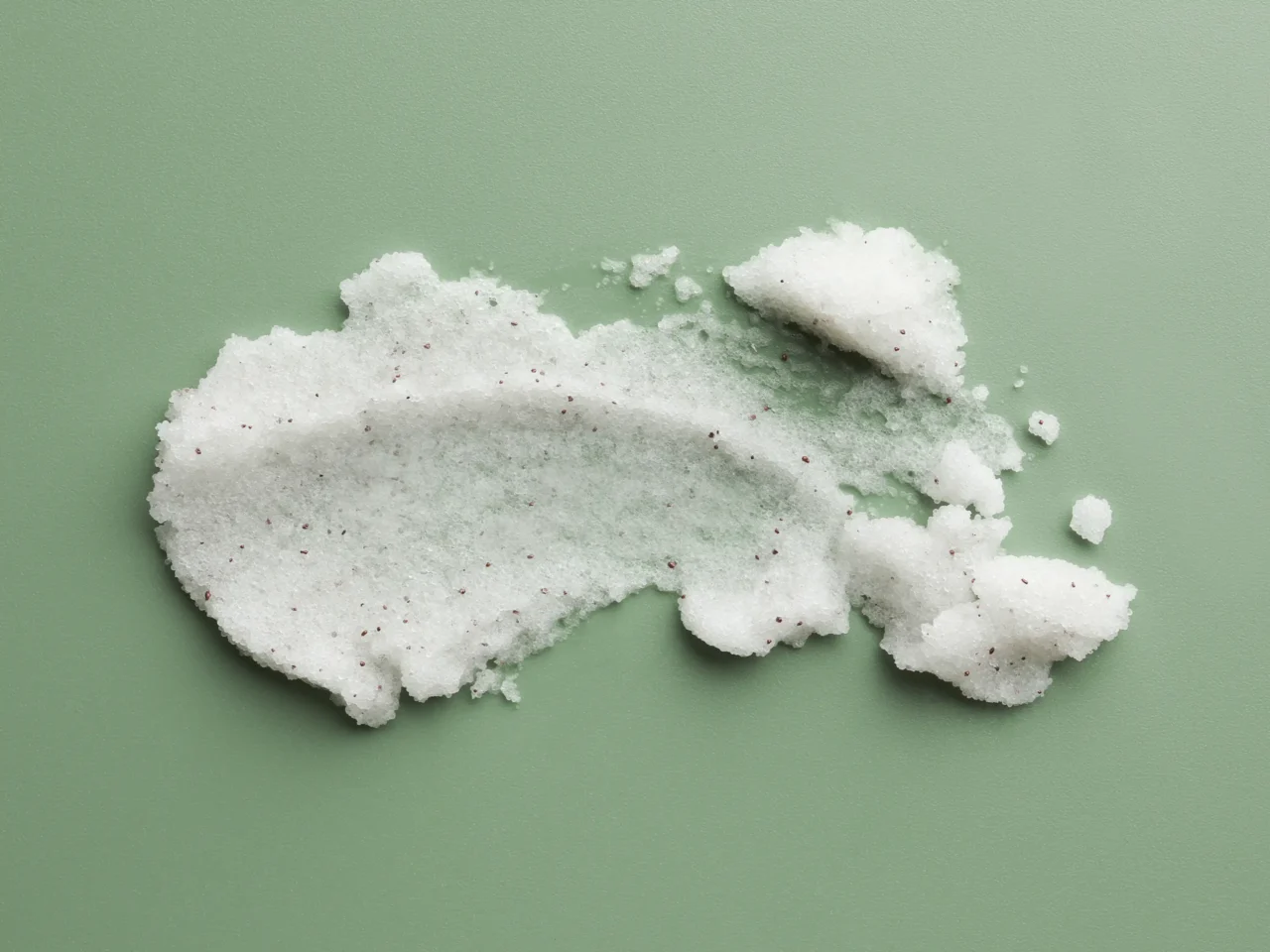
Imagine this: you’ve been out of the house for more than 12 hours, gone through hours of commuting, stayed under the sun for quite some time, and you’re back home tired. Your first instinct? Wash all the grime and dirt off your face—and then do it again, maybe with a scrub this time, just to make sure it’s really clean.
The takeaway? Even good habits have a limit—and both doctors agree cleansing is one of them. Dr. Guevara says that over-exfoliating and over-cleansing can irritate the skin and leave it drier than before, while Dr. Esquivel explains that it can damage the skin barrier, leading to irritation and inflammation that makes acne worse.
Their advice? Cleanse twice a day, max—and let your skin barrier do the rest. “When it comes to skin care, more isn’t always better,” says Dr. Esquivel.
If you can only fix one thing…
By now, it’s clear that acne isn’t just about what’s in your skin care routine—it’s about everything happening around it, too: your sleep, your stress, your diet, and even the products you may have overlooked. So we asked Dr. Guevara and Dr. Esquivel to narrow it down: If there’s one lifestyle habit that patients should change to improve their skin, what should they prioritize? Turns out, the answer isn’t as simple as choosing just one thing.
For Dr. Guevara, it’s about embracing an overall healthy lifestyle. “It can’t be just one,” he says. “It can’t just be your sleep, your food, or your skin care. It’s a holistic approach, and a combination of all the healthy, cumulative practices that you may have. In terms of skin care, and in terms of healthy choices, I think it’s a partnership.”
Dr. Esquivel, on the other hand, says that people need to give themselves a little more grace. “Something is always better than nothing, and a simple, consistent skin care routine will always outperform an expensive, complicated one that you can’t always stick to,” she says. “Instead of chasing quick fixes or splurging on the latest products, focus on an evidence-based routine that you can realistically maintain. When it comes to acne, consistency beats perfection every time.”
Frequently Asked Questions
Chronic stress raises cortisol, the body’s stress hormone, which increases oil gland activity and inflammation. Dermatologists note this can trigger or worsen acne, dandruff, and flare-ups in eczema and psoriasis.
High-glycemic foods like rice, pandesal, and sugary drinks spike blood sugar, which can increase sebum production and inflammation. With iced coffee, it’s usually the added sugar, not the caffeine, that’s the culprit.
Wash your face with a gentle, non-comedogenic cleanser immediately after exercising, since sweat mixed with oil and makeup can clog pores. Change sweaty clothes and avoid reusing a dirty gym towel on your skin.
Frequent face-touching transfers oil, dirt, and bacteria onto the skin, while picking at pimples increases inflammation and significantly raises the risk of scarring and post-inflammatory hyperpigmentation, dermatologists warn.
Over-cleansing and over-exfoliating can damage the skin barrier, causing irritation and inflammation that worsens acne. Dermatologists recommend cleansing no more than twice daily and letting the skin barrier repair itself.