

Dealing with acne is something that a lot of people can relate to—almost like a rite of passage for teenagers. And for me, fighting acne has been both personal and long-standing. These pesky big red zits started showing up on my face when I was 13, my self-esteem was its lowest, and in search of a remedy I tried using over-the-counter skin care products. But when those products didn’t work and I was still getting breakouts, I finally sought the help of a board-certified dermatologist.
It took a combination of topical creams, oral antibiotics and consistent consultations with my dermatologist before my acne subsided, so I know how it feels to try a lot of treatments and hearing how it can get worse before it gets better.
Good news is that acne treatments are continually developing. According to board-certified dermatologists Raissa Francisco-Pasion, MD, FPDS, and Karen Gavino-Dionisio, MD, FPDS, there are several emerging acne treatments that experts are watching out for. These regimens, some of which are already approved by the U.S. FDA, but not yet available or approved locally by our local FDA, represent the future of acne care that Filipinos may soon benefit from.

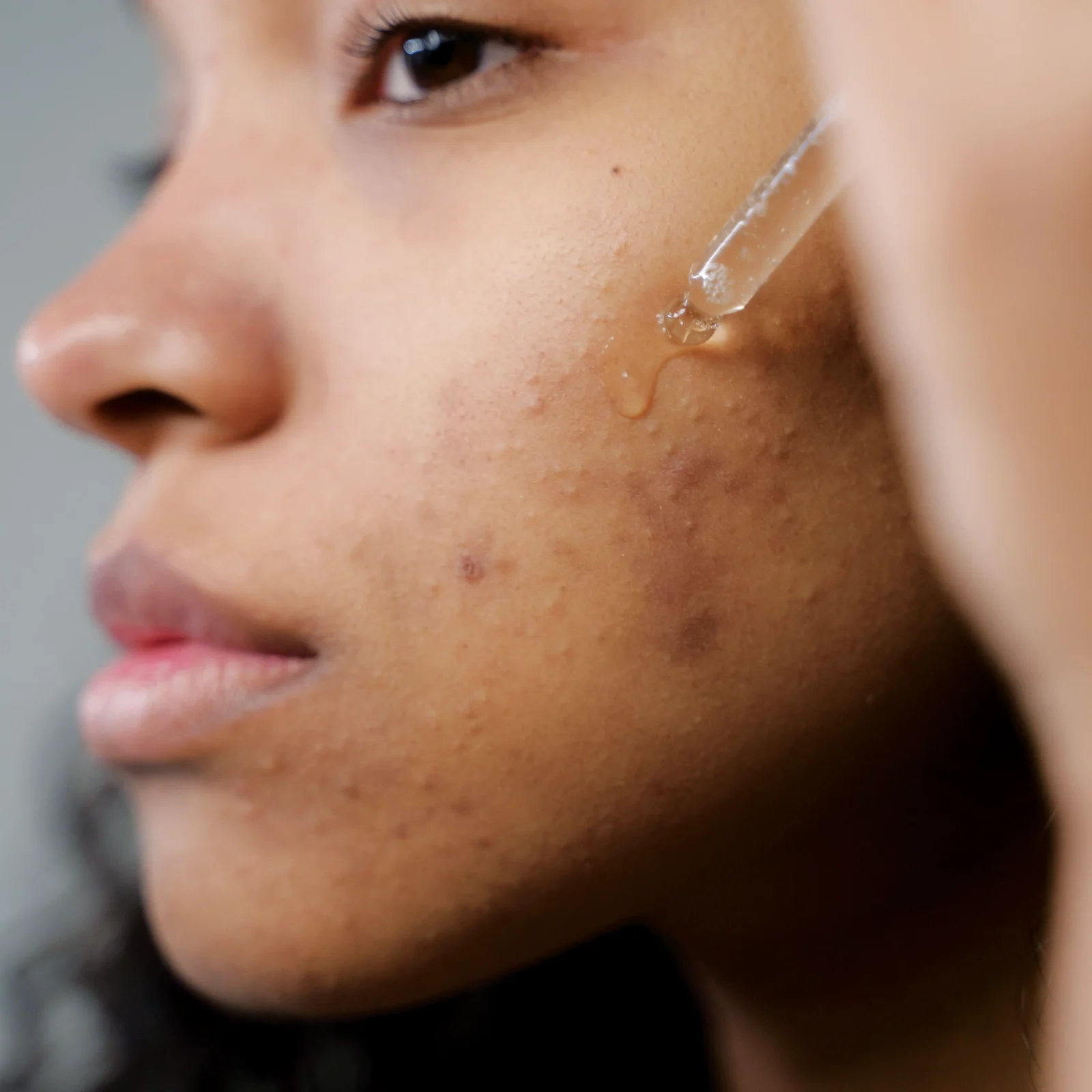
Pexels / Greta Hoffman
Clascoterone
“A new topical acne treatment that I’m watching out for is clascoterone, the first [U.S.] FDA-approved topical androgen receptor inhibitor,” says Dr. Francisco-Pasion.
“It is the first of its kind to target sebum production at the receptor level and is particularly useful for adult female acne or hormonal acne. It offers a localized alternative to systemic hormonal therapy,” Dr. Gavino-Dionisio adds. While many topical treatments focus on addressing bacterial growth and clogged pores, few have been able to curb sebum production.
It works by blocking androgen receptors in the sebaceous gland to help reduce oil production and inflammation without the systemic effects of oral hormonal therapies, Dr. Francisco-Pasion explains. Androgen, a type of hormone, can stimulate the sebaceous glands to produce more oil than necessary, which plays a major role in the development of acne. By blocking androgen receptors in the skin, clascoterone helps reduce sebum production at its source.
New laser treatments for acne
Aside from topical products, there are also new laser treatments. “New 1726 nanometer wavelength lasers (AviClear and Accure) selectively target the oil glands in the skin. This specific wavelength is designed to heat the sebaceous glands while sparing the surrounding tissue, leading to reduced sebum production, treating the root cause of mild to severe inflammatory acne,” Dr. Francisco-Pasion shares.
These lasers show promising results, with patients experiencing continued improvement months after treatment and a gradual reduction in acne over time. “This is a good option for patients with mild to severe acne who want long-term control and do not want oral medication,” she notes.
Currently, these next-generation laser treatments, specifically AviClear, are available in the Philippines in select private dermatology clinics.
Sarecycline and trifarotene
While new technologies emerge, established treatments are also evolving. Dr. Gavino-Dionisio points to trifarotene. “It is a new-generation retinoid for acne treatment that has more selective RAR-γ receptor activity for efficacy with better tolerability.”
RAR-γ or gamma retinoic acid receptors play a critical role in modulating the therapeutic effects of retinoids in our skin. “It is indicated for use on the face and body, and it prevents scarring and hyperpigmentation,” she continues. Currently, trifarotene is available in local drugstores via prescription.
She also highlights sarecycline, a U.S. FDA-approved narrow-spectrum oral antibiotic. Narrow-spectrum means it targets a specific range of bacteria. “Compared to older tetracyclines, it is designed to minimize disruption of the gut microbiome while maintaining antibacterial and anti-inflammatory effects.”
Acne vaccines
As early as now, experts including Dr. Francisco-Pasion are looking forward to the emerging concept of acne vaccines. These vaccines are being developed to target the inflammatory pathways triggered by Cutibacterium acnes (this is the bacteria linked with acne). “Essentially, they modulate the immune response rather than the bacteria itself. So instead of trying to eliminate acne-causing organisms, you’re teaching the body not to overreact to them,” she clarifies.
These vaccines remain in development, with ongoing studies projected through 2029, and as Dr. Francisco-Pasion explains, “these are meant to be therapeutic vaccines, not an immunization against the disease.”
Acne treatment needs a professional approach
Acne, however, a collective struggle for many, is not a one-size-fits-all condition. It is a concern that requires a targeted, professional approach. A board-certified dermatologist can help identify the most appropriate treatment plan for you, backed by expertise and research—because the last thing you want to do is self-experiment with your skin.
Frequently Asked Questions
Dermatologists are paying attention to emerging treatments such as clascoterone, 1726-nanometer laser therapies like AviClear and Accure, newer medications like trifarotene and sarecycline, and ongoing studies for acne vaccines.
Yes, some next-generation laser treatments, such as AviClear, are already available in select private dermatology clinics in the Philippines.
Trifarotene is a newer retinoid with more selective RAR-γ receptor activity, which allows it to treat acne on both the face and body with better tolerability. It also helps prevent scarring and post-inflammatory hyperpigmentation, and is currently available in local drugstores via prescription.
Acne vaccines are currently in development and not yet available. Rather than eliminating acne-causing bacteria, they aim to regulate the body’s immune response to reduce inflammation. Ongoing clinical studies are projected to continue through 2029.
Persistent or severe acne is best treated with the guidance of a board-certified dermatologist. Acne is not a one-size-fits-all condition — a professional can identify the most appropriate treatment plan based on your skin type, severity, and medical history.