
Does Chocolate Cause Acne?
Board-certified dermatologists break down the truth about this long-standing skin-care myth, on whether or not eating chocolate really causes you to break out.


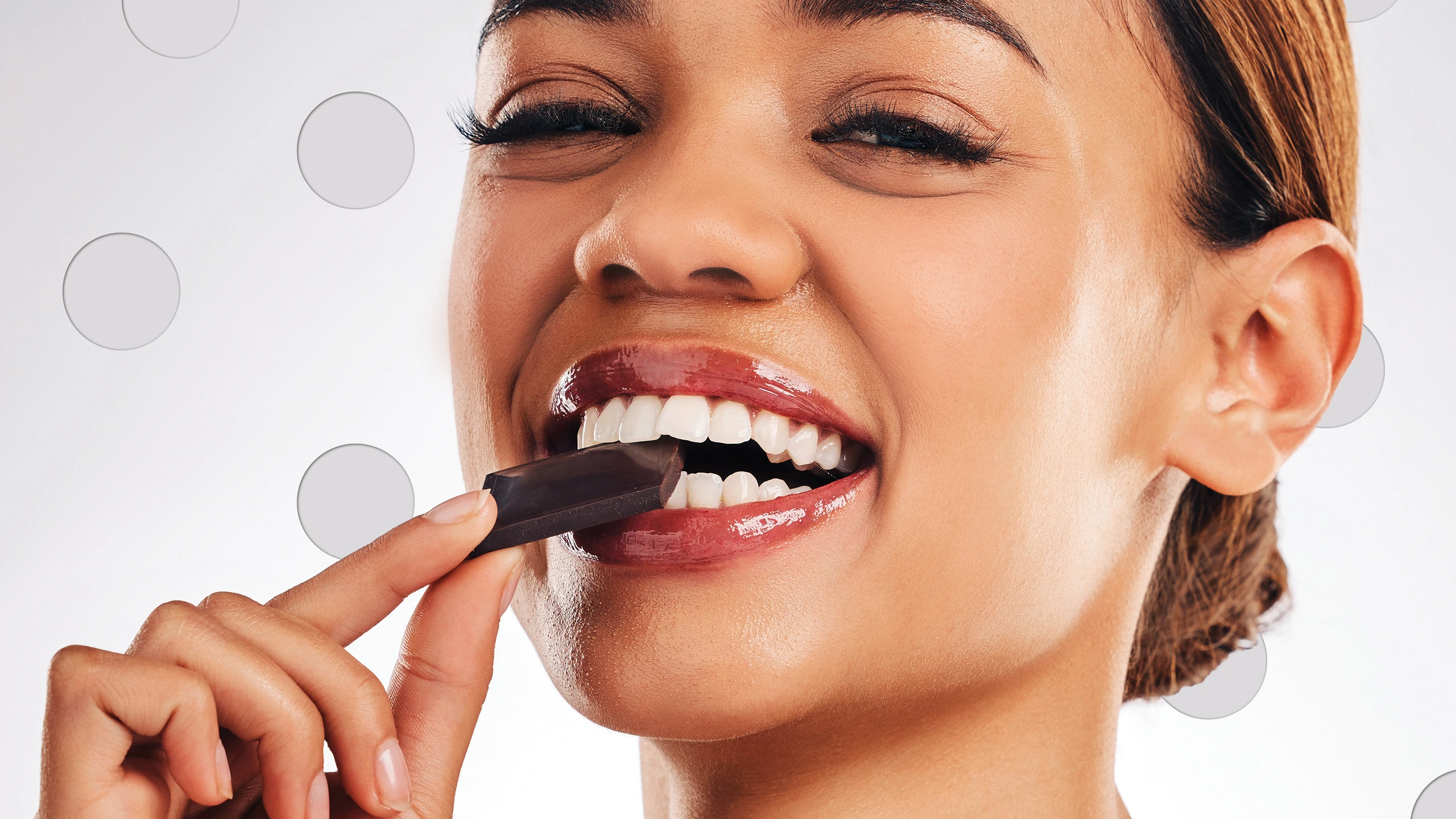
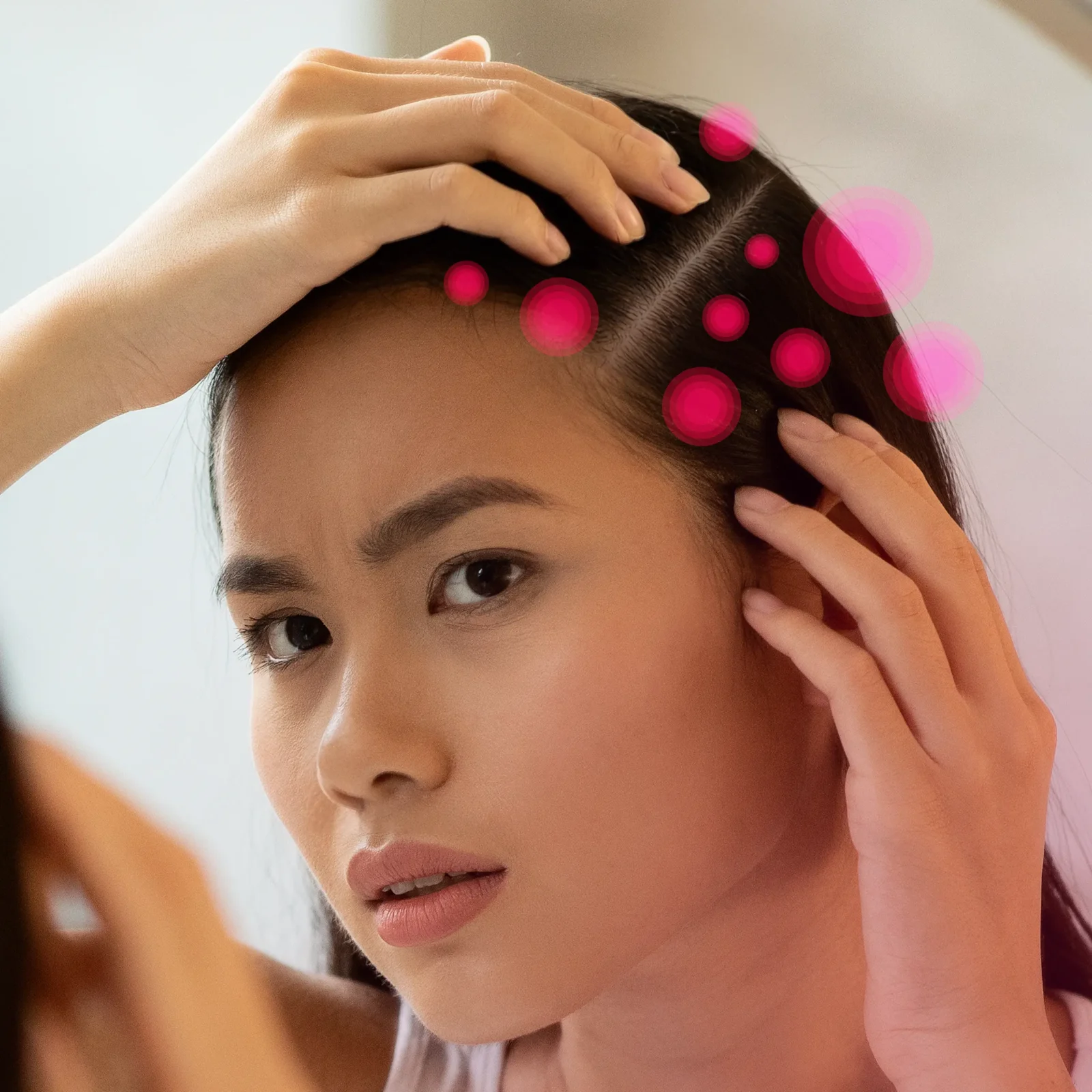
You nestle into your couch on a cozy Friday night with your comfort movie on the TV and your favorite chocolate bar in hand. All is well. But just a few short days later you notice a brand new pimple on your face, and you’re worried that little treat might be the culprit. But does chocolate really cause acne?
The skin care myth that eating chocolate leads to breakouts has been circulating for so long that we can’t blame anyone who’s assumed it was the case. While it’s true that the road to healthy skin can be just as much about what goes into your body as what goes on top, the link between chocolate and pimples is a little more complicated. So, we asked some dermatologists to explain the connection.
Meet the experts:
Naana Boakye, M.D. is a board-certified dermatologist in New Jersey
Mona Gohara, M.D. is a board-certified dermatologist in New York City
Does chocolate cause acne?
A study published in the Journal of the American Academy of Dermatology gave one group of 28 college students one milk chocolate bar and another group of equal 15 jelly beans. Four weeks later, they swapped the candy that each group would receive. Forty-eight hours after both instances, a dermatologist assessed photos of the participants and noted that the chocolate groups “had a statistically significant increase in acne lesions” compared with the jelly bean eaters. The authors of that study hypothesized that this is because chocolate flavonoids can cause your body to release more cytokines, a protein that tells your immune system to create more inflammation to fight off potential infection.
While this one small study sure seems to pit milk chocolate against jelly beans, it’s likely a bit more complicated. (The study concludes with a note that more research is needed — including studies that monitor the participants’ total diets more diligently — to reach a true consensus.) The dermatologists we spoke to for this story explain that it’s not fair to place the blame on chocolate alone; there are plenty of treats that could play a part in a sudden breakout. “High glycemic foods, processed foods, and sugar are definitely triggers for acne,” says board-certified dermatologist Naana Boakye, M.D., who confirms that chocolate with high milk and sugar content falls into these categories. “It’s not chocolate alone, it is the group of foods to which it belongs as a whole,” says board-certified dermatologist Mona Gohara, M.D.
Why am I breaking out while eating chocolate?
To understand what exactly about sugar and milk in chocolate causes acne, we get a bit science-y. “Whey protein isolates in the milk are basically binding to insulin-like growth factors,” says Dr. Boakye. “There’s this huge inflammatory cascade that occurs that causes your sebum to increase and causes microcomedones (acne) to occur.” According to the American Academy of Dermatology, that “inflammatory cascade” can happen when your blood sugar spikes too. The inflammation, in turn, causes your skin to make more sebum (oil) and, in turn, you could end up with a breakout.
But what about the lucky few who seem like they could spend the day at Willy Wonka’s and come out unscathed with no pimples? Dr. Boakye chalks that up to genetics. Some people can withstand eating lots of sugary foods without breaking out simply because that’s how their genes are set up — though a diet that includes high amounts of sugar could still have negative effects elsewhere in the body, even if your skin stays clear.
So, how do I make this breakout go away?
If you’ve ended up with extra pimples after eating some chocolate, derms suggest treating it the way you would any breakout. Skin care products with acne-fighting actives coupled with gentle supporting products like a fragrance-free moisturizer are your best bet here. “Consider using cleansers with ingredients like salicylic acid or benzoyl peroxide, or even consider a sulfur cleanser,” says Dr. Boakye. These active ingredients will help red, inflamed pimples and pustules go away faster.
Dr. Gohara also warns against picking at your breakouts and over exfoliating as this can cause more irritation. “Put a pimple patch on bigger lesions that are tempting you to pop,” says Dr. Gohara.
If you do want to eat milk chocolate occasionally (or even fairly frequently) but avoid a potential breakout, derms recommend balancing out your cravings with a healthy diet and a good skin-care routine. “Incorporating some type of retinol or retinoids can also help with acne lesions, pre-acne lesions, and also even be preventative,” says Dr. Boakye.
TikTokkers say chocolate is good for your skin. Is there any truth to that?
Some TikTokkers have taken to the platform to proclaim that eating chocolate is actually good for your skin. And, despite everything we’ve written to this point, there actually is some truth to this: The derms we spoke to agree that dark chocolate could actually have some skin-care benefits. Dr. Gohara says a square daily for dessert or two to three times a week is enough to reap the skin care benefits of this treat. “Dark chocolate has antioxidant properties that can help neutralize free radicals brought about by UV light and pollution,” says Dr. Gohara. “This can even out skin tone, minimize fine lines, and add an overall rejuvenating effect on the skin.” Dr. Boakye echos this, adding that the higher the cocoa content in the chocolate, the better it is for your skin.
Originally published in Allure US.
Frequently Asked Questions
The relationship is real but not simple. A study published in the Journal of the American Academy of Dermatology found that participants who ate milk chocolate had a statistically significant increase in acne lesions compared to those who ate jelly beans. However, dermatologists note the blame cannot be placed on chocolate alone — high glycemic foods, processed foods, and sugar as a category are the broader triggers. Chocolate with high milk and sugar content falls into these categories, which is why it can contribute to breakouts.
Whey protein isolates in milk chocolate bind to insulin-like growth factors in the body, triggering an inflammatory cascade that increases sebum (skin oil) production and leads to the formation of microcomedones — the early stage of acne. Blood sugar spikes from high-sugar chocolate can cause the same cascade independently. Both pathways — dairy protein and sugar — converge on increased sebum and inflammation, which are the two primary biological drivers of acne.
Genetics play a significant role. Some individuals are simply set up to tolerate high-sugar diets without developing acne, according to board-certified dermatologist Dr. Naana Boakye. However, she notes that a diet high in sugar can still have negative systemic effects even in people whose skin remains clear — the absence of acne does not mean the diet is without consequence elsewhere in the body.
Dermatologists recommend treating it like any acne breakout: cleansers containing salicylic acid, benzoyl peroxide, or sulfur can reduce inflammation and speed up healing of red, inflamed pimples and pustules. Pimple patches are recommended for larger lesions to prevent picking and further irritation. Retinol or retinoids can be incorporated as both a treatment and a preventive measure for future breakouts. Over-exfoliating should be avoided as it increases irritation.
Yes — dark chocolate has a different profile from milk chocolate. According to board-certified dermatologist Dr. Mona Gohara, dark chocolate contains antioxidants that help neutralize free radicals caused by UV light and pollution, which can even out skin tone, minimize fine lines, and have a rejuvenating effect on the skin. Dr. Boakye adds that the higher the cocoa content, the greater the skin benefit. Both dermatologists suggest one square daily or two to three times per week as sufficient to gain these benefits.
- KEYWORDS
- acne
Latest Stories


You might also like
To provide a customized ad experience, we need to know if you are of legal age in your region.
By making a selection, you agree to our Terms & Conditions.