

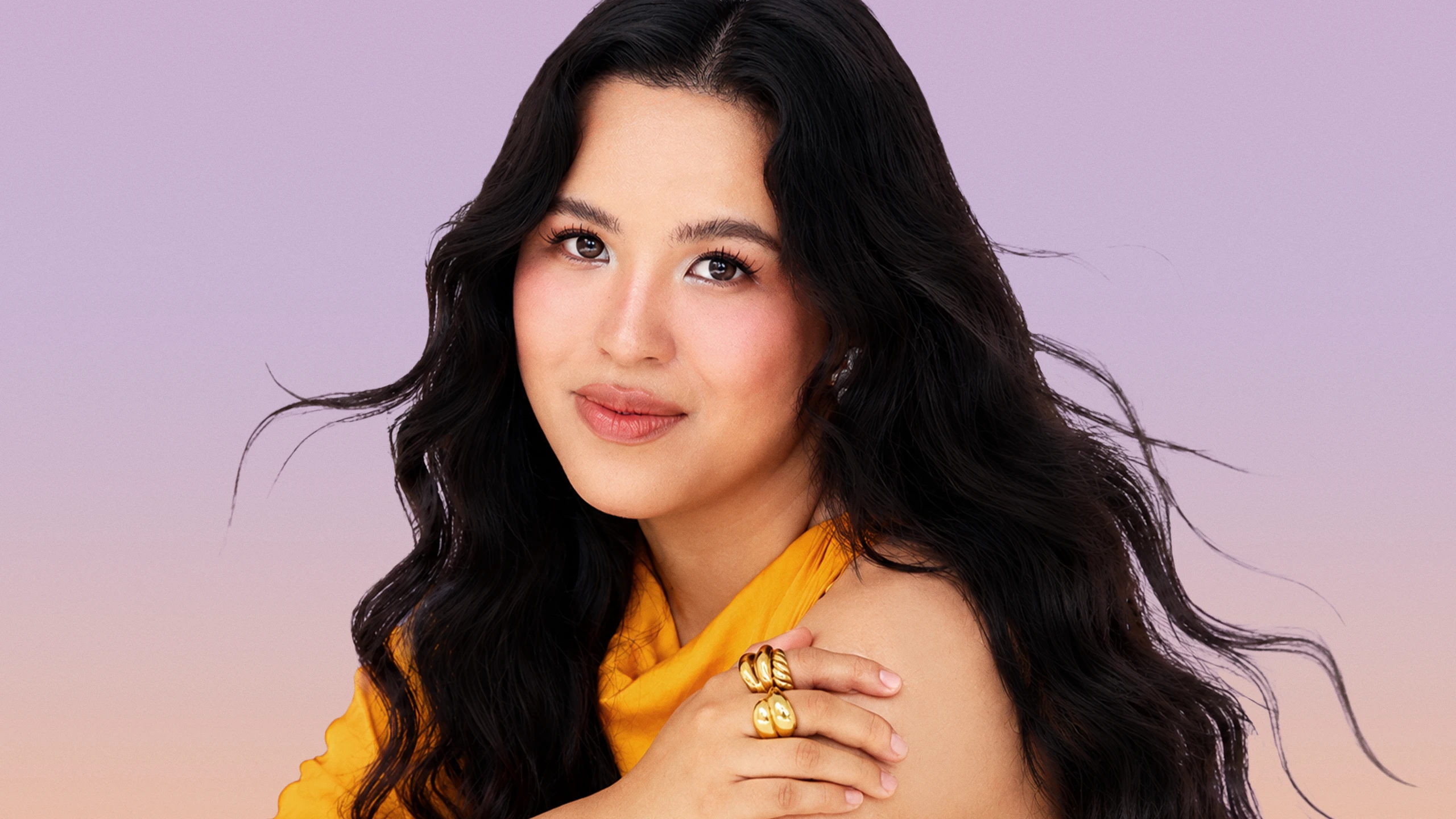
The year was 2013. Mikka Marcaida was just starting out as a makeup artist, and was charging Php 500 per head for glam.
“Lashes at that time would cost me from around Php 350 to 700, 800 up to 1,000 just for a pair of lashes. I couldn’t afford to get lashes worth 700 pesos for my 500-peso job,” Marcaida recalls today. It was a dilemma indeed, especially if you consider the fact that the false eyelashes that she was expected to shell out money for weren’t even suited to the Filipino eye shape. They would feel heavy and were difficult to wear, and just didn’t fit Filipino eyes in general.
“We didn’t have lashes that catered to our own eye shapes. The existing brands catered to western eyes: bigger eyes, deep-set eyes. For our own eye shapes, almond or chinita eyes, we didn’t have that assortment,” Marcaida shares.
Most people would have looked hard to find cheaper alternatives, perhaps even convinced their clients to forego false eyelashes. But Marcaida decided to go a different route: she discovered that most false eyelashes at the time were made in Indonesia, flew there to find suppliers, found lash styles made for Indonesians and tweaked them for Filipino eye shapes, and, with Php 20,000 in her pocket, set up her false eyelash brand Faboulash at the age of 22.
Aris Solidum
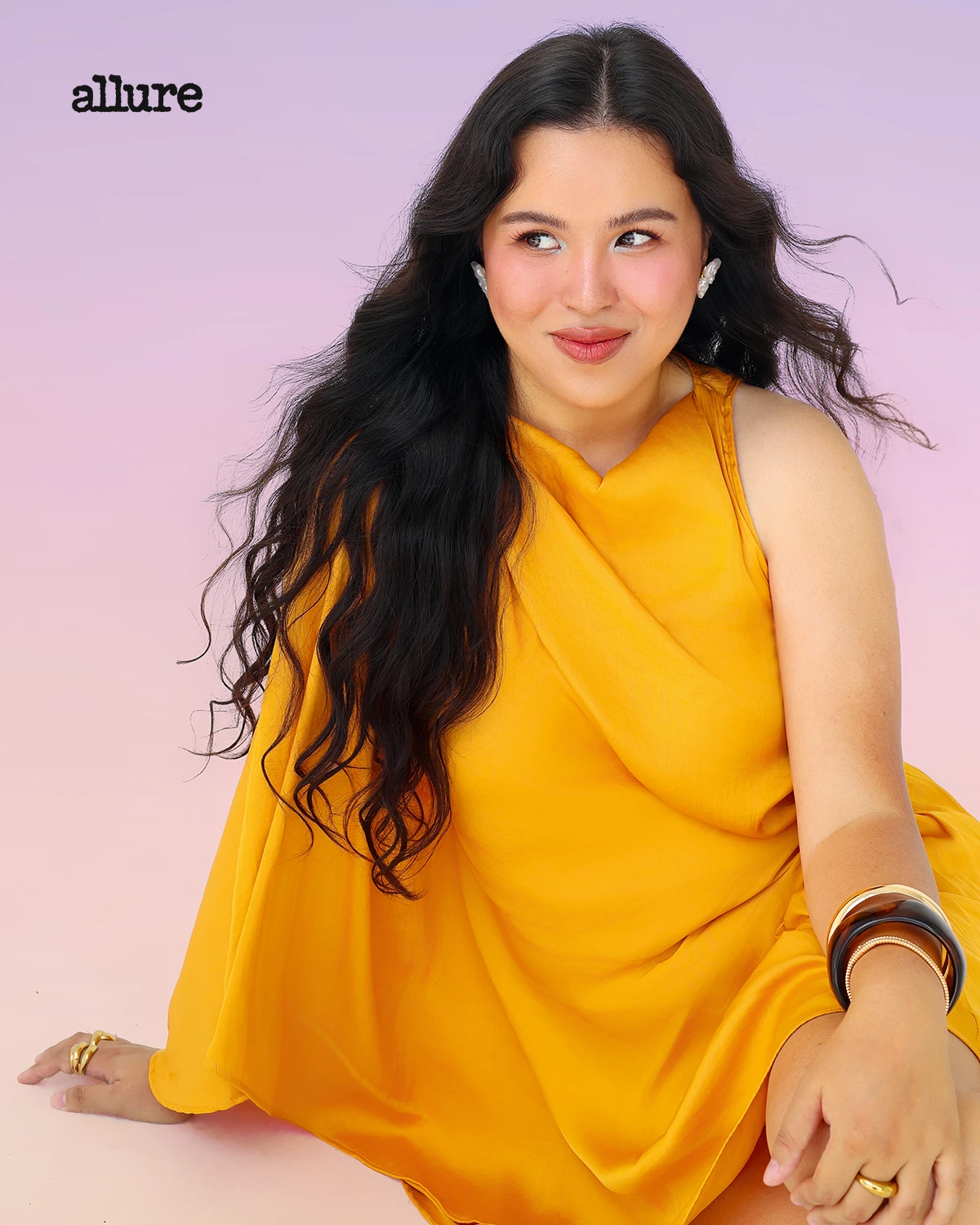
It’s definitely not the easiest way to solve a problem: create a business to act as a supplier. But for Marcaida, it doesn’t seem too far out of character.
Marcaida, who hails from a Filipino-Chinese family involved in business, had long planned to become a doctor. In college, where she learned to do makeup by watching Michelle Phan on YouTube, she studied psychology for her undergrad pre-med course. After graduation, she was gifted with a trip to New York City, where she went to her first-ever makeup convention. After that trip, she told her parents she wanted to go to makeup school.
“They thought, ‘Okay, this is just going to be a pastime’ or ‘she’s still going to go to med school,’” Marcaida shares. But when she came back, with an airbrush machine in tow that she had purchased for her newly-chosen career, she told her parents, “I want to pursue becoming a makeup artist.”
Makeup artistry not only became her new path, but created a fork in the road leading to Faboulash. “I feel like starting Faboulash came hand-in-hand with starting my makeup career,” Marcaida muses. “I was three years in my makeup journey when I started Faboulash.”
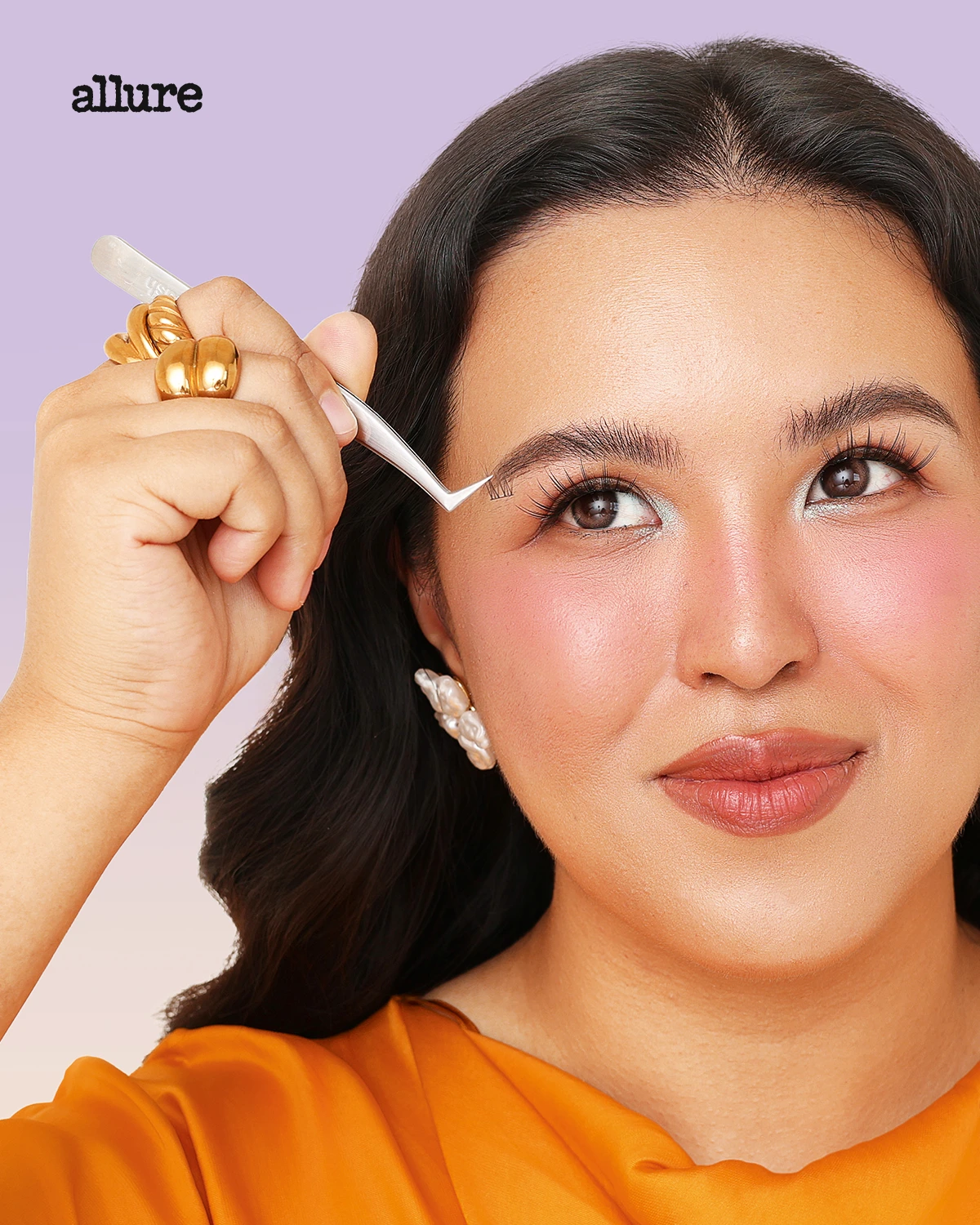
What sets Faboulash eyelashes apart from other false eyelash brands is that they are, first and foremost, made for Filipino eye shapes. Marcaida prides herself on bringing her expertise as a makeup artist into her business. Because she has done makeup for so many different Filipino women, she knows what works best for everyone. “I know which lashes work on every eye shape,” she says.
Aris Solidum
She’s also proud that their lashes are lightweight. “Lashes are worn almost the whole day,” Marcaida explains. “If it’s heavy, it irritates your eyes. Sobrang proud ako because our lashes are perfect for every day.”
The variety of their offerings, as well, is something Marcaida highlights. “We’ve catered to so many girls na iba-iba yung style: the foxy eye look, the manga, the Chinese or Korean eye style. I’m so proud na no matter what, we have it all.”
Ten years ago, sliding into one’s DMs wasn’t a thing yet, but that was the guerilla marketing tactic Marcaida adopted for Faboulash. She messaged veteran makeup artists, her “mamas in the industry,” as she calls them: Robbie Piñera, Denise Go-Ochoa, and Gela Laurel, imploring them to try her lashes. “Even before my career boomed as a makeup artist, the makeup mamas knew me as the owner of Faboulash. They were my first clients, and sila talaga yung secret. They were the key. Faboulash became a niche lash brand within our circle.”
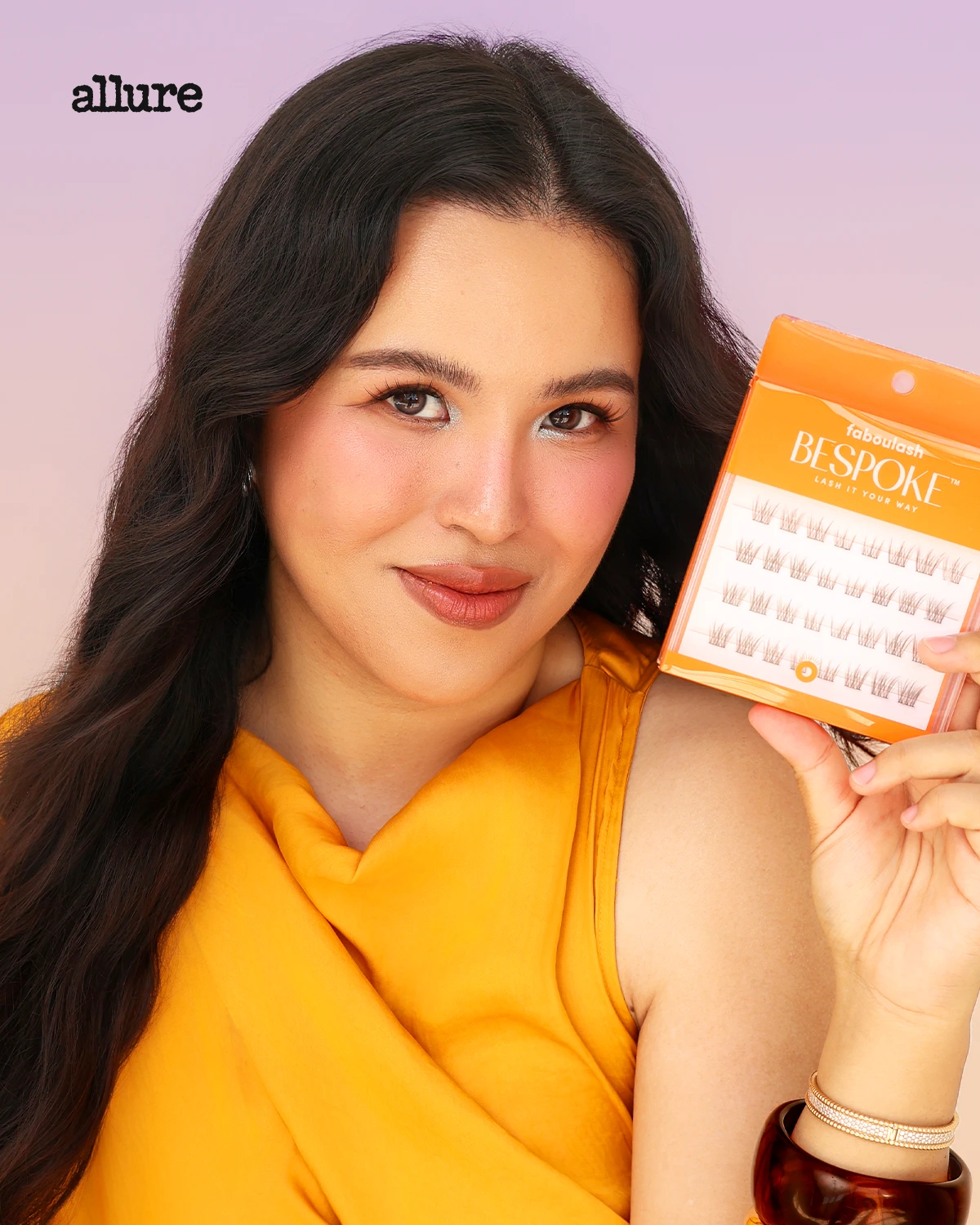
Today, Faboulash lashes are made in both Indonesia and China, some made of human hair, others made of synthetic fibers. But while the lashes are manufactured abroad, operations take place in Manila, which is interesting, considering the fact that Marcaida moved to the United States in 2023.
“I adjust to Filipino time,” Marcaida says, explaining how she manages to remain fully involved in running Faboulash despite the distance and time difference. “Usually, my cut-off time is around 12 midnight, which is 3 p.m. in the Philippines. But sometimes, when I need to, I can stay up until 3 a.m. L.A. time.”
Aris Solidum
In the same vein of how Marcaida pivoted from a long-set path of medical school to become a makeup artist, she decided in around 2020, right before the pandemic, that she wanted to move to the United States and work as a makeup artist there. “It’s always been a dream of mine to work here,” she says, speaking to us via video call from her base in Los Angeles. “I wanted to try to bring my artistry to a more global stage. I feel Filipinos are very, very talented, and we have a lot of things to offer. And you see so many Asian artists doing really great here, like Nina Park and Hung Vanngo. They became my inspiration to move here.”
Since the big move, Marcaida has managed to score plum gigs, such as assisting celebrity makeup artist Pati Dubroff. “I’ve been able to assist a lot of makeup artists I look up to. One of them is Pati Dubroff,” Marcaida shares. “We’ve worked on covers together, a Chanel campaign with Margot Robbie, and different jobs. She’s given me a lot of opportunities.”
It’s apparent from our conversation that Marcaida is full of dreams. She is not, however, just a dreamer. She is a doer, one who created a product and brand that she herself badly needed.
She’s tight-lipped about the future of Faboulash, which is now on its 10th year, only sharing that she has many plans in the works for the brand. If her own story of doggedness is any indication, then it’s worth watching all the next steps, twists, and turns in store for a brand created especially for the Filipino.
Photography by Aris Solidum. Makeup and Hair by Mikka Marcaida. Styling by Marqui Quijano. Art Direction and Beauty Direction by Mikiyo Ricamora.
Frequently Asked Questions
Most false lash brands are built for Western eyes—larger and deep-set. Mikka Marcaida of Faboulash notes that almond and chinita shapes common among Filipinos were underserved, leaving wearers with lashes that felt heavy, sat awkwardly, and were difficult to wear comfortably.
Faboulash is a Philippine false eyelash brand founded in 2013 by makeup artist Mikka Marcaida, then 22, with Php 20,000 in starting capital. She sourced suppliers in Indonesia and adapted existing lash styles for Filipino eye shapes. The brand is now in its tenth year.
Marcaida recalls paying between Php 350 and Php 1,000 per pair in 2013, while charging Php 500 for a full makeup service. That gap—where one pair could cost more than the job itself—is what pushed her to build a supplier brand.
Marcaida cites foxy eye, manga, and Chinese or Korean lash styles among the assortment, drawn from doing makeup across a wide range of Filipino clients. Lightweight construction is a stated priority, since lashes are typically worn for a full day and can irritate eyes.
Faboulash lashes are made in Indonesia and China, in both human hair and synthetic fiber versions. Operations remain based in Manila, with Marcaida running the brand from Los Angeles since 2023 by keeping Philippine hours—a midnight cut-off in L.A. time.
- A Gen Z Beauty Brand Founder Shares the Beauty Mistakes She Committed—And What She Learned From Them
- How Momoi Supe Created His Beauty Universe
- Albert Kurniawan Has Checked His Bucketlist as a Makeup artist—Now He’s Mastering the Business of Beauty
- These Makeup Brushes Were Designed for the Way Filipinos Actually Do Makeup