A lot of salon treatments come with unspoken trade-offs. Stacking bleach lifts, coloring sessions, rebonding treatments, and keratin coats is how a good salon day can end up in damage and breakage—if you don’t plan ahead, at least.
The same goes for at-home color. Box and bubble dyes seem like a cheaper, lower-stakes way to experiment, but they can leave hair dry and limp. Add the fact that it’s not applied by a professional colorist or stylist? Well, let’s just say it could lead to more complications.
But it’s possible for colored and treated hair to be healthy, provided that you’ve nailed your at-home hair care routine. To learn how to take better care of colored and treated hair, Allure Philippines spoke with professional hairstylistHairstylistA beauty professional who specializes in cutting, coloring, styling, and caring for hair, combining technical expertise and creativity to enhance individual style, confidence, and self-expression.Go to Hairstylist Glossary Renz Pangilinan for his tips on keeping hair healthy long after the salon trip.
Know your treatments and disclose your hair history
The first step to caring for your hair is keeping track of what exactly has been done to it. “Any kind of treatment, coloring, bleaching, is going to cause damage to your hair,” Pangilinan says. “So you have to be really mindful of which one you will do, because sometimes you can’t do all of it at once.”
Certain combinations are especially risky. “When you have colored hair, you can’t have it rebonded; you can’t do keratin treatments because your hair is going to fall off,” Pangilinan says.
His advice: tell your stylist everything, dates included. “For example, you bleached your hair before, and then you wanted [to get the] keratin [treatment], but you didn’t disclose it [to your stylist]. So, your hair is going to fall off,” he says. “Always ask your stylist in the salon, and then disclose what you had done before, because they can see it in your hair.”
If you’re still unsure, a stylist can do a strand test, where they take a section of your hair and treat it separately, before proceeding with the rest.
That doesn’t mean he’s particularly averse to experimenting. As someone who bleaches his own hair every month to keep it platinum blonde, he’s all for it. “If you want to rebond your hair, always go for it. Bleach your hair, color, have fun, but just be mindful of what you do to your hair.”
Talk to your stylist about your at-home hair care plan
Envato Images
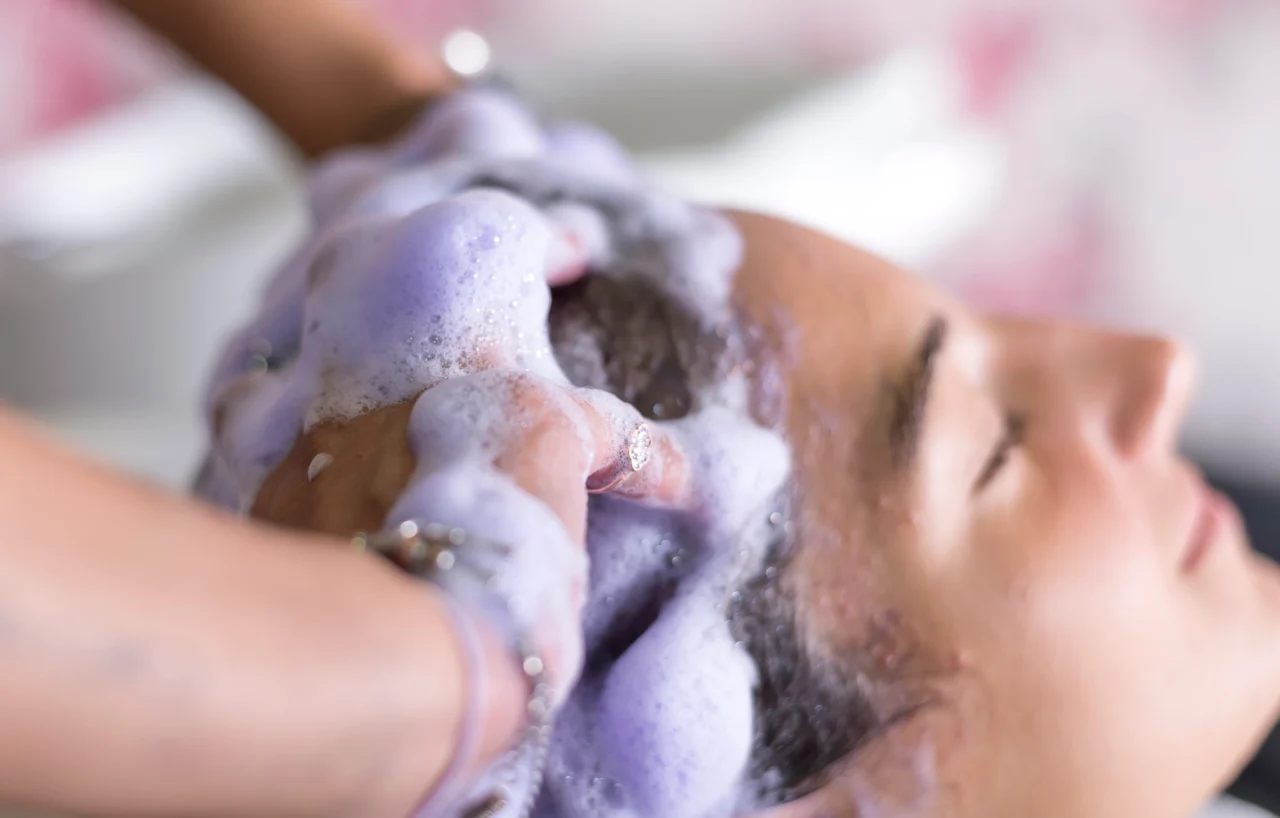
Aftercare starts even before you leave the salon chair. “You can always ask your colorist what he recommends, what products, what brands, and what at-home treatments you can do,” Pangilinan says.
To keep their vibrancy, shades like red need their own products, such as color-depositing shampoos, conditioners, and hair masks. For his blonde hair specifically, Pangilinan uses purple shampoo and conditioner to keep the brassiness down, plus a purifying shampoo and a treatment at home. “It’s a lot of care work because I want to be blonde,” he shares. “There are a lot of products out there that you can use to help maintain that color, treatment, or bleached hair that you want.”
It’s a lot of upkeep, but all that effort is worth it. “We paid a lot for the color, and then it’s just going to fade in a few weeks. It’s a waste,” he says. The challenge, however, is that the products aren’t always locally available.
“What I really wish here in the Philippines is more options for color-depositing products,” Pangilinan shares. His workaround: “I always buy from Japan, it’s the closest [country] here.”
What your day-to-day routine should look like
There’s no one-size-fits-all when it comes to hair wash schedules.
“It depends on your lifestyle,” Pangilinan says. “If you go to the gym a lot, and then you sweat, you really have to shower with shampoo and conditioner.” On days spent mostly indoors or under the air-conditioner, skipping shampoo is fine. His rule of thumb: “Listen to your hair. If it looks dirty, it’s probably already dirty.”
If your outdoor plans include dipping into the pool for a swim, hair prep is essential. “You have to let your hair soak in normal water before you go into the pool,” he says. “Blondes and colored hair tend to absorb the chemicals in the pool right away. Unlike normal hair that has no color, that doesn’t happen.” To keep colored and treated hair from fading, the first thing you should do is shower, and then do your at-home treatment.
To protect your hair, you also have to shield your hair from the sun and the city. When asked how to defend treated hair from UV, humidity, and pollution, Pangilinan’s answer is simple: heat protectant. “Think of it as like a sunscreen for your hair,” he says. “I always say that you should treat your hair like your skin. Hair care is equal to skin care as well. It’s a full package.”
Heat styling dos and don’ts
Envato Images
Here are some of Pangilinan’s tips to properly care for your hair whenever you style it:
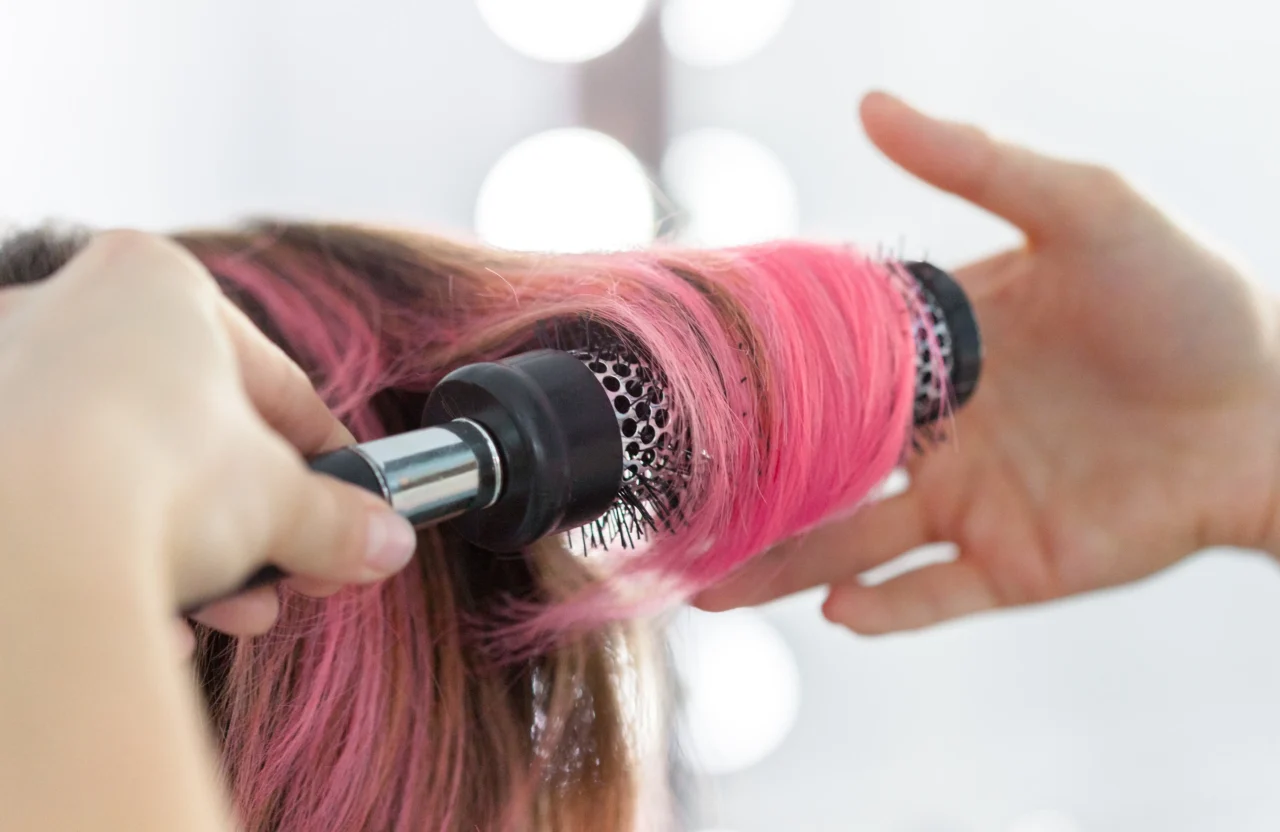
Do: Use heat protectant before anything else. “For colored and treated hair, you always have to use heat protectant,” Pangilinan says. “Before you blow dry, heat protectant should go first.” There are two reasons for this: “If you apply heat to unprotected hair, the color will fade. If the hair is brittle, the hair will become more damaged.”
If you can’t find one, Pangilinan also suggests trying hair oils.
Don’t: Cheap out on hair tools. “Stay away from ceramic and cheap irons, because the hair will be damaged,” he says. “You really have to invest in the tools you’re using, especially if you use them every day.”
Do: Look for newer tools with built-in temperature adjustment. “The new tools these days use AI, and it adjusts to your hair,” he says. Heated round brushes, he says, are great, too.
When you should make the big cut
Some damage can’t be fixed with treatment. The first sign is hair that won’t hold a style. “For example, when you’re trying to curl it, it doesn’t curl anymore. Usually, it’s at the end. It doesn’t hold the curl anymore because it’s too damaged.”
The second is texture. “The texture is different, and it’s limp, so it’s nicer to just cut it.” The third is frizz. “[When] the bottom part is frizzy, that’s when you have to cut it off,” he says. “Even when you style it every day, it’s hard. You will see that the bottom part is really damaged.”
His advice is to let the hair rest, then make the cut. “For styling, you can use heat tools, but it’s better to let the hair rest first. I recommend just cutting it after, if it’s already damaged.”
Caring for colored and treated hair in the Philippines means a bit of extra legwork. So you need to be willing to make that commitment—from ordering color-depositing conditioners abroad and learning what kind of treatment suits your hair type, to hunting down a heat protectant. But you need to know the basics, too: knowing what’s been done to your hair, collaborating a plan with your stylist, and paying attention to what your strands are telling you.
Color is meant to be fun! With the right care, the fun lasts longer than a few weeks—or maybe even longer than that.
Frequently Asked Questions
According to hairstylist Renz Pangilinan, colored hair should not be rebonded or given keratin treatments, because the hair can fall off. Bleach, color, rebonding, and keratin each cause damage, so they cannot always be stacked at once. Always disclose your full hair history to your stylist first.
Tell your stylist everything done to your hair, including dates for bleaching, coloring, and past treatments. Stylists can often see previous treatments in the hair, but disclosure prevents damage. If you are unsure, a strand test treats one small section separately before the rest of your hair.
Color-depositing shampoos, conditioners, and hair masks help maintain shades like red, while purple shampoo and conditioner reduce brassiness in blonde hair. Pangilinan also uses a purifying shampoo and treatment at home. Ask your colorist for product and at-home treatment recommendations before leaving the salon.
Soak colored hair in normal water before swimming, since colored and blonde hair absorb pool chemicals quickly, then shower and apply an at-home treatment afterward. Use heat protectant before blow-drying or styling, which Pangilinan likens to sunscreen for hair, or hair oil if heat protectant is unavailable.
Cut hair when the ends no longer hold a curl or style, when texture turns limp, or when the bottom looks frizzy despite daily styling. Pangilinan recommends letting damaged hair rest first, then cutting it, because some damage cannot be fixed with treatment.