

I had no idea what my natural hair texture looked like (or even felt like) until my early 20s. I have a complicated relationship with my hair. For much of my life, I never really felt I was in control of how it looked. From about age 4 until I hit 23, my hair was relaxed, and not by my choice. Back in the late ‘90s, it was pretty standard for mothers to chemically straighten their daughters’ hair. I never had a say at that age. I didn’t even know I could have a say.
My mom was the one who was taking care of my hair, so she made the rules. Even as I entered my 20s—at which point I’d been doing my own hair for quite some time—there still seemed to be rules. I kept up with my relaxer for no real reason other than it was how I was programmed.
Then came the second wave of the natural hair movement, bolstered by YouTubers and bloggers in the early 2010s. Everywhere I went, I saw women proudly wearing their voluminous, defined curls and for the first time, I started to wonder what my hair actually looked like. I grew out my relaxer and focused on enhancing my natural texture—a task that turned out to take a lot of time and energy.
Fast forward 14 years and, to an extent, the reverse revolution seems to be taking place. Although there’s no question that natural curls and kinks are embraced today more than ever before, many women have decided they prefer wearing their hair straight more frequently, using chemical treatments like relaxers, texturizers, or keratin treatments to get there. Most recently, “heat training” has become a buzzy term for maintaining straight strands.
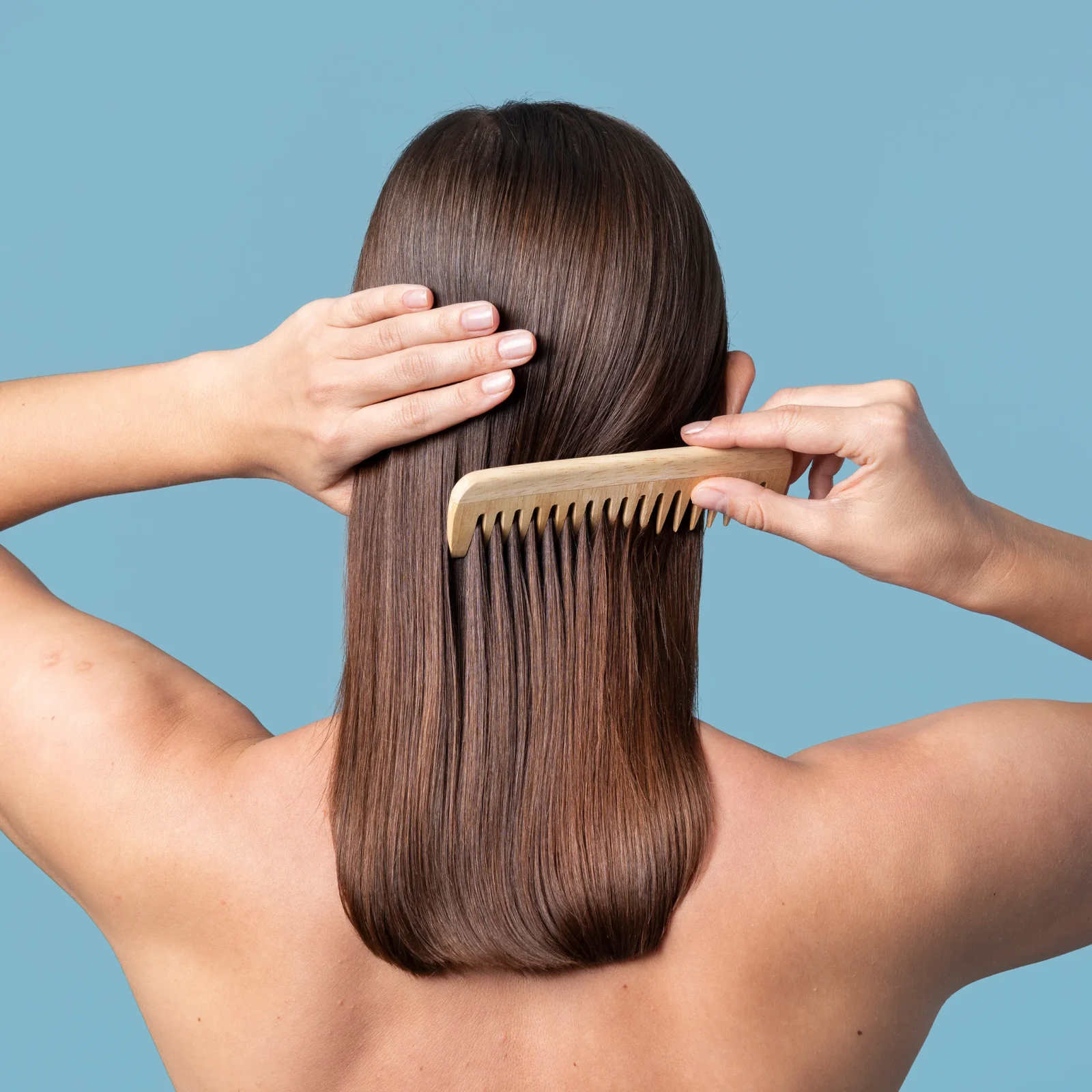
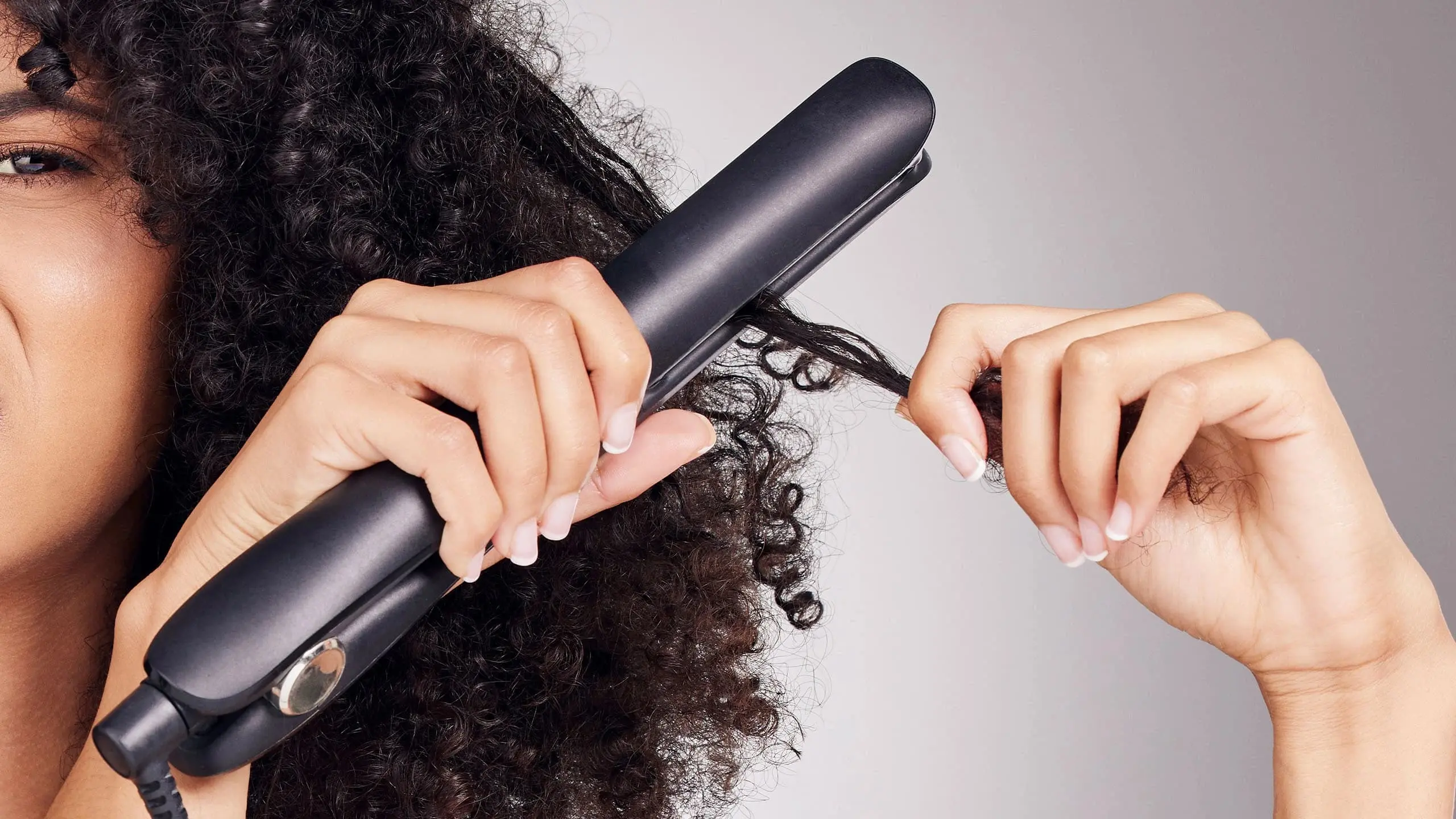
Though women have been straightening their hair frequently for decades, the term heat training more specifically applies to an intentional choice to “train” one’s hair to sustain more modern methods of heat styling, like silk presses and blowouts. While there doesn’t seem to be one agreed-upon method of heat training, it generally involves frequently using a straightening device like a flatiron (or a hot comb if you’re old school) to loosen the natural texture. The theory goes that your hair then gets used to all that heat and, in turn, holds straight styles for longer periods of time without reverting to curly or frizzing up or showing the typical signs of damage, like dryness, split ends, and uneven texture.
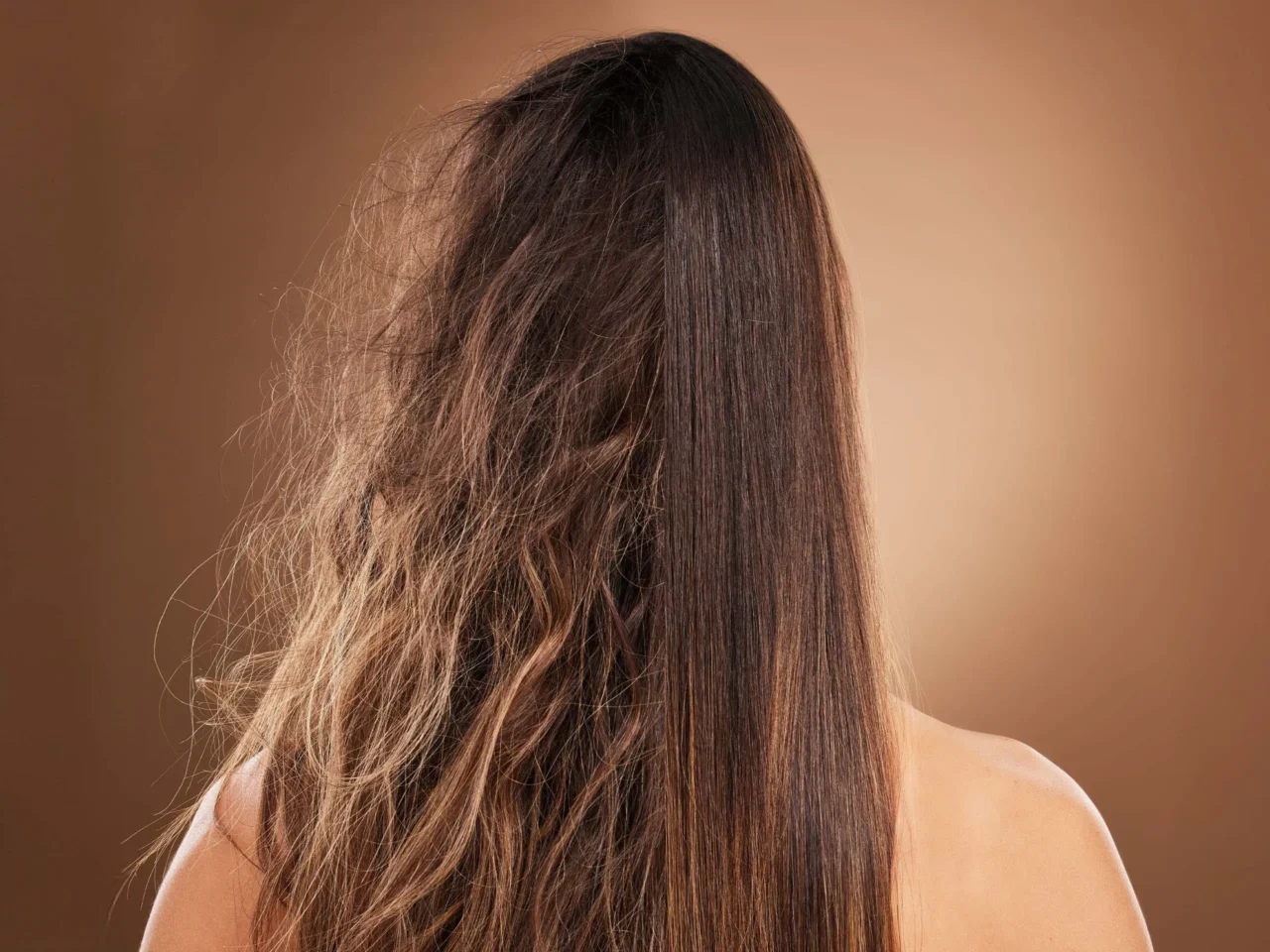
If this sounds the same as just straightening your hair often—that’s because it is. People on the internet love to give old techniques new names, but the dermatologists I spoke to say that heat training is far from reinventing the styling wheel. “In my professional opinion, [heat-trained hair] is the same as heat-damaged hair,” says board-certified dermatologist, Corey L. Hartman, MD, founder of Skin Wellness Dermatology in Birmingham, Alabama. Michelle Henry, MD, a board-certified dermatologist and founder of Skin & Aesthetic Surgery of Manhattan agrees: “It’s a bit of semantics,” she says. “Any heat that changes the natural pattern of your hair long-term, such that when you wash it, it doesn’t revert to its original state, is considered heat damage.”
Even some people online are skeptical. Comment sections on TikTok videos that claim to demonstrate the difference between hair that is heat trained and heat damaged (like this one from @theesilkartist, a trichologist based in Wynnewood, Pennsylvania) feature debates over whether heat training is even a thing or if it’s just a way of glorifying inevitable damage.
Dr. Henry compares it to tanning. “A tan is still bad, but a sunburn is worse. This is similar to heat-trained hair versus heat damage,” she says. “Heat-trained hair is like the hair version of a tan—people might like it, but it is still damaged.” Plus, she adds, heat damage is cumulative: Even if your texture seems to be holding up now, continuing to heat style your hair will only increase the risk of damage.
So if there’s no guarantee that heat training won’t eventually turn to heat damage, why do we keep risking the health of our hair for straight strands? Well, there are a few reasons for that, including Eurocentric beauty standards. “Straight hair is often seen as more aligned with mainstream beauty standards, which can influence self-esteem and confidence,” says hairstylistHairstylistA beauty professional who specializes in cutting, coloring, styling, and caring for hair, combining technical expertise and creativity to enhance individual style, confidence, and self-expression.Go to Hairstylist Glossary and psychologist Afiya Mbilishaka, PhD. “Theories of social conformity and the desire for social acceptance play a role here, as individuals navigate public and professional spaces that may have implicit biases against natural hair textures.”
For some, the preference for straight strands over curly has more to do with making their hair easier to manage on a day-to-day basis than aesthetics. “It’s too simplistic to assume everyone reaching for the flatiron is on a self-hate journey,” Dr. Mbilishaka says. “People straighten their hair for all sorts of reasons—think ease, style preferences, or work-life demands.”
It’s a conundrum I’m quite familiar with. Whether I was keeping up with my perm or clocking in long wash days when I transitioned back to curly, there was always a subconscious pressure to look “put together.” In 2014, I said goodbye to my straight-but-damaged hair and spent the next year and a half growing out my curls. But once I reached my new hair goals, I went from being fixated on straight hair to becoming obsessed with getting perfectly bouncy and defined curls. It got to the point where I was regularly spending hours in the bathroom getting ready for the day—or completely opting out of certain social events if my hair didn’t come out as planned.
While it was freeing to no longer be bonded to a box of relaxer, I once again found myself feeling like I wasn’t in control. For me, it wasn’t empowering—it felt like a chore. I grew to resent doing my hair. Having “healthy hair” came at the cost of my mental health and that’s just not a price I’m willing to pay.
Now, in my 30s, I have released all attachments to my hair for the sake of my sanity. I’m at the point where I could care less about keeping it perfectly healthy all the time. I know what it’s like to have relaxed hair and I know what it’s like living with my natural curls. I’ve had enough experience with my hair—while following other people’s rules—and am educated enough to do what works for me. Having full autonomy over my hair right now looks like maintaining my silky bob, which means that my natural texture needs to be manipulated to achieve the look.
I get keratin treatments to smooth my hair while still keeping some curl pattern and use heat tools regularly. My blow-dryer and flatiron are a part of my weekly wash routine. However, I only spend about 20 minutes blowing out my hair and do only one pass with my straightener. Plus my product regimen is centered around repair and protection, which celebrity hairstylistHairstylistA beauty professional who specializes in cutting, coloring, styling, and caring for hair, combining technical expertise and creativity to enhance individual style, confidence, and self-expression.Go to Hairstylist Glossary Karen Miller (who is my personal hairstylist) agrees is the best way to approach heat styling. Derms echo her point.
“You can have healthy hair while heat styling, but it should be done in moderation and with protective measures to minimize heat damage,” says Dr. Henry. “Use heat protectants to shield your hair from high temperatures, and when using hot styling tools, keep them at the lowest temperature possible.” This careful approach to heat styling is a far cry from the practice of heat training. The former stresses using heat in moderation and taking precautionary measures to prevent damage, while the latter promotes frequent heat styling to maintain straight strands.
And let’s be for real: At the end of the day, your hair is dead. You’re not putting yourself at any physical risk of illness or death if you use a flatiron every day. After spending most of my life obsessing about my hair I’ve had to just let it all go. I’m not afraid to dye it, fry it, cut it off, grow it back out, then do it all over again—I just want to have fun with it. That, to me, is hair freedom.
Ultimately that might be the heart behind heat training. “Straight Naturals” or those with heat-trained hair don’t want to abide by any unspoken rules about the way we look.It also seems the term “heat training” was the natural hair community’s way of rebranding heat styling to make it more “acceptable” after it was so villainized during the natural hair movement.
While we do have to acknowledge that, intentional or not, damage is damage, it’s not a life or death matter. So many women (including myself) have permitted themselves to treat their hair as purely part of an aesthetic choice.
Although my hair looks fairly healthy (it’s not breaking off and I don’t have frizzy split ends) my curls aren’t as tight as they once were before I started doing keratin treatments and blowing my hair out weekly. My hair does, however, hold styles very well and doesn’t usually frizz up quickly in humidity, which is what works for me right now. Some may say my hair is healthy and heat-trained due to my current styling methods but, as a beauty expert, I know there’s an element of damage. Damage that I’ve made peace with..
Hair has never been just hair for many women. It’s part of who we are as a people. For me, if that means I have to deal with some damage and breakage along the way, then so be it. I have no problem cutting it off. I know a pair of scissors hate to see me coming.
Originally published in Allure US
Frequently Asked Questions
According to two board-certified dermatologists cited in this article, there is no clinically meaningful difference. Board-certified dermatologist Dr. Corey L. Hartman states that heat-trained hair is the same as heat-damaged hair. Dr. Michelle Henry describes it as a matter of semantics: any heat that permanently alters the hair’s natural pattern — such that it no longer reverts to its original texture after washing — constitutes heat damage, regardless of whether the process was intentional or branded as “training.”
It is largely the latter. Dermatologists consulted for this article confirm that heat training does not introduce a new mechanism — it describes the practice of frequently using a straightening device, such as a flat iron or hot comb, to loosen natural hair texture over time. The term emerged from the natural hair community as a way of reframing regular heat styling into a more intentional, less stigmatized practice, but the underlying process and its effects on hair structure remain the same as conventional heat damage.
Heat damage that permanently alters the curl pattern — meaning the hair no longer reverts to its natural texture after washing — is not reversible through product use alone. Dr. Henry notes that heat damage is cumulative: even if texture appears intact initially, continued heat styling increases the risk of progressive damage over time. Protective measures such as heat protectants, low tool temperatures, and moderate frequency of use can slow the rate of damage but do not undo structural changes already made to the hair shaft.
Dr. Henry advises using heat protectants consistently, keeping styling tools at the lowest effective temperature, and limiting the frequency of heat styling sessions. The article’s author — a beauty expert — describes a practical approach: a weekly blowout of approximately 20 minutes, a single pass with a flat iron, and a product regimen centered on repair and protection. This approach is described by both her hairstylist and consulting dermatologists as a more sustainable alternative to heat training, which promotes frequent styling without the same protective framework.
Hairstylist and psychologist Dr. Afiya Mbilishaka notes that the preference for straight hair is shaped by a combination of factors: Eurocentric beauty standards, social conformity pressures in professional and public spaces, and practical considerations such as styling ease and time. She cautions against assuming that choosing to straighten natural hair reflects self-rejection — many women make the choice based on lifestyle demands, personal style preferences, or simply the desire for greater day-to-day manageability rather than aesthetic ideology.