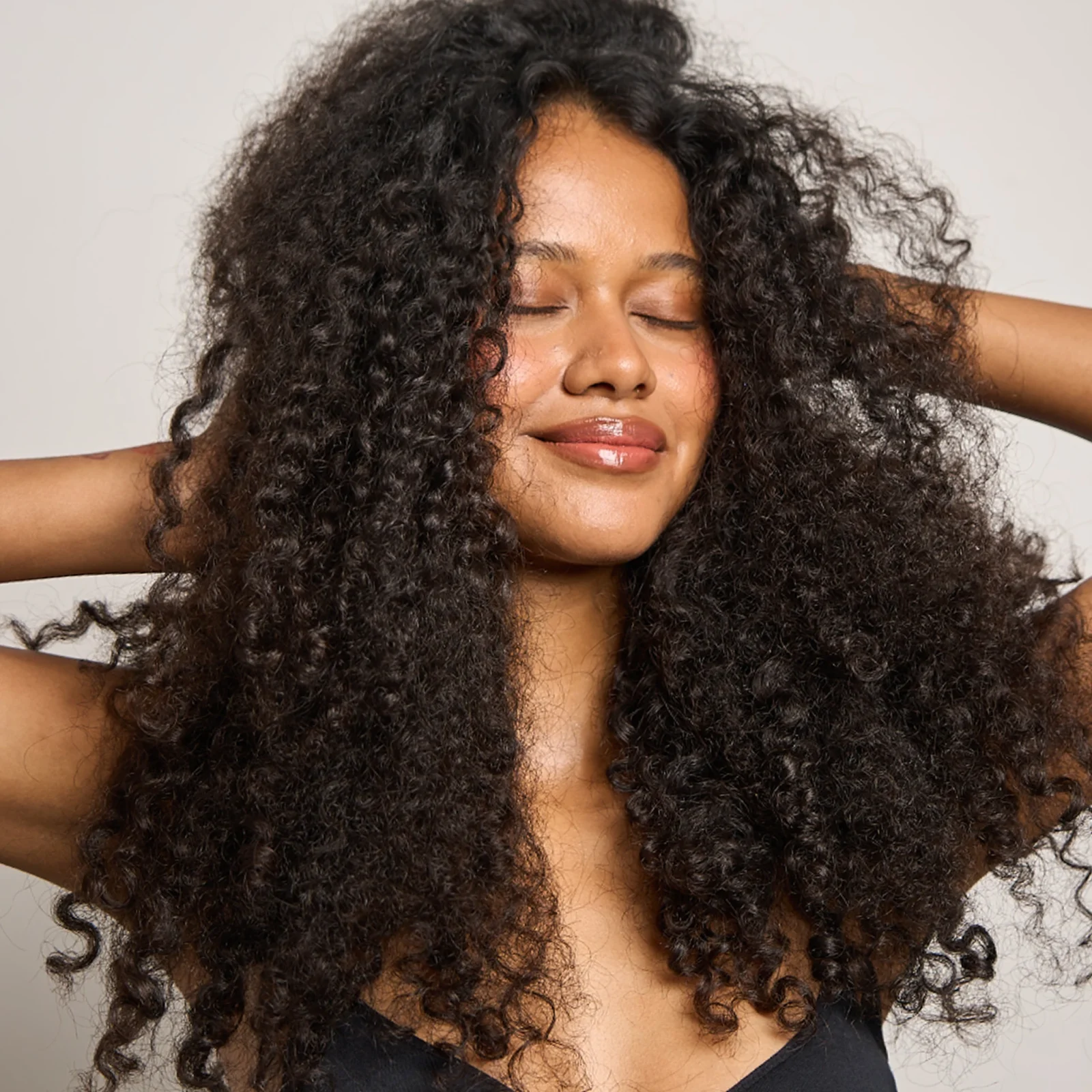
Five Things A Professional Hairstylist Wants You To Know About Curly Hair
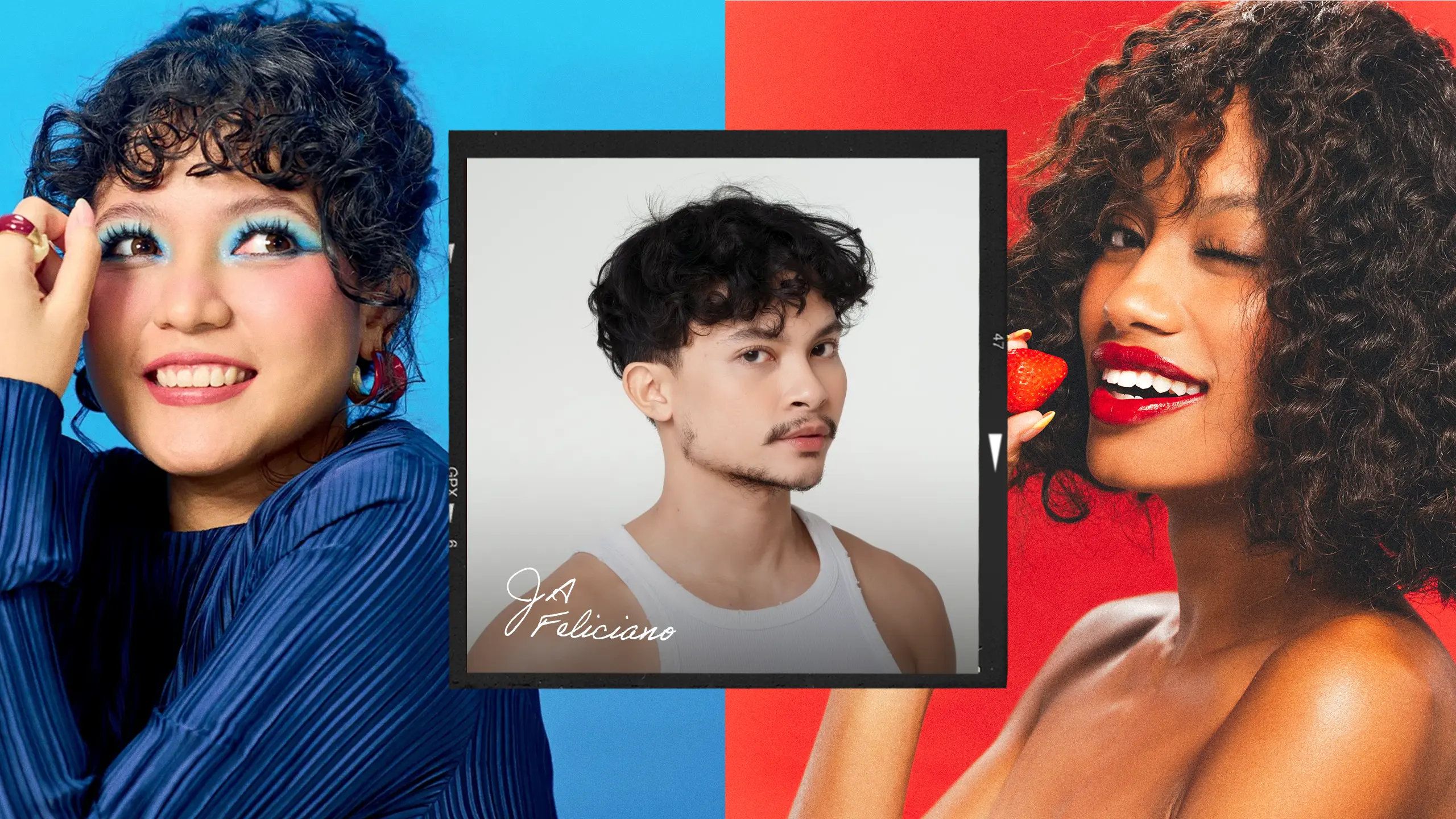
Think curly hair is hard to manage in Philippine humidity? Professional hairstylist JA Feliciano shares the best ways to help your curls look their best.
Source images: Andrea Beldua and Jharwin Castañeda
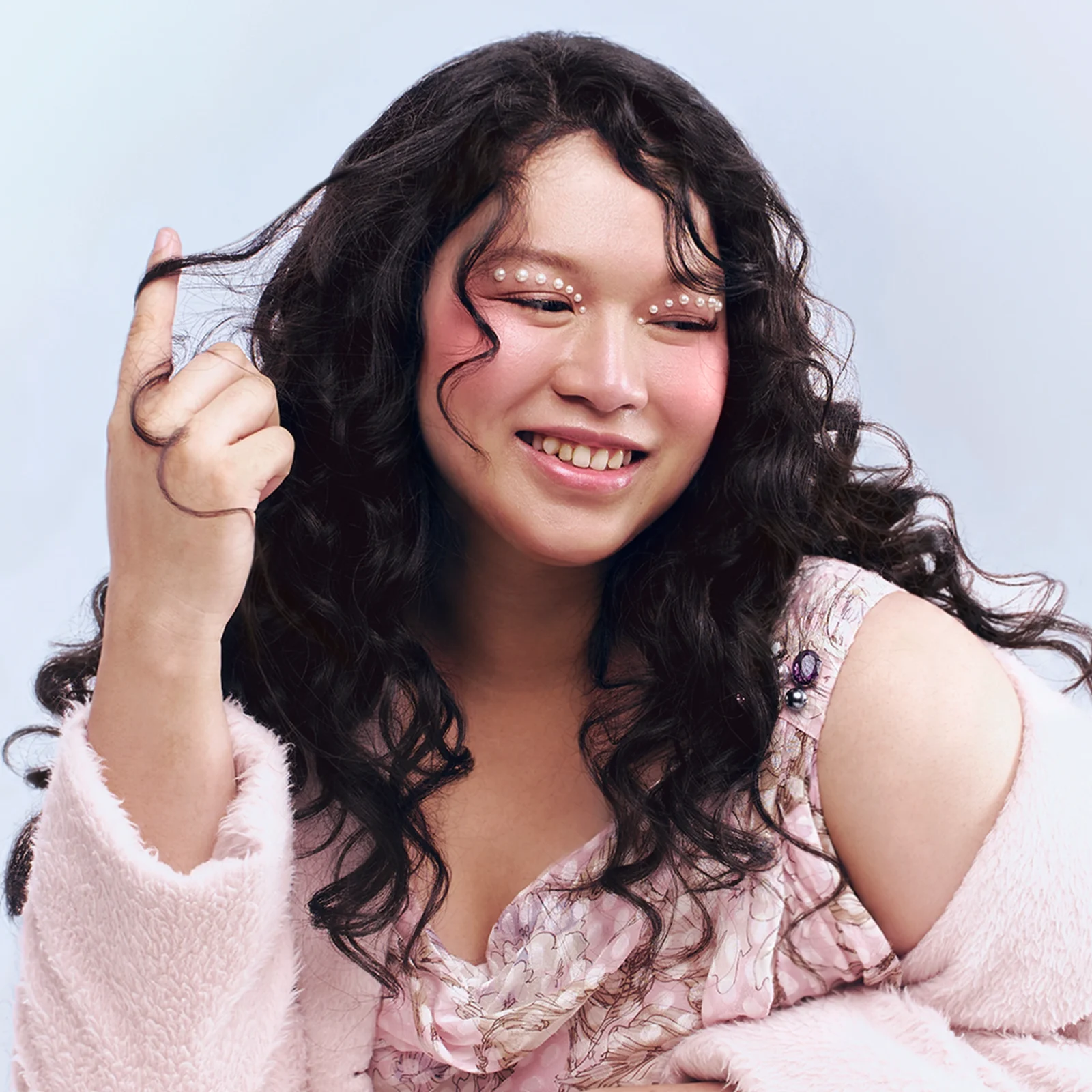
Here in the Philippines, with our humid climate and sticky weather, having luscious, curly hair can often be seen as more of a trial than a badge of honor. Instead of perfect spirals cascading down and framing your face, the mugginess of Philippine weather can often make curls uncontrollable. The mixture of heat and sweat and humidity tend to make curly hair unruly, and harder to style.
But curly hair doesn’t deserve the rap it gets. Professional hairstylistHairstylistA beauty professional who specializes in cutting, coloring, styling, and caring for hair, combining technical expertise and creativity to enhance individual style, confidence, and self-expression.Go to Hairstylist GlossaryJA Feliciano—himself the owner of a headful of curls—gives us an expert’s take on how to manage curly hair—tropical humidity and all.
Knowing your curl pattern is the secret to learning the best way to care for your hair. There are many different types of curls, and each affects the way you approach hair care. “Ako kasi usually what I do,” Feliciano explains, “I look at the roots, if there’s a pattern, like a C or an S.” The roots, he says, is where the patterns start, and are the key to figuring out your curl pattern.
The most common curl patterns for Filipinos are coily and wavy.
Feliciano shares that the curl patterns he usually encounters are coily (or Type 4) and wavy (or Type 2), which can both be found in the general curl pattern chart.
Feliciano, though, shares that in the Philippines, “hirap pa rin yung tao na ayusin yung hair nila sa Philippine weather because there isn’t enough knowledge or products in the market yet.” This, he says, keeps people from giving their curls the proper care they deserve.
Curly hair care isn’t all that different from caring for other hair types.
“One of the biggest misconceptions about taking care of naturally curly hair,” Feliciano shares, “is that sobrang hirap, pero it actually is not.” Caring for curls, he explains, is more or less the same as for other hair types. “ It’s also somehow the same, like shampoo, [then] conditioner lang, and then leave-in conditioner, and then that’s it.”
But, he points out, ‘If you really want your curls to pop out,” you need to start making an effort to care for them in the first place.
Start grooming your curls when they’re wet.
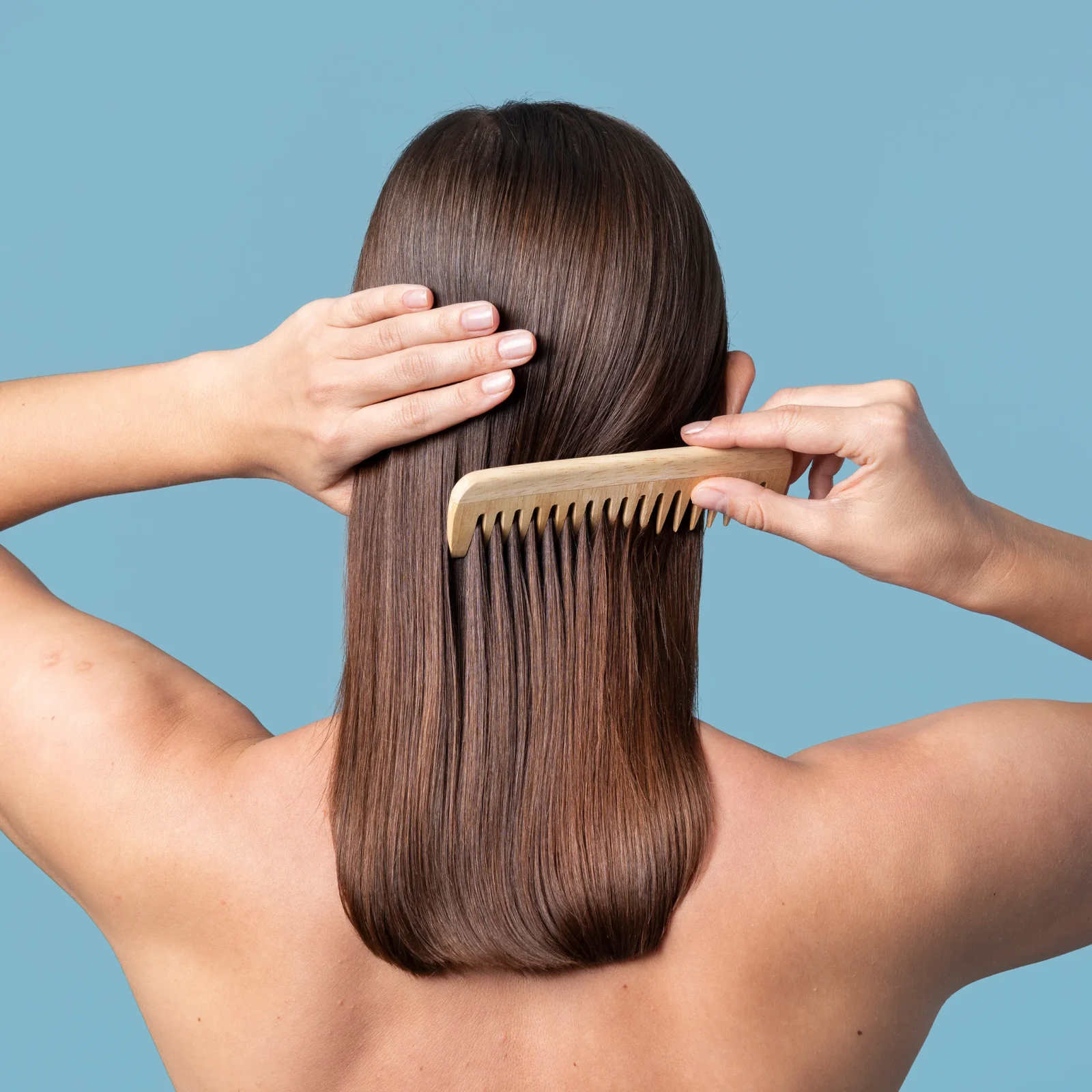
For curly hair, the shower is not just for shampooing and conditioning—it’s for combing and brushing as well. “Pwede mo naman siyang i-brush kapag you’re in the shower,” Feliciano says. “What I usually do kapag nagsho-shower ako, sinesection ko na. When I used to have long, curly hair, I used to brush it section by section when I washed it.” Curly hair, he says, can be brushed while washing it.
In contrast, don’t overgroom your curls when they’re dry.
“Kapag naman ida-dry mo na, you don’t need to brush it,” Feliciano advises.. “Just let it air dry or you can use a diffuser if you like.”
Frequently Asked Questions
Check your roots, not the length. If you see a C or S shape forming at the root, that’s your natural curl pattern. In the Philippines, the most common types are Type 2 wavy and Type 4 coily, according to professional hairstylist JA Feliciano.
Not necessarily. Despite the humid climate, curly hair care follows the same basic routine as other hair types: shampoo, conditioner, and leave-in conditioner. The main challenge, according to Feliciano, is limited local product knowledge — not the hair itself.
Brush curly hair while it’s wet, ideally in the shower. Hairstylist JA Feliciano recommends sectioning hair and combing through it during washing. Once dry, skip the brush entirely — overbrushing dry curls disrupts the curl pattern and causes frizz.
Air drying is the simplest method for curly hair. For faster results, a diffuser attachment is a good alternative. Feliciano advises against towel rubbing or brushing curls while drying, as both can loosen the curl pattern and add frizz.
Filipino hair most commonly falls into Type 2 (wavy) and Type 4 (coily) on the standard curl pattern chart. Both types require moisture-focused routines and benefit from leave-in conditioners, particularly given the heat and humidity of the Philippine climate.
Lia Cruz is a broadcaster, presenter, and writer whose expertise spans lifestyle, travel, climate, and women’s issues. Drawing on nearly two decades of experience in television and live media, she brings thoughtful storytelling and a people-first perspective to every feature. At Allure Philippines, she writes profile features that uncover the stories behind the people shaping beauty, culture, and society.