How to Manage Your Hair During Chemotherapy, According to Experts
From understanding why hair loss happens to learning how to manage changes to the hair and scalp, a Filipino oncologist and a board-certified dermatologist share what patients should know about hair care throughout treatment and recovery.


Hair loss is one common side effect of chemotherapy and one of the most visible reminders of what the body is going through. And with hair being so deeply entwined with one’s identity, seeing huge chunks of hair falling out can make cancer treatment a deeply personal experience.
But why does chemotherapy cause hair loss? Are there hair care products patients should use or avoid? What products can better protect the scalp? And is there a way to avoid irritation throughout treatment?
To find out how patients can better navigate hair loss caused by chemotherapy, Allure Philippines spoke with board-certified dermatologist Francesca Sy-Alvarado, MD, FPDS, and board-certified oncologist Julie Anne Tapispisan, MD, FPCP, FPSMO, on what patients should know about chemotherapy-related hair loss, hair preservation, and things during hair regrowth after treatment.
Why chemotherapy causes hair loss
“Chemotherapy works by targeting cells that grow and divide quickly. Unfortunately, some healthy cells also do this, including the cells in our hair follicles that produce hair. This is why certain chemotherapy drugs can cause hair thinning, breakage, or significant hair loss,” says Dr. Sy-Alvarado.
Although hair loss is often associated with chemotherapy, not all chemotherapy medications have hair loss as a side effect. “When it occurs, shedding often begins around two to three weeks after the first treatment cycle, although the timing can vary,” Dr. Sy-Alvarado says. “Hair loss can also affect the eyebrows, eyelashes, and body hair.”
Dr. Tapispisan shares that the majority of breast cancer regimens can cause hair loss, but also emphasizes that some regimens don’t. She explains that some hormonal therapies and some targeted therapies, for example, generally don’t cause hair loss.
Pexels
Use mild hair care products
Taking care of the hair as it becomes more vulnerable to changes is important. Dr. Sy-Alvarado recommends keeping hair care “simple, gentle, and comfortable. During chemotherapy, the goal is to protect the scalp and its microenvironment and to avoid adding unnecessary stress to already vulnerable hair follicles.”
Dr. Sy-Alvarado recommends “using a mild shampoo and lukewarm water. Patients can wash their hair daily or as often as needed to keep the scalp comfortable and clean.” She also shares that “there is no universal rule that everyone must wash only once or twice a week. The important thing is to avoid harsh cleansing, vigorous scrubbing, and very hot water.”
Be gentle with your hair
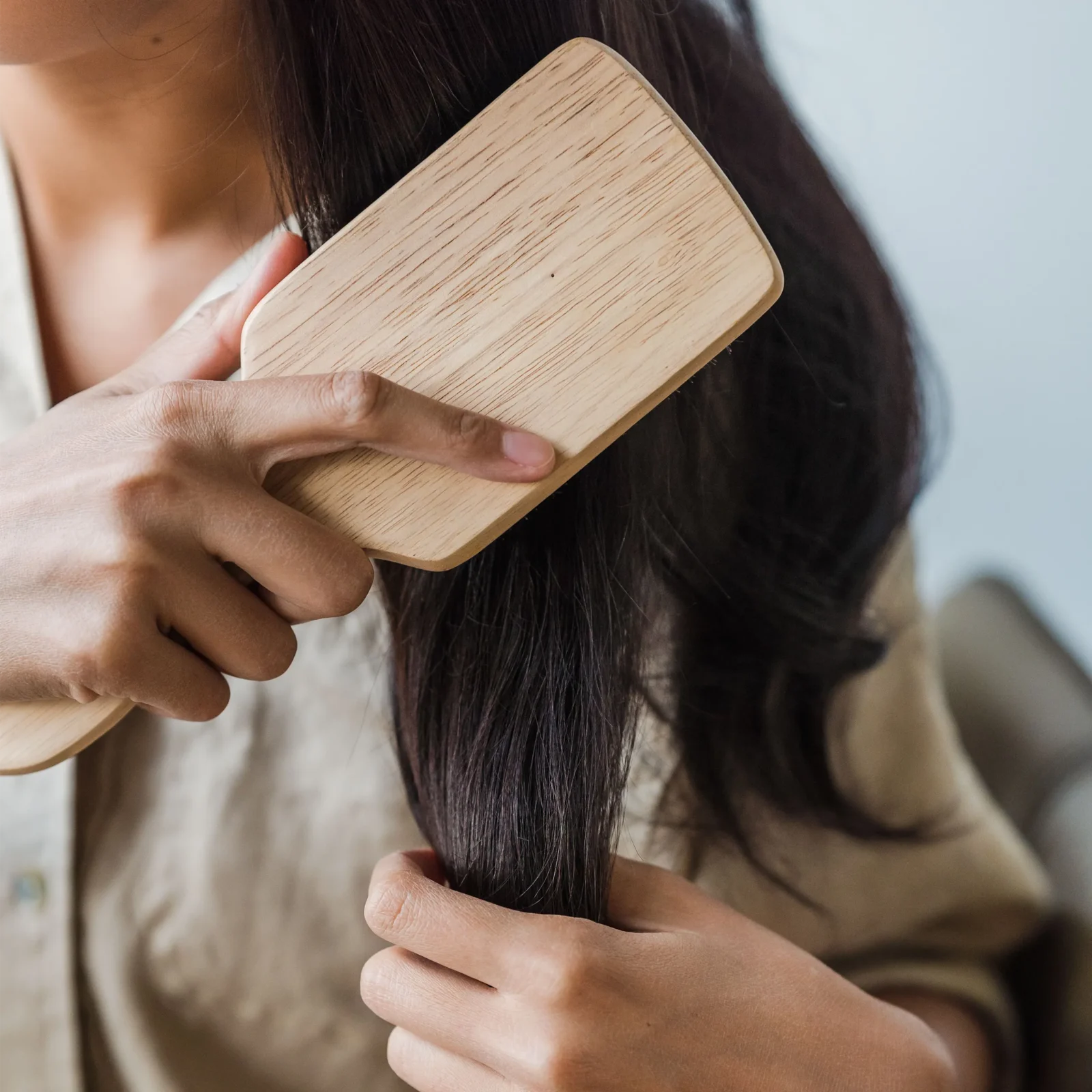
Aside from choosing mild products, gentle hair care practices matter too. “After washing, gently pat the hair dry with a soft towel rather than rubbing it. Use a wide-tooth comb, detangle carefully, and minimize blow drying or the use of curling irons and flat irons.”
“I would advise patients to avoid bleaching, coloring, perming, chemical straightening, and tight hairstyles that pull on the hair. These practices can increase breakage and discomfort,” advises Dr. Sy-Alvarado. She also warns about hair growth products. “They should also avoid applying unverified hair growth oils, supplements, or scalp treatments marketed as ways to prevent chemotherapy-related hair loss.”
Before using medicated scalp products, supplements, or treatments, Dr. Sy-Alvarado advises patients to consult doctors first. “Even products marketed as natural are not automatically safe or effective during cancer treatment,” she explains.
Shaving your head can be an option
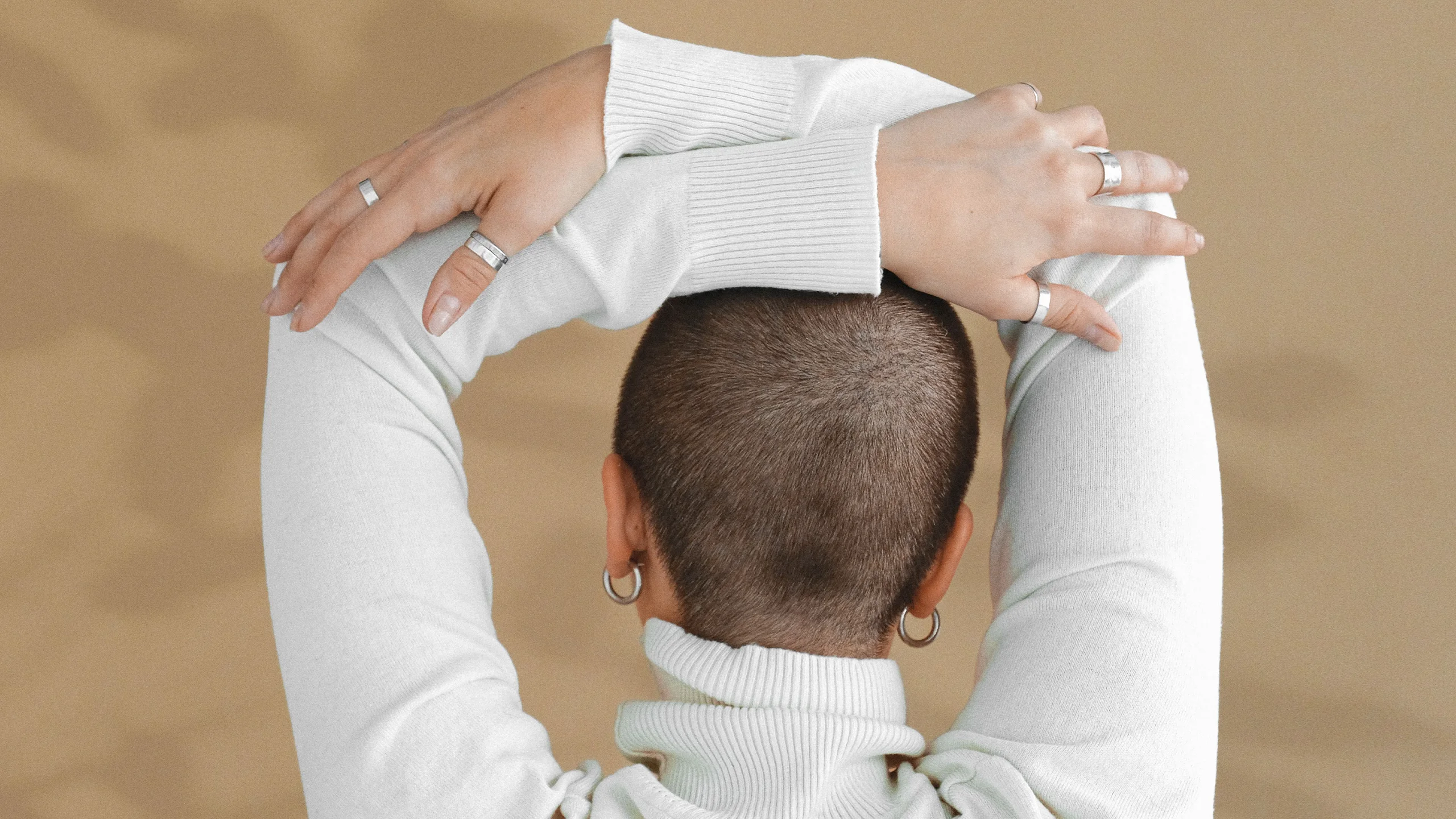
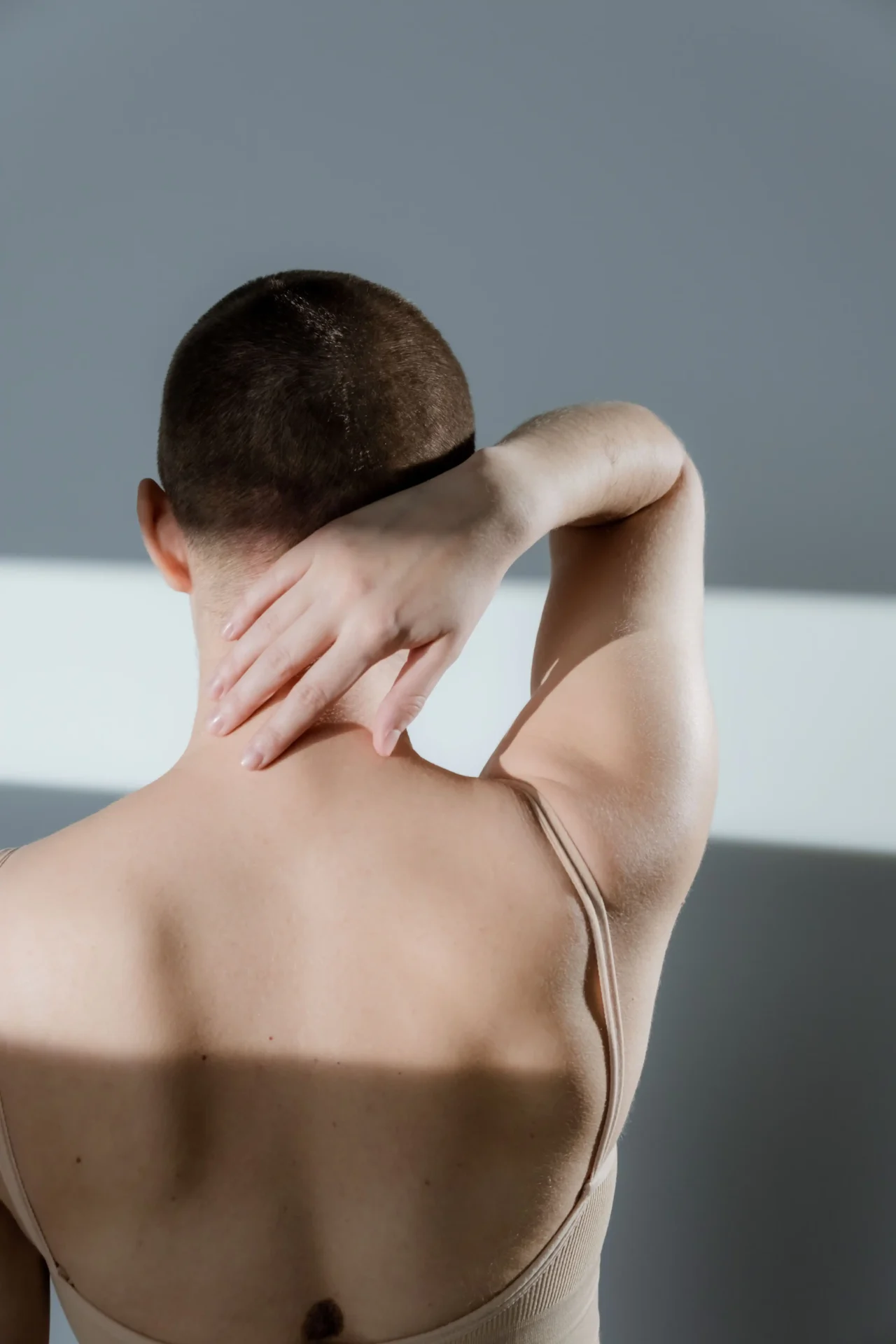
Seeing hair fall after taking a bath or brushing can cause extreme distress. Dr. Tapispisan suggests shaving the hair off, “Because it’s more stressful if you wake up early and then you see a lot of hair in your bed.” For some patients, taking control of when and how they lose their hair can make the experience feel less overwhelming.
Dr. Sy-Alvarado says that patients can also choose what length they prefer. “If patients prefer to cut their hair shorter before shedding begins, that is an option, but it is not medically necessary. Some feel more in control with shorter hair, while others prefer to keep their hair for as long as possible.”
Protect your scalp when hair starts falling out
As hair sheds, the scalp becomes more exposed. Dr. Sy-Alvarado recommends paying attention to it. “If the scalp is exposed, a gentle moisturizer may help with dryness, while a soft hat or scarf can protect it from the sun, wind, and friction.”
For dryness and itching, Dr. Sy-Alvarado advises to refrain from scratching, vigorous massaging, or exfoliationExfoliationThe removal of dead skin cells from the surface to reveal smoother, brighter skin. It can be chemical, using acids or enzymes, or physical, using scrubs or tools. Overdoing itGo to Exfoliation Glossary. “The skin may be more vulnerable to irritation, and small breaks in the skin can become entry points for infection, especially when the patient’s immune system is compromised,” she says.
Pexels
Ask your doctor about scalp cooling
Scalp cooling, also known as cold-cap therapy, is an option that may help reduce chemotherapy-related hair loss for some patients. “This temporarily reduces blood flow to the scalp and may limit the amount of certain chemotherapy drugs reaching the hair follicles, potentially reducing hair loss,” says Dr. Sy-Alvarado. “Some dermatologists may also use other agents to provide cooling, like light passes of liquid nitrogen onto the scalp.”
Dr. Tapispisan explains that cooling caps may help, although they do not guarantee hair preservation. “It helps, but it doesn’t prevent [hair loss],” she says. Dr. Sy-Alvarado echoes this, saying, “Scalp cooling may not be appropriate for everyone. Patients should discuss it with their oncologist before treatment begins, particularly because suitability depends on the type of cancer and treatment plan.”
Choose wigs and head coverings that feel comfortable
For patients who prefer covering their heads during treatment, wigs, scarves, and hats are all options. Dr. Tapispisan says wigs are acceptable but advises against wearing them continuously. “If you want to go out, then wear them. But if you’re going to stay at home, don’t wear the wigs,” she says. She also encourages patients to care for their wigs properly and notes that human hair wigs may feel more comfortable for some.
Ultimately, patients can choose whichever head covering makes them feel their best. There is no single way to approach changes in their appearance during treatment.
Give your hair time to grow back
Hair regrowth after chemotherapy can look and feel different from what patients were accustomed to before treatment. Dr. Tapispisan observes that newly grown hair may feel particularly soft and develop a different texture. “Usually, after the last cycle of your chemo, but when the hair grows back, it will be healthier, shinier, and super soft. It’s like a baby’s [hair],” Dr. Tapispisan says.
Some patients may notice changes in their hair’s texture, including curls. “It may initially be different in texture or color temporarily as the follicles recover. Over time, the hair may move closer to its previous appearance, although this is not guaranteed,” explains Dr. Sy-Alvarado.
Know when to consult a doctor about persistent hair loss
For patients experiencing persistent thinning or delayed regrowth, consulting a board-certified dermatologist can help determine whether the changes are part of expected recovery or may be related to another condition.
Dr. Sy-Alvarado also advises seeing a board-certified dermatologist if persistent itching, scaling, redness, bumps, pustules, open sores, or rashes appear.”These symptoms may indicate flare-ups of chronic conditions like seborrheic dermatitis, infections, or other conditions that require specific treatment.”
“I would encourage patients not to dismiss persistent hair loss as something they simply have to accept. Most chemotherapy-related hair loss improves, but when recovery is incomplete, a proper diagnosis can help us discuss realistic options and make an individualized treatment plan,” says Dr. Sy-Alvarado. “Supporting patients after chemotherapy involves helping them understand what is happening to their hair, knowing when to seek help, and feeling comfortable in their changing bodies.”
Beyond the physical changes, hair loss can also affect a patient’s sense of identity and confidence, which Dr. Tapispisan understands. Supporting patients also means reminding them that they do not have to navigate cancer treatment alone. “We are here with you throughout your journey. You are not alone,” she assures.