

In our last two pieces, we talked about how your nails can act as a “health diary”—quietly logging clues about what’s happening inside your body. But sometimes, the changes we see in our nails come from something much closer to home: our own beauty habits.
Between monthly visits to your favorite nail tech, acrylics, and the latest nail trends taking over your FYP, our nails go through a lot in the name of looking put together. But according to dermatologists, some of our favorite nail rituals might not be as harmless as we think.
Take, for instance, the popular Russian manicure—a trendy dry manicure technique popular on social media for its impeccably clean, cuticle-free finish that sweeps away not just dead skin but also the cuticle and that thick layer of skin, known as the eponychium, at your nail base.
While it looks flawless and clean—and has found fans among celebrities, content creators, and beauty enthusiasts—dermatologists are concerned about what that pristine finish can come at the expense of.
Allure Philippines went back to three board-certified dermatologists—Mae Ramirez-Quizon, MD, FPDS, Criselda L. David-Javier, RN, MD, DPDS, DPADSFI, and Anna Palabyab-Rufino, MD, FPDS,—to talk about which everyday nail habits are quietly working against you and how to care for your tips instead.
The habits dermatologists wish Filipinos would drop
Envato Images
If there’s one habit that comes up again and again, it’s this: we cut our cuticles far too aggressively—and far too often.
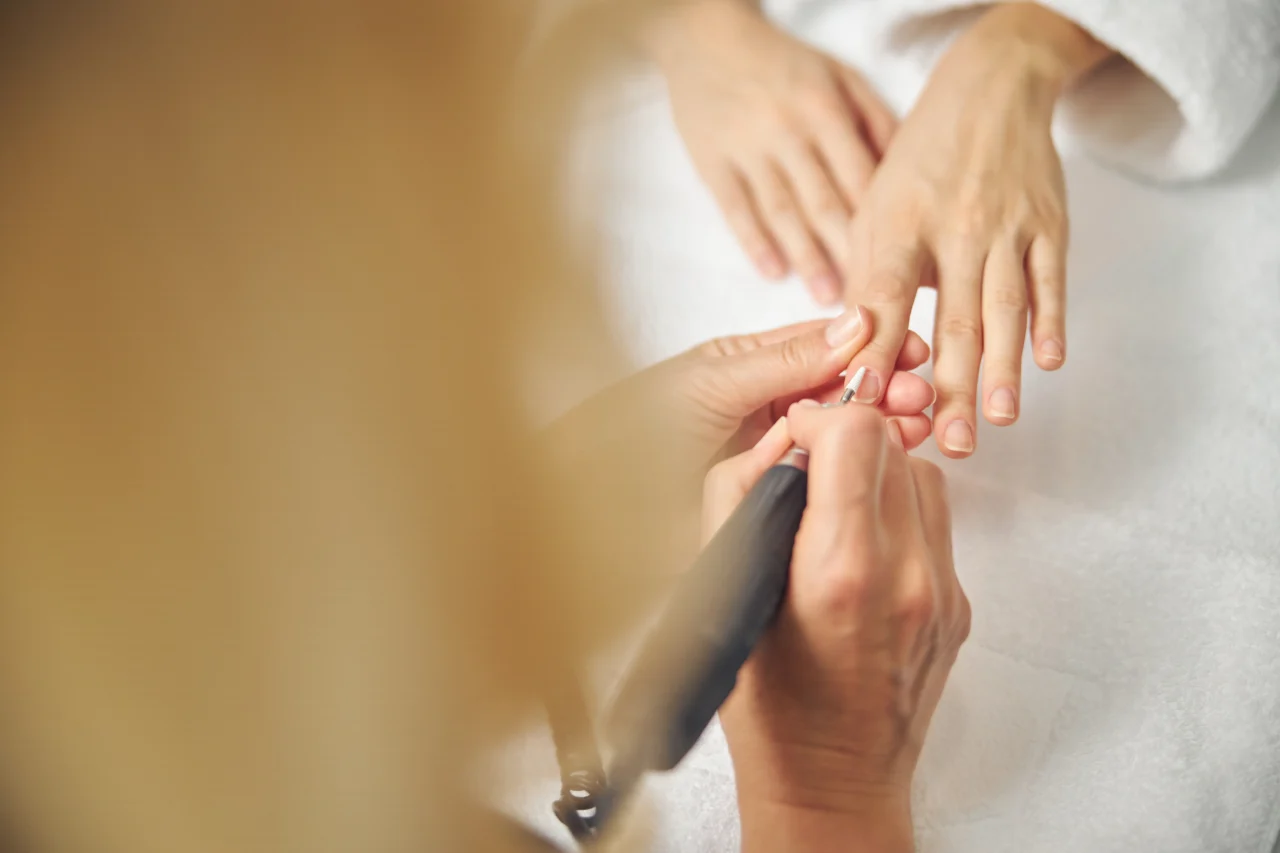
Dr. Mae Ramirez-Quizon doesn’t mince words about it. “Overzealous manicuring and pedicuring! One nail habit I wish Filipinos would stop doing immediately is cutting the nails and cuticles too aggressively,” she shared.
In her advice, nails should be trimmed straight across, not cut deep into the sides—which can leave a sharp edge that grows into the surrounding skin. This can lead to a painful and avoidable condition called an ingrown nail.
She also mentioned that the cuticles, specifically, shouldn’t be cut at all. “Cuticles should also never be cut or forcefully pushed back. They serve as a protective barrier against bacteria, viruses, fungi, and irritating chemicals. Damaging them can lead to paronychia, which is inflammation or infection of the skin surrounding the nail,” she explained.
Gel polish and acrylic nails aren’t off the hook either. Dr. Ramirez-Quizon explains that the real damage from these nail habits isn’t necessarily from the polish itself—rather, it’s everything around it. “Aggressive buffing before application, repeated filing or drilling, and peeling, scraping, or forcibly removing the softened product can strip layers from the natural nail plate,” she said. The potential result: thin, brittle, or cracked nails from repeated mechanical trauma; allergic reactions to acrylate compounds; and, in more serious cases, nail lifting or distortion. UV exposure from curing lamps is another concern for the surrounding skin.
Dr. Anna Palabyab-Rufino sums the effect plainly: “Exposure to harsh chemicals, excessive filing and buffing, and exposure to UVA can cause damage to our nails and the skin around them. Nail thinning, severe dryness, contact dermatitis, splitting, peeling, photo damage, and sometimes infections are some of the examples of the effects of these nail procedures,” she explained.
Dr. David-Javier supports this with data: “The UV-cured polymers (acrylates) in gel polish are a leading cause of allergic contact dermatitis, presenting with burning, itching, redness around the nails, and sometimes nail separation. Multiple case series have documented onycholysis (nail lifting) from repeated UV exposure combined with aggressive filing and acetone removal,” she explained.
But none of this means you need to swear off manicures for good. It just means that the “how” matters just as much as the “how often.”
The popular “Russian Manicure”
Pexels
If dermatologists say that cuticle cutting is the problem, the viral Russian manicure takes the practice further.
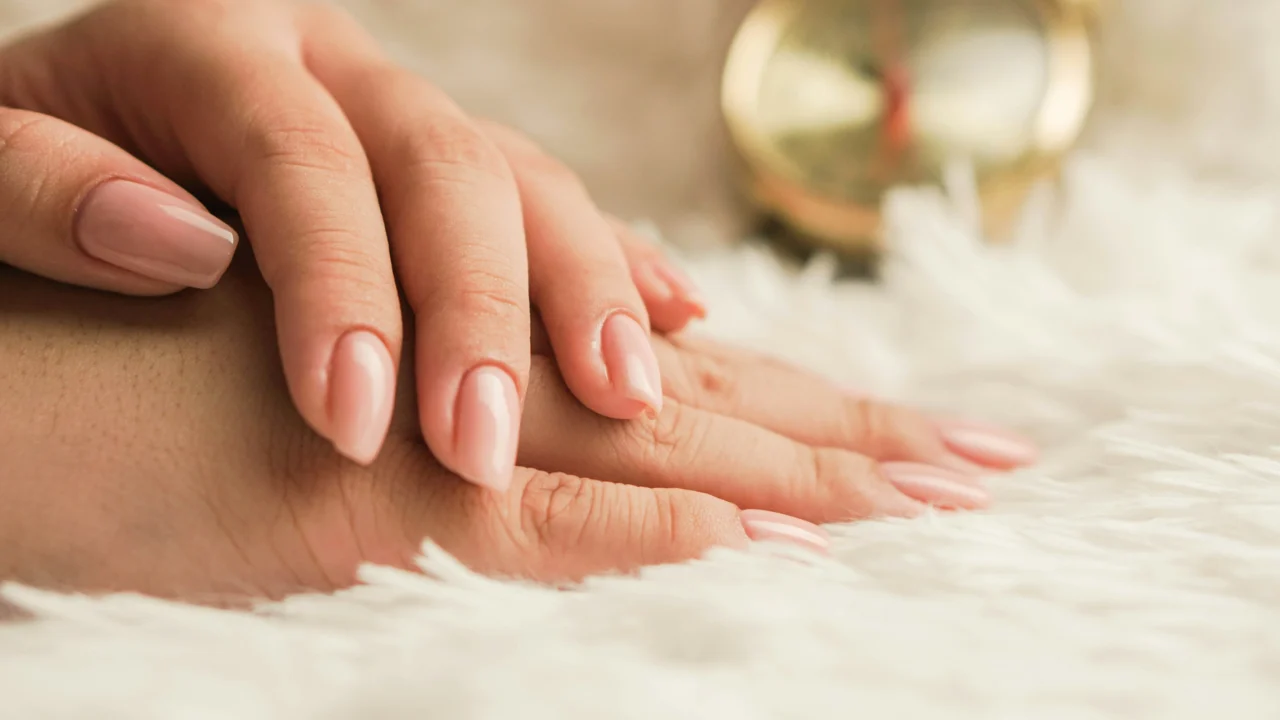
This dry manicure technique uses an electric nail file to remove not just the cuticles but can also affect the eponychium. Its appeal is obvious—it gives an ultra-sleek, “your nails but better” finish that photographs well—which is exactly why it’s become so visible on social media.
Dermatologists, however, see it differently. The three we spoke with advise against aggressive cuticle removal. Dr. David-Javier explains it bluntly: “This procedure essentially removes your nail’s natural protective barrier in one session, leaving the matrix wide open to bacterial and fungal invasion.”
And this is the main issue. The cuticle isn’t just there for appearance—it’s a protective seal that’s meant to protect the nail matrix. Once you cut it, file it away entirely, or push it back forcefully, you can create an entry point for infection, or worse, permanent nail damage. “Dermatology literature confirms that the most common cause of acute paronychia is direct trauma to the cuticle from manicure procedures, with Staphylococcus aureus being the most frequent pathogen,” said Dr. David-Javier.
She also pointed to a study that examined the growth of personal care businesses all over the country. “A 2020 study noted that the Philippines has seen a significant increase in personal care businesses, with inadequate sanitization practices leading to higher transmission of nail infections among customers.” This, she said, when compounded with humidity, can create favorable conditions for bacterial and fungal growth.
If an electric file hasn’t been properly cleaned and disinfected according to appropriate control protocols, the risk may increase: “You’re setting yourself up for chronic paronychia, onychomycosis, or even permanent nail dystrophy,” said Dr. David-Javier.
Her advice is straightforward: “Avoid Russian manicures altogether. The “clean” look isn’t worth the risk of chronic infection or permanent nail damage.”
Another habit worth breaking
Nail damage doesn’t just come from a bad session at the salon. Dr. Palabyab-Rufino points to something that most of us do without thinking twice: using our nails as tools. Slicing plastic packaging, ripping through stubborn tape, or lifting a soda can tab—these might seem harmless, but they’re an easy way to cause unnecessary trauma to the nail.
What to do instead
There’s no need to panic over every manicure you’ve had many forms of superficial nail damage can grow out over time. The goal is to shift to healthier habits before damage becomes a chronic problem.
Leave your cuticles alone
Both Dr. Ramirez-Quizon and Dr. David-Javier agree that cuticles should never be cut, filed away, or aggressively pushed back. If needed, they can be gently pushed back after softening, but it’s best to skip the nail nippers and electric file. If you’re getting a gel polish, it’s worth asking your technician to leave the cuticle intact to avoid future nail damage.
Moisturize your hands and cuticles
Dr. David-Javier’s advice is simple: “Moisturize with a bland emollient or petroleum jelly daily.” Dr. Ramirez-Quizon adds that it’s best to use a fragrance-free hand cream and cuticle oil, which can help reduce dryness and brittleness.
Ask your dermatologist about nail taping if you already have nail damage
This tip comes straight from Dr. David-Javier, who has seen this in her own clinic. “I’ve had patients whose chronic nail infections resolved completely just by stopping cuticle cutting and doing nail taping, a simple low-cost technique where you cover the exposed nail fold with micropore tape most of the day to protect the area while a new cuticle is forming. It acts like a temporary barrier against bacteria and moisture.”
Protect your hands before UV curing
If you regularly get gel manicures, Dr. Ramirez-Quizon recommends applying a broad-spectrum sunscreen with SPFSPFSun Protection Factor, a measure of how well a sunscreen protects against UVB rays that cause sunburn. Dermatologists recommend a broad-spectrum SPF 30 or higher, applied generously every morning andGo to SPF Glossary 30 or higher to your hands before your nails go under a lamp. Alternatively, she recommends dark, opaque, fingerless UV-protective gloves.
Give your nails a break in between sessions
Your nails need a break from the polish and acrylics, too. Dr. Ramirez-Quizon says a “polish-free interval of one to two weeks—or longer when necessary—reduces further trauma, allows the nail to be properly examined, and gives healthy nail time to grow out.”
Once you notice your nails thinning out, lifting, or becoming more brittle, Dr. David-Javier suggests extending that break to two or three months to allow the damaged portion to grow out.
All in all, your nails aren’t asking for too much—just a little less interference. Skip the aggressive nail filing and cuticle cutting, and give your nails an occasional break between treatments when needed. Plus, it might be best if you stop using them as your makeshift box cutter when there aren’t any scissors around, too.
Don’t worry, none of this is meant to discourage you from getting your favorite gel color at your next apppintment. It just means treating your nails less like a canvas and more like the protective structures that they are—because strong and healthy nails will always look better than a perfect set sitting on top of damaged nails.
Frequently Asked Questions
Yes—dermatologists say cuticles are a protective barrier against bacteria, viruses, fungi, and irritants. Cutting or forcefully pushing them back can lead to paronychia, an infection of the skin around the nail. Filipina dermatologists recommend leaving cuticles uncut and gently pushing them back only after softening.
A Russian manicure uses an electric nail file to remove the cuticle and eponychium for a sleek finish. Dermatologists warn it strips the nail’s natural barrier in one session, raising the risk of Staphylococcus aureus infection, chronic paronychia, and permanent nail dystrophy.
Yes—the damage typically comes from the process, not the polish itself. Aggressive buffing, filing, drilling, and peeling off gel or acrylic can thin the nail plate, cause allergic contact dermatitis from acrylates, and lead to onycholysis, or nail lifting, with repeated UV exposure.
Dermatologists recommend a polish-free interval of one to two weeks to let nails be examined and regrow healthy tissue. If nails show thinning, lifting, or brittleness, extend the break to two to three months to let the damaged portion fully grow out.
Dermatologists recommend stopping cuticle cutting immediately and trying nail taping—covering the exposed nail fold with micropore tape for most of the day to shield it from bacteria and moisture while a new cuticle forms. Daily moisturizing with petroleum jelly also supports recovery.
Please select an image.