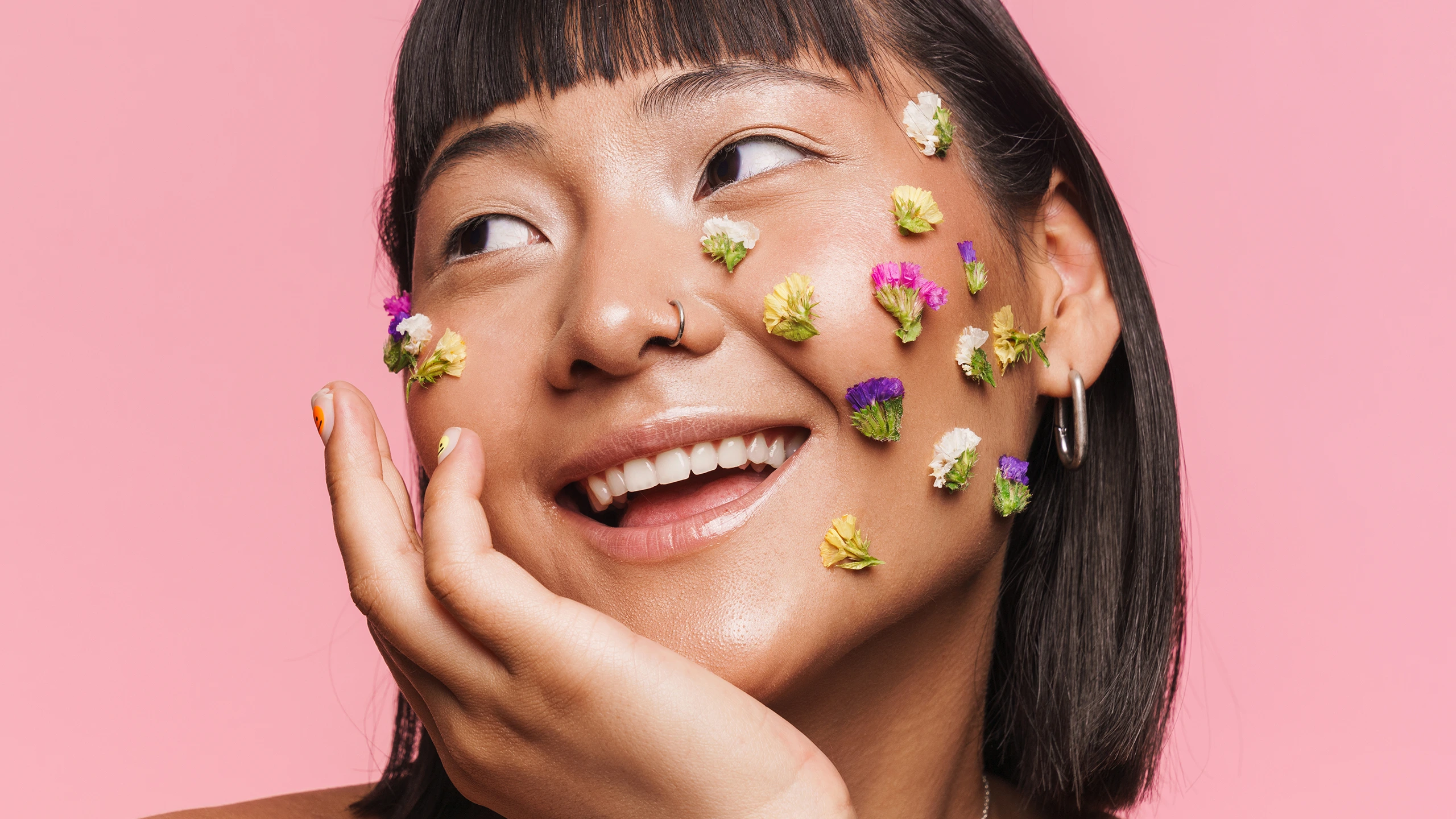
Between the cute, trendy pimple patches and “unfiltered skin” posts that have become a social media staple, breakouts have slowly stopped being a secret. In a tropical country where sweat and pollution can work against your skin every day, it makes sense: pimples are a part of daily life here.
But as the beauty conversation gets more comfortable with acne, remember: normal doesn’t mean you always have to figure it out on your own. To find out when to get help, Allure Philippines sat down with board-certified dermatologist Jasmin Jamora, MD, FPDS, and president of the Philippine Dermatological Society.
Below, she breaks down how to accept breakouts and still take care of your skin.
Envato Images
The conversation is shifting
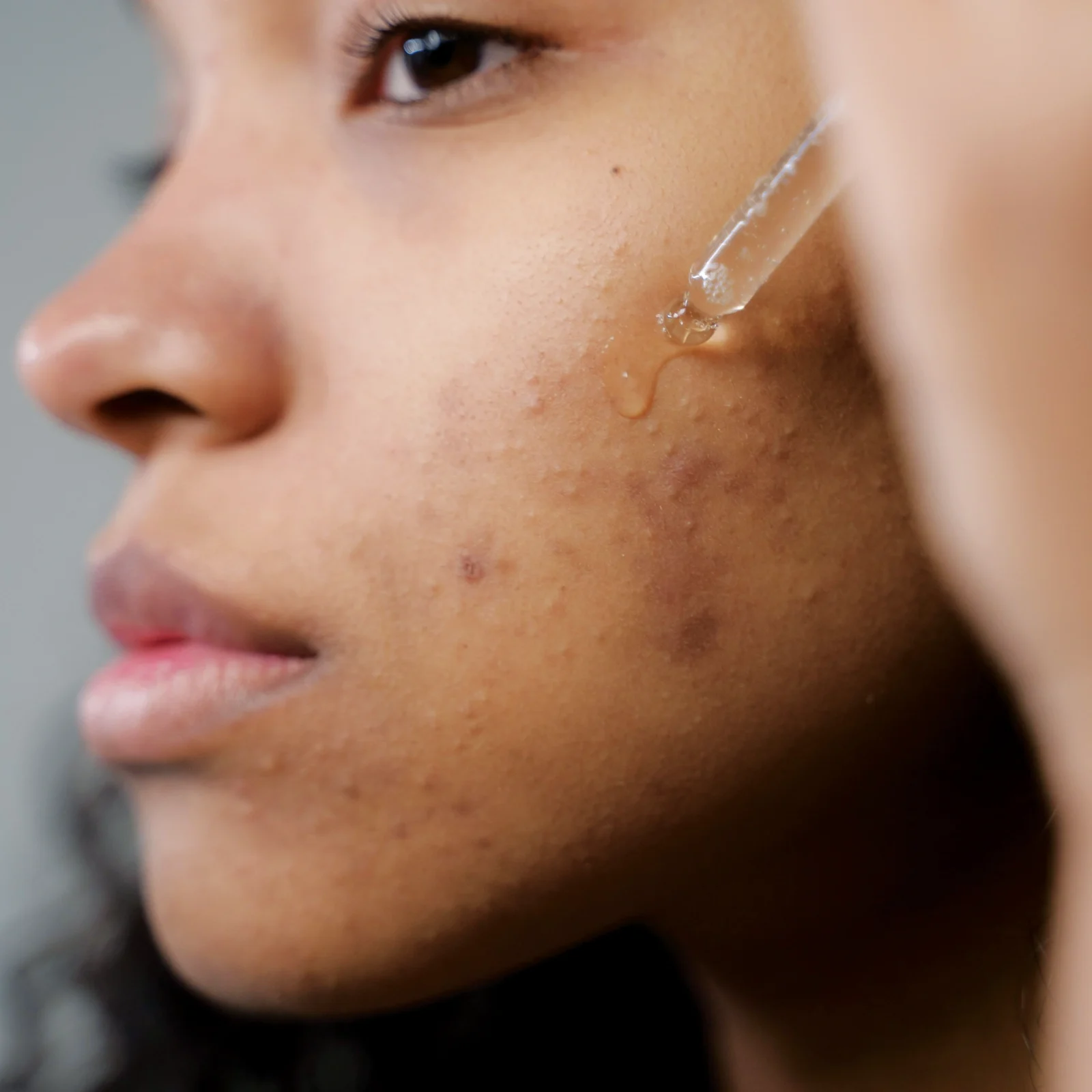
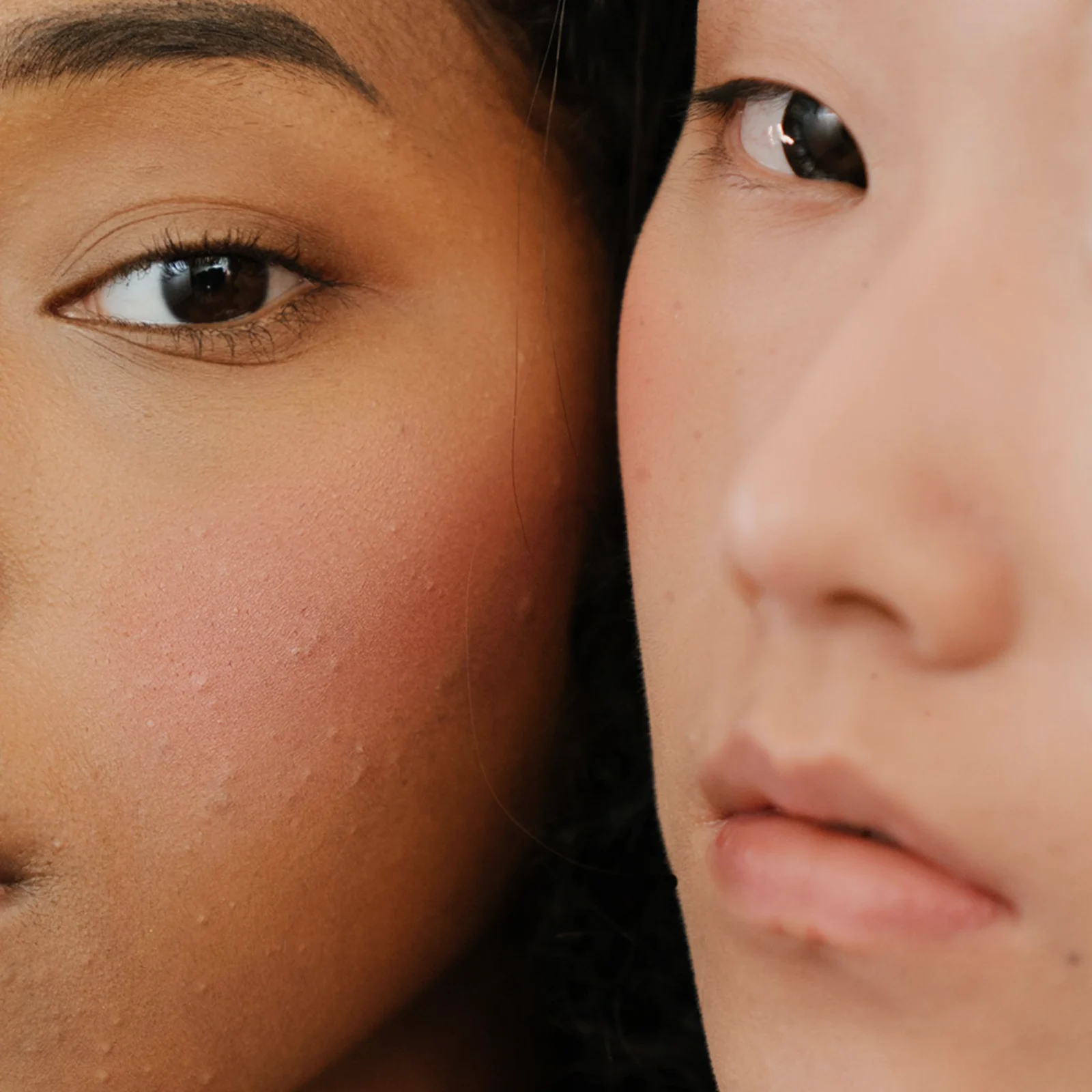
Pimples are no longer something to hide. They’ve slowly become a normal and accepted part of how we look, and dermatologists like Dr. Jamora have noticed. In her view, the conversation is changing for the better.
“I think the conversation is shifting in a way that people may feel a little bit less shame about talking about their breakouts. And at the same time, people are more aware of what causes their breakouts,” she says.
What’s behind a breakout
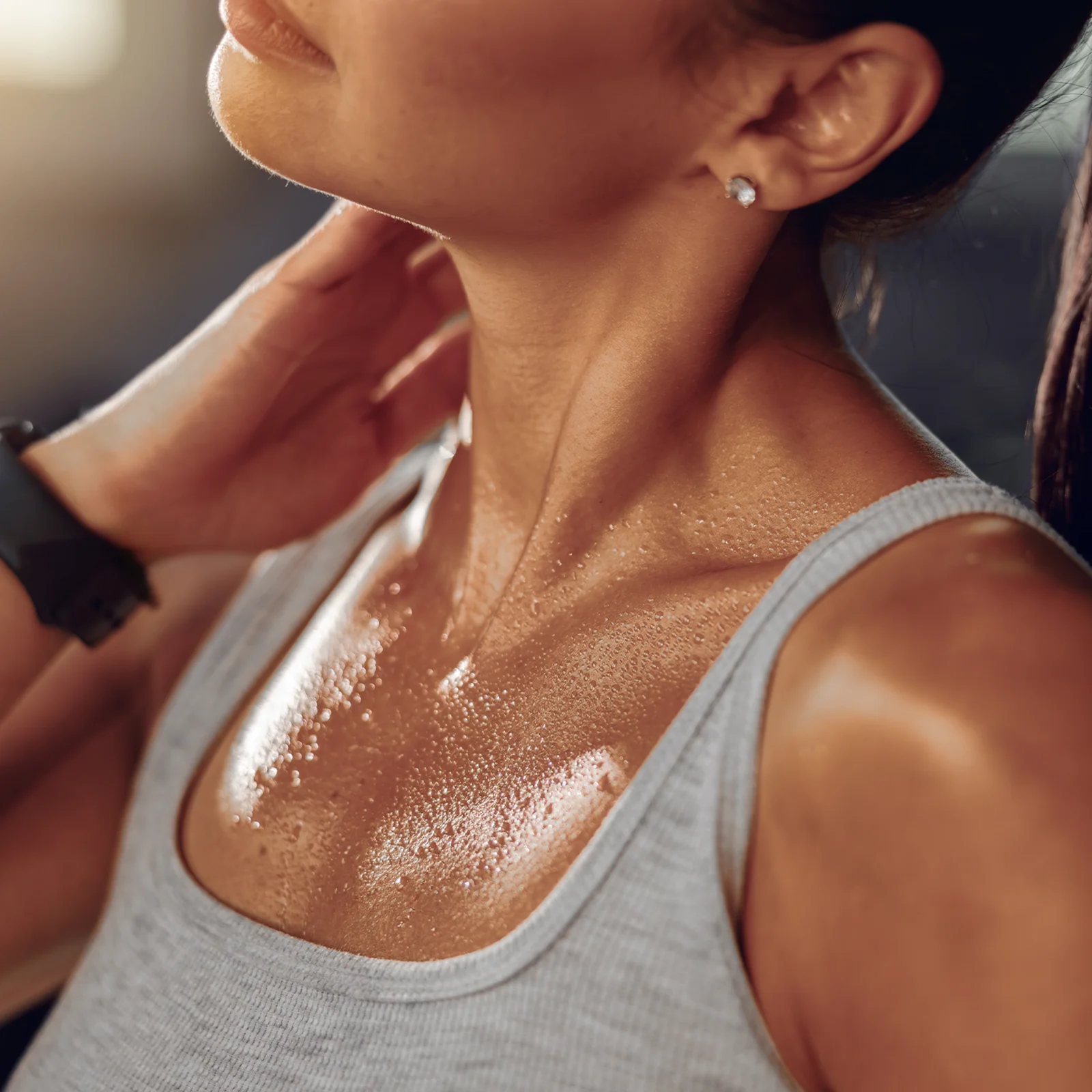
In a previous article, Allure Philippines talked to board-certified dermatologists Amanda Christine Esquivel, MD, and Bryan Guevara, MD, FPDS, FDSP-PDS, who mentioned five habits that can cause acne breakouts: stress, Filipino diet, exercise, wrong skin care routines, and over-cleansing.
Dr. Jamora also mentions four basic causes: hormones that drive oil production, clogged pores, the bacteria Cutibacterium acnes, and inflammation. She cautions against using “a lot of ointments or greasy stuff, very heavy coverage makeup, and moisturizers,” since it can trigger more breakouts.
She also points to hormonal acne, especially those caused by polycystic endocrine metabolic syndrome or PMOS. “We’re seeing more and more of hormonal acne,” she says. “We have to address those because those come with other comorbidities like hypertension, insulin resistance, hirsutism, and a lot of skin issues.”
When pimple patches may not be enough
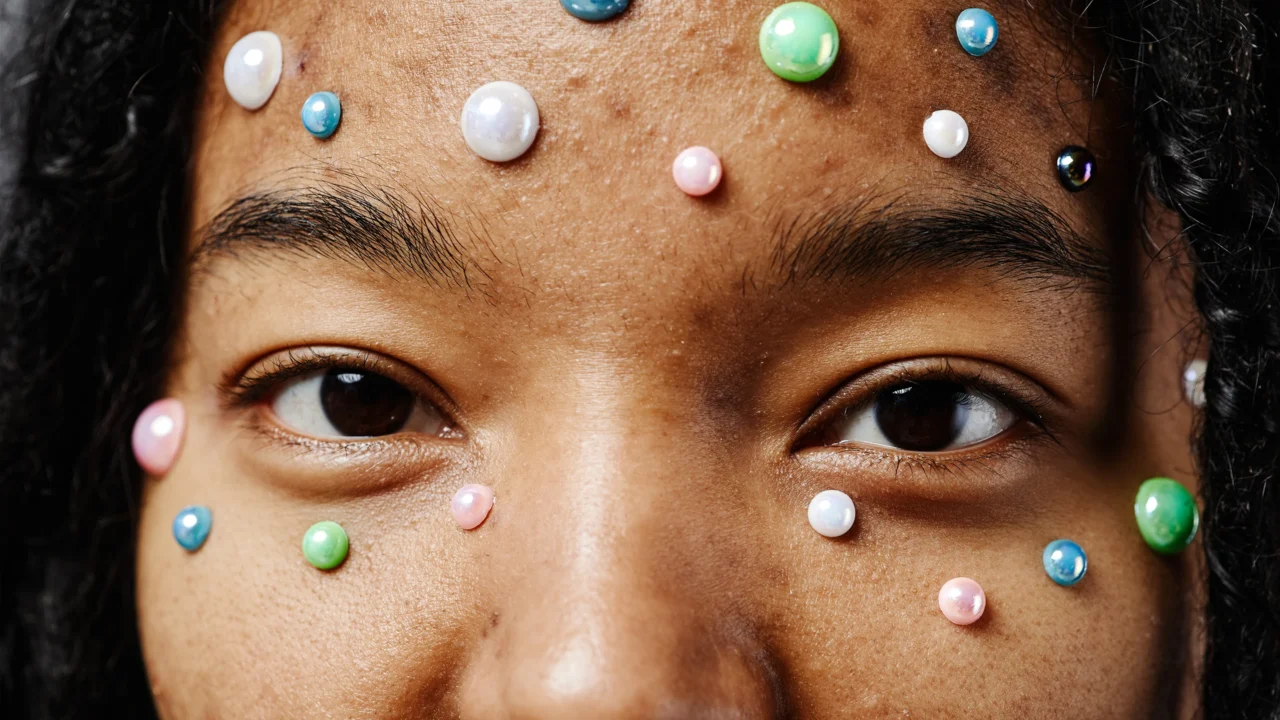
The star behind the normalization of pimples is the pimple patch: small, adhesive hydrocolloid dressings that absorb pus and oil from blemishes while keeping hands off them. They were made to help pimples heal, but they’ve become a small piece of face jewelry, like gems scattered across the face in different shapes and sizes.
In the Philippines, homegrown brand Posh Skin helped bring the look to local shelves with animal themes, star and heart shapes, and metallic designs, sold online and at drugstores.
Allure Philippines even saw firsthand how pimple patches became a fashion statement at the Allure Beauty Lab. Attendees—those with and without acne—passed by the Posh Skin booth and placed patches on different parts of their faces.
For Dr. Jamora, the appeal of pimple patches signals progress. “They wear it almost like an accessory nowadays…almost like putting little diamonds or crystals on your face, or just almost like makeup.” She adds that the fact that pimples can be dressed up shows that shame around acne is slowly fading.
She cautions, however, that a cute patch only goes so far in some cases. It’s fine for surface-level breakouts, but not for deep, painful cysts.
“For those big cystic, deep, painful ones, especially near the dangerous triangle (from the bridge of the nose to the corners of the mouth), you shouldn’t pick it because there’s a vein that goes straight to the brain. Don’t just pimple patch it. You might need to see a doctor for those things.”

kaboompics
When to see a doctor
It’s fine to start your acne management at home: a salicylic acid cleanser, niacinamideNiacinamideA form of vitamin B3 that helps regulate oil, minimize the look of pores, strengthen the skin barrier, and fade dark spots. It is well tolerated and pairs easily withGo to Niacinamide Glossary, alpha hydroxy acids (AHA), or benzoyl peroxide are all reasonable first steps. But Dr. Jamora draws a clear line on when to seek help: “If you’ve been trying over-the-counter medication for a month or so, and it’s not getting better, go see a doctor.”
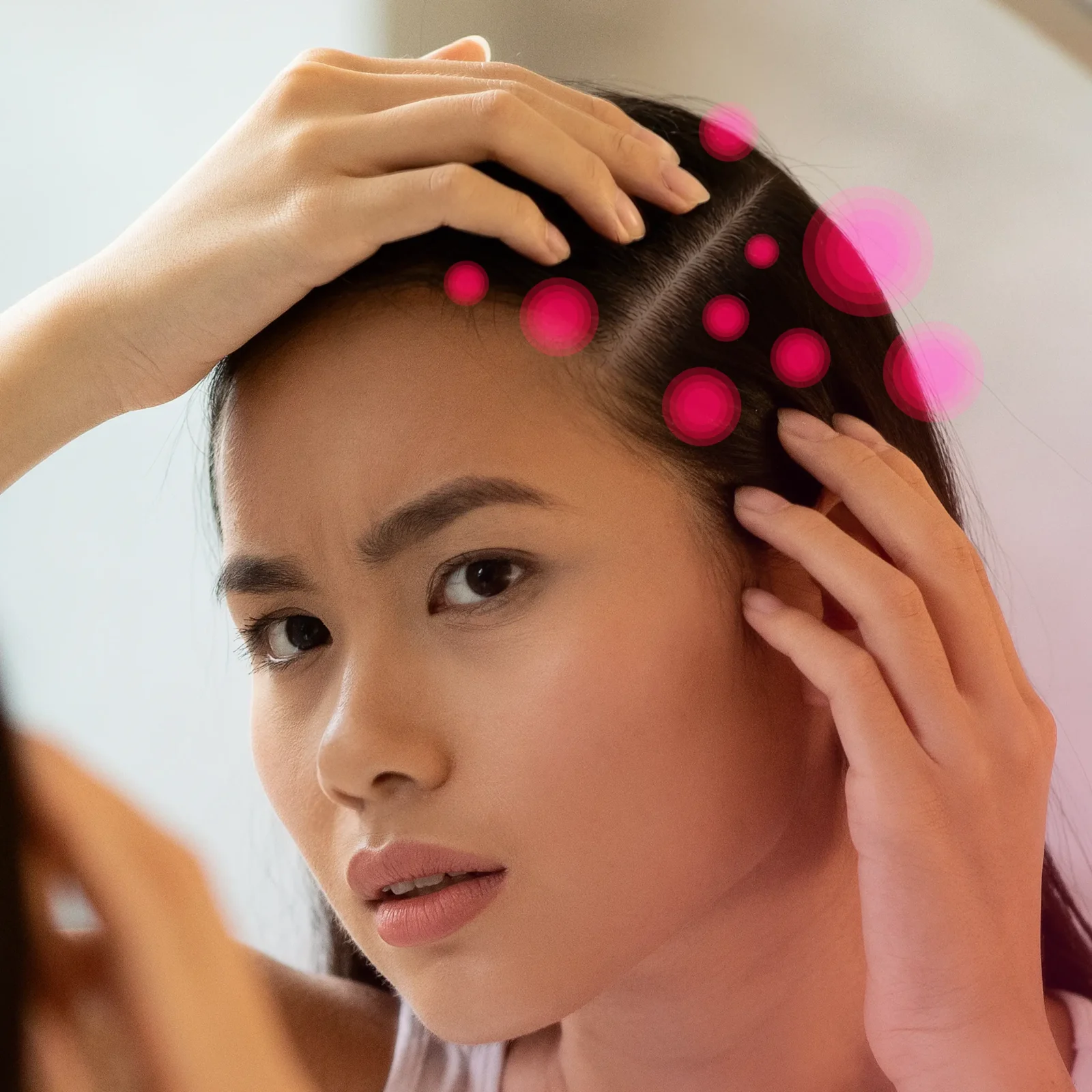
Then there are emotional cues: if breakouts make a person feel anxious, low, or ashamed. “If it’s already impacting your psychological and physical health, like if you’re feeling depressed or you’re feeling anxious about your face or you’re already feeling a bit of shame about your acne breakout, go see a board-certified dermatologist,” she says.
Another way to tell is to check its severity. Dr. Jamora explains that acne covering less than half the face is mild, more than half is moderate, and nearly the whole face is severe. “Once you hit moderate to severe, you should probably see a dermatologist and get professional help. Because at that point, creams are not going to cut it.”
The takeaway
Acne treatment depends on the person, says Dr. Jamora, whether that means using topicals, antibiotics, isotretinoin, spironolactone, retinoids, or in-clinic options like chemical peels, lasers, and light therapy. “It’s not a one-size-fits-all treatment that applies to everyone,” she shares. “We have to assess each and every person before we address acne breakouts.”
Normalizing pimples is definitely worth celebrating! But acceptance doesn’t mean you have to endure the pains that come with it. Dr. Jamora’s advice is simple: treat the small, manageable ones at home, and see a board-certified dermatologist to find what works for you.
So wear the cute patch if you want to. And know that when it starts to hurt and affect your daily life, seek help through a quick visit to your dermatologist.
Frequently Asked Questions
Dr. Jasmin Jamora recommends seeing a dermatologist if over-the-counter treatment hasn’t improved breakouts after about a month, if acne covers more than half your face, or if it’s affecting your emotional well-being.
Dr. Jamora cites four basic causes: hormones that drive oil production, clogged pores, the bacteria Cutibacterium acnes, and inflammation. Hormonal acne linked to PCOS is also increasingly common and comes with other health risks.
No. Dr. Jamora warns against picking deep, painful cysts near the “dangerous triangle,” the area from the nose bridge to the mouth corners, since a vein there connects directly to the brain.
Pimple patches work well for surface-level breakouts by absorbing pus and oil, but Dr. Jamora says they’re not enough for big, cystic, deep, painful pimples, which require professional dermatological care instead.
Dr. Jamora explains that acne covering less than half the face is mild, more than half is moderate, and nearly the whole face is severe. Moderate to severe cases typically need professional treatment beyond creams.