October brings its familiar wash of pastel pink for Breast Cancer Awareness Month as a yearly reminder of the importance of early detection. But beyond the ribbons and campaigns is a conversation that pulls deeply at the heartstrings: breast cancer remains the most commonly diagnosed cancer among women in the Philippines, according to a 2024 seminar by the Philippine Statistics Authority.
Knowing when to seek screening is critical, yet access to those tests remains an urgent challenge. In a country where one in 13 Filipino women are expected to develop breast cancer in their lifetime, self-examination is a powerful line of defense that can help people recognize changes—and what warrants medical attention before it’s too severe.
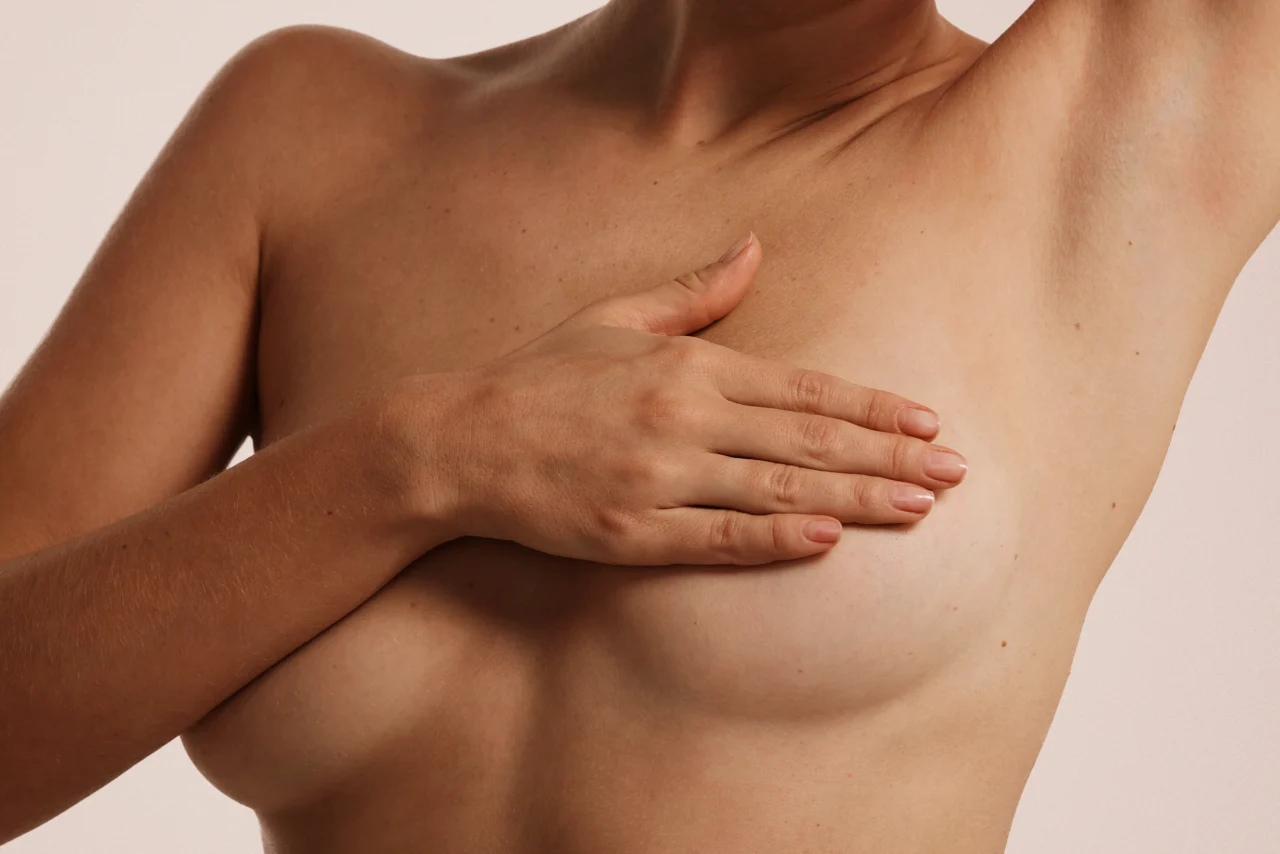
Envato Images
In line with this, Allure Philippines spoke to breast surgeon Aldine Astrid A. Basa, MD, FPCS, FPSGS, FPSBS, Head of the Center of Excellence for Breast Cancer at Healthway Cancer Care Hospital, to better understand what breast awareness looks like in practice, what changes to look out for, and when to seek medical advice.
What it really means to know your breasts
It’s not exactly an all-encompassing experience for anyone with breasts. For example, some people naturally have uneven breasts or lumpy areas of tissue.
So the first step includes being familiar with your breasts’ usual size, shape, how the skin and nipples look, the texture of the tissue, and how fullness or tenderness may change throughout your menstrual cycle.
“You do not need to memorize every small bump or know what cancer feels like,” says Dr. Basa. The aim, simply, is to discern: ‘This looks or feels different for me.’ However, Dr. Basa notes: “Breast awareness can help you notice changes, but it cannot confirm that your breasts are cancer-free or replace recommended screening.”
How to check your breasts at home: stand, feel, report
Getting to know your breasts does not have to involve a complicated routine. When asked how to become more familiar with their usual look and feel, Dr. Basa recommends a simple approach: look for changes, feel for anything unfamiliar, and know when to bring it to your doctor’s attention.
Firstly, she instructs, “Stand in front of a mirror with your arms relaxed at your sides, then raised. Take notice of any changes in the shape of your breasts, the skin, or the nipples.” As for the feel, she says, “Gently check your breasts, extending your attention toward your collarbone and underarms. Get familiar with the texture of your breast tissue rather than trying to memorize every bump.”
You can do all of these while showering or lying down—the point is not to diagnose yourself, but to become familiar with your breasts, so that a change is easier to recognize. If you notice a new lump or a change that feels unfamiliar, it is important that you bring it up with your doctor.
The breast changes you shouldn’t ignore
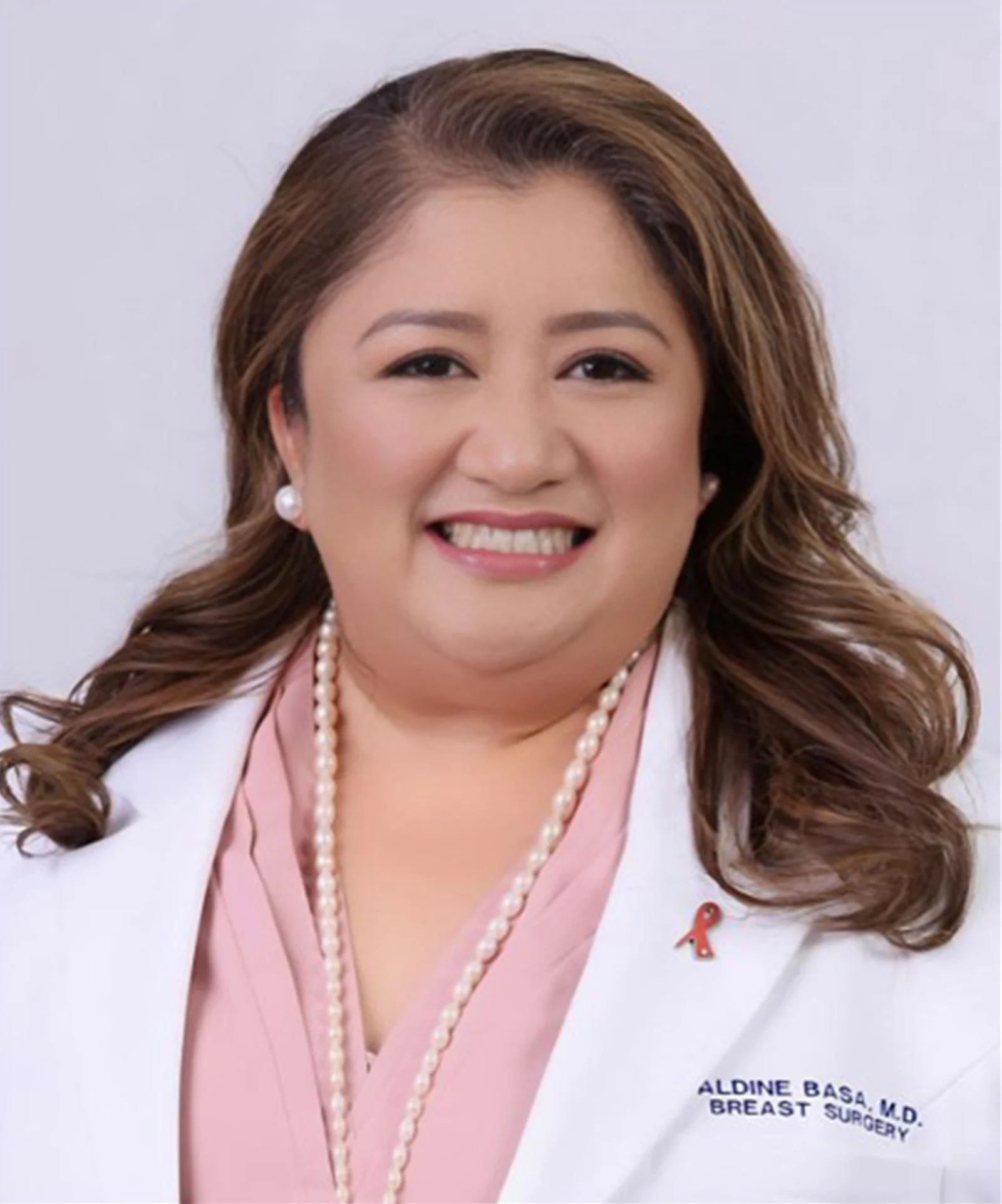
Image courtesy of Dr. Aldine Astrid A. Basa
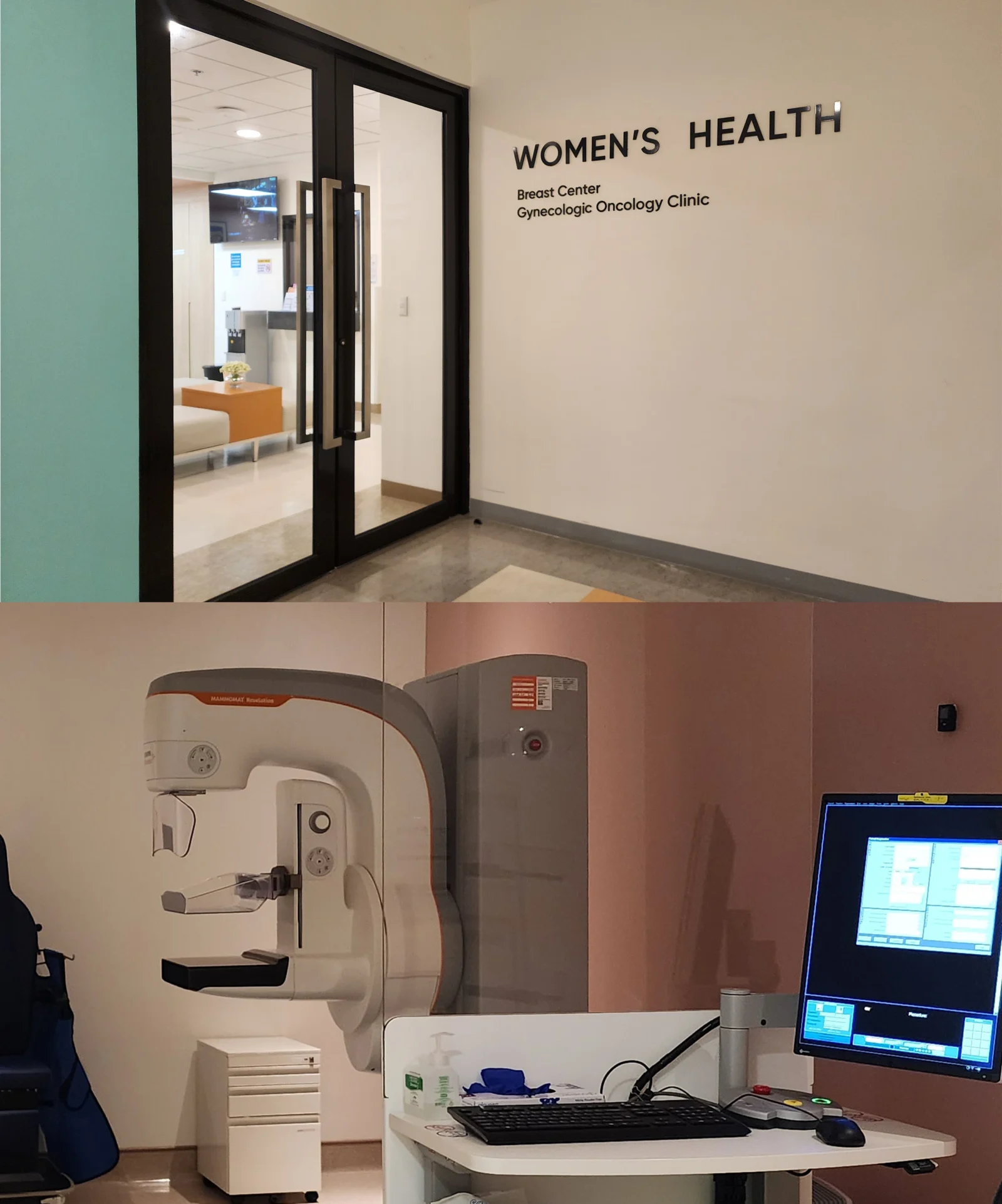
Image courtesy of Healthway Cancer Care Hospital
A lump is not the only sign that something may need medical attention. Dr. Basa notes that changes in the skin, nipples, or overall shape of your breasts should be looked into, even if you cannot feel a lump.
She expounds, “Pay attention to new dimpling or puckering, or skin that resembles an orange peel; unexplained swelling or changes in breast size or shape; a nipple that has recently turned inward; persistent redness, scaling, crusting, or an eczemaEczemaA chronic inflammatory skin condition, also called atopic dermatitis, that causes dry, itchy, red, and sometimes cracked patches. Triggers include heat, sweat, stress, and harsh products. Gentle cleansers, thick moisturizers,Go to Eczema Glossary-like rash around the nipple; and unexpected nipple discharge, particularly if it is bloody or occurs without squeezing.”
She adds that swelling or a lump in the armpit or near the collarbone also warrants an assessment.
Note that not every change signals cancer; many have benign explanations. What matters is recognizing when something is different from your usual and having it evaluated rather than assuming it will go away on its own. So which changes warrants a check? “Most lumps are noncancerous, and not every lump needs a biopsy,” says Dr. Basa. “Breast lumps can be caused by fluid-filled cysts or benign growths called fibroadenomas, among other conditions.”
When you discover a new lump, though, she advises to arrange a medical appointment promptly. “Your doctor can examine the area and determine whether further evaluation, such as an ultrasound, diagnostic mammogram, or biopsy, is necessary.” So if you notice a new lump or another concerning change, do not wait for your next self-check or for your cycle to reach a particular point before seeking medical advice.
When is the best time to check your breasts?
In response to hormonal changes, your breasts do not necessarily look or feel exactly the same every day. According to this study, hormonal shifts throughout menstrual cycles can leave them a bit more tender before our periods—while natural aging can affect their size, shape, and texture.
If you choose to check your breasts regularly, doing so after your period may be more comfortable, as it’s “when hormonal swelling and tenderness have generally subsided.”
And if you have irregular periods or no longer menstruate, you can choose a convenient time to check in with yourself: “checking at a similar point in your cycle can also make it easier to notice differences over time.”
Can you tell if a breast lump is cancerous by touch?
A lump—if it feels hard, has an irregular shape, or fixed in place—should be something of concern. But as Dr. Basa explains, a cancerous lump can also feel “soft or rounded, and it may be tender or painful.”
Therefore, touch alone cannot determine whether a lump is benign. A medical examination, followed by imaging or a biopsy when indicated, is still the most helpful tool in establishing the root cause.
Mammograms vs. breast ultrasounds: what’s the difference?
Envato Images
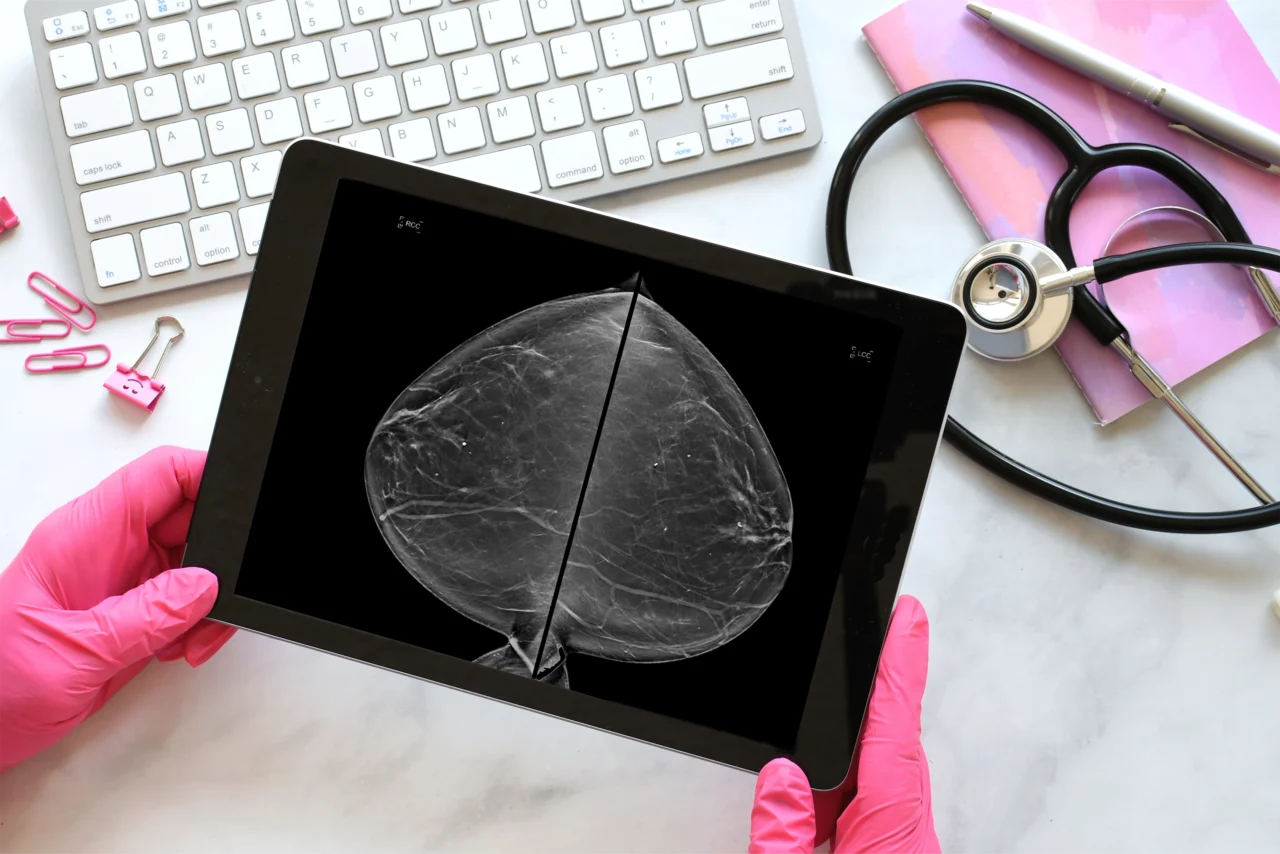
Both mammograms and breast ultrasounds can help doctors investigate breast abnormalities, but there’s a different purpose for both. A mammogram uses low-dose X-rays to produce images of breast tissue, and is a tool for breast cancer screening and diagnosis, while an ultrasound uses sound waves to create images of the breast and may be recommended to assess a lump or investigate a particular area.
Which examination you need, according to Dr. Basa, depends on factors such as your age, symptoms, breast tissue, and individual risk factors. A doctor may recommend one or both, depending on what needs to be assessed.
Preventive care can also include routine consultations with your family physician or a specialist, who can help determine which screenings are appropriate for you. Learn more about what to expect from a breast mammogram, or explore the SPOT-Mas test as another screening option. These tests serve different purposes, so the right approach depends on your health needs and the conditions being screened for.
You do not need to wait for a lump to grow before getting your breasts checked
A new, distinct lump, unusual thickening, unexpected nipple discharge, or a change in the skin or nipple is reason to arrange a medical appointment. Dr. Basa says, “You do not need to wait for a lump to grow, become painful, or develop other symptoms before getting it checked.”
“If your breast becomes red, hot, swollen, or rapidly more painful, seek same-day medical advice, particularly if you also experience fever, chills, or feel unwell. These symptoms may indicate an infection that needs treatment.”
Lastly, even with regular check-ups, Dr. Basa stresses that a normal mammogram should not be a reason to brush off a new breast change. She reminds us: screening and the evaluation of a symptom serve different purposes, and if a symptom persists or worsens after an initial evaluation, it’s best practice to return to your oncologist for further assessment.
Frequently Asked Questions
There’s no strict schedule, but checking monthly after your period — when hormonal swelling has subsided—makes changes easier to notice. If you have irregular or no periods, pick a consistent, convenient time each month instead.
A cancerous lump can feel hard, irregular, or fixed in place, but it can also feel soft, rounded, tender, or painful. Touch alone cannot confirm whether a lump is benign; a medical exam, imaging, or biopsy is needed to determine the cause.
New dimpling or puckering, orange-peel skin texture, a newly inverted nipple, persistent redness or crusting around the nipple, unexpected nipple discharge, and swelling near the armpit or collarbone all warrant prompt medical evaluation.
It depends on age, symptoms, breast tissue density, and individual risk factors. Mammograms use X-rays for screening and diagnosis, while ultrasounds use sound waves to assess a specific lump — doctors may recommend one or both.
Seek same-day medical advice if your breast becomes red, hot, swollen, or rapidly more painful, especially with fever, chills, or feeling unwell, since these can indicate an infection requiring prompt treatment.