

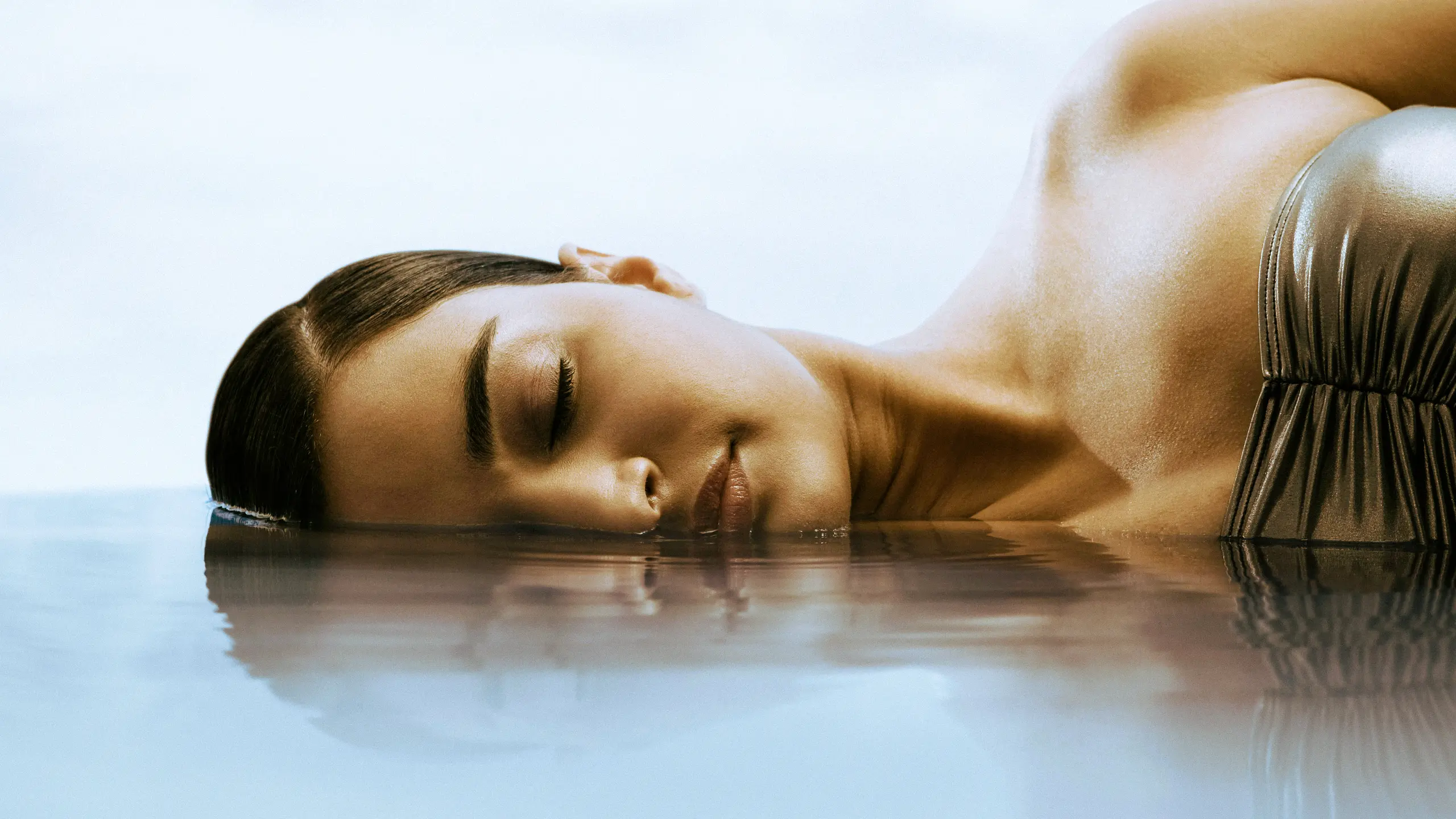
What if, for a week, you were given a chance to go on an all-expenses-paid trip to a five-star hotel resort, complete with wellness activities—from a relaxing sound bath, to hot-stone massages, and sunset yoga? What would you feel?
For one, it might feel like an exciting opportunity to go on an adventure, see another side of the world, and do something entirely different from the daily routine. For another, it might feel like a chance to take a breather, escape the grueling pace of the city, and slow down somewhere by the sea. Still, these feelings might be laced with guilt. Being exposed to luxury means a rare opportunity to experience a kind of rest that not many people can afford.
Perhaps it is possible to feel all three, because I did. While I was on a speedboat zooming across the clear waters of Boracay on the way to a secluded resort for a wellness retreat, I was excited, because it was not every day that I got to experience this, much less be part of a luxury wellness retreat.
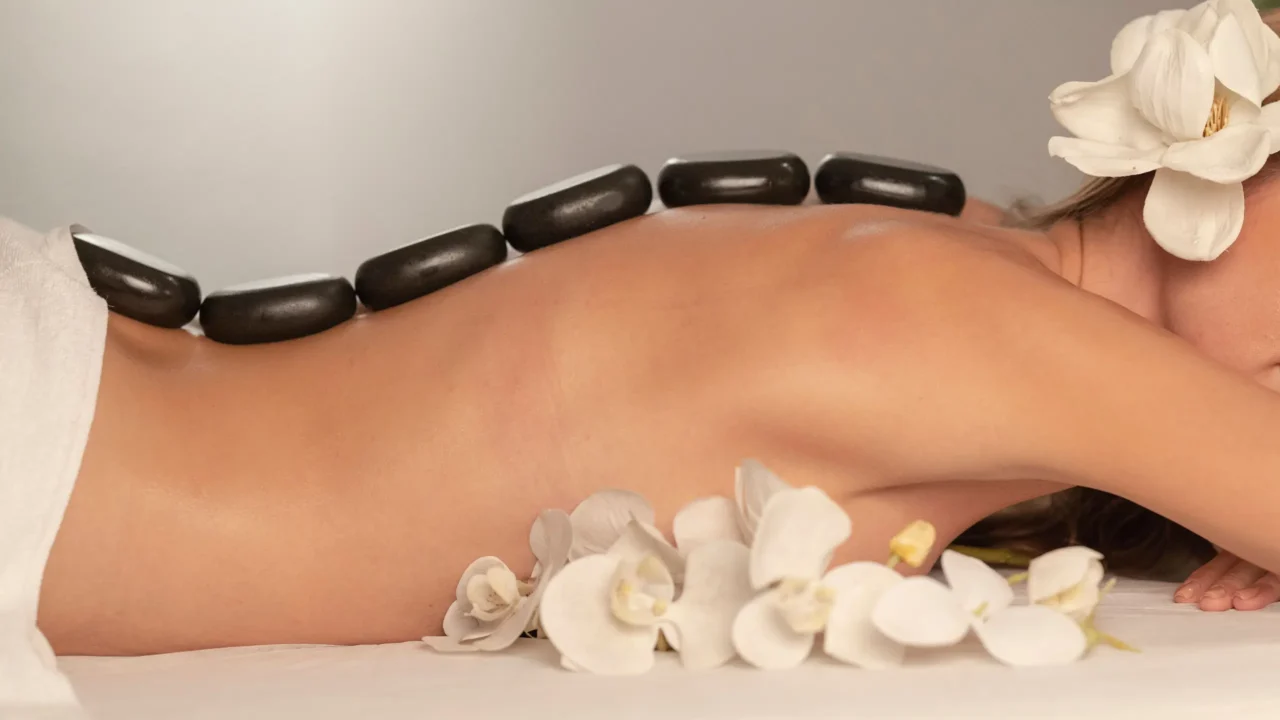
And over the next few days, there was a morning sound bath complete with crystal singing bowls, sumptuous lunches and dinners filled with laughter and good conversations, mindfulness sessions curated by beauty and wellness experts, sunset yoga by the pristine shores, pool time under the sun for hours on end, and nights ending with a bubble bath in the room.
Envato Images
I felt good, honestly, better than I had in a long while. But somewhere between sipping a glass of champagne at noon and getting a massage while listening to the rain outside the villa, I began to wonder whether this is the true definition of wellness? Is this the only way to be well?
In a world where wellness is increasingly packaged to be aspirational—from flying to private islands, buying expensive athleisure wear, to eating carefully curated meals beyond the average Filipino’s budget—can wellness not come with a price tag? Can wellness feel less like a lifestyle reserved for a chosen few, and more a basic part of living? Because if wellness is about learning to care for ourselves, why does it sometimes feel as if we have to buy our way into it?
At the New Lounge Global Destination Retreat: Pamper and Reset in Shangri-La Boracay, Allure Philippines spoke to international beauty and wellness experts—New Lounge Founder and CEO Rachelle Bravo; AHN Skin Founder, Soo Ahn, PharmD; IDRA Wellness founder Rachel Madar, and certified Inside Flow Yoga Teacher Jenifer Martinez about their opinions on the perceived relationship between wellness and privilege, what wellness can look like beyond the confines of a luxury retreat, and how everyone can start building their wellness journeys without breaking the bank.
Rachelle Bravo
Rachelle Bravo is a Filipina entrepreneur and the founder and CEO of New Lounge. From its beginnings as a lash studio in the Philippines to its international flagship on Rodeo Drive in Beverly Hills, California, the brand is now expanding into wellness experiences and destination retreats, which Bravo believes should be about creating opportunities for everyone to feel and live better.
What are your thoughts on the perception that wellness is inherently tied to luxury, price, privilege, and social class?
I believe wellness is for everybody. It should never be defined by luxury, privilege, or social class. I think the idea that wellness is a luxury is really a perception shaped by how the industry has presented it over the years. We often associate wellness with expensive retreats, luxury spas, and exclusive experiences. But for me, wellness goes much deeper than that.
Wellness begins with mindfulness and self-awareness. It’s about understanding ourselves, taking care of our physical and emotional well-being, and recognizing when we need to pause, reset, and reconnect with ourselves. You don’t need to spend thousands to experience wellness. Sometimes, it’s as simple as waking up in the morning and meditating, journaling, choosing healthier food, exercising, spending time in nature, or simply allowing yourself to rest.
Even the growing communities around running clubs, yoga, and sports are beautiful examples of how wellness can bring people together, regardless of their backgrounds. I believe this is an important conversation we need to bring to the Philippines. We need to shift the perception of wellness from something we purchase to something we practice every day.
Luxury can certainly elevate the wellness experience, but it should never define who deserves access to it. Wellness is not about how much you spend. It’s about how intentionally you live.
From your perspective as an expert in your field, how would you explain that wellness can be accessible to everyone, regardless of their circumstances?
I can speak about this from my own personal experience. As a founder and businesswoman, having spent most of the past year living in Los Angeles while managing businesses across the Philippines and the United States, I know what it’s like to constantly be under pressure. We’re living in a world where we’re always expected to perform, achieve, deliver, and keep moving forward. And with so much happening around us, it’s very easy to become overstimulated, overwhelmed, and disconnected from ourselves.
That’s when I realized that wellness is not just something we do when we have free time. It’s something we need to intentionally make space for in our everyday lives. And one of the most important things I’ve learned is that we all need to discover our own wellness modalities. What works for me may not necessarily work for someone else. For some, it’s meditation or journaling. For others, it’s running, exercising, spending time with family, connecting with nature, or simply finding a quiet moment to breathe.
There is no one-size-fits-all approach to wellness. What matters is finding what brings you back to balance. As a founder, I’ve always believed that beauty and wellness are powerful tools for transformation. And that transformation should be accessible to everyone. For me, accessibility begins with three things: education, awareness, and community.
We also have to acknowledge that not everyone has the same resources, opportunities, or even the time to prioritize their well-being. That’s why I believe businesses and communities have a responsibility to help bridge that gap. My vision has always been to bring wellness beyond luxury spaces and make it part of everyday life. Because ultimately, wellness is not just about taking care of ourselves. It’s also about creating an environment where we can take care of one another. I believe true wellness is not only about personal transformation, but also about how we use that transformation to uplift others. And that’s the kind of wellness community I want to build.
Wellness should never be a privilege reserved for a few. It should be an opportunity for everyone to live better, feel better, and thrive.
Soo Ahn, PharmD
Soo Ahn is a Korean American pharmacist and founder of AHN Skin, a skin care brand based in Beverly Hills, California. At 56 years old, she wants to redefine wellness not just through products, but through the lessons she gained from her mother. For Ahn’s mother, rituals of self-care were not about spending money, but about understanding what the body needs and making that care part of everyday life.
What are your thoughts on the perception that wellness is inherently tied to luxury, price, privilege, and social class?
I believe we first need to rethink what wellness really means and who gets to experience it.
After 18 years as a pharmacist helping people care for their health, I’ve come to understand wellness as something much broader than medicine, beauty treatments, or luxury experiences. It’s about taking care of ourselves physically, mentally, and emotionally, and having the knowledge and opportunity to live well. I am a small beauty entrepreneur who started a skin care company in my fifties. I didn’t come from a major beauty corporation. I came with my pharmacy education, my Korean heritage, a passion for beauty, and the belief that I still had something meaningful to contribute.
In many ways, my own journey represents the message I want to share: Beauty and wellness should not be limited by age, status, wealth, or where we begin. I appreciate luxury, and I believe there is a place for it in wellness. Beautiful retreats, innovative treatments, and high-quality skin care can enhance our experiences. But they should never determine who deserves the opportunity to feel healthy, beautiful, confident, and valued.
I don’t believe we need to take luxury out of wellness. We need to open more doors into it. Because ultimately, wellness isn’t about what we can afford. It’s about how well we can live, how we care for ourselves, and the quality and meaning of the years we are given.
From your perspective as an expert in your field, how would you explain that wellness can be accessible to everyone, regardless of their circumstances?
I believe true wellness becomes inclusive when we meet people where they are. It can begin with something as simple as a five-minute skin care ritual, a walk, a moment of prayer or reflection, an affirmation in the mirror, or a meaningful conversation with a friend.
Growing up in a Korean-immigrant household, I watched my mother practice simple, consistent rituals of self-care, natural skin care ritual, healthy eating, and being physically active. She worked full time and took care of the family. She taught me that prevention and caring for ourselves were not necessarily about spending money, but about understanding what our bodies need and making that care part of everyday life.
In skin care, for example, healthy skin doesn’t necessarily require an expensive ten-step routine. Understanding sun protection, hydration, and maintaining a healthy skin barrier can be far more valuable than simply buying more products.
Of course, I recognize that not everyone has equal access to healthcare, education, resources, or even the time to practice self-care. That’s why accessibility requires more than encouraging healthy habits. It requires sharing knowledge, creating supportive communities, and opening opportunities. And this is where I see my purpose continuing to grow.
My experience here in the Philippines has inspired me to explore how beauty education and mentorship could help people develop skills, gain confidence, find employment, and build more access and independent futures. To me, that is wellness too. It is not only about physical health or appearance. It is also about dignity, opportunity, belonging, and having hope for the future.
I started AHN Skin in my fifties because I believed there was still something meaningful I could contribute. Now I hope my journey can encourage others to recognize their own potential, regardless of their age or circumstances. Beauty can be a gateway to wellness, and education can be the bridge that makes it accessible.
My philosophy, “See yourself, then glow,” is about recognizing your own worth before anything else. Then giving yourself the permission to shine to the world and glow by giving back. Greatest luxury is not simply what we can experience for ourselves, but what we can help make possible for others.
Rachel Madar
Rachel Madar is a wellness entrepreneur who founded IDRA Wellness, a Beverly Hills-based wellness brand offering essential oil blends, fragrances, body care products, and self-care rituals. She is also an author and speaker. Today, Madar is making wellness accessible by making free mindfulness apps and workbooks to help people begin their wellness journey.
What are your thoughts on the perception that wellness is inherently tied to luxury, price, privilege, and social class?
I have so much compassion for that perception, because it comes from what we are shown most often. We live in a time where wellness is often presented through a very beautiful lens— beautiful spaces, beautiful products, beautiful retreats like the one we just shared. And there is something so nourishing about beauty. It invites us to soften, to breathe, to feel held.
What I gently remind my students in the wisdom I teach is that beauty is a loving doorway, but not the home itself. Wellness, at its essence, is a return. A return back to yourself. It doesn’t come from the external, it comes from within. It lives in the quiet moment where you remember who you are beneath the noise, the pressure, and the story.
In the wisdom I share, part of my Conscious Leadership program—the practice of lifting our awareness with love, above what feels heavy, and choosing to see from a higher, kinder place. I believe luxury and wellness can walk beautifully together when luxury is held with intention, as an invitation to come home to yourself.
From your perspective as an expert in your field, how would you explain that wellness can be accessible to everyone, regardless of their circumstances?
This is so close to my heart, and it’s why I created IDRA Wellness. For me, it was important that IDRA wouldn’t only be products—although I love our Scent Blends and rituals—but also open-hearted, free resources anyone can access. We offer mindfulness meditations for free on Spotify, free workbooks available to download on our website, and simple tips for creating successful habits that support everyday well-being. My intention was that anyone, anywhere, could begin.
Because I believe wellness is a choice—a gentle, powerful choice to initiate your own self-transformation. It begins when we become willing to look with honesty and kindness at the belief systems and thoughts that may be preventing us from connecting to our own strengths. And when we do that, we begin to create the reality our soul truly desires.
In my experience, a few simple habits support this journey beautifully: Gratitude—taking a moment each day to notice what is already good; a loving support system—a community, a circle like our IDRA/Pamper and Reset gatherings and what we experienced at New Lounge, where you feel seen and supported; and a daily whisper—as I share in my book, Whispers to the Light, sometimes wellness is one honest conversation with the Creator in the morning: “Show me how to meet today with love.”
Walk in nature. Choose a mentor. Listen to meditation or affirmations and journaling. Wellness is not something we have to earn or achieve. It’s a way of coming back to ourselves, again and again, with softness, awareness, and love. And that choice is available to all of us.
Jenifer Martinez
Jenifer Martinez is a Filipina yoga instructor and the first certified Inside Flow teacher in the Philippines. Inside Flow is a music-driven style of yoga that builds on Vinyasa, combining breath, movement, and music into a continuous flow. Martinez believes that wellness, like yoga, is for everyone. It is only a matter of showing up for yourself, wherever you are in life.
What are your thoughts on the perception that wellness is inherently tied to luxury, price, privilege, and social class?
Wellness has become closely associated with luxury because of how it is often presented to us especially in social media. We see beautiful wellness retreats, expensive treatments, exclusive fitness studios, and carefully curated lifestyles, which can sometimes make it feel like wellness is something you need to spend a lot of money on to experience. While I appreciate these experiences and the value they bring, I believe they are only one part of a much bigger picture.
For me, wellness, at its core, is not a luxury. It is a relationship we build with ourselves and how we care for our physical, mental, and emotional well-being. For me, wellness is less about what you have and more about how you show up for yourself, wherever you are in life.
From your perspective as an expert in your field, how would you explain that wellness can be accessible to everyone, regardless of their circumstances?
As a yoga teacher and wellness curator, one of the things I always remind people is that, as long as you can breathe, you can do yoga. You don’t need to be flexible, have the perfect body, own expensive activewear, or even step inside a studio to begin. Of course, accessibility also means recognizing that people have different realities. Some may have the time and resources to attend classes or retreats, while others are balancing work, family, financial responsibilities, and other challenges. We have to make wellness more inclusive by creating spaces and experiences that meet people where they are, rather than making them feel that they need to meet a certain standard to belong.
This is also why I believe community is so important. Wellness doesn’t always have to be a solitary journey or something we purchase. Sometimes, it is the encouragement of a friend, moving together in a welcoming community, or simply having someone remind you to take care of yourself.
Wellness is a right—not a privilege
Envato Images
While a destination retreat can offer the luxury of stepping away from the rigors of everyday life, the real measure of wellness is what we carry with us home. From allowing ourselves to rest after a long day, to taking a long walk when we feel overwhelmed, to nurturing relationships with the people around us, and ultimately taking a pause if need be.
Indeed, I can be grateful for the privilege of experiencing wellness in its most luxurious form without believing that this is the only way to experience it. We should be able to enjoy the rare escape without feeling like our everyday lives pale in comparison.
If wellness is meant to help us live better, it should never be another ideal we exhaust ourselves trying to afford. It should meet us where we are, in the lives we already have, and remind us that caring for ourselves should not be a privilege reserved for the few, but a right we all honor in our own ways.
Frequently Asked Questions
No. All four experts interviewed by Allure Philippines agree wellness is a daily practice, not a purchase. Luxury retreats and spa treatments can elevate the experience, but the foundation—rest, mindfulness, movement, nutrition, and community—costs little or nothing and is available to Filipinos at any income level.
Experts recommend morning meditation or journaling, a daily gratitude check, walking in nature, joining a community run club or yoga group, a five-minute skin care ritual focused on sun protection and hydration, and free guided meditations and workbooks available online from brands like IDRA Wellness.
Yes. According to Jenifer Martinez, the first certified Inside Flow yoga teacher in the Philippines, anyone who can breathe can do yoga. Flexibility, a specific body type, expensive activewear, and studio membership are not prerequisites—showing up for yourself consistently, wherever you are, is what matters.
Experts point to how the industry and social media present wellness: curated retreats, exclusive studios, premium treatments, and aspirational athleisure. This framing makes wellness look like something purchased. The experts argue it is a perception shaped by marketing, not a requirement for genuine physical, mental, and emotional well-being.
A retreat can offer genuine rest and a reset, and experts say luxury and wellness can coexist when held with intention. The measure of its value, however, is what you carry home—daily rest, movement, and relationships—rather than the retreat itself being the only valid way to be well.