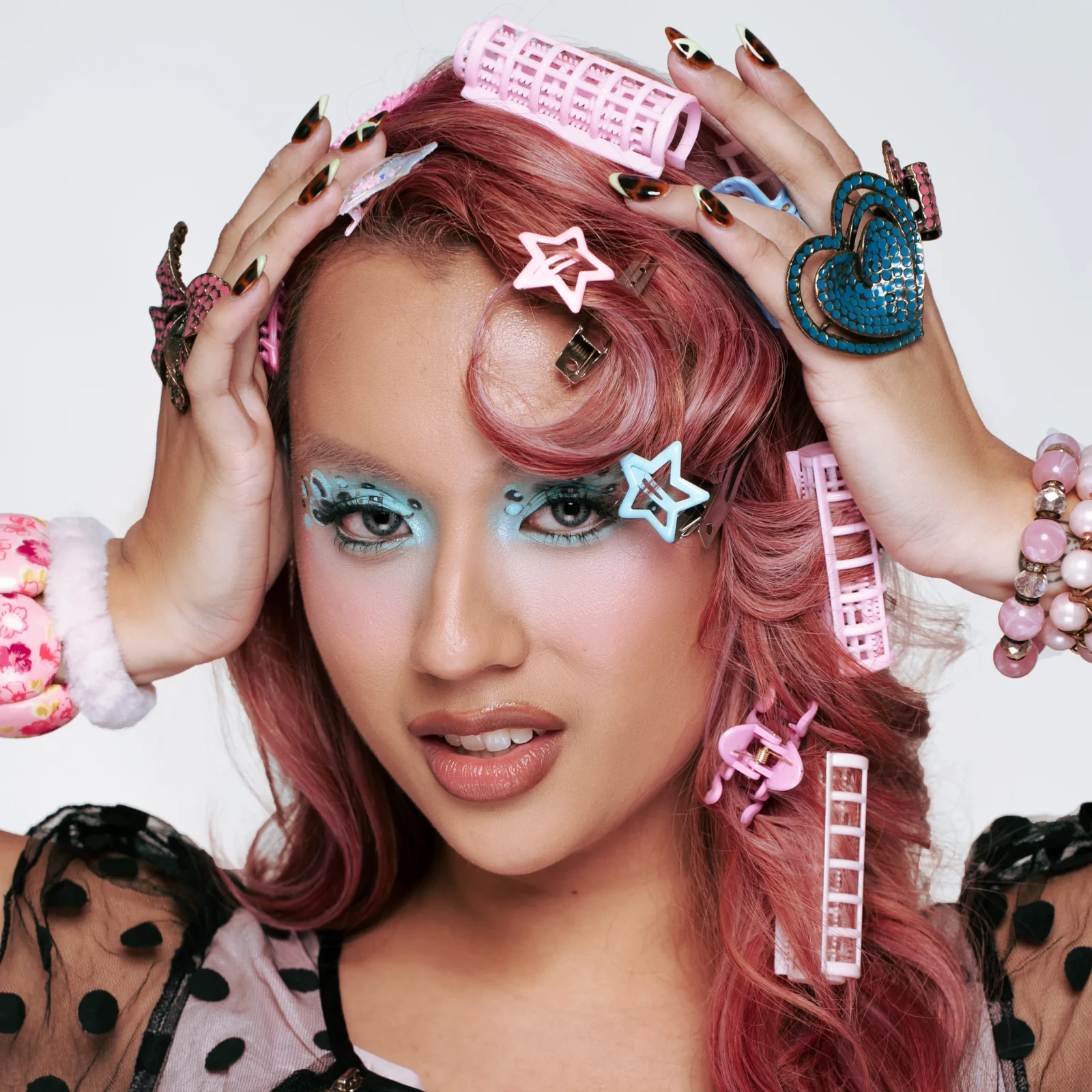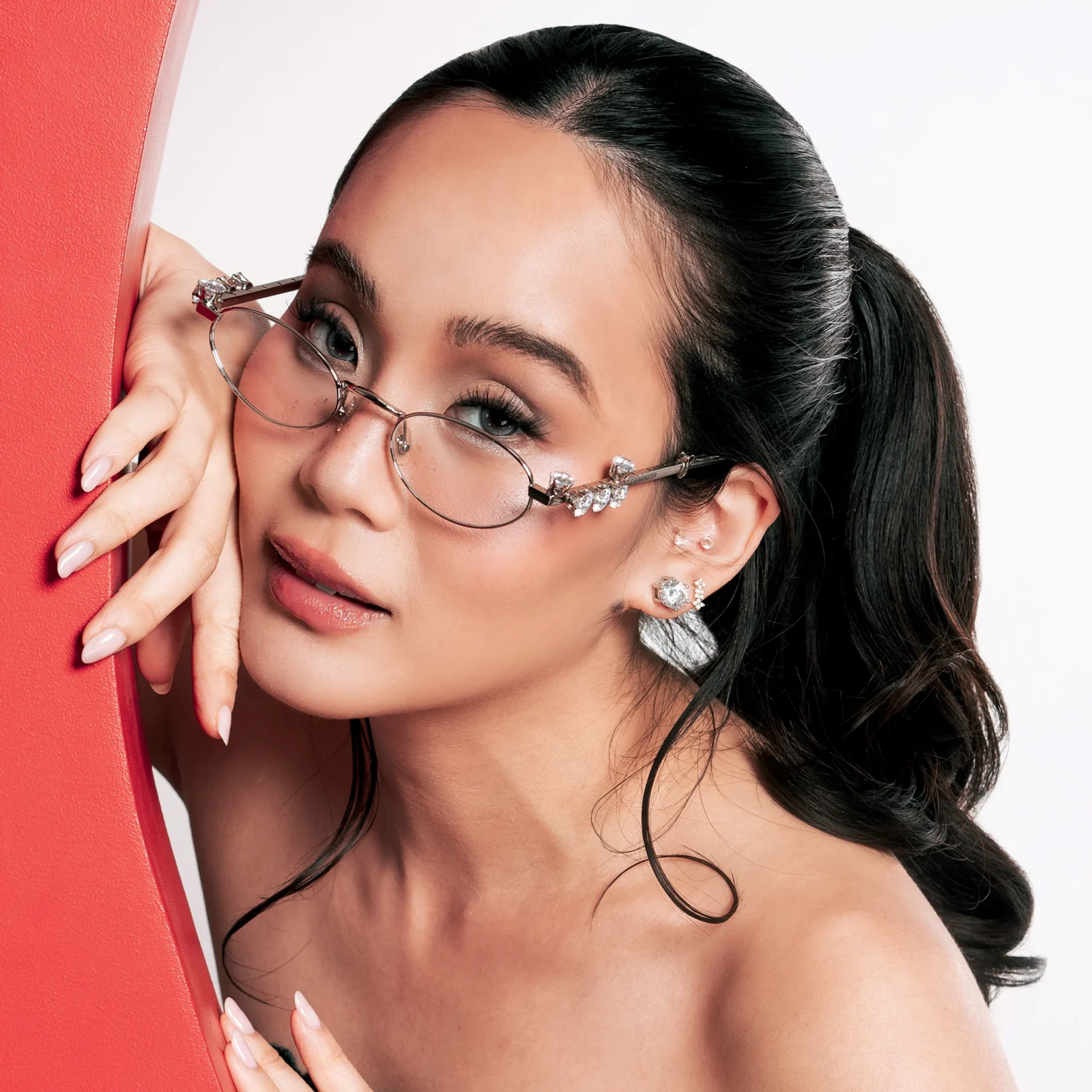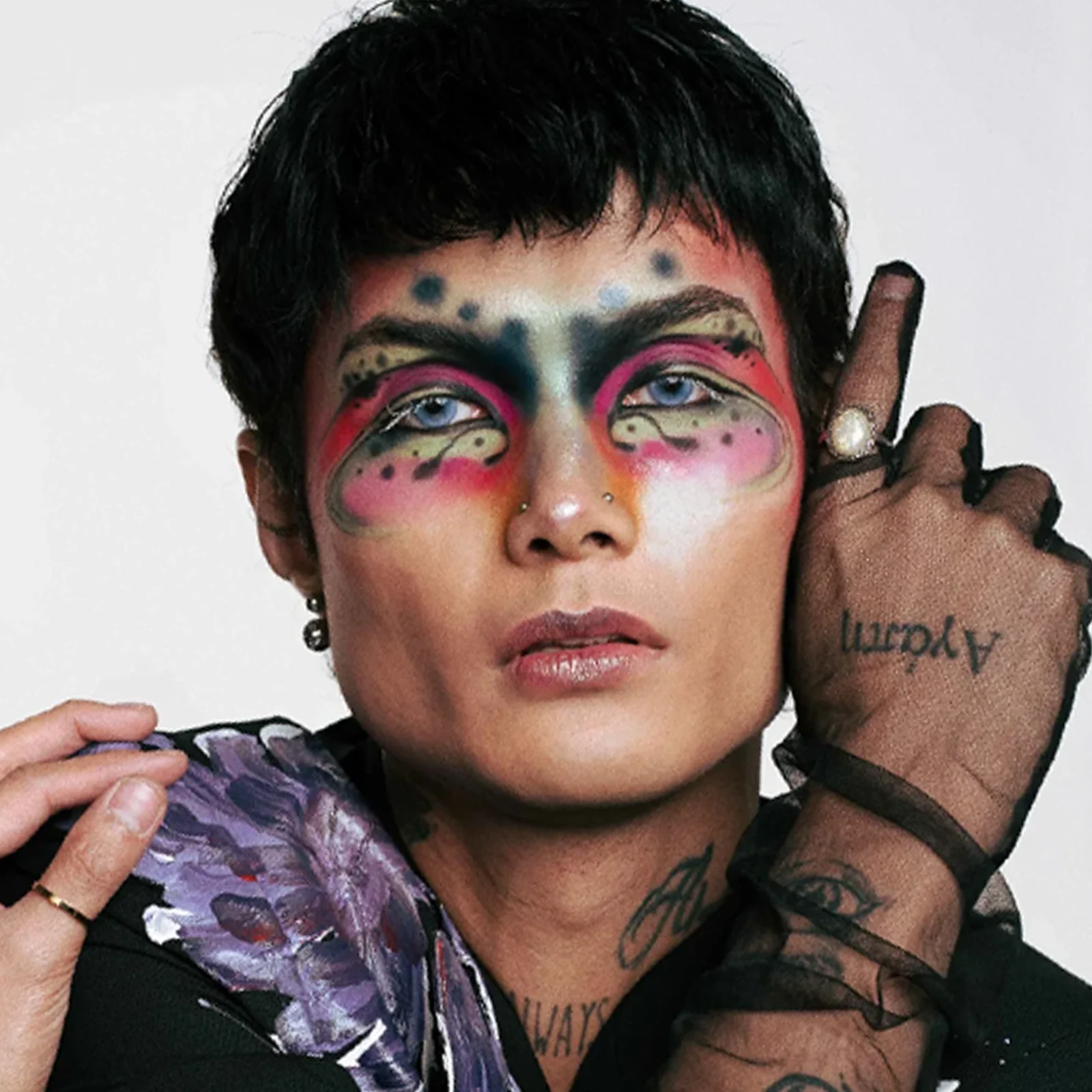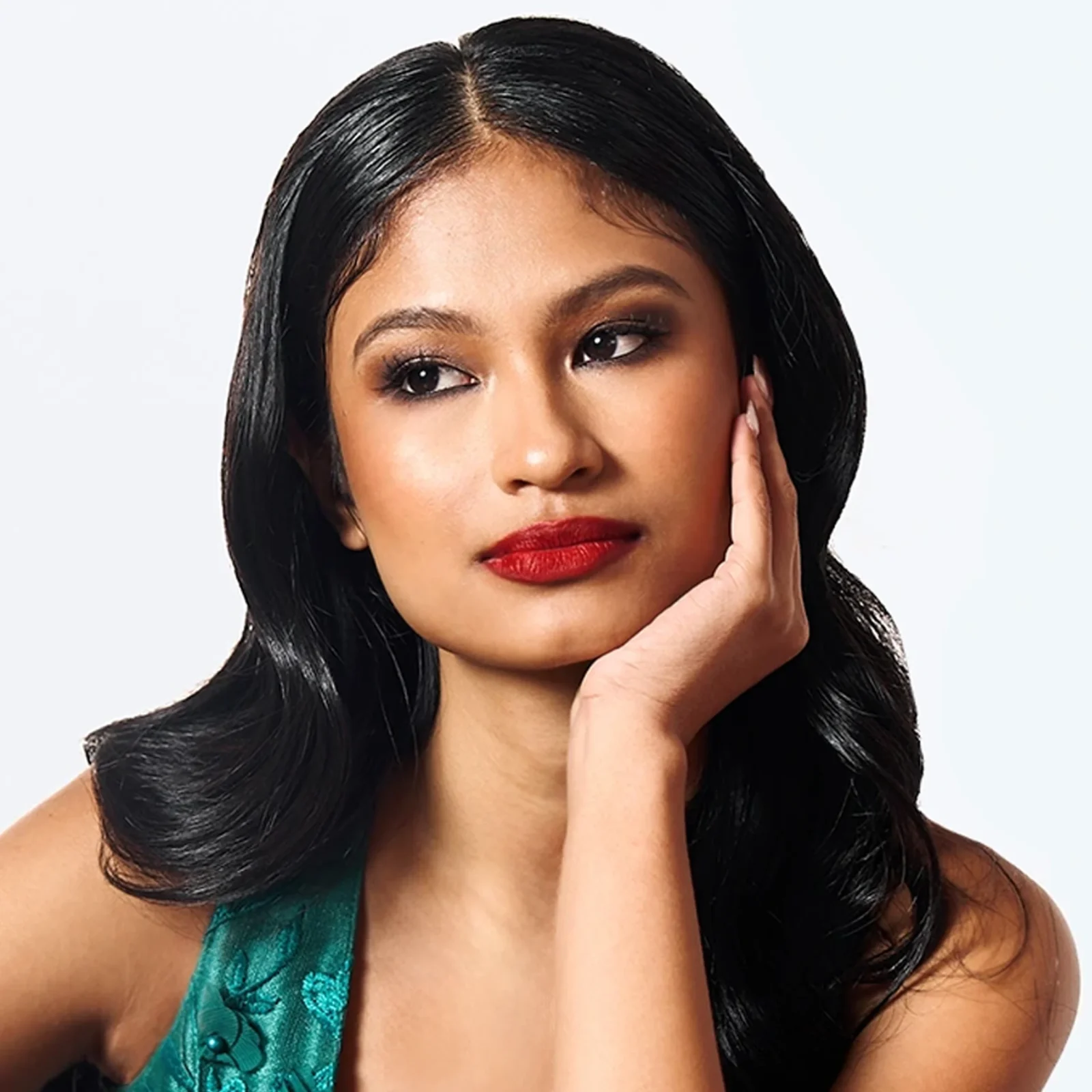


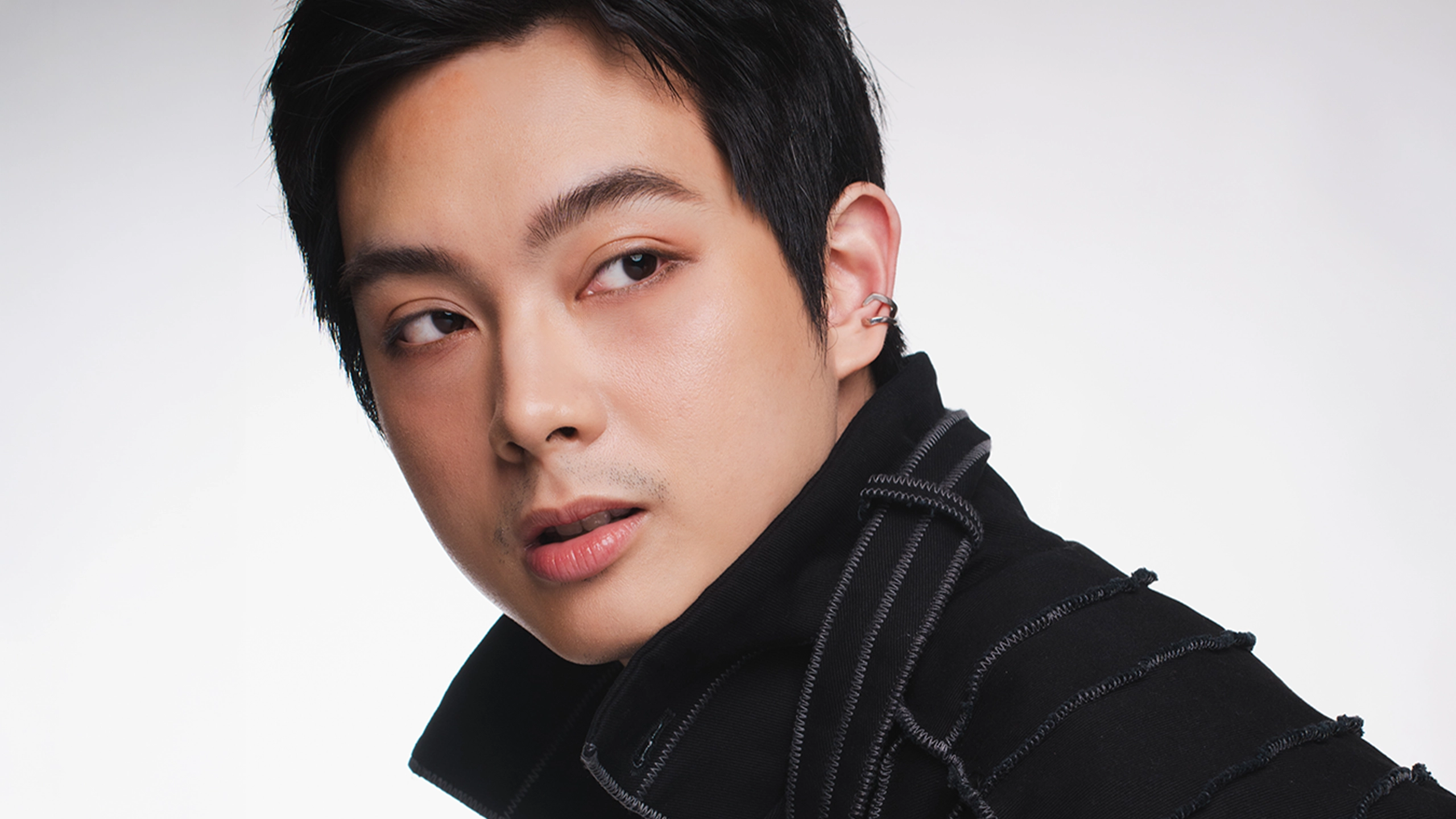
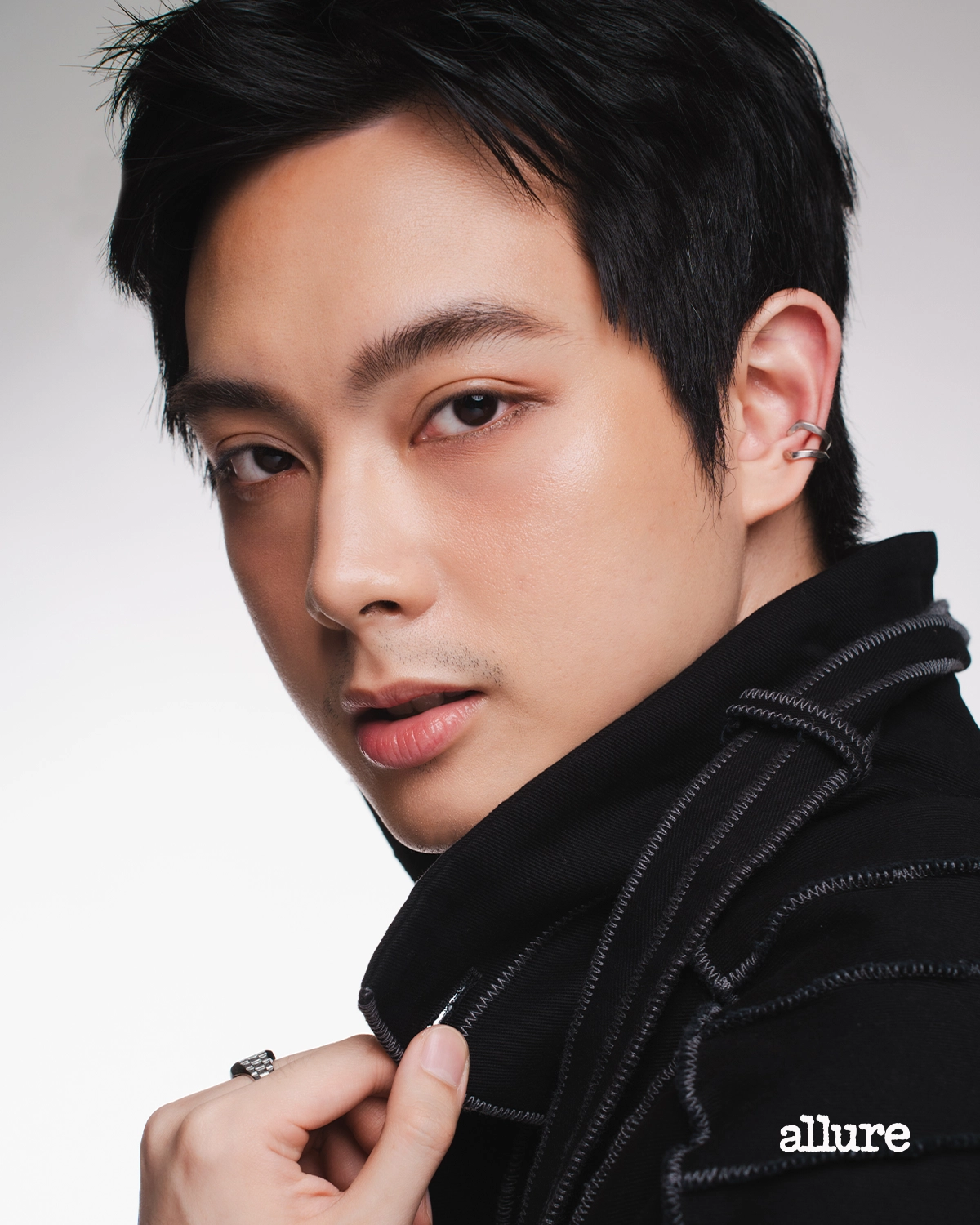
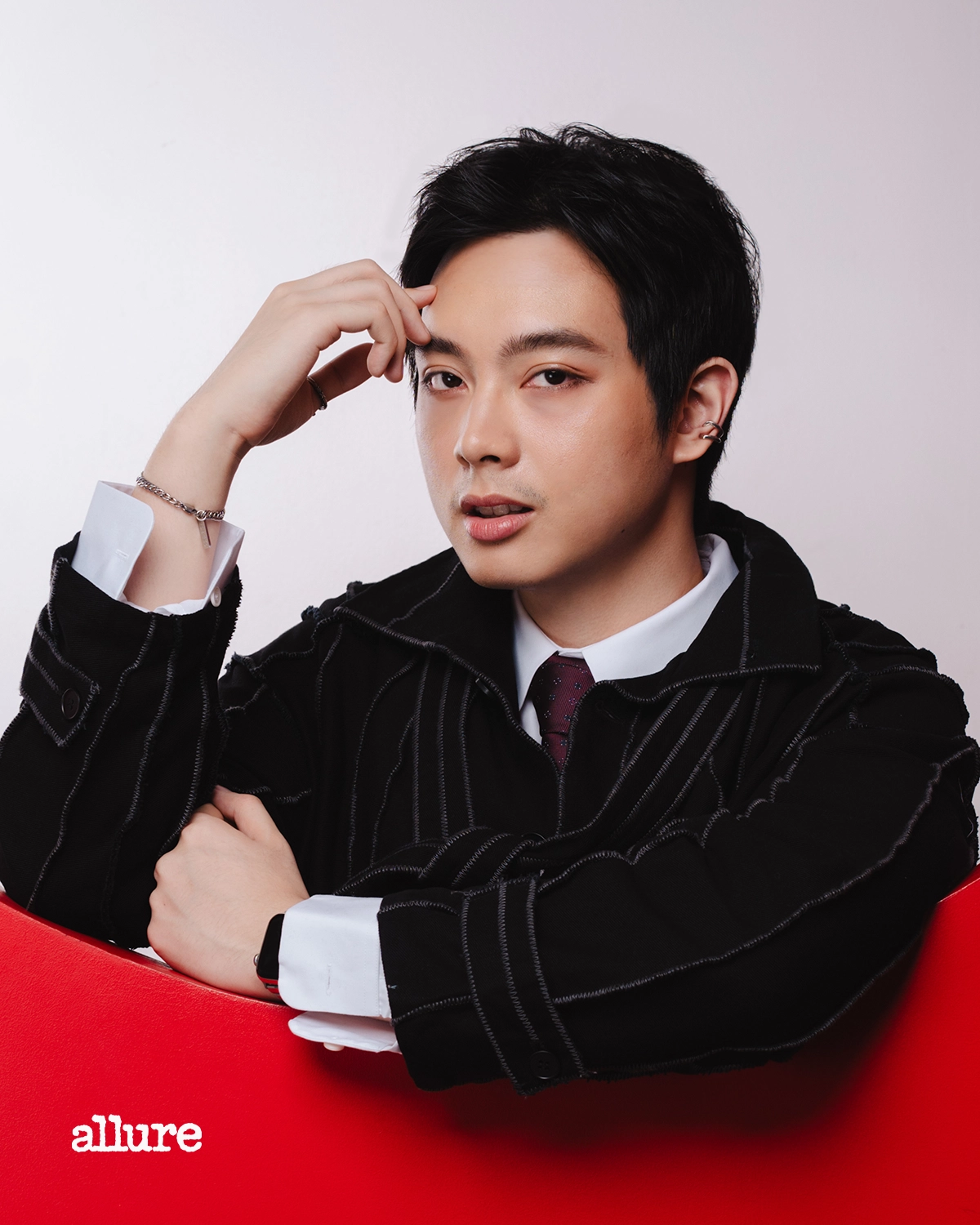
“I’m literally the consumer’s guinea pig. I get the products, check the texture, try them out, see if they’re evidence-based. I cross-check them with even my own dermatologist,” says content creator Jan Angelo Ong.
The 31-year-old content creator’s interest in skin care began 10 years ago while he was in college, dealing with acne and trying to find what worked for his skin amid long aisles filled with skin care products. He describes himself as a careful shopper who researches products before buying them. “I’m the type of person that when I go to a store, I want to decide what I want to get. I already want to know how it stacks up against other options.”
This discerning attitude is what led him to build his niche on social media around skin care advice. But before he became a full-time content creator, he initially worked in his family’s food business after graduating with an advertising management degree from De La Salle University. “[But] I felt like there was something missing,” says Ong.
During the pandemic, after getting inspired by foreign skin care creators such as Hyram Yarbro and dermatologist Andrea Suarez, also known as Dr. Dray, Ong decided to start his own YouTube channel. “I told myself, why don’t I just share my insights?” he recalls. “I’m not a dermatologist, but I’m an informed consumer. And I feel like other consumers would want to be informed too.”
Kim Santos
Six years into that decision, Ong has fully committed to being a creator—from building a platform on YouTube to extending his platform to TikTok. And as someone who is explaining the science behind skin care products in his content, Ong is still diligently learning and researching about beauty and skin care every day. He enjoys speaking with dermatologists, cosmetic chemists, and product developers to better understand the science and expertise behind the products consumers use, eventually sharing it with his audience.
When asked what his role is between the audience and dermatologists, Ong answers simply: “I basically am the bridge. Because in the Philippines, dermatologists are not allowed to mention a lot of brands, right? It’s a big gray area. And I also realized, I thought about this a long time ago, but dermatologists are also very busy treating other people’s skin, saving people’s lives.”
After mastering presenting facts to his audience, Ong is now learning to bring more humor into his content. “I think it’s also important for me, as a content creator, to inject my personality into these videos,” he says. This personality, he believes, is a vehicle for his content to travel further and have more people get to know more of who he really is.
In a beauty landscape packed with viral routines and creators confidently making sometimes-unbacked claims, Ong hopes to help his audience make better, more informed decisions without feeling overwhelmed and deceived.
And as access to information becomes easier, he recognizes that what makes his content worth returning to isn’t just what he knows, but how he communicates it. Because while good skin care advice can help people understand what they’re putting on their faces, a genuine personality gives them a reason to listen.
Kim Santos
What were the biggest challenges you faced as a content creator, especially in the beginning?
In the beginning, things that I found difficult as a content creator, I’m gonna be honest, editing. Like, I used to love editing my videos, but there are times where I just get tired. So, finding an editor would probably be part of that challenge, because I think for a lot of creators today, one of the biggest things that they find difficult is to delegate their editing style, their voice into the content.
And it’s not just creative for me, but it’s also the information. Because if an editor makes a simple mistake of categorizing a product as an [exfoliator] when it’s not, then my credibility goes down the drain. So, I am very careful with how I delegate my content. But that’s the challenge.
There are a lot of beauty creators today. What do you think makes you stand out?
I am so dead set on being evidence-based. I will admit, my platform based on education is not the most lucrative because brands chase trends. But, it has come to a point where I really put my foot down and I tell some brands sometimes, like I have a process. I have a really long screening process, actually. And, if a brand cannot accommodate that, I can’t push through because it will undermine, undercut my credibility.
How would you describe your beauty point of view and how has it changed through time?
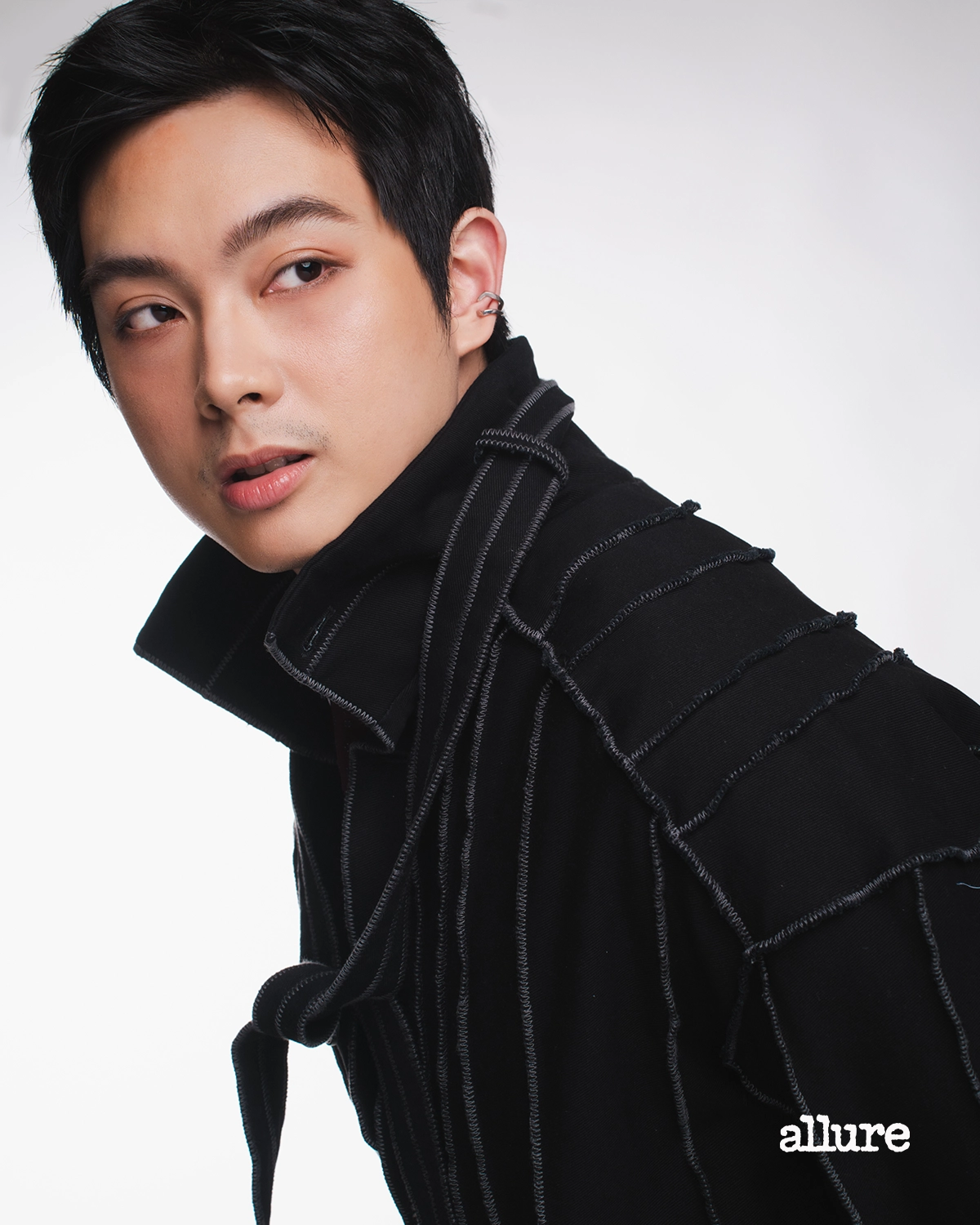
My beauty point of view mixes practicality, but at the same time, joy. In terms of skin care, before I used to be just very practical. Like, what is the ingredient that you need? I actually used to be so against fragrance and alcohol in skin care, but through time, that has changed. My mindset kind of matured around it because I realized it’s there for a reason. The sensorial experience of using a skin care product matters. No one will want to use a serumSerumA lightweight, concentrated treatment applied after cleansing and before moisturizer to target specific concerns, such as dark spots, dehydration, or fine lines. Because serums are potent, introducing one at aGo to Serum Glossary, a moisturizer that smells disgusting. You will want to use a product that feels good on your skin, and fragrance and alcohol exist because of those things.
Kim Santos
Next, how has your makeup or skin care routine evolved as your platform grew?
Things that I used to aspire to get, I’m finally able to use. But I am proud to say also that it’s a mix of my humble beginnings, because I will still not splurge on a face wash. Maybe a serumSerumA lightweight, concentrated treatment applied after cleansing and before moisturizer to target specific concerns, such as dark spots, dehydration, or fine lines. Because serums are potent, introducing one at aGo to Serum Glossary that is a bit more expensive because of the credibility of certain formulators around it, or the brand.
[But] one thing that’s really different now, I don’t have a skin care routine. I have a skin care rotation because I need to be testing products, multiple products at a time. Because everything I talk about, I need to have tested already. So it’s a constant rotation of products. So just that complicated concept of a skin care rotation is what’s different because I have to try a lot of products.
Now, in what ways do you use beauty today? As expression, protection, or power?
To me, beauty can be protection. We usually undermine the impact that beauty has on people. That impact that it can make [on] people can actually protect us from maybe things escalating in terms of soft power. Like, I feel like beauty can be used as a tool or as a means to an end, to kind of like be some sort of diplomatic device to influence people to bring out not just their side that is very rigid, but also the softer, more creative side.
What’s an important part of what you do that your followers don’t get to see?
Oh, the research and the writing. So, what people don’t know is I spend a day in a cafe that I choose, just writing on a laptop all the content that I want to mention. I have to do that because I have to double-check all the information.
A lot of people think content creation is just shooting videos, the glitz and glam of it all, of course. But to me, I really pride myself in my process of writing and honestly fantasize going to a cafe using a laptop and writing.
What’s a trend that you think is being overdone, and what’s one that deserves more attention?
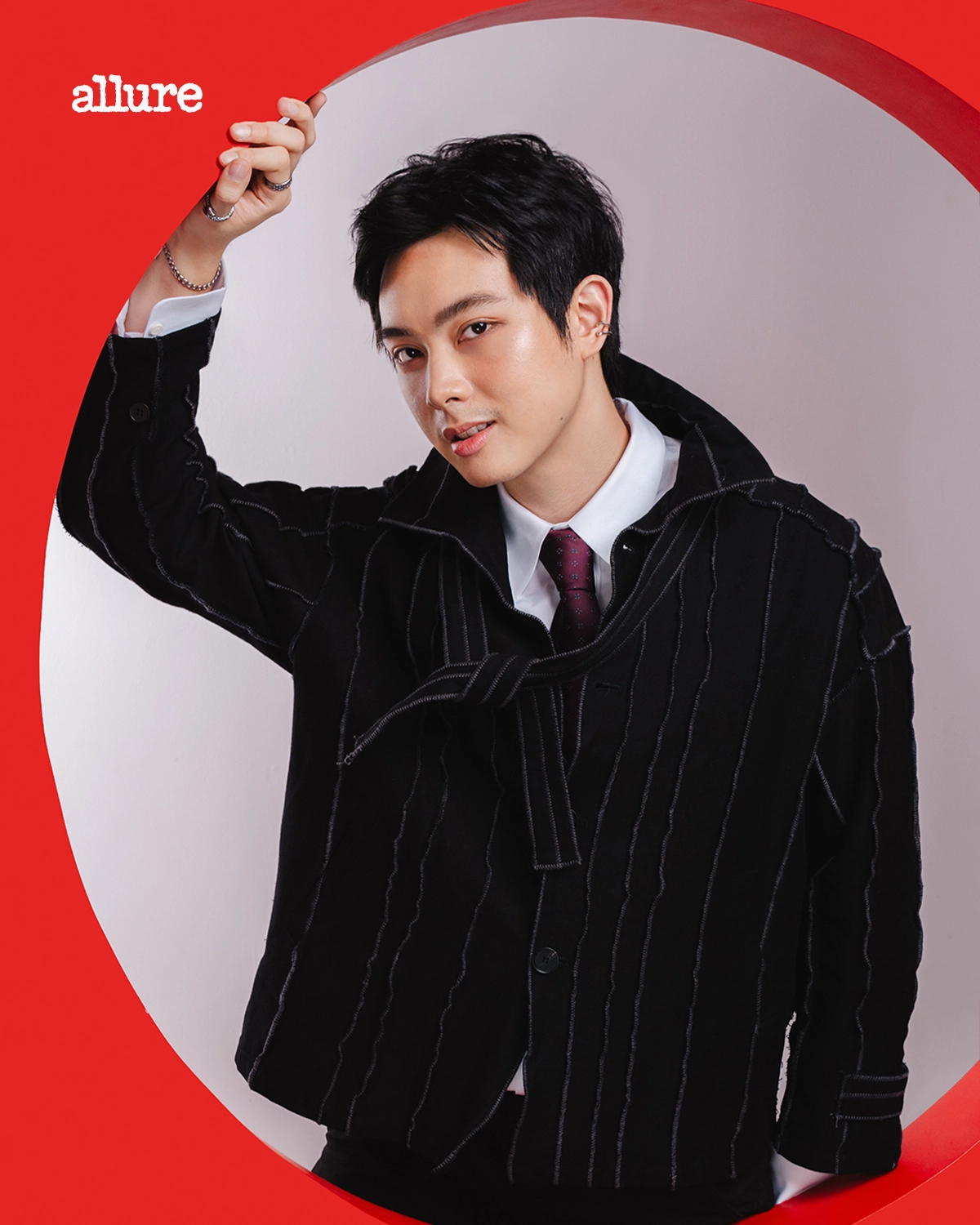
Hyping up new ingredients. I just want to name some. PDRN, exosomes, maybe even snail mucin. Everyone is so crazy about the newest and greatest ingredient. But what we don’t know is that the newest ingredient usually has the least evidence that it works. Maybe it has some safety data, but the evidence is not so robust. So I think one thing that people usually overlook are the boring ingredients. Like glycerin, which every product has, but it’s actually a great hydrating ingredient. The boring ingredients, like glycerin, urea, and also petrolatum or petroleum jelly. Ingredients that people don’t even think to hype up, are actually, in my opinion, the ones kind of lifting up skin care.
Kim Santos
How do you decide which products or brands are worth sharing with your audience?
Basically, I have a screening process. Whenever I find a skin care product, I check the ingredients list first, because I already know what my skin responds to well or not. So if the ingredients list passes my personal standards, then I try the product.
After trying it for an extensive amount of time, then I’ll give my opinion on the product. And usually, what makes it to my videos are just the products that I like. Because for me, I can give a bad review about a certain product. But personally, I just go directly to the brand. And I tell them, maybe you can improve with this. That’s what I do.
What does trust mean to you when it comes to beauty recommendations?
Trust for me is a must. Wow, that rhymes. But trust is a must for beauty because, I mean, not just in skin care, but in terms of recommending makeup and other things, trust is a big thing because our industry relies on. A big part of our industry is recommendations.
So to me, trust is essential. And beauty creators, I feel, need to build trust with their audiences.
What’s one beauty myth you wish more people would stop believing?
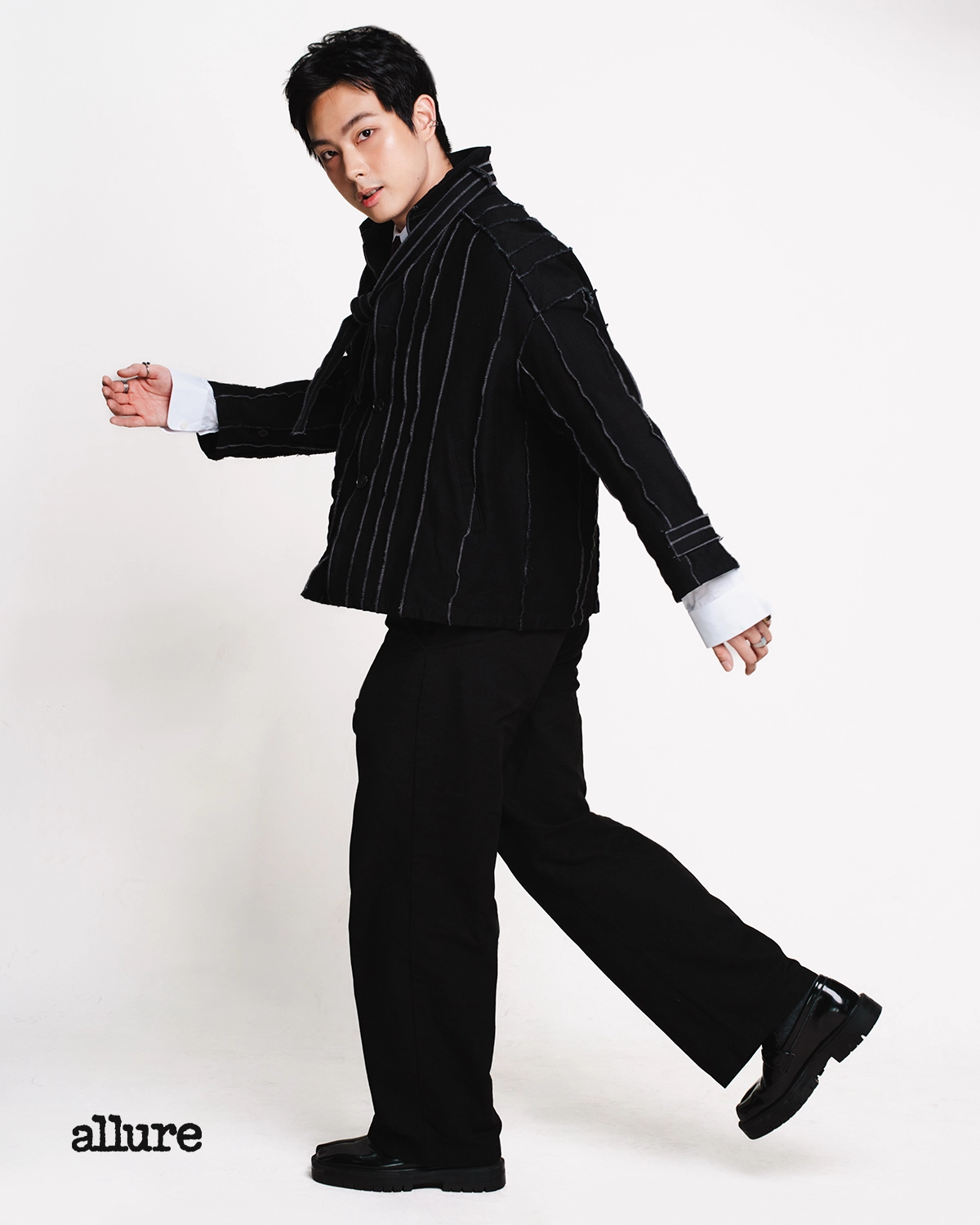
That parabens are bad. Because parabens, to me, are the skin care version of a smear campaign victim. Because parabens were just given a bad name. You know the whole chain e-mails, chain texting? They just gave parabens a bad name. But when you ask dermatologists, like they even have an award for best non-allergen of the year. Meaning it won’t irritate your skin or it won’t give you allergies. But people just gave it a bad rap and kept looking for alternatives. Brands just hopped on because [I think] they didn’t want to go against the grain.
And I hope my dermatologist friends will be proud of me for saying that.
Kim Santos
How do you approach brand partnerships while staying authentic to your audience?
Always staying evidence-based. Whichever brief the brand gives, as long as it is evidence-based, I will follow. And then also pushing back. I think creators need to learn how to also push back because it is possible. It is possible to push back on a brand and tell them that this does not align with my values. And my being evidence-based, I’ve done that. And I think that is critical to navigating sponsored content, especially in skin care, where trust is really vital.
What do brands still misunderstand about working with creators today?
I think one thing brands misunderstand still is we need to try the product for us to talk about it before we even sign a contract.
I know there’s a lot of confidentiality in that. If only brands can give products unreleased to creators in advance and give them time to actually test the products. Some brands have already started doing that. But I think more brands need to realize it.
What does long-term success look like for you in this industry?
A lot of people think a skin care creator’s path towards the end is to just make their own skin care routine, or to just make their own skin care line.
I want to be able to give as much information through the years. Or I want to empower as many consumers as I can through the years. Up until the point that people can say that Jan Angelo is either the reason that I went to a dermatologist, or Jan Angelo is the reason why I know my foundational skin care knowledge.
To say this is kind of dark, but my job is to inform people so that eventually they won’t need me anymore. When they don’t need me anymore, then I know I’ve done my job.
Is there a beauty trend you’ll never try?
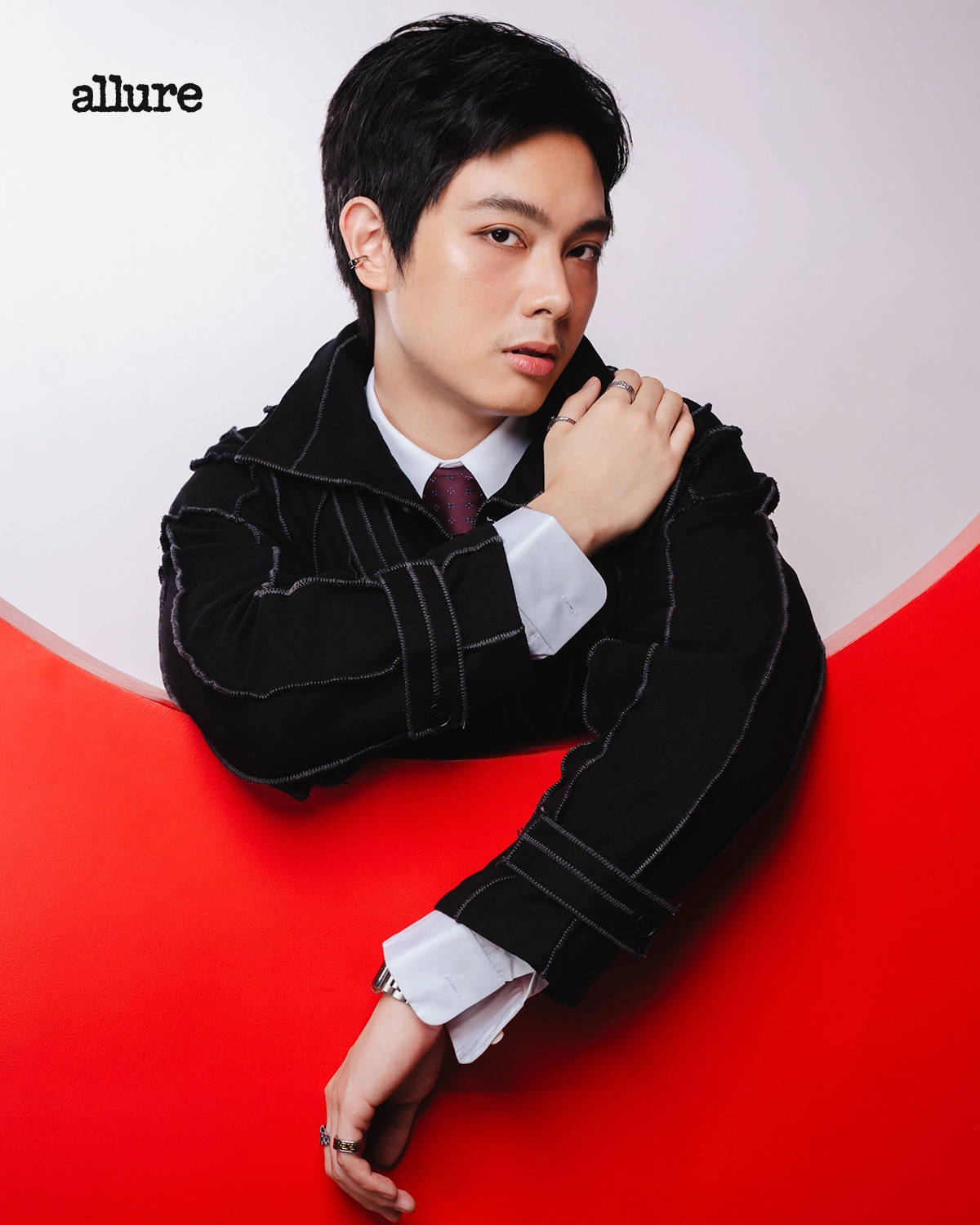
One thing about skin care is that evidence consistently evolves. So it’s hard to say anything absolute. But right now, just based on 2026 information, I will never try micro-needling serums. Because based on my knowledge, I feel like there might not be any long-term safety data yet. We don’t know how it will be after one decade of using it. And also, it hurts.
I thought we were over that phase where it hurts means it’s working. Like, why are we going back? I don’t want to go back.
Kim Santos
What’s your relationship with perfection today?
Trying to let go of it. A bit more successfully than before.
Because before, when you create your own content, you want it to be perfect. You want it to ultimately represent you. But the reality is, again, you cannot do everything [perfectly]. Sometimes, you just have to hit post. And the imperfection just has to happen. Because sometimes, that’s where you learn. And that’s where people also actually find you likable.
What’s one beauty or skin care product that you can’t live without?
I mean, sunscreen is such a boring answer, but it’s really sunscreen. But if there were a close second, I would say my tretinoin. So, sunscreen and tretinoin are my ride or dies, basically.
What’s a beauty opinion you’ll never change your mind about?
Skin care is political, or beauty is political. And not even just partisan with the politicians that you choose. It’s really is political in a sense that, for example, if a lot of people rely too much on skin care rather than actual medications, especially for things like acne, then it could be a commentary on healthcare, right? On the accessibility of healthcare. So, that’s something I will always stand by.
A lot of people think of beauty as something shallow, as something surface-level, superficial. But to me, beauty is political, it’s socio-political with brightening and colorism. But also, I am a true believer that how people receive information is also a reflection of the education that they receive. So, for example, let’s say a beauty community that is more prone to misinformation are those that are probably in countries with an educational crisis.
What conversations around beauty in the Philippines still need to happen?
In terms of the skin care front, I believe we still need to familiarize ourselves with more evidence-based ingredients. This is just my theory, but I think brands are not moving us forward with certain ingredients because they fear the Filipino market will not get it.
But I feel like we need to have this conversation of how we can innovate formulations without riding on trends.
What do you hope people see beyond the face card?
The personality. Just a really short story, but there’s this person who says, you know what, when people find me physically attractive, I get offended. Because what do you mean I’m just a face? I have a personality too. And you know, I thought about it, and like, yes, when you like people fully as they are, you don’t just like them for how they look, but it could be a big portion.
But it’s also the personality of the person. And I think to like a person not just for their face card, but also for their knowledge, their values, their personality, like what an amazing human thing to achieve.
Photography by Kim Santos. Art direction by Sacha Mancera.