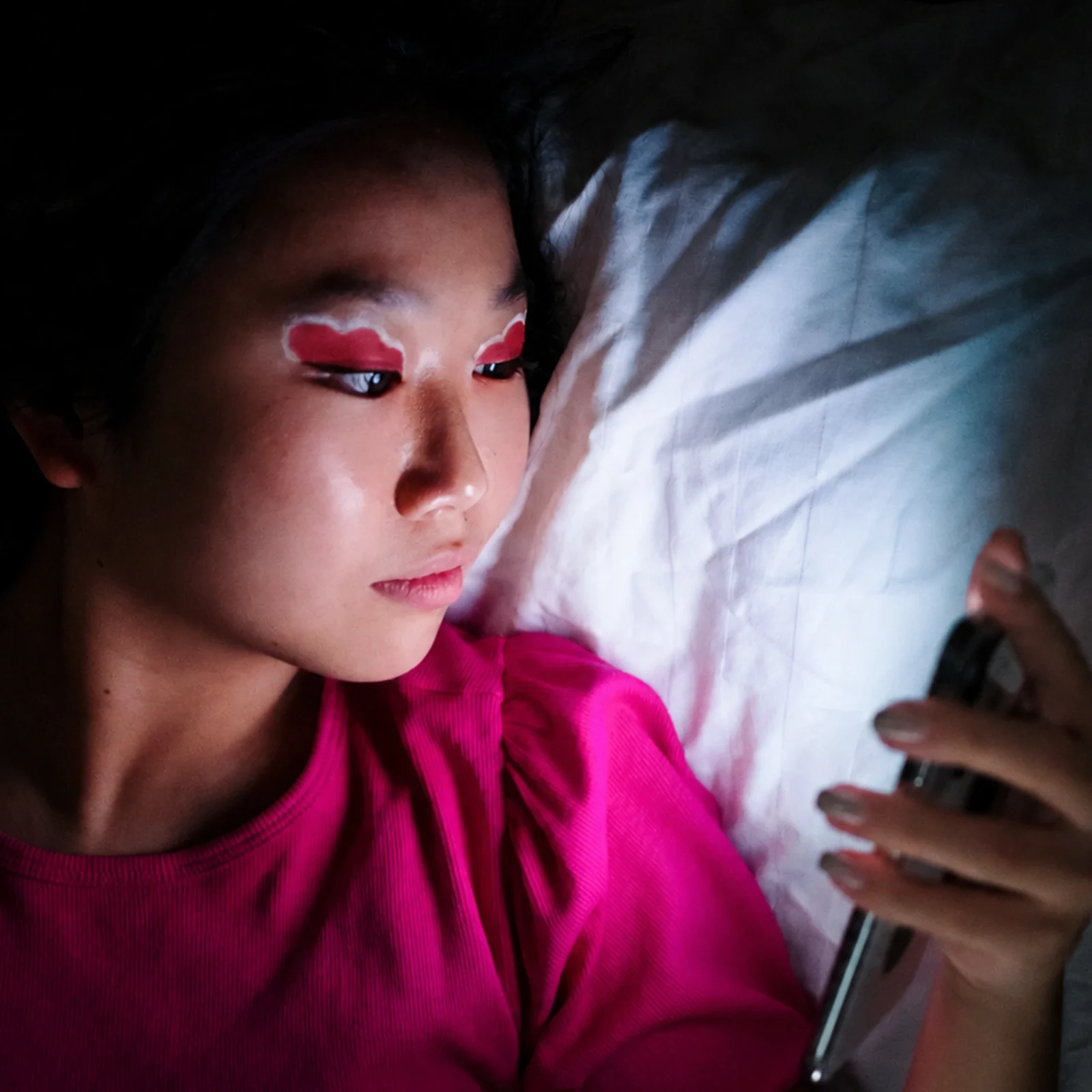



There’s a disconcerting and perplexing kind of quiet that follows a breast cancer diagnosis. In a 2020 GLOBOCAN report, breast cancer was found to be the third most common cause of cancer-related mortality in the Philippines. Behind that diagnosis are mothers, titas, officemates, sisters, brothers, and best friends, many of whom were raised on the belief of “tiisin mo na lang” and keeping the hard stuff within closed circles.
But a diagnosis doesn’t have to be a private ordeal.
Support groups exist to break that stigma. Across the Philippines, there are growing networks—from hospital breast care centers to survivor-led circles—of Filipinos who understand and are ready to welcome anyone with open arms, whether you’ve just been diagnosed with breast cancer, or looking for a circle to open up to.
ICanServe Foundation Inc.
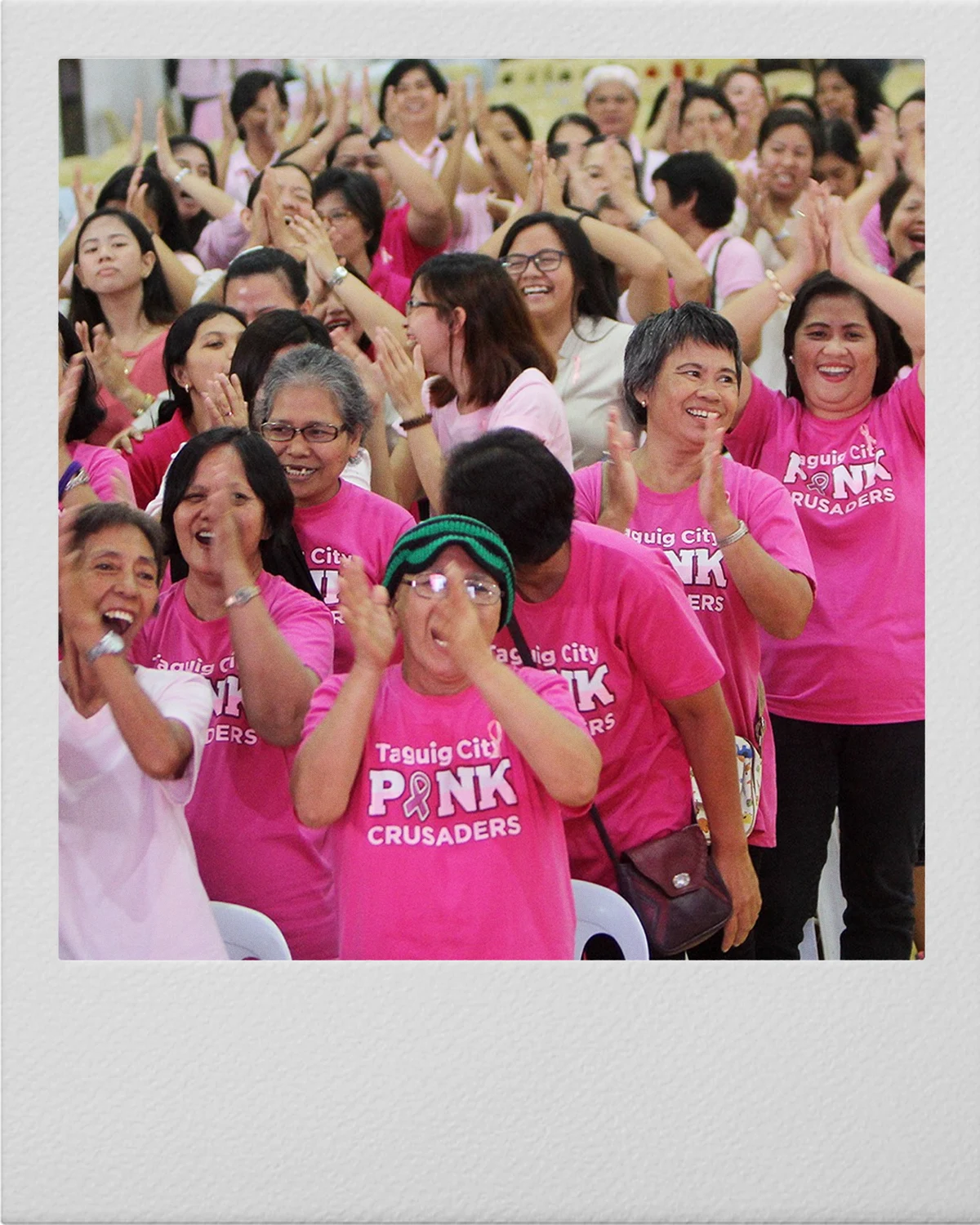
@icanserve on Instagram
Founded in 1999 by four breast cancer survivors: Kara Magsanoc-Alikpala, Crisann Celdran, Becky Fuentes, and Bet Lazatin, ICanServe Foundation Inc. is a breast cancer advocacy organization that helps patients get the medical assistance they need, pushes for early detection, and empowers women through cancer awareness and prevention.
Its flagship campaign, “Ating Dibdibin,” or “Take Your Breast to Heart,” teaches women early breast cancer detection techniques through free forums and screenings, so cancer is diagnosed earlier, when it’s most treatable. The foundation also has the Early Breast Cancer Detection Guidelines, available in English, Tagalog, and Bisaya.
The foundation also hosted Silver Linings, an educational forum with medical doctors, wellness experts, and advocate leaders for breast cancer patients, survivors, and their friends and families.
Contact details: icanserve.foundation.org / Website: ICanServe Foundation Inc. / Instagram: ICanServe Foundation Inc.
The Philippine Foundation for Breast Care, Inc. (PFBCI)

@kasusoph on Instagram
Best known as the “Kasuso Foundation,” PFBCI is less of a circle of peers and more of a lifeline. The foundation, founded by Ma. Lourdes del Rosario in 2001, is a dedicated, volunteer-based, non-profit organization that provides financial assistance to underprivileged Filipinos undergoing treatments in government hospitals.
Kasuso also offers emotional support to patients and their families, as well as promotes more public awareness of breast cancer through events like the Kasuso Wellness Fair, KasusoCon, and more.
Facebook: Kasuso Foundation / Instagram: Kasuso Foundation
Philippine Breast Cancer Network (PBCN)
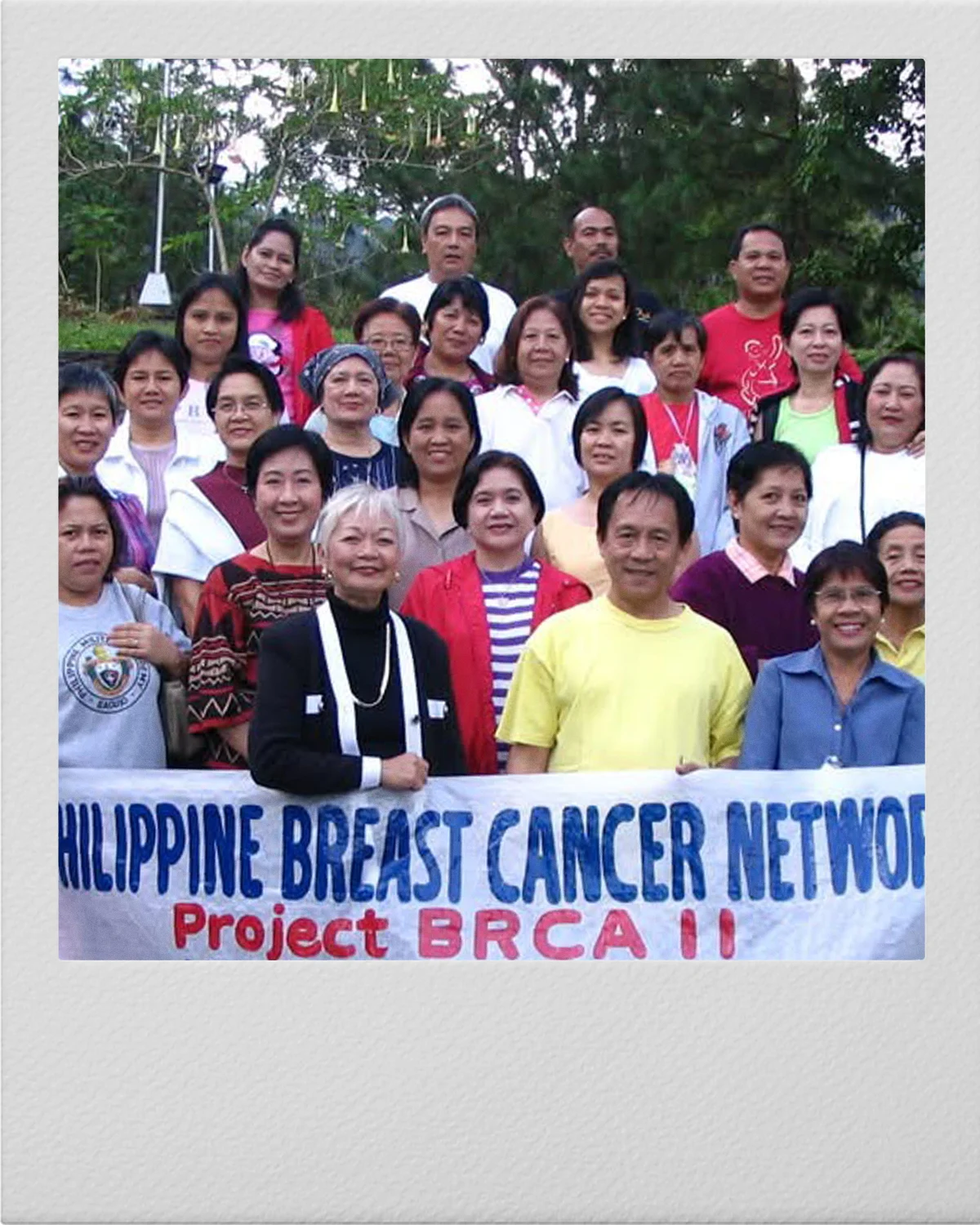
Philippine Breast Cancer Network on Facebok
Established in 1997 by the late Rosa Francia-Meneses, PBCN is a national network of breast cancer patients and survivors. Since an estimated 5 to 10% of breast cancers are hereditary, the group also looks at environmental causes behind rising cases. It promotes education and awareness and advocates for policy changes in three areas: intervention, environment, and inequities.
The group’s community, the Philippine Breast Cancer Network on Facebook, allows members to post questions, concerns, and inquiries that fellow breast cancer patients and survivors answer regularly—all with an open mind.
Community: PBCN Facebook Group / Website: Philippine Breast Cancer Network (PBCN)
Shades of Pink Philippine Foundation Inc.
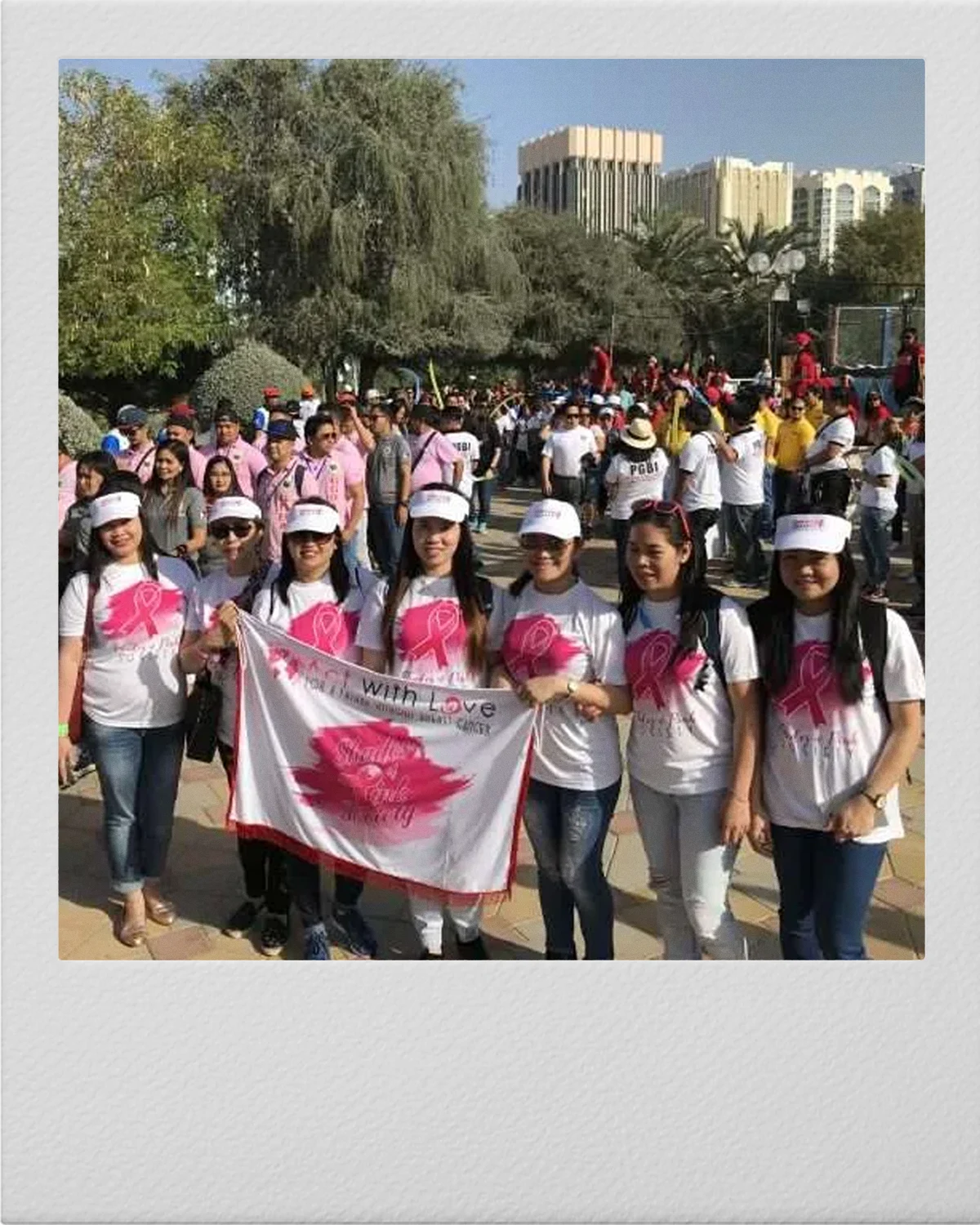
Shades of Pink Philippines Foundation, Inc. on Facebok
Shades of Pink first began in 2018 in Abu Dhabi as the “Shades of Pink Society,” founded by Regina Baldeo Drew, a two-time breast cancer survivor. Its Philippine foundation, launched in 2025, is a non-profit dedicated to breast cancer awareness, early detection, and emotional, practical, and financial support for patients and survivors.
Its Moving On post-treatment sessions bring patients and survivors together to swap stories, learn self-care, and build skills that help them regain confidence. In July 2026, Shades of Pink introduced its flagship initiative, SOP Pink Champions—a group of advocates such as barangay health workers, midwives, healthcare providers, and community leaders. Its goal is to build a community where no one has to face breast cancer alone.
Website: Shades of Pink Philippines
The Philippine Cancer Society (PCS)
Philippine Cancer Society on Facebok
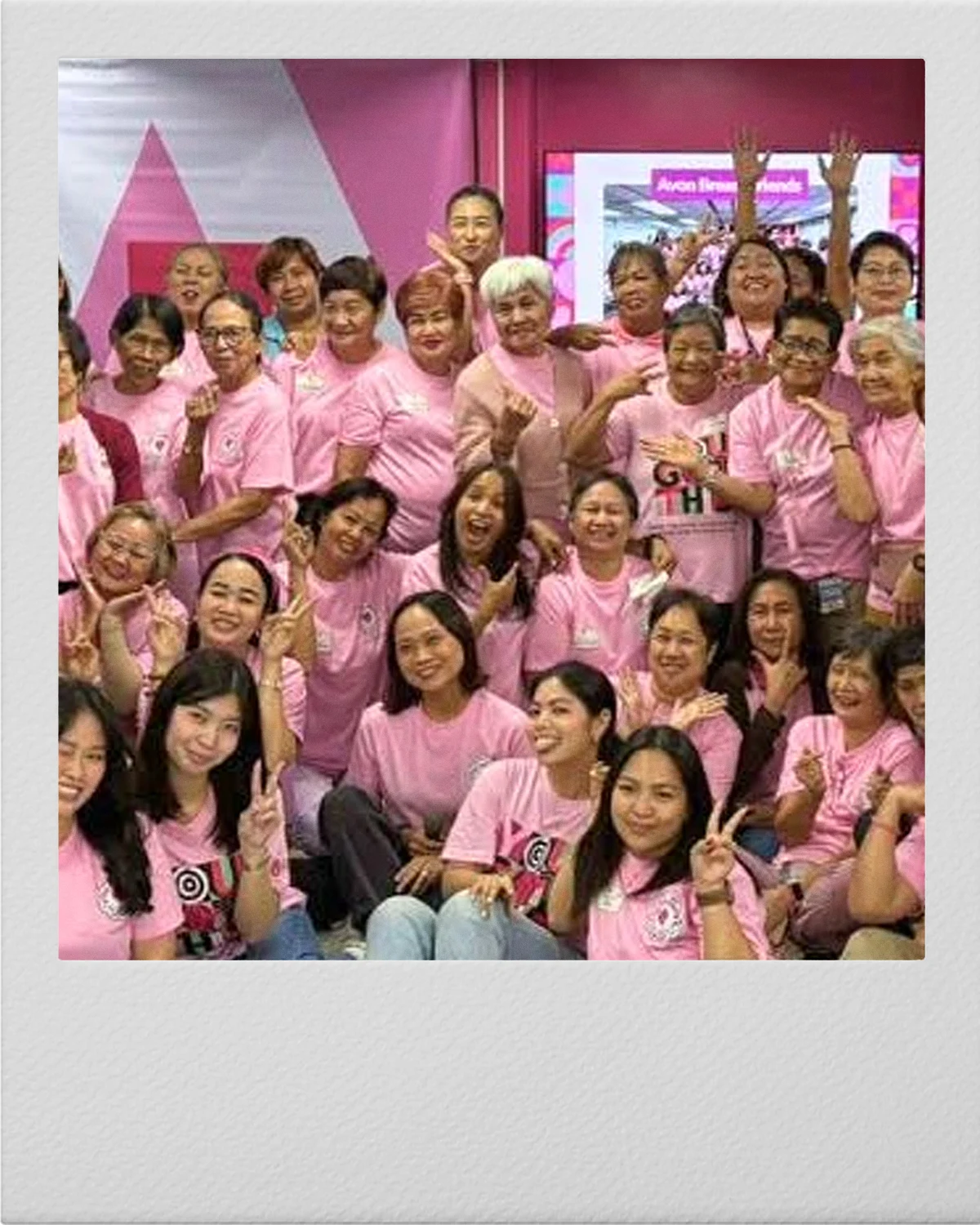
While not necessarily a support group, the Philippine Cancer Society lists support groups across the country, including in Luzon, Davao, and Cagayan de Oro. It also brings screenings to the community: through its Act Now campaign, mobile clinics visit barangays, with a 30-day screening-to-treatment model aimed at getting Filipinos into care faster.
Website: Philippine Cancer Society
Breast Friends – East Avenue Medical Center
EAMC Surgery on Facebok
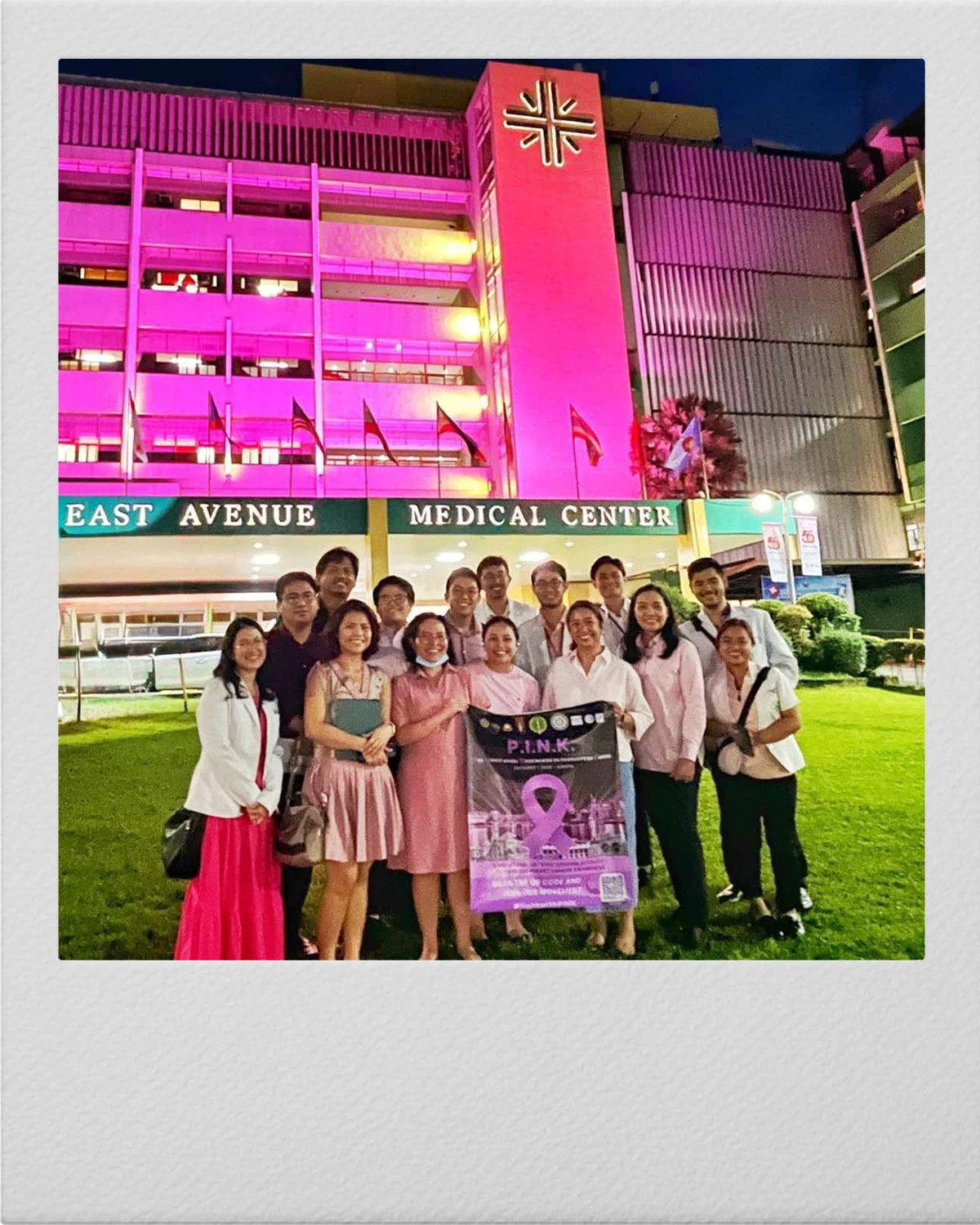
Based at the Breast Care Center of the East Avenue Medical Center, Breast Friends is a hospital-based support group that connects patients with survivors and fellow patients. It offers patient counselling and community activities, along with help getting screenings and mammograms.
Telephone number: (02) 8928-0611 local 578
Frequently Asked Questions
Filipinos can find support through survivor-led and hospital-based groups, including ICanServe Foundation, Kasuso, the Philippine Breast Cancer Network, Shades of Pink, and Breast Friends at East Avenue Medical Center.
Yes. Kasuso, the Philippine Foundation for Breast Care, Inc., is a volunteer-based nonprofit that provides financial assistance to underprivileged Filipinos undergoing breast cancer treatment in government hospitals, along with emotional support for patients and families.
Yes. The Philippine Breast Cancer Network runs a Facebook group where members post questions and concerns, and fellow patients and survivors respond regularly. The network also advocates for policy changes on intervention, environment, and inequities.
ICanServe Foundation offers free forums and screenings through its Ating Dibdibin campaign. The Philippine Cancer Society sends mobile clinics to barangays, and Breast Friends at East Avenue Medical Center helps patients get screenings and mammograms.
Shades of Pink Philippine Foundation runs Moving On post-treatment sessions, where patients and survivors share stories, learn self-care, and build skills to regain confidence. Its SOP Pink Champions initiative trains community advocates.