

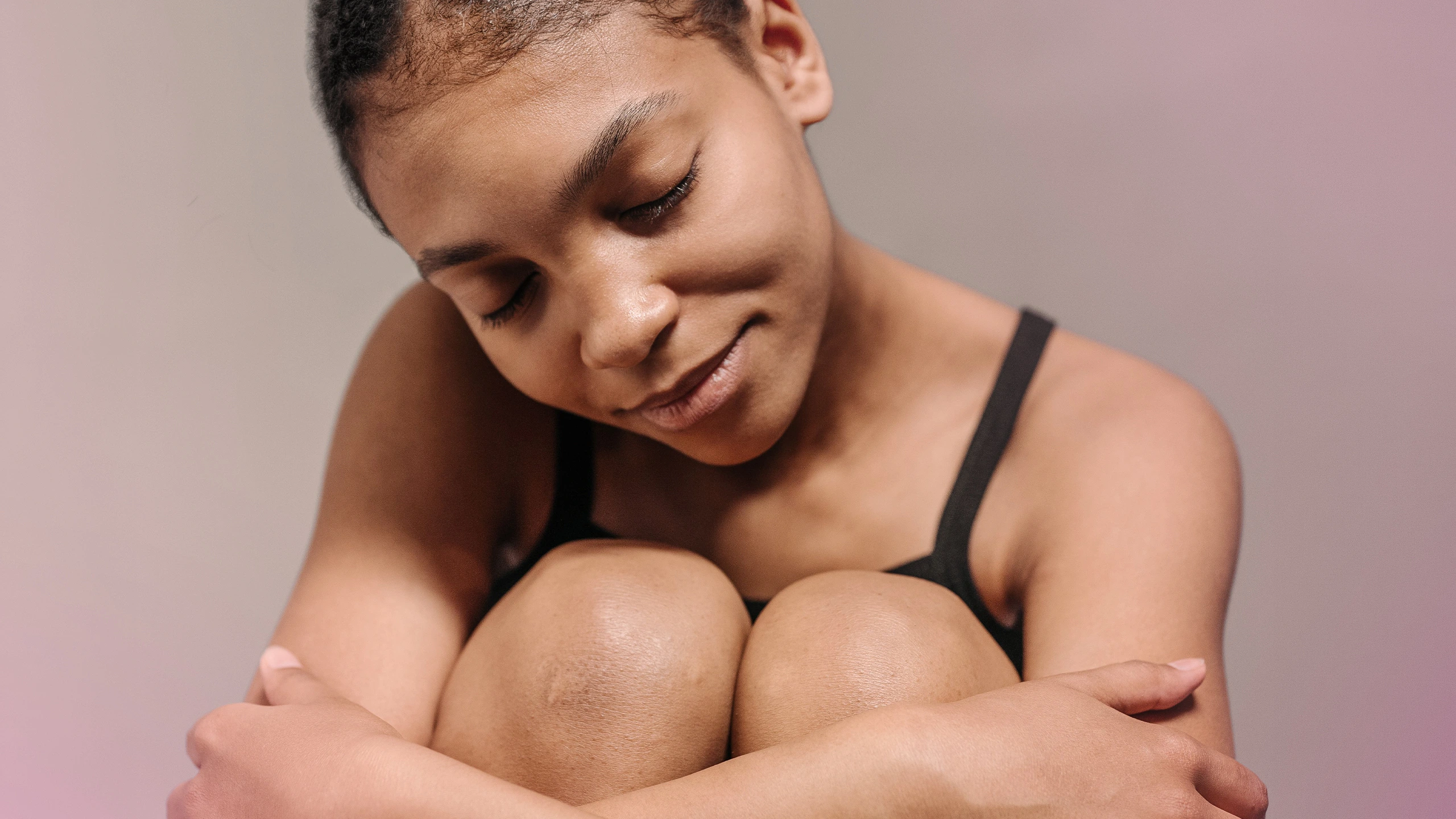
Does being twenty-something really feel this uncertain?
Often, we spend so much time and brain power figuring things out—getting to know ourselves better, imagining what we want our lives to look like (sometimes even making a moodboard for it), and building our career or goals toward that ambition. In between those existential questions are Friday nights spent with friends, perhaps the occasional heartbreak to recover from, or passion projects that turn out to be a flash in the pan.
So how does your twenties change when you’re dealt with a major curveball, like the big C? How do you find yourself and make sense of a future that is starting to look far removed from the one you imagined?
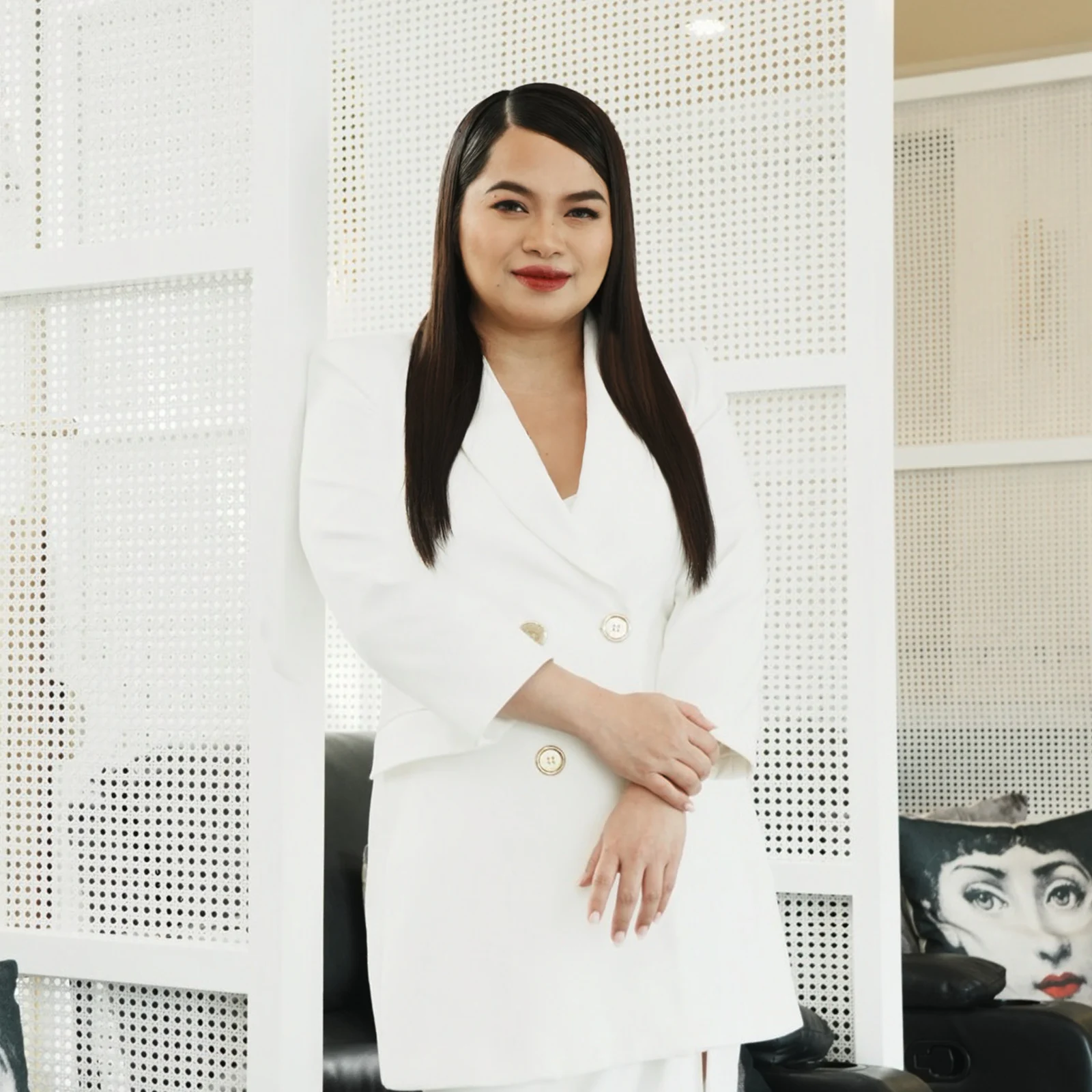
In conversation with Allure Philippines, Gen Z cancer survivors Sofia Julianne Bautista, Raphaella Aiyanna Go, and Christine Lee share different perspectives on caring for yourself and learning to move forward at your own pace—with reminders that anyone, whether in their twenties or beyond, can take to heart when life unfolds differently than planned.
1. You don’t have to follow a strict timeline.
Pexels
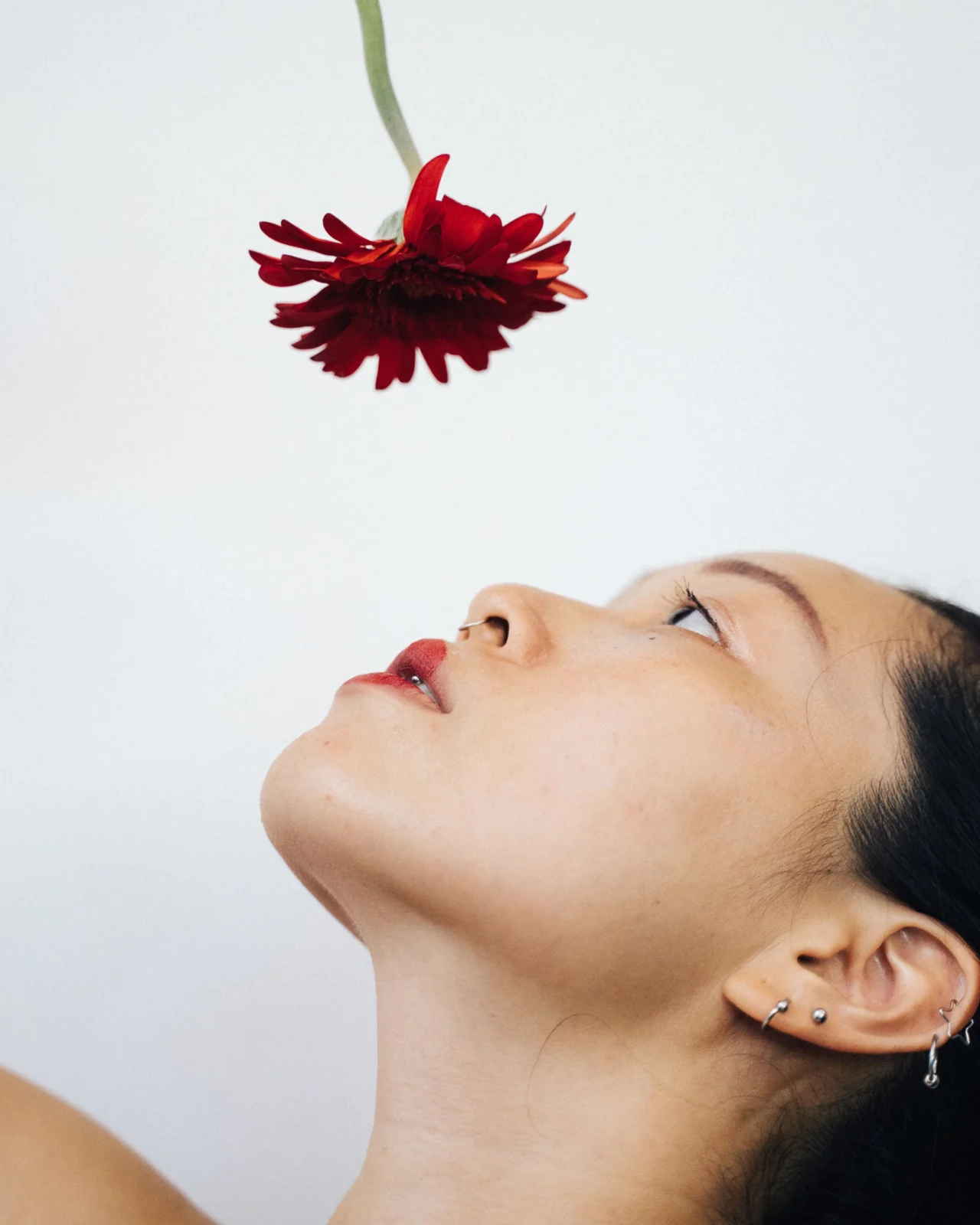
Growing up can sometimes feel like following a rigid timeline, whether that’s graduating on time, landing a job right after college, or becoming financially stable before turning 30. But a cancer diagnosis can change the way you think about the future.
For Bautista, who was diagnosed with acute myeloid leukemia, it “takes away that kind of privilege to think about the future because you have to think about what happens to you day after day.” Instead of looking far ahead, she had to learn to deal with the present and take life one day at a time.
Go, who went through acute myeloid leukemia, initially compared herself to her peers. But now, she shares, “I’ve learned that comparing my timeline to someone else’s is unfair to myself. I spent those years doing something completely different. I was trying to survive. Now, I try to focus less on catching up and more on building my life again at my own pace.”
“Cancer can make it difficult to watch life unfold at a different pace from the one you expected. Seeing peers reach milestones you once envisioned for yourself may bring feelings of uncertainty or being left behind. But a different timeline does not mean you have failed,” assures Lee, a marginal zone lymphoma survivor.
2. You can learn to accept that things don’t always go as planned.
There are a lot of changes that you’ll face in your twenties, both big and small. Go has learned that from dealing with cancer. “I believe that experience taught me that life doesn’t always unfold the way you expect.” But it has also taught her to handle changes better. “I am still building the life I imagined for myself, just with a different perspective and a much deeper appreciation for being able to do it at all,” she adds.
“I still feel left behind sometimes, but I’m learning to give myself patience,” Lee shares. For young women still discovering who they are, that patience can mean allowing themselves to process what has changed without expecting to have everything figured out immediately.
For Bautista, who candidly shares, “I planned my whole life ahead of me,” having to repeat her first year of medical school after undergoing chemotherapy taught her that life does not always go according to plan. She has since learned to accept that some things may take longer than expected, and that she can still work toward her goals at her own timing.
3. Your relationship with your appearance can change, and that’s okay.
Pexels
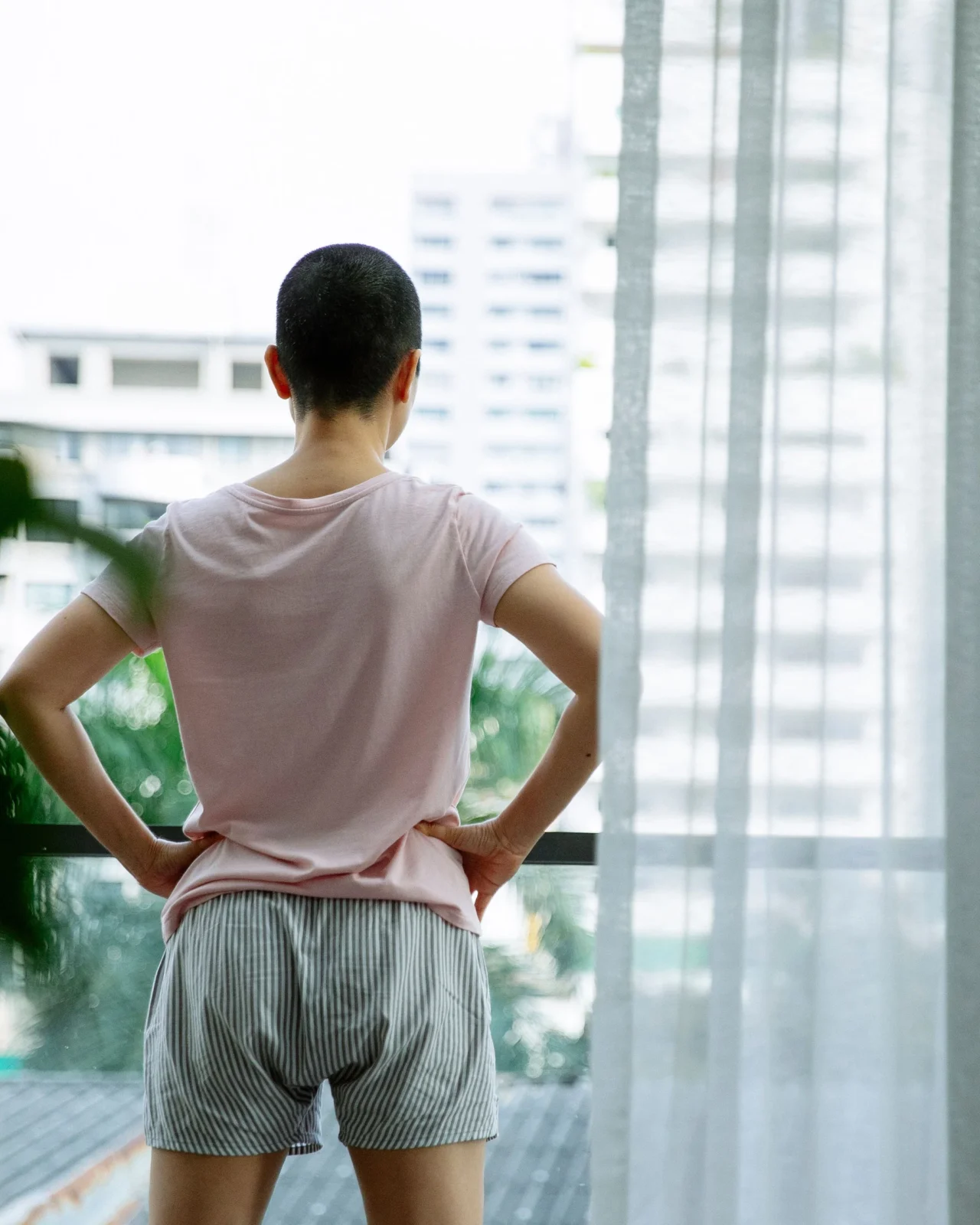
While your twenties are often said to be the prime of your life, it’s still normal to feel insecure when you’re trying to get to know yourself. For Lee, that process was made harder with a cancer diagnosis. Lee recalls crying after going bald and gaining weight from steroids, but has learned that, “I had to accept that my body was changing because of treatment. Hair can grow back, but the opportunity to live and continue pursuing my dreams is something I value more deeply.”
Go similarly shares feeling insecure about changes in her appearance, but has learned to see herself in a different light. “When I look back at my battle scars, I also see everything my body carried me through. They remind me my body isn’t just something to judge by how it looks. They also prove what I survived,” she says.
For Bautista, dealing with hair loss during chemotherapy gave her a new sense of appreciation when her hair grew again after treatment. “Having hair became a privilege to me again. And having to live in my body after cancer is also a privilege.”
4. Your body is more than something to judge in front of the mirror.
For those who are harsh to themselves and how their bodies look, a shift in perspective may take time. Go, who has learned to feel more confident in her own body, says it starts from within. “I learned that it is not only about what you see physically, but also about how you feel internally and how you choose to show up for yourself,” she says.
Bautsita, who shares that she didn’t initially like the way her body looked after losing a lot of weight from the lack of movement, soon started to reframe her mindset. “I changed it into ‘This is the body that is helping me to survive.’ And in that perspective, I learned to honor my body, to treasure my body in ways that I can.”
Lee, who went to medical school in the middle of chemotherapy, has learned to become more aware of her body. “I had to learn how to balance my goals with my physical limits. There were days when I wanted to push through, but I also had to recognize when I needed to rest. That process taught me that taking care of myself was not the same as giving up.”
5. You do not have to figure out who you are all at once.
As you find your way through your twenties, wellness also means making space to reflect on who you were, what matters to you now, and who you want to become. But you do not need to have all the answers at once.
“There were times when I did not recognize myself, and times when I felt like so much had been taken away from me. But I also learned that confidence can come from knowing what you have endured and still choosing to move forward,” says Go.
“I had so much time on my hands and I had to really face myself and face my feelings. I had a lot of time to look in the mirror and say, ‘Who [am I] really outside of who I was pre-cancer?’ Bautista shares. She also reminds young people that identity continues to evolve: “You don’t have to rush into figuring yourself out because you have a lot of experiences ahead of you that you may not anticipate. That will bring a lot of definition in your life.”
Lee shares a similar lesson in how she understands herself: “I used to think surviving meant returning to who I was before cancer. Now, I see it as discovering who I am after everything I’ve experienced.” Her statement is a reminder that well-being also means giving yourself the space to grow, adjust, and find balance as you navigate life’s changes.
Frequently Asked Questions
Young Filipina cancer survivors cope by letting go of rigid life timelines, accepting that plans may change, and rebuilding at their own pace. Survivors Sofia Julianne Bautista, Raphaella Aiyanna Go, and Christine Lee describe focusing on the present rather than comparing themselves with peers.
Survivors describe hair loss, weight changes, and scars as difficult at first, then reframe them as signs of what their bodies endured. Christine Lee and Sofia Julianne Bautista both came to see regrowing hair, and living in their bodies after cancer, as a privilege.
Feeling left behind is common when peers reach milestones like graduation or career moves while you are in treatment. Marginal zone lymphoma survivor Christine Lee notes that a different timeline does not mean failure, and Raphaella Aiyanna Go now focuses on rebuilding rather than catching up.
Survivors balance goals with physical limits by recognizing when to rest rather than pushing through. Christine Lee, who attended medical school during chemotherapy, learned that taking care of herself was not the same as giving up, while Bautista repeated her first year after treatment.
Many survivors find that their identity shifts after cancer rather than returning to who they were before. Sofia Julianne Bautista says there is no need to rush self-discovery, while Christine Lee now sees survival as discovering who she is after everything she experienced.