



Whether you’re walking down the skin care aisle or scrolling through TikTok (which is a hotbed for beauty recommendations), you’re most likely to encounter skin care products claiming everything from clearer skin and a brighter complexion to seemingly overnight results. But how much of what we see and hear about skin care is actually supported by rigorous dermatological research and expertise?
At the launch of La Roche-Posay in the Philippines at Fairmont, Makati, Allure Philippines spoke with international oncodermatology specialist and La Roche-Posay scientific director, Delphine Kerob,MD., about what consumers should understand about their skin, and how this knowledge can make a difference in their skin care routines.
UV rays aren’t the only culprit behind dark spots
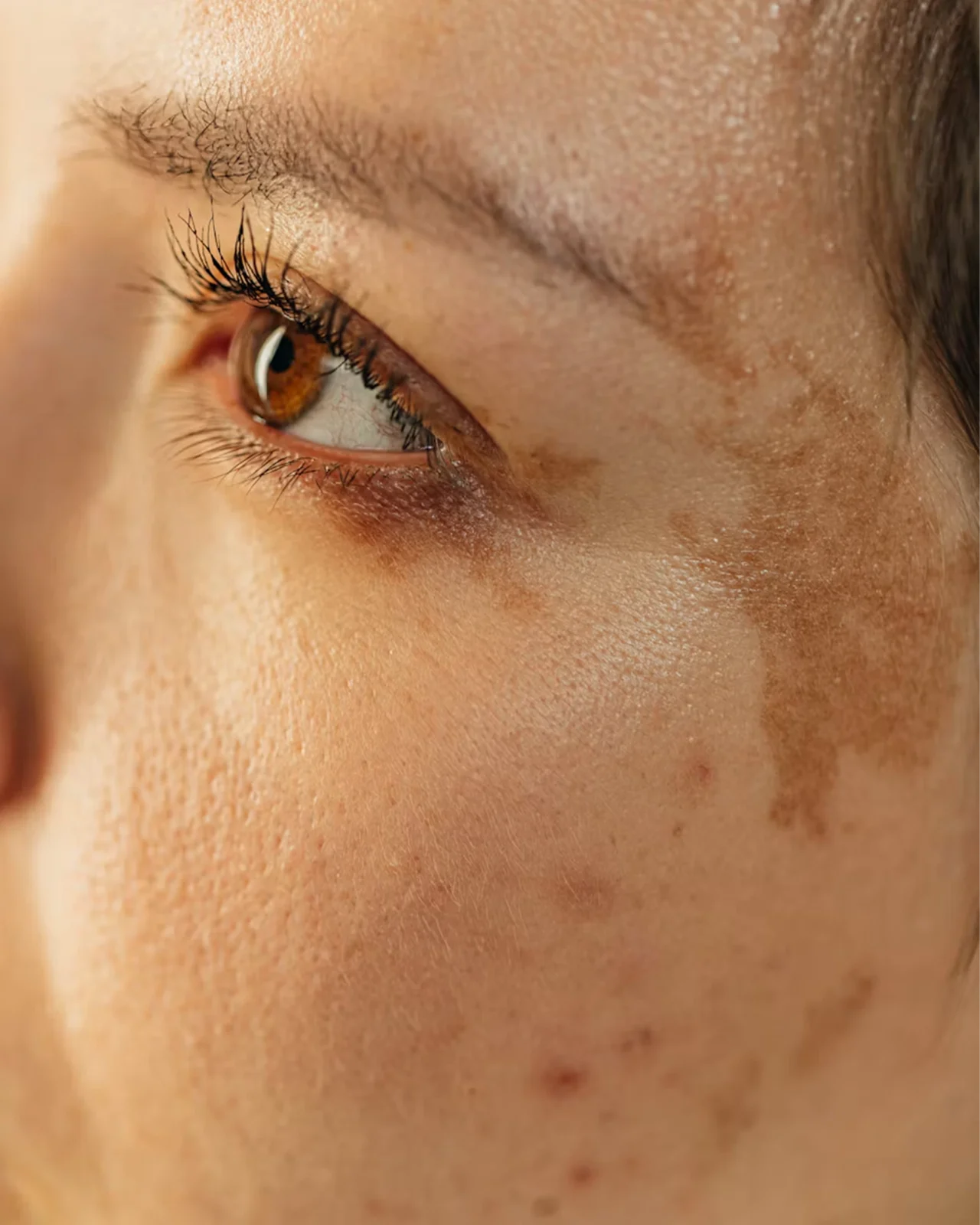
For Filipinos, especially morenas, hyperpigmentation is a familiar concern, particularly after dealing with acneAcneAcne is a common inflammatory skin condition in which hair follicles become clogged by sebum and dead skin cells, often with bacterial growth and inflammation, producing blackheads, pimples, and cysts.Go to Acne Glossary or skin inflammation. According to Dr. Kerob, managing pigmentation requires the factors that affect it. “First thing, photo protection. When we talk about photo protection, it’s not only protecting against UV, but it’s also protecting against visible light, the blue light. Because we know that the blue light will trigger the activation of melanocytes to produce melanin.”
“The prevention can be done by using a sunscreen with at least SPFSPFSun Protection Factor, a measure of how well a sunscreen protects against UVB rays that cause sunburn. Dermatologists recommend a broad-spectrum SPF 30 or higher, applied generously every morning andGo to SPF Glossary 50+, UVA Coverage, HEVL ingredients to protect against the pigmentation induced by HEVL,” Dr. Kerob explains. HEVL stands for High-Energy Visible Light, which, according to a published study in the National Library of Medicine, “In the visible light spectrum, HEV light is a high-energy form with a short wavelength ranging from approximately 380–480 nm (nm).”
“The second is, of course, correction. Correction is also about not only targeting melanin synthesis, but also targeting inflammation, oxidative stress that will also trigger melanin synthesis.” For those dealing with persistent dark spots, this means considering both sun protection and appropriate treatments rather than relying on brightening ingredients alone.
Magnific
Not all sun damage can be felt
According to an article from the University of Iowa Healthcare, “The rays that are most damaging to our skin are called ultraviolet (UV) rays. There are two basic types of ultraviolet rays that reach the earth’s surface—UVB and UVA.” Dr. Kerob emphasizes understanding how each differs. “UVB, you feel it, it can burn. UVA, you will not feel it. It’s a silent UV that goes deep in your skin and that will trigger pigmentation, that will also trigger solar elastosis, meaning skin aging.”
For consumers, this is a reminder to look beyond the SPFSPFSun Protection Factor, a measure of how well a sunscreen protects against UVB rays that cause sunburn. Dermatologists recommend a broad-spectrum SPF 30 or higher, applied generously every morning andGo to SPF Glossary number and pay attention to the UVA protection indicated on sunscreen packaging.
The microorganisms on your skin are there for a reason
Beyond the ingredients listed on a product’s packaging, another aspect of skin health deserves more attention: the microbiome. “It’s a very important component of our skin barrier. It’s the first one, in fact. And at the surface of our skin, we have different microorganisms. We have bacteria, we have viruses, we have fungi. And all these components are protecting our skin,” Dr. Kerob shares.
The microbiome also plays a role in acne, which she describes as a complex skin disease involving several contributing factors. “Acne is a complex skin disease with, of course, the hyperkeratinization, so the clogged pores, inflammation, increased sebum production, microbiome disbalance, and skin barrier fragility.”

Magnific
More skin care isn’t necessarily better skin care
More products do not necessarily mean better skin. With elaborate routines becoming increasingly visible on social media, Dr. Kerob encourages consumers to be more discerning about what they put on their faces. “Sometimes we don’t know what would happen with a mixture of ingredients that have not been tested together,” she cautions.
She also warns against treatments and potent products unsupervised by doctors and dermatologists. “The do-it-yourself is a trend that is really putting some patients at risk of having irritations, allergies, and also some complications,” she says. The takeaway is to be mindful of how many products and active ingredients are being combined in a routine, especially when following recommendations found online.
Those trendy tan lines come at a cost
Exposing the skin to sunlight to create tan lines or patterns, sometimes called sun tattoos, is another passing beauty trend, intended to show off days spent under the sun in a good bikini. However, Dr. Kerob, who also has a background in oncology, warns that the practice carries serious risks. “For me, this is very dangerous because, as you may have understood, I’m not only a dermatologist, but also an oncologist. So I see a lot of skin cancers, especially in young people, and I think we will see more and more.”

Magnific
Her reminder is that sun protection should begin early, rather than only after visible damage appears. “It’s better to protect your skin earlier with also the products that have been tested, validated through different tests, but also clinical studies,” she says. “You only have one skin in your life. So, [don’t wait until] you regret, it’s too late.”
Your screen isn’t the blue light you should be worried about
With more sunscreens being marketed as protection against blue light, consumers may wonder whether they also need to wear sunscreen whenever they sit in front of a computer or use their phones. Dr. Kerob clarifies that the visible light emitted by screens is not equivalent to the exposure people receive from sunlight. ” People should not worry about that. Screens are not leading to pigmentary disorders.”
She emphasizes that sunlight remains the more relevant source of exposure when discussing visible-light-induced pigmentation. “It’s really the sun exposure,” she stresses. Her broader point is that consumers should understand what a product has actually been tested to do instead of relying solely on broad marketing claims.
Your social media feed is no substitute for a dermatologist
With beauty influencers, online communities, and even artificial intelligence offering skin care advice, consumers have more information available than ever. But having access to information does not necessarily mean knowing how to evaluate it.
For Dr. Kerob, one of the most important things consumers should learn is to question the authority of the person providing the information. “There are so many sources of information, especially with ChatGPT. Everyone has an opinion, everyone has an idea, so many influencers. So let me be clear on that one. The first and essential source of information when it comes to skin care is your dermatologist, who knows better.”
She recognizes that social media and digital platforms can also help make skin care education more accessible. However, the information shared should be supported by the right expertise. ” So we need to get prepared to answer questions. And that the positive aspect of this is that people are more educated or want to know more.”
Ultimately, she believes that better communication between dermatologists and their patients can lead to better understanding and treatment adherence. “When the patient understands why, they will adhere more to the regimen that you provide them. They will be more compliant with the treatment.”
Frequently Asked Questions
Visible light and inflammation also drive dark spots. Dr. Delphine Kerob says blue light activates melanocytes to make melanin, and inflammation and oxidative stress trigger it. She recommends SPF 50+, UVA coverage, and HEVL protection, plus treatment beyond brightening ingredients.
UVB rays can burn and are felt on the skin, while UVA rays cannot be felt. Dr. Kerob calls UVA a silent UV that goes deep, triggering pigmentation and skin aging, so sunscreen should list UVA protection, not just SPF.
No. Dr. Kerob says people should not worry about screens, which are not leading to pigmentary disorders. Sunlight is the relevant source of visible-light pigmentation, so check what a sunscreen has been tested to do.
No. Dr. Kerob, a dermatologist and oncologist, calls sun tattoos very dangerous and says she sees many skin cancers, especially in young people. She advises protecting skin early with products validated through tests and clinical studies.
No. More products do not necessarily mean better skin. Dr. Kerob warns that ingredient mixtures not tested together can cause unpredictable effects, and that do-it-yourself treatments risk irritation, allergies, and complications. See a dermatologist first.