The Expert’s Guide to Hair Treatments
Breaking down the most popular hair treatments so you can make the most out of your trip to the salon.
By Lia Cruz


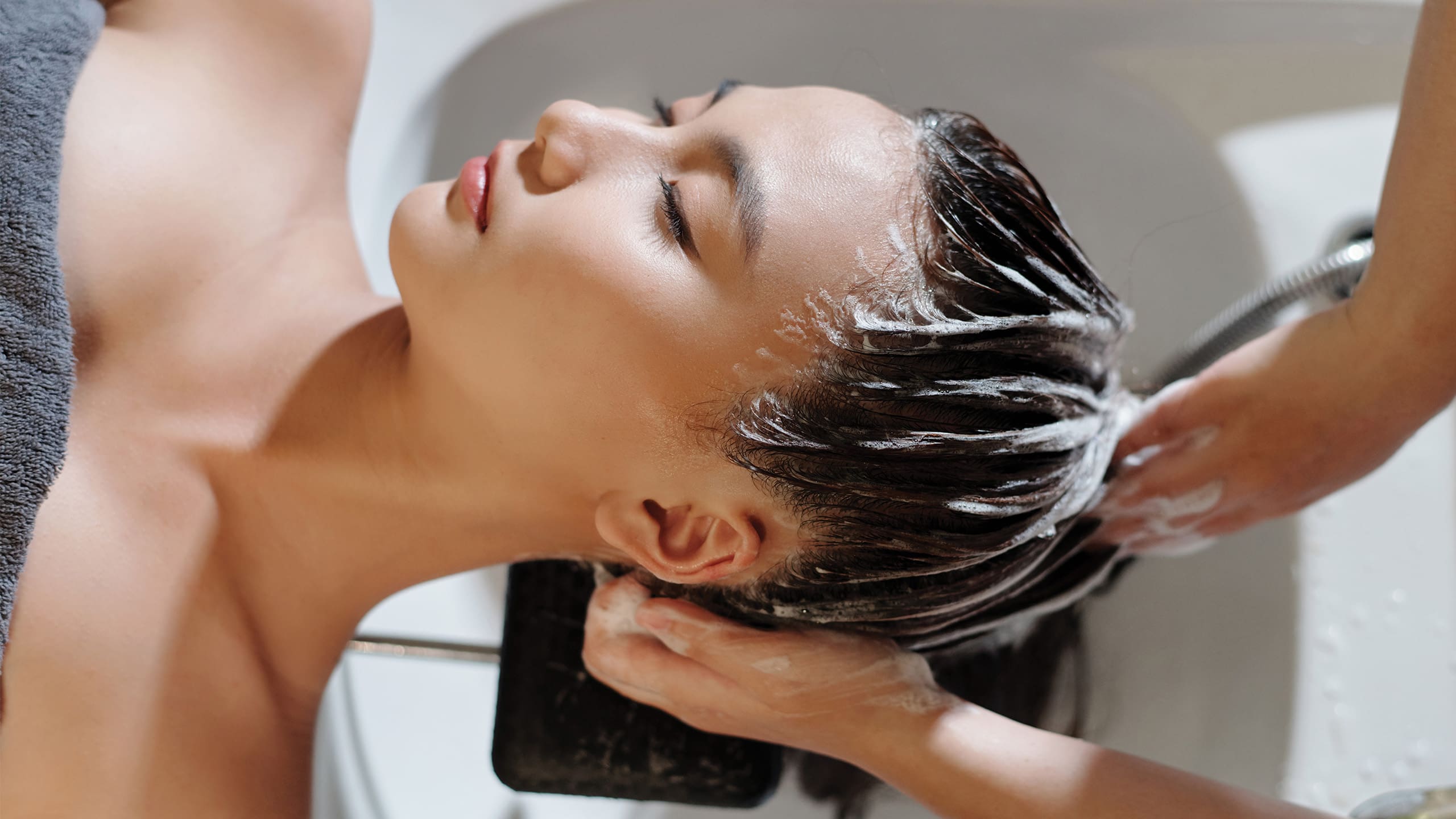
For many of us, our first taste of a professional beauty experience takes place at the hair salon. You could even say it’s a rite of passage of sorts. We start out with a simple cut, perhaps try a blow dry or styling session, and then maybe, just maybe, progress to a hair treatment.
The days of the singular hot oil, however, are far in the past. Nowadays, hair treatments are much more specialized, making them even more effective. Depending on your hair type, length, condition, and concerns, countless treatments are available for you to choose from. It can be, honestly, a bit overwhelming at times. But fret not, because Allure Philippines spoke to the experts to help you do right by your hair.
Meet the experts
Cherry Reyes is a veteran hairstylistHairstylistA beauty professional who specializes in cutting, coloring, styling, and caring for hair, combining technical expertise and creativity to enhance individual style, confidence, and self-expression.Go to Hairstylist Glossary and the master franchisee of Toni & Guy in the Philippines.
Laura Charlton is the president and CEO of David’s Salon.
Andrea Lorenzana is the general manager of Piandré Salon.
What are the most popular hair treatments out there today?
Keratin treatments
You may have heard of these treatments as “Brazilian blowouts.” These are smoothening treatments that reduce frizz, and make hair more manageable, while maintaining its natural volume. During a keratin treatmentKeratin TreatmentA smoothing salon service that coats the hair with keratin protein to reduce frizz, boost shine, and make styling easier for several months. Because some formulas release formaldehyde, ask yourGo to Keratin Treatment Glossary, a keratin-based product is applied onto the hair, and then sealed using a flat iron.
Anti-hair fall treatments
These treatments reduce excessive hair shedding, strengthen hair strands, and improve scalp health to promote healthier hair growth. Some treatments make use of laser therapy as well, utilizing a low-level laser device in the form of a cap or a comb, which stimulates blood flow to the scalp and encourages hair growth.
Scalp treatments
These target scalp problems, soothing symptoms such as itching, redness, irritation, flakiness, or oiliness. They cleanse the scalp to remove buildup and promote healthy hair growth.
Rebonding treatments
Ever popular in the Philippines, a rebonding treatment chemically straightens hair to make it pin-straight, but often leaves it flat. Alternatively, a bond repair treatment can be done after a rebonding session, and this focuses on restoring damaged hair’s health.
Repair and moisturizing treatments
These are a step up from at-home leave-in conditioners and treatments. There are a multitude of salon products available in this category, including hair masks, serums, oils and many more. They are also highly-specialized, usually labeled for your hair type or hair concern. These lock in moisture to repair dry strands, and prevent breakage. According to our experts, clients often turn to these after getting a rebonding, coloring, or bleaching service.
How to choose the right treatment
Pick a treatment based on the end look you are going for. “If you want stick-straight hair, then go for a rebonding or straightening treatment,” says Andrea Lorenzana, general manager of Piandré Salon. She also adds that results may vary depending on what your natural hair type is. “For smoothening services, for example—if your natural hair is wavy, it will be straight. If it is curly, it will be wavy. If it is coiled tightly, or kinky, it will reduce the frizz and loosen the curl.”
Laura Charlton, president and CEO of David’s Salon, recommends asking yourself some questions before arriving at a decision: Is your hair chemically-treated? How often do you intend to treat your hair? What outcome are you expecting from the treatment? Your answers to these questions will help you decide the best treatment for you.
Veteran hairstylistHairstylistA beauty professional who specializes in cutting, coloring, styling, and caring for hair, combining technical expertise and creativity to enhance individual style, confidence, and self-expression.Go to Hairstylist Glossary and Toni & Guy Philippines master franchisee Cherry Reyes also underscores the importance of consulting with a pro—someone who can assess your hair type and condition. There are even tools in the market today that can be helpful for diagnosing your hair issues. “Some professional salons have a ‘diagnosis camera’ that analyzes the condition of a client’s hair and scalp in detail,” she says. “This allows hairstylists and technicians to tailor treatments and recommendations to the client’s specific needs.”
I had my treatment—what’s next?
Aftercare is essential after getting your treatment, and caring for your hair at home with the right products is crucial to make the results of your treatments last.
1. Try professional aftercare formulas.
There’s always a moment post-treatment when your stylist launches into a spiel, recommending products for you to purchase and take home. There’s actually a reason for that, and it’s not just sales. Both Charlton and Lorenzana espouse the benefits of using salon-recommended products, because they are tailor-made for the treatment or your hair condition.
“It makes a huge difference to buy professional haircare products from your trusted salon. It’s like night and day,” Lorenzana says. “Many drugstore shampoos have silicone, which coats the hair and makes it shiny, but also makes it heavier. In fact, sometimes, when you highlight your hair after using a lot of grocery shampoo, the foils get very hot—that’s silicone burning off the hair.”
2. But if you’re on a budget, look for sulfate-free products instead.
Charlton recommends using a sulfate-free shampoo and conditioner especially after you’ve had a keratin treatment. “It’s gentle on the scalp and hair, protecting your keratin service,” she says. Loreanza adds that sulfate-free formulas are a good fit for colored hair, too.
3. Go easy on the heat.
When styling your hair, opt for low-heat settings for your tools, and use a heat-protectant spray beforehand. Reyes also recommends minimizing exposure to both chlorine and saltwater, which can both strip away treatment benefits. “If swimming is unavoidable,” she says, “rinse your hair with fresh water first and use a protective leave-in product.”
4. Avoid overtreatment.
All our experts caution on the dangers of overtreating hair. Salon procedures are usually more potent than at-home treatments, and the frequency you can avail of them varies per procedure. Reyes explains that overtreating can weaken hair, so she recommends that salon treatments be done only every six to eight weeks, depending on your hair condition.
Frequently Asked Questions
Popular treatments include keratin smoothing, protein treatments, bonding/extensions, chemical straightening, perming, coloring, balayage, and scalp treatments. Each addresses different concerns: damage repair, texture change, volume, color enhancement. Treatment choice depends on hair goals, current condition, and maintenance commitment.
Keratin treatments coat hair with keratin protein, smoothing cuticles and reducing frizz. Results last 2–3 months with proper care. They work best on wavy or curly hair, though straight hair also benefits. Avoid washing for 48 hours post-treatment. Regular sulfate-free shampoo maintains results.
Protein treatments deeply nourish damaged hair with amino acids, strengthening and repairing. Keratin specifically smooths and frizz-controls. Protein treatments are gentler, less lasting (2–4 weeks), and can be done at home. Keratin is more intensive, lasts longer, but requires professional application.
Bonding uses adhesive to attach hair pieces; extensions use various methods (tape-in, clip-in, sew-in, fusion). Extensions add length and volume; bonding typically replaces damaged sections. Extensions last 6–8 weeks; bonding depends on adhesive. Both require professional installation and regular maintenance.
Most treatments require sulfate-free, gentle shampoo and conditioner. Avoid heat styling or limit temperature. Use specialized serums or oils for protection. Keratin needs avoidance of moisture for 48 hours post-treatment. Extensions need careful brushing, no tight hairstyles. Follow expert aftercare for longevity.
Lia Cruz
Lia Cruz is a broadcaster, presenter, and writer whose expertise spans lifestyle, travel, climate, and women’s issues. Drawing on nearly two decades of experience in television and live media, she brings thoughtful storytelling and a people-first perspective to every feature. At Allure Philippines, she writes profile features that uncover the stories behind the people shaping beauty, culture, and society.
- KEYWORDS
- hair
- hair treatments
Latest Stories


You might also like

To provide a customized ad experience, we need to know if you are of legal age in your region.
By making a selection, you agree to our Terms & Conditions.