5 Amazing Benefits of Hair and Scalp Treatments: Because Healthy Hair Starts at the Roots
From healthier growth to shinier strands, hair and scalp treatments do more than feel luxe at the salon. Here’s why they’re essential, especially in the Philippine heat and humidity.


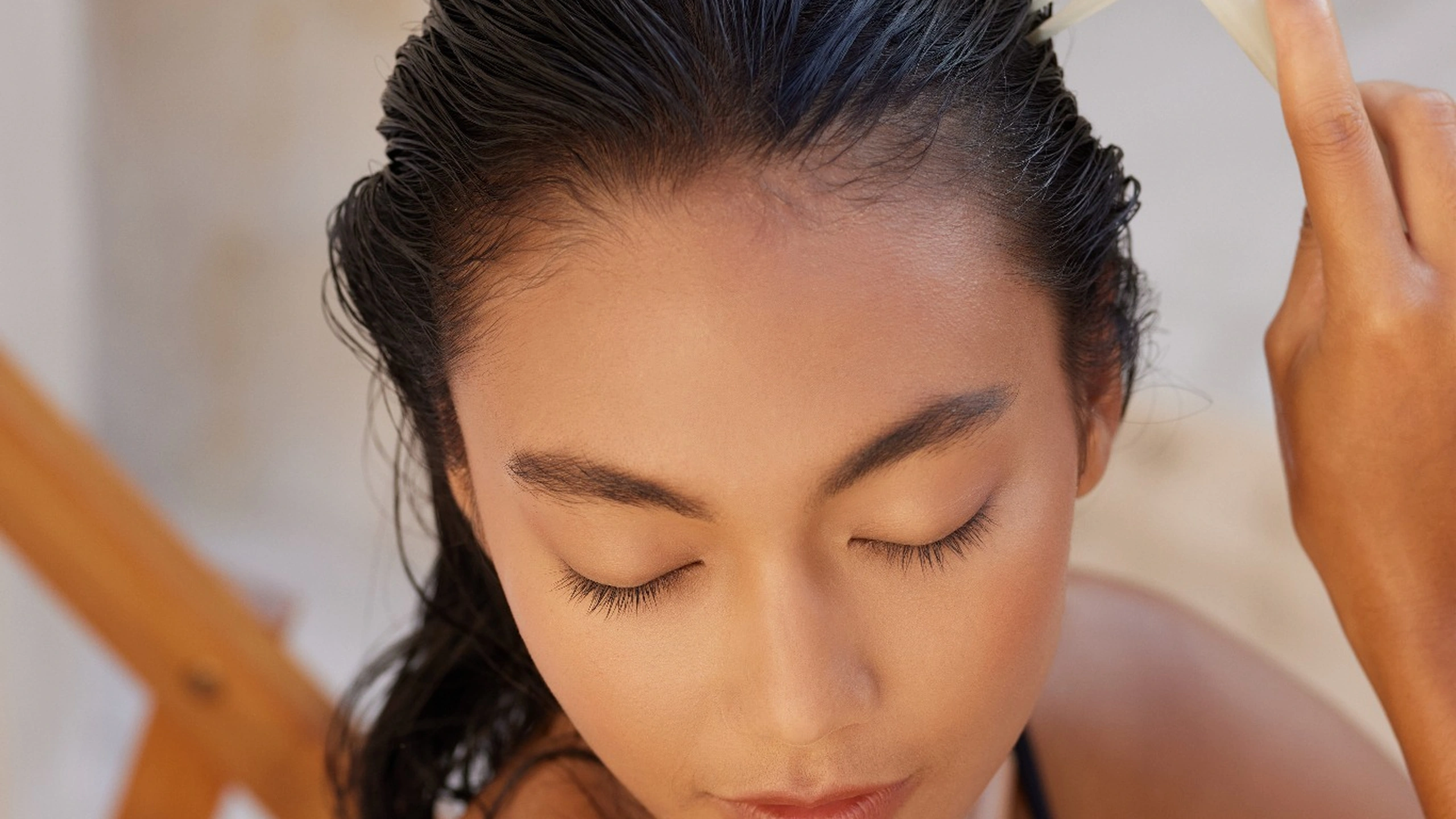
When we talk about healthy hair, we usually credit the shampoo, the conditioner, or the styling product. But according to hair experts, the real foundation of healthy hair starts where the strands grow: the scalp — and this is exactly where hair and scalp treatments make the biggest difference.
In a climate that’s hot, humid, and heavy with pollution, regular hair and scalp treatments aren’t just indulgent extras — they’re preventive care. Whether you’re dealing with dryness, frizz, hair fall, or buildup, targeted treatments help restore balance from root to tip.
Here are the five biggest benefits of hair and scalp treatments, according to experts.
1. Stronger hair growth
Our scalp is skin, and its condition directly affects hair growth and retention. A 2021 review in the International Journal of Cosmetic Science concluded that improving scalp health can reverse some hair problems and is linked to better hair quality and retention. In short, a calmer, cleaner scalp creates a healthier environment for follicles to perform.
Routine cleansing often isn’t enough, as dead skin cells, product residue, and pollution can accumulate and block follicles. Targeted scalp treatments can help remove buildup, restore microbiome balance, and improve visible hair condition. Scalp care isn’t just a cosmetic step. It’s a foundational practice for healthier, stronger hair.
2. Reduced hair fall caused by buildup and breakage
Not all hair fall starts at the root; some of what people notice as “hair fall” is actually breakage occurring along the hair shaft rather than shedding from the follicle. Hair breakage is commonly linked to cumulative damage from dryness, friction, heat styling, chemical treatments, and mechanical stress such as brushing or tight hairstyles. When the cuticle is eroded and internal lipids and proteins are depleted, the fiber’s tensile strength and elasticity decline, making strands more likely to snap under everyday manipulation.
Hair and scalp treatments can help by smoothing and reinforcing the cuticle, improving surface lubrication, and partially restoring mechanical properties like tensile strength and flexibility.
3. Better moisture balance in humid weather
Philippine humidity is a double-edged sword: It can trigger frizz while still leaving hair dehydrated, especially when the cuticle is already damaged or highly porous. In humid air, water moves in and out of a porous, uneven cuticle more rapidly, which causes fiber swelling, surface roughness, and visible frizz.
Hydrating treatments help by restoring internal moisture and reinforcing the cuticle barrier so the fiber swells less and handles humidity more evenly. Conditioning agents such as humectants and lipids (glycerin, ceramides, and cosmetic oils) can increase moisture retention and smooth the cuticle surface, improving manageability without necessarily weighing hair down. A review article on hair cosmetics in the International Journal of Trichology explains that conditioners work by coating and sealing the cuticle, restoring hydrophobicity, reducing friction and frizz, and helping limit excessive moisture exchange with the environment.
4. Shinier, smoother hair
If hair still looks dull or rough despite styling, the issue is often surface damage rather than a lack of product. Lifted or broken cuticles scatter light unevenly, which reduces shine and makes strands harder to manage.
Hair treatments address this by smoothing raised cuticles and filling microscopic gaps along the hair shaft. Research published in the Journal of Cosmetic Science shows that conditioning treatments improve cuticle alignment, resulting in better light reflection, reduced friction, and easier detangling. This structural smoothing is why hair feels softer and styles more easily after a treatment—the change happens at the fiber surface, not just cosmetically.
5. Long-term protection against daily damage
Hair and scalp treatments work best when viewed as preventive care, not just a quick fix. Daily exposure to UV light, heat tools, sweat, and urban pollution gradually weakens the hair fiber and accelerates surface wear.
Cosmetic science research consistently shows that regular conditioning improves tensile strength and reduces surface friction, which helps limit cumulative hair damage over time. Some studies note that ingredients such as antioxidants, UV filters, and bond-repairing agents help protect the cuticle from oxidative stress and mechanical breakdown, allowing hair to stay stronger and more resilient between salon visits.
How often should you get a hair and scalp treatment?
Scalp care isn’t one-size-fits-all. Frequency depends on your scalp condition, hair type, and lifestyle. The concept of “skinification”—treating the scalp like you do your facial skin — offers a helpful guide. According to board-certified dermatologists Maria Franchesca S. Quinio-Calayag, MD, and Raissa Francisco-Pasion, MD, scalp treatments should be tailored to individual needs, focusing on hydration, exfoliation, and protection.
- Scalp-focused treatments: Every 2 to 4 weeks if you struggle with dandruff, excess oil, or hair shedding. Gentle massages, exfoliation, or targeted anti-dandruff products support follicle health and improve circulation.
- Hydrating or repair treatments: Every 3 to 4 weeks, particularly for dry, frizzy, or chemically treated hair. Ingredients like hyaluronic acid, glycerin, ceramides, and natural oils restore moisture without weighing hair down.
- At-home maintenance masks: Use once a week to complement salon treatments. Even a simple hydrating mask can help maintain scalp moisture and improve hair manageability.
Dr. Quinio-Calayag emphasizes that overdoing treatments or scrubbing too aggressively can irritate follicles and dry out the scalp. “Less is more,” she advises. Gentle application with fingertips, proper rinsing, and moderation in chemical or heat styling all protect both the scalp and hair.
The bottom line
Healthy hair doesn’t start at the ends. It starts at the scalp. The benefits of hair and scalp treatment go beyond shine, helping reduce hair loss, improve manageability, and protect strands against daily damage, especially in the Philippine weather.
If your usual routine isn’t cutting it, adding regular scalp and hair treatments may be the upgrade your hair actually needs.
FAQs
What are the benefits of hair and scalp treatments?
They strengthen hair from the root, reduce breakage, improve moisture balance, boost shine, and protect strands from heat, sweat, and pollution—all especially useful in the Philippine weather.
How does hair and scalp treatment improve hair health?
By clearing buildup, balancing the scalp, and smoothing or repairing the cuticle, these treatments help follicles function better and make hair stronger, softer, and more resilient.
Can scalp treatments help with hair growth?
Yes. They don’t speed up growth directly, but they create a healthier scalp environment by unclogging follicles, calming irritation, and improving circulation, all of which support better growth.
Do hair and scalp treatments reduce hair fall?
They can. Scalp treatments reduce shedding caused by buildup or irritation, while conditioning treatments strengthen the hair shaft to prevent breakage, often mistaken as “hair fall.”
Are hair and scalp treatments good for dry or frizzy hair?
Yes. Hydrating and conditioning treatments restore moisture, smooth the cuticle, and help hair handle humidity better, making dry or frizzy strands softer and more manageable.