Five Insights Into Filipino Beauty Today, According to Experts
The landscapes of both our concepts of beauty, and the local beauty industry, are always changing. As we move closer to wrapping up 2025, here are five insights about Filipino beauty that we learned at the Allure Beauty Congress.


Let’s face it. The topic of beauty makes for great conversation. Whether it’s the most recent eyeliner technique, or a new product for our acne, or the most effective way to wash our hair, or even just the latest haircut of a certain celebrity, the conversation about beauty, wellness, and grooming is a touchpoint that practically anyone can relate to.
And for us Filipinos, since both the construct and practice of beauty is so embedded in our culture, we’ll take any chance we get to discuss it in detail.
At the first-ever Allure Beauty Congress held last November 21 to 23, where the topic of beauty was met with an army of bona fide beauty experts who all generously shared their knowledge and insider info with beauty enthusiasts, it was a veritable gold mine of beauty wisdom, insights, how-to, tips, tricks, and experiences.
From the various, extremely discerning Allure Conversations that took place throughout the three-day event, we picked up quite a few nuggets worth passing on. Here, Allure Philippines lists our top five takeaways on Filipino beauty from the cavalcade of beauty experts, industry insiders, and icons who graced us with their presence.
1. The conversation on aesthetic enhancements has shifted—from being viewed as self-absorbed vanity, to being seen as a pathway to self-care and confidence.
In the opening Allure Conversation, Edited or Empowered? The New Debate on Aesthetic Enhancements, Drs. Z and Aivee Aguilar-Teo joined wellness advocate Stephanie Zubiri, and moderator and TV host Suzi Entrata-Abrera to discuss aesthetic enhancements today—and how they are currently seen in a changing beauty landscape in the Philippines.
Turns out, even though a stigma about being “retokada” still exists, there’s been a change of sorts in how these treatments are now viewed, and it’s moving farther away from the negative connotation of not being able to fully embrace oneself, and closer to the realms of self-love and building confidence.

Kieran Punay
The panelists discussed the relationship between emotional well-being and aesthetic choices, pointing out how an affinity for treatments now moves along the line of wanting to take care of oneself and improve oneself, instead of feelings of insecurity.
But it’s still a nuanced conversation that requires a lot of thought and self-reflection. “It really comes from a place of deep self-love,” Zubiri, who has undergone her own aesthetic enhancements, points out. “And if you feel whole, and you’re enough, that’s a good place to go from,” Zubiri advises.
The question “Why?” it turns out, is a good jump-off point. “The mindset should not be, ‘I’m doing this because I’m insecure [or] ‘I’m doing this because I’m vain or I want to be somebody else,’” Dr. Aguilar-Teo says. “The mindset should be ‘I’m doing this for myself. I want to look good because I want to take care of myself, I love myself.’”
2. In the Filipino beauty industry, purpose is the foundation for local brands looking to make an impact.
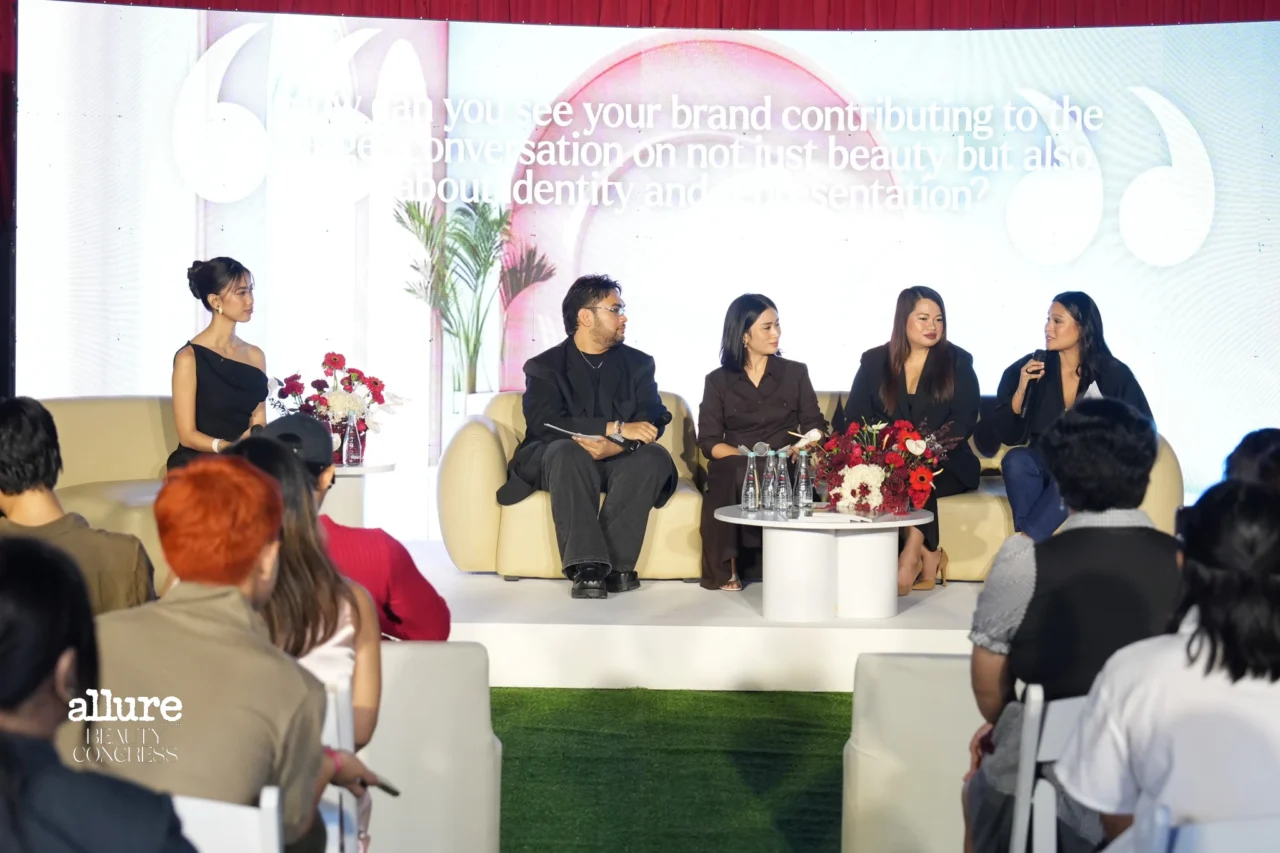
Building a business is difficult, with many challenges and roadblocks to maneuver. However, as Filipino beauty and wellness brand founders discussed in the Allure Conversation, Beauty with Purpose: The Power of Filipino Visionaries, when purpose is given importance throughout the twists and turns, it gives brands not only a blueprint to go back to when things get messy, but also a chance to challenge and redefine existing standards and norms.
Joel Andrade of Issy, Rachelle Bravo of New Lounge, Margaux Arambulo-Lucena of Dermtropics, Ava Diaz Daza of Jellytime, together with moderator Cleo Loque of Hiraya Pilipina, discussed the ins and outs of brand building in a fast-paced local beauty industry.
Kieran Punay
In business, purpose is often thought of as at odds with profit, but it doesn’t have to be the case. In fact, according to Andrade, they need to go hand in hand. “Those two things are not competing, but are complementary,” Andrade shares. “People who succeed are people who understand that you can make profit out of something with purpose. And if you feel like what you’re doing has no purpose, why do it? If what you’re doing is not profitable, why do it?”
Purpose can come in the form of many things. For Bravo, it’s celebrating Filipino identity globally. Arambulo-Lucena takes pride in a community-based and sustainable approach. Diaz Daza leans into Jellytime’s mission of loosening the stigma around sexual wellness. Loque aims to keep a distinctly Filipino look even as she aims for global success. And for Andrade, purpose lies in widening the spectrum of experiences around the word “beauty.”
But regardless of what a brand’s purpose is, as these founders have discovered, it’s an integral part of building—for brands, for beliefs, for mindsets, and for nations.
3. Beauty standards today are—thankfully—changing.
Change is afoot, and it has to do with how we define and view beauty.
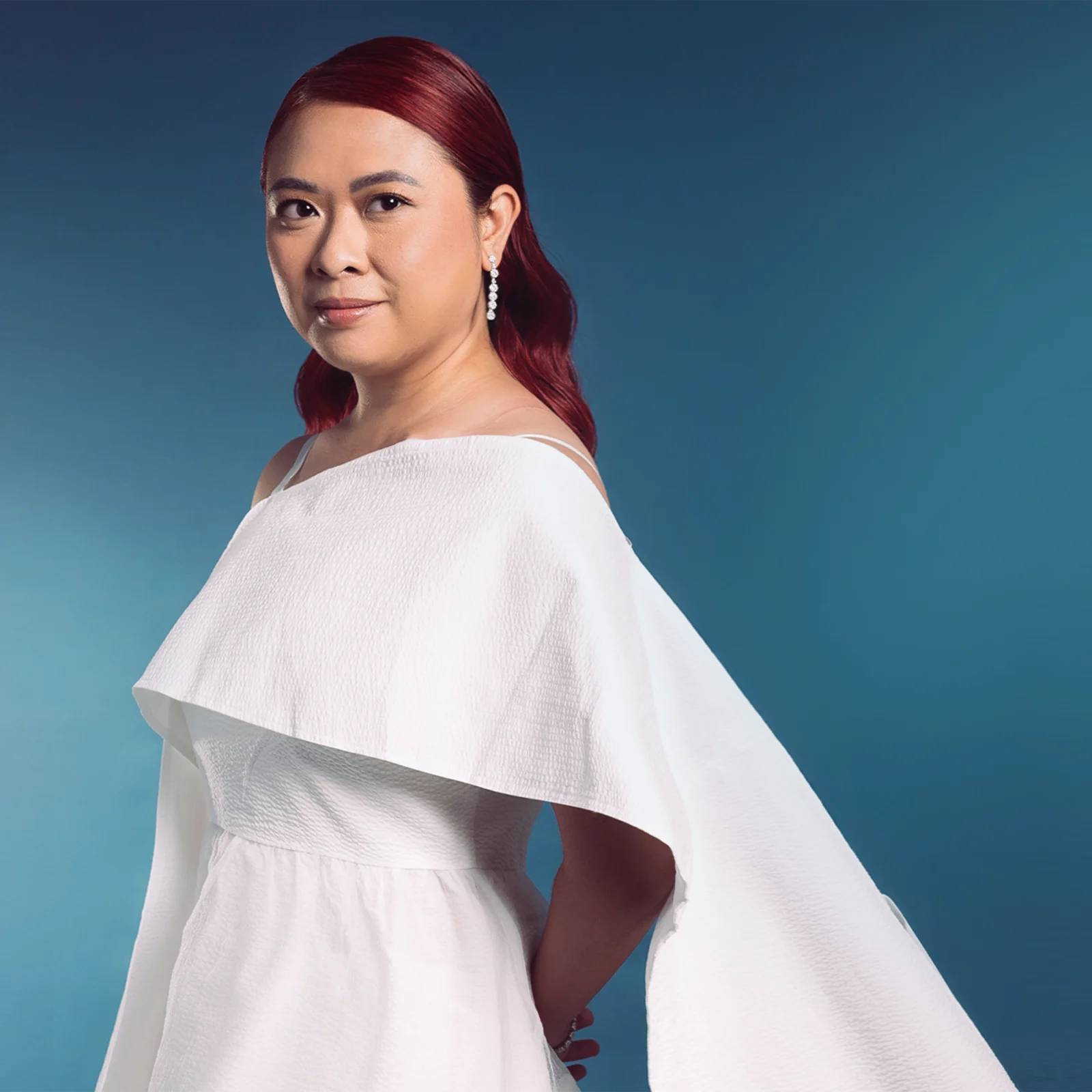
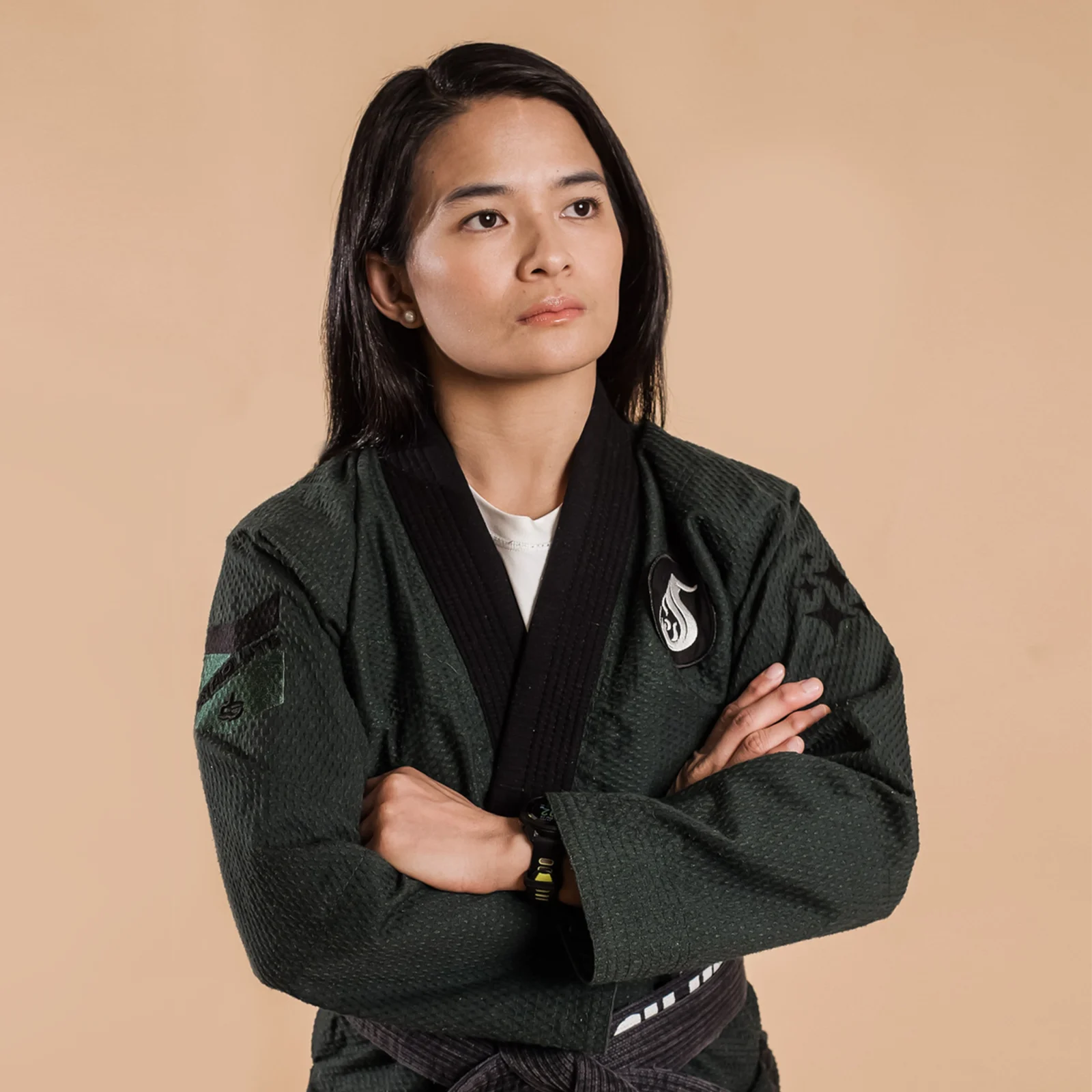
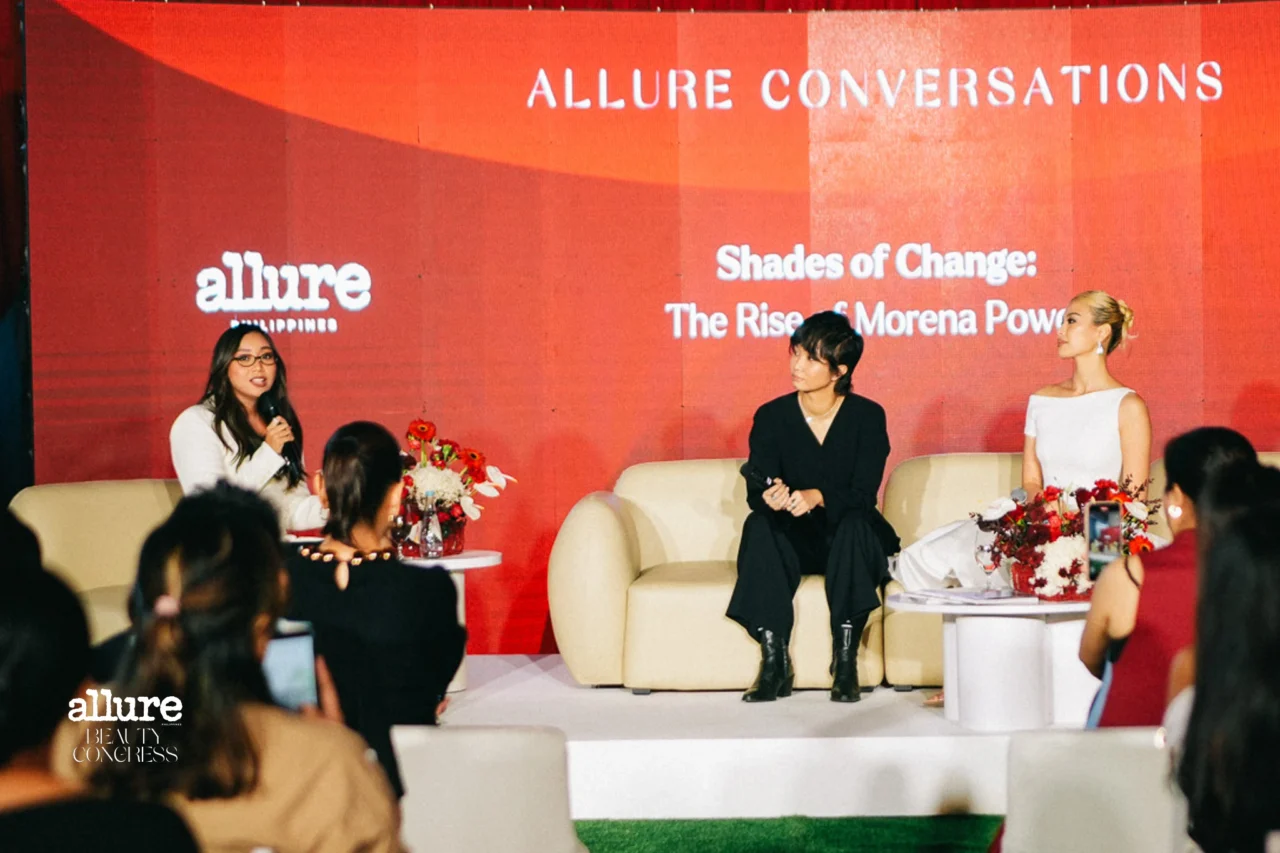
In the Allure Conversation, Shades of Change: The Rise of Morena Power, acclaimed morenas, specifically beauty queen and actress Michelle Marquez Dee and filmmaker Samantha Lee, together with moderator, author, and morena advocate Ayn Bernos, took to the stage to discuss the ripples and changes in our definition of beauty today.
Beauty in the Philippines has previously had very rigid, conventional standards, especially for women—tall, willowy, with sharp, mestiza features, and snow white skin. Bernos recalls the familiar story of growing up and being told, “You’re too dark, you can’t go under the sun, and you have to fix your morena skin.”
Kim Santos
But that almost elusive definition, in a country full of Filipinas who don’t necessarily fit into it, is changing. Nowadays, the morenas, as well as the mestizas and everyone else in between, get their chance to shine—and beauty is, rightfully so, treated with more depth and reverence.
“I’ve done two major pageants. And the conversations before behind the scenes, sometimes, they were like, ‘Maybe this time, we should send a morena, maybe this time, we should send a mestiza.’ And there has been a shift, because now they’re looking more inward [at] what the woman can present and what the woman can contribute,” Marquez Dee shares.
This newfound sentiment of inclusivity in beauty is not just reserved for skin color, but extends to different aspects of humanity—from the LGBTQIA+ community that both Marquez Dee and Lee champion, to different aspects of neurodiversity and mental capacity, such as autism that Marquez Dee fights hard to create awareness for.
Lee reminds us that, in questioning existing norms and battling for change, we should always question everything, to refine and redefine the status quo. “What I’m most interested in seeing,” she says, “is how this generation, people who are able to curate their social media feeds in as diverse a way as possible, is reframing their idea of beauty externally, and how that is reframing their idea of beauty and self-worth within themselves, because they’re seeing so much representation. It’s so exciting.”
4. Misinformation is rampant in the beauty and health spheres in the Philippines—but there are ways to fight against it.
It’s truly convenient to have easy access to information on just about anything online. But the situation is also a double-edged sword, because along with all the nuggets of knowledge and interesting factoids, there will always be a drop or two of fake news or misinformation that will make its way onto your feeds and into your head—and this goes for every aspect of life now, even in beauty and health.
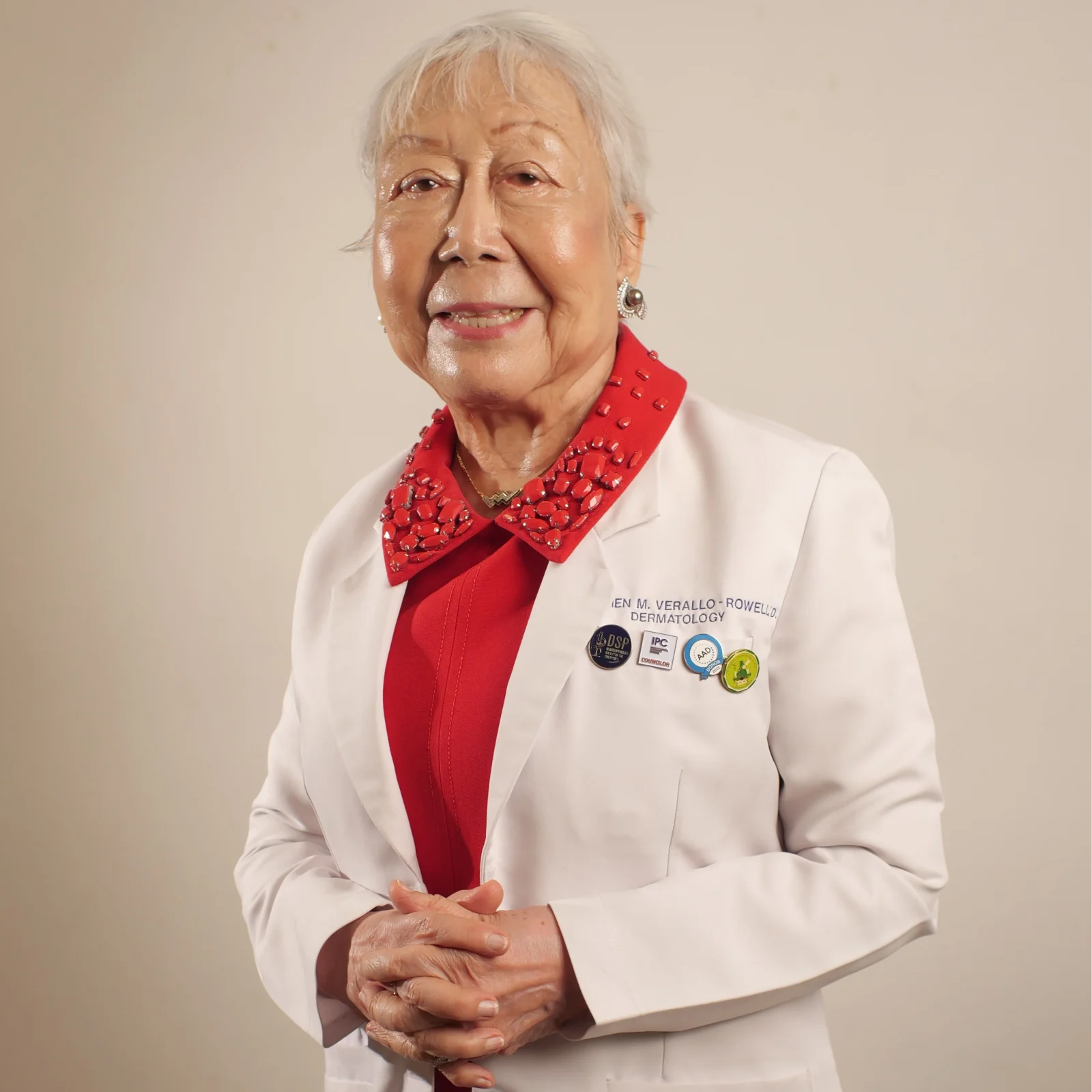
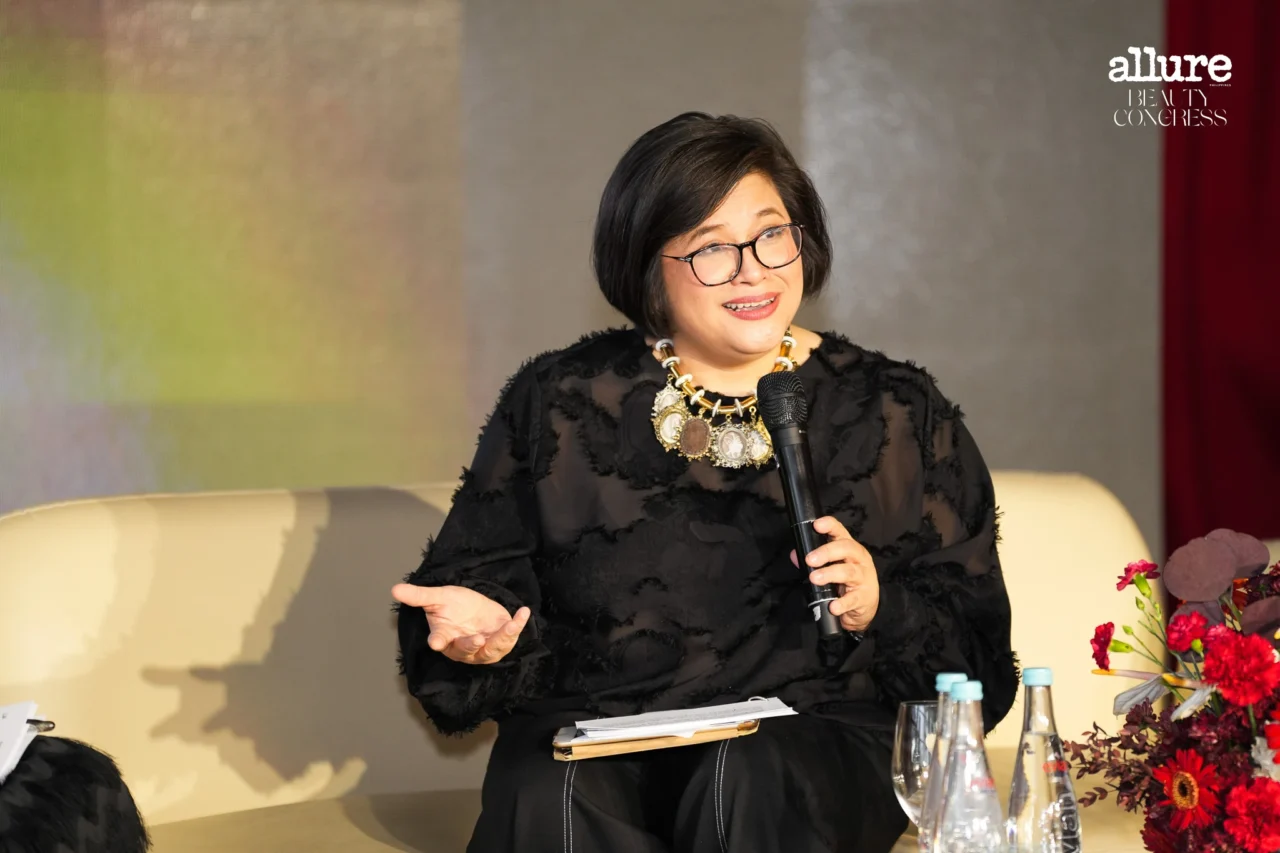
With misinformation rife even in beauty and health, the guardrails that board-certified dermatologist and president of the Philippine Dermatological Society Jasmin Jamora, MD, FPDS, introduced during the Allure Conversation, Fact or Fiction: Fighting Misinformation in Beauty and Health, were especially important.
John Joaquin Dag-uman
Her most important tips were to exercise caution when wading into the pool of newfangled trends, products, techniques, and the like, because whatever is going viral out there may not necessarily be safe or even a fit for your skin type, as well as to always check sources of information—whether the source is a seeming medical professional spewing advice on TikTok, or even your neighborhood marites spouting off well-meaning tips next door. You can check a doctor’s credentials on the websites of the Philippine Dermatological Society and the Philippine Regulatory Commission, and verify new information, products, and techniques with licensed doctors and board-certified dermatologists.
Another crucial thing to do is to make sure that procedures are always administered by a licensed medical doctor. In the Philippines, Dr. Jamora explains, the Medical Act of 1959 states that medical procedures should only be done by licensed physicians. “If something is piercing your skin, if something is being put inside your bloodstream, it should be done by a doctor, or a nurse accompanied by a doctor. Make sure that the medical professional has a license from the Professional Regulation Commission.”
5. The need to look, seem, be perfect is still there—and so are the filters—but it’s something that people are starting to unlearn in this day and age. And the unlearning always needs to start within.
Beauty standards can really do a number on one’s confidence and mental health, what with the constant need to live up to them. Even for some of the country’s most acclaimed icons—who look so perfect, and seem to have it all together constantly—living up to existing beauty standards can be tough, and can take its toll.
It was all about vulnerability, truth, and authenticity in the star-studded Allure Conversation, Unretouched: Real Skin, Real Stories in the Age of Filters, which brought together beauty queen and mental health and HIV awareness supporter Pia Wurtzbach-Jauncey, actress and body positivity champion Iza Calzado, actress and vitiligo awareness advocate Angel Aquino, and moderator, TV host, and authenticity and confidence advocate Bianca Gonzalez Intal.

Betty Uy Chan
Each esteemed icon opened up and got personal about their own continuing journeys of self-acceptance—Aquino with her acceptance of aging and her vitiligo diagnosis, Wurtzbach-Jauncey with breaking free from suffocating pageant industry standards, Calzado with body image issues stemming from being overweight as a child, and Gonzalez Intal with coming to terms with her own skin imperfections on her morena skin, and working hard against passing down these ways of thinking to her daughters.
It was nothing short of eye-opening and humanizing to hear it from such superstars themselves that they, too, struggle with the perception of perfection. And, as they each pointed out, the first step to authenticity is the fight to unlearn what society has laid upon us. It’s a personal endeavor we all have to embark upon, but the good thing is, views and standards are evolving, and it’s for everyone’s greater good. As Aquino pointed out, “Society, now, is kinder and more accepting, and praises individuality and differences.”