

“I found out that every pad is made up of up to 90 percent plastic, plus all the chemicals, the bleach, fragrances used. I think the one fact that really blew my mind was every pad exists for 500 to 800 years. If you do the math, if, let’s say, [you take] every woman in the world and they have a period every month, how many pads is that? And it would last, I mean, way beyond your lifetime.”
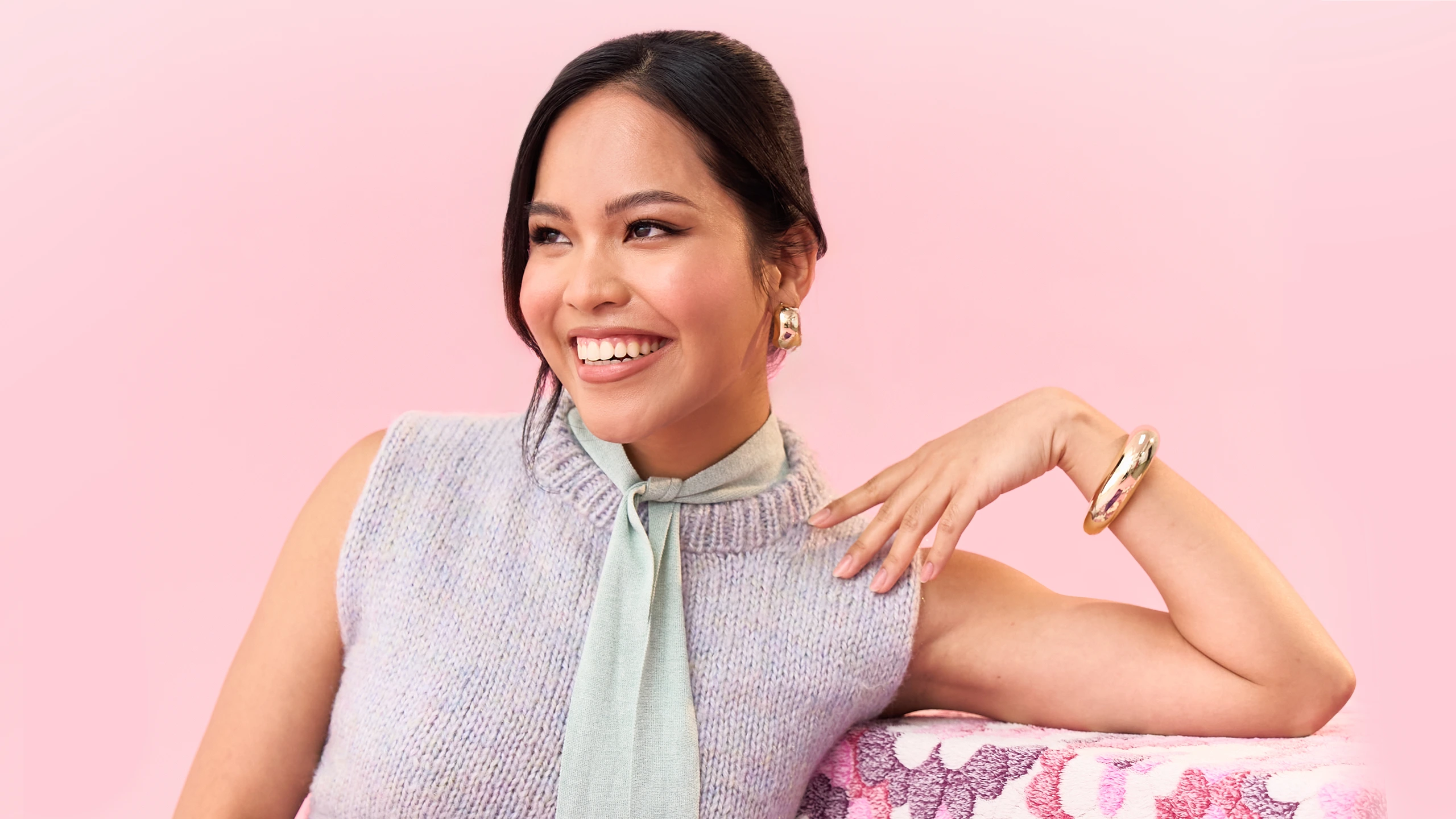
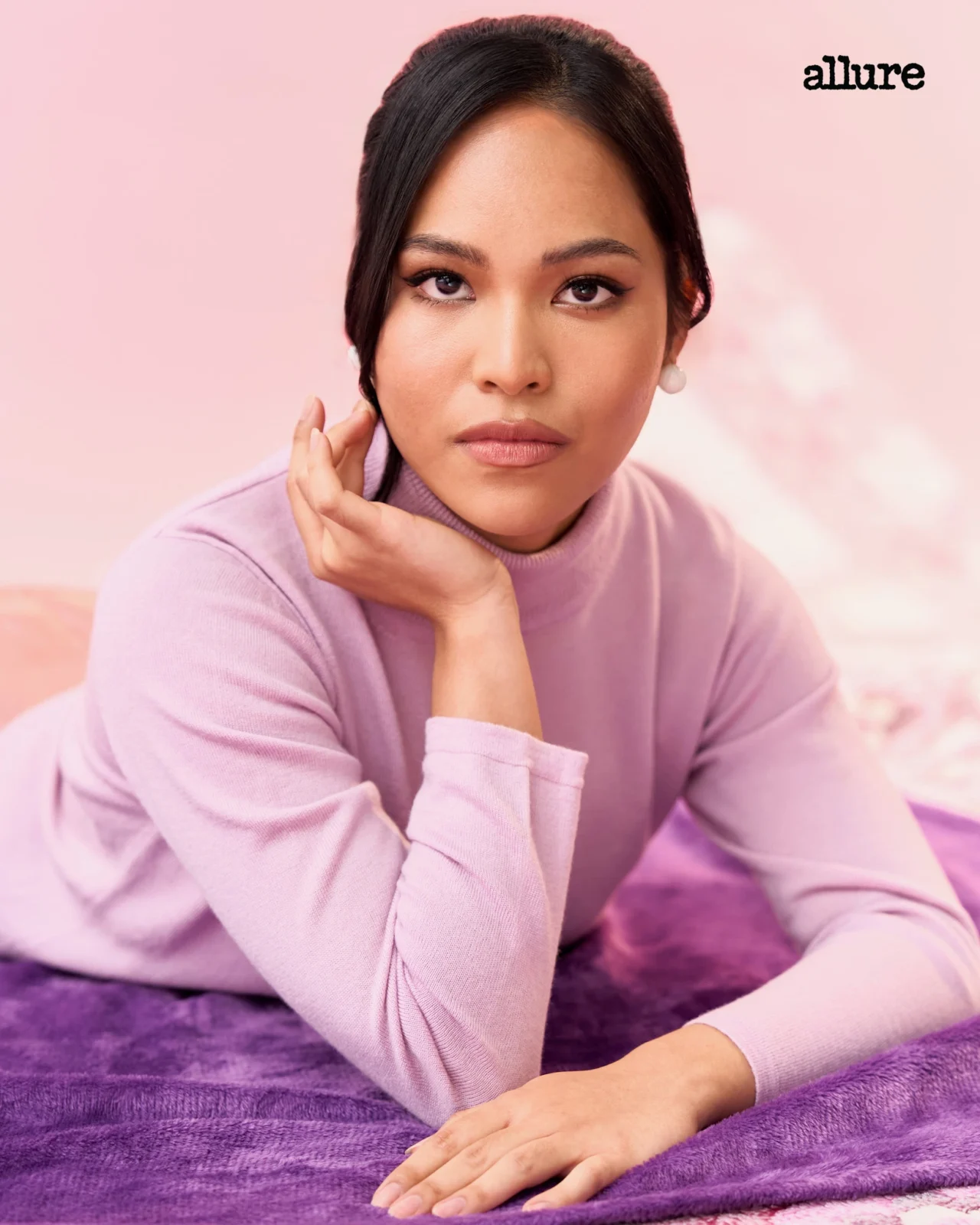
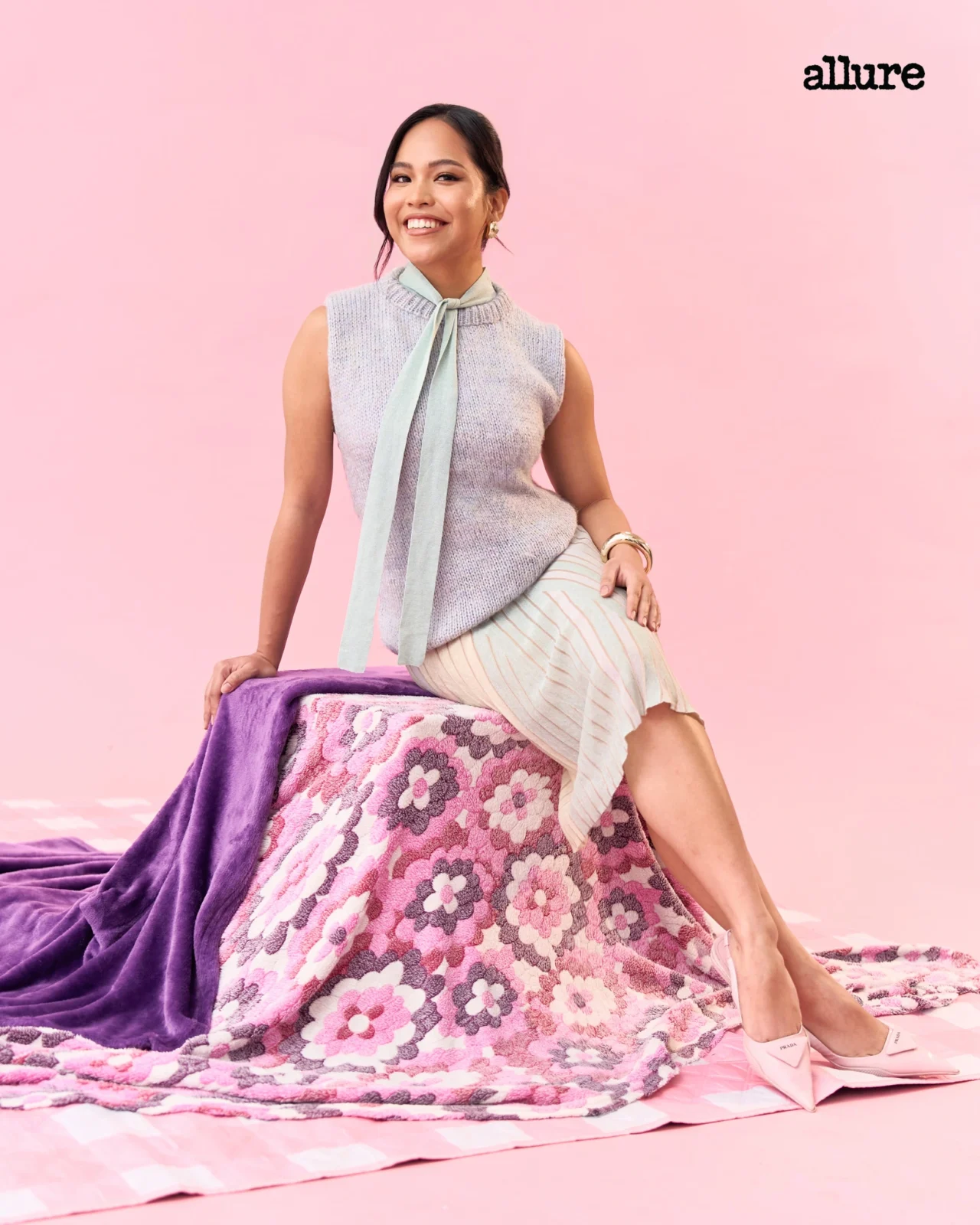
24-year-old Alexa Jocom, founder of Halia, a local brand that offers organic, 91 percent biodegradable sanitary pads made of renewable fibers and bio-based materials, is telling Allure Philippines what spurred her on to start the brand. The Philippines is a country that, according to the World Bank, generates 2.7 million tons of plastic every year, 20 percent of which end up in the oceans. It is also a country where talking about your period may, in most circles, still be considered taboo. These are two issues that Halia—and Jocom, who co-founded the brand with her mother Kim—seeks to address.
Kieran Punay
Halia’s products—which range from sanitary pads to pantyliners to bladder liners—are made of bamboo, a fast-growing grass that does not require pesticides, instead of cotton, save for the innermost layer. The pads are 91 percent biodegradable, breaking down into organic matter in six to 12 months in compost, or in two to five years in a landfill. They’ve also earned their certifications: certified to be fertilizer- or pesticide-free in the bamboo-farming process by EcoCertorganic, certified-industrially compostable as per the European standard, EN 13432, certified to be proven free of harmful substances by Standard 100 by Oeko-Tex, and certified to use bamboo from the most responsibly managed forests with environmental, social, and economic standards by Forest Stewardship Council (FSC). The products are designed and developed locally in the Philippines, but, in Jocom’s words, “responsibly manufactured in the People’s Republic of China by partners that adhere to international quality standards and certifications. Finished products are shipped in volume back home to the Philippines for distribution.”
For the Cebu-born, Manila-bred Jocom, who grew up regularly exploring Cebu’s beaches and nearby islands on regular visits, nature was always her first love. Because of that, doing something for the betterment of the environment, and to reduce plastic waste in her beloved oceans, was a natural progression.
Jocom set out to build a brand that would appeal to her fellow Gen Z members, but has been discovering that the issues of sustainability and women’s health do not resonate merely with the young, but to women of all ages. “Halia is really made with the Gen Z female in mind, but surprisingly, our bladder liners, which are for an older demographic of women, are actually our best sellers,” she says.
It’s a telling fact, one that proves that even in menstrual care—where sustainability definitely is not at the forefront of things, what with all the disposable, plastic-infused sanitary pads dominating the market—sustainability and health are issues that transcend generational divides. And it proves, as well, that Jocom, in building Halia, was not just acting on her own beliefs and principles, but amplifying the needs of an entire chorus behind her.
Below, Allure Philippines sits down with the founder and entrepreneur.
Kieran Punay
Why did you start Halia? Was it a personal experience that kickstarted it?
It wasn’t just one. In the Philippines, most girls can relate that it’s really uncomfy [to have your period]. And I remember my first period too, the first time I put on a pad, I felt like a penguin. I was like, ’How do you walk in this?’ It’s just not, not a good experience.
And when I was actually starting out with the samples of Halia, I would give them to some of my friends also. And they were like, ‘Wow, I’m actually looking forward to my periods now,’ which is a really good thing because most of the time when women think about periods, they really dread it. We wanted to flip the switch and say that, well, your period’s not really something you’re supposed to dread, but it’s a natural part of life. So, why can’t we make it better for you?
Have you always been interested in sustainability?
My high school was Assumption College and I think [with] my peers, my teachers, we really talked about these things. And I think also as a [member of] Gen Z, these are things that we just talk about.
Growing up, it was really ingrained in me. My mom, my mom’s family, we’re from Cebu. So whenever we have a chance to go to the beach, island-hopping, and when I go to some beaches, I see plastic pollution. It kind of makes me sad, but it’s also a great motivator that, ‘Oh, okay, there’s something I can do, maybe just in my own way, to not have this pollution in our oceans”
What sets Halia’s products apart from others in the market?
I think, first of all, if you look at the packaging, I think we were very intentional in making the packaging really bold, [with] contrasting colors. And that was something I really told, like put in the brief when we started the brand. I was like, ‘Even though it’s biodegradable or even though it’s like sustainable, let’s not make it muted.’ I want to make a statement so that on shelves or if you see it on a website or on socials, you’re going to really stop because it doesn’t look like a pad. And when I give it to people, they don’t hide it. I still see some people—like, you discreetly put it in your pocket. With Halia, we want to show that it’s okay to be on your period and it’s also fun.
For the technical aspect, we really made sure that the materials we use are breathable and also biodegradable and can keep up with you. Most of the time, when people think about a sustainable or a biodegradable product, it’s not up to par with the normal ones, because maybe they think it will disintegrate quickly or you’ll get “tagos” or something like that. But for Halia, we really made sure like it can keep up with you even if you’re working out, if you’re going on a long hike, or even if you just want to lounge.
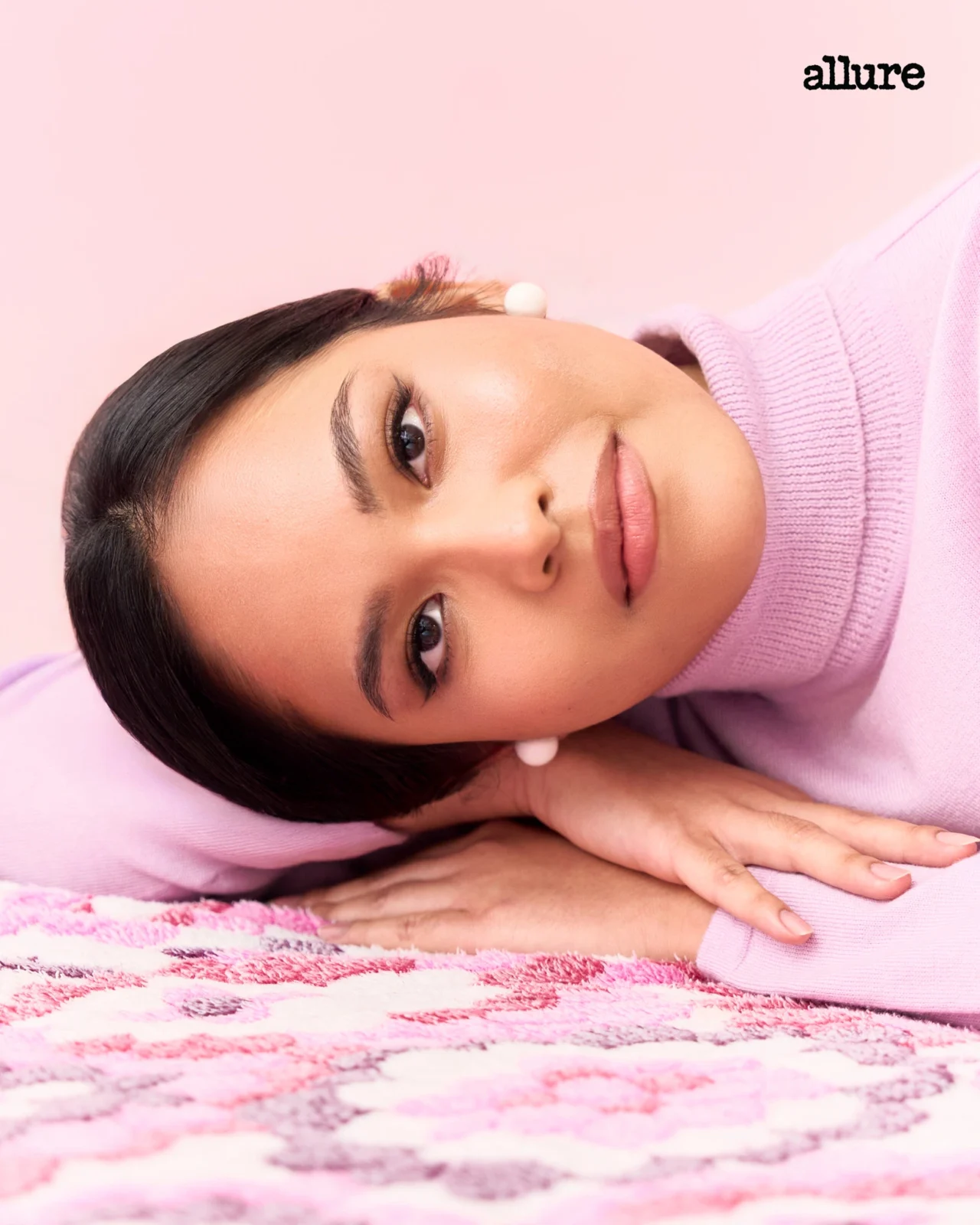
Kieran Punay
What was the process of developing the products and building the brand?
When I first had the idea, it actually took a year for everything, for us to make sure that we developed the right product. I think it was also a trial and error [process] for me because I didn’t even know where to start.
My co-founder, who’s my mom, actually has product development experience through her company Blue AI Inc., where she has been developing body care, cosmetics, and perfumery sets for retail chains, but not sanitary pads. We figured it out together. It was a lot of back and forth with our partners, with suppliers, and a lot of back and forth also testing the product ourselves. Even until now, like we’re constantly iterating our products, making sure that the customers like the experience and it feels good for them.
What was the most challenging thing about setting up the company or developing the products?
I think because for me, like when I was in my freshman year [at Loyola Marymount University, studying BBA Marketing], I did not have any marketing experience, no product development experience, not even [experience] running anything. I didn’t have a normal job before. And I think [the challenge] was really just figuring out where to start. Do I start with the marketing and branding side? Do I start with the product development side? It was like creating a puzzle, but then there’s no picture. It was that, taking the first step.
Have you always envisioned yourself as an entrepreneur?
Not necessarily, but both my parents are entrepreneurs themselves. So, I’ve seen them hustle and work on their business. But for me, I just knew I wanted to do something cool and great for the environment. But I never really envisioned myself to be a founder of a period company.
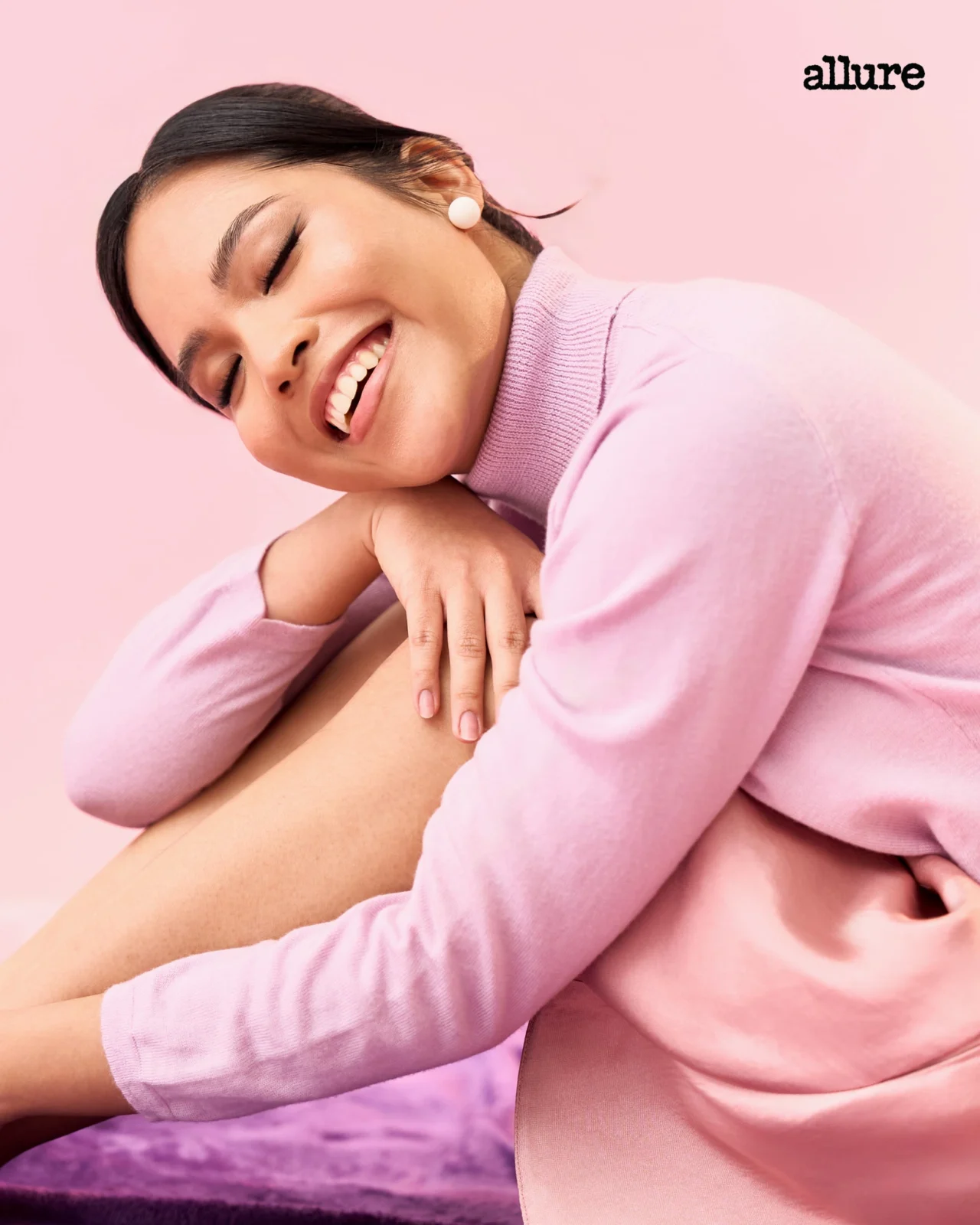
Kieran Punay
Do you find that it’s harder to run a company because you’re younger or does that actually give you an edge?
Today, I feel like it’s an edge because the people that we want to serve also are my age or maybe just a bit older. And it’s also good, because when I work with people with experience who are older than me and I also work with interns who are a bit younger than me, I feel like I’m the middle ground and I get to know both sides. I think my leadership skills are kind of unique in that way because I get to bridge that gap.
When it comes to women’s health and wellness issues, do you find that there’s a lack of attention given to these topics?
There’s a clinical study by Medidata Solutions that states that clinical research has significantly underrepresented women, and the data that we currently have is from male studies, or male subjects. Western medicine also doesn’t really take into consideration women’s health in studies. But now, thankfully, I see online that there are more and more gynecologists or women’s nutritionists who are really talking about these nuances in women’s health.
Is this a gap that you see yourself, that you see Halia as a brand filling?
Yes, little by little. I think it’s interesting because sometimes people message us through DMs and they ask us questions an OB-GYN should answer. So, we’re like, ‘Oh, there’s really a gap.’ And it’s interesting because they see us as someone who can answer the questions. So, of course, we have to be responsible and ask medical professionals for the answers.
Since your own persona and beliefs seem very much to be intertwined with the thrust Halia, what are the words you live by in growing the brand?
One word for me is really just being ‘aligned,’ because there’s so many distractions in today’s world and it’s very chaotic right now. So, for me, it’s aligning myself as a person, and I think that also translates to how I lead the whole team, if we’re aligned to the vision, the mission.
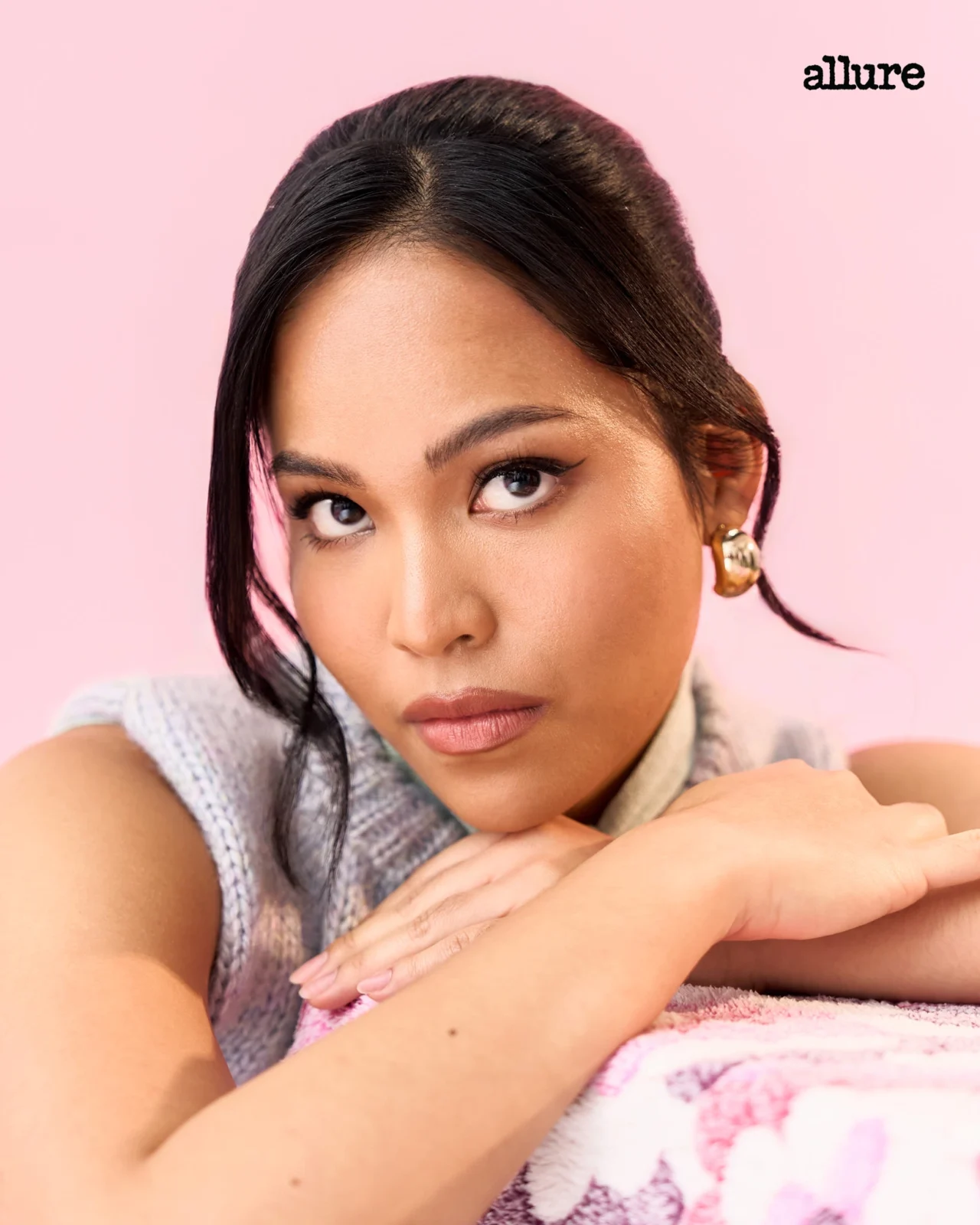
Kieran Punay
Art direction and beauty direction by Nicole Almero. Photography by Kieran Punay. Makeup by Dave Quiambao. Hair by Patty Inojales. Styling by Jones Palteng.
Frequently Asked Questions
Halia is a local Filipino brand that offers organic, 91 percent biodegradable sanitary pads and other menstrual and women’s care products made of renewable fibers and bio-based materials.
Alexa Jocom is the founder of Filipino menstrual care brand Halia, which offers organic, 91 percent biodegradable sanitary pads and other menstrual and women’s care products made of renewable fibers and bio-based materials.
She started Halia while she was a freshman at Loyola Marymount University.
Halia offers sanitary pads in two sizes, pantyliners, and bladder liners that are made of certified organic bamboo.
Halia pads are made from organic, pesticide-free bamboo and renewable bio-based materials, creating a 91% biodegradable alternative to traditional plastic menstrual products.
Halia pads break down into organic matter within six to 12 months in a compost setting, or within two to five years inside a standard landfill.