

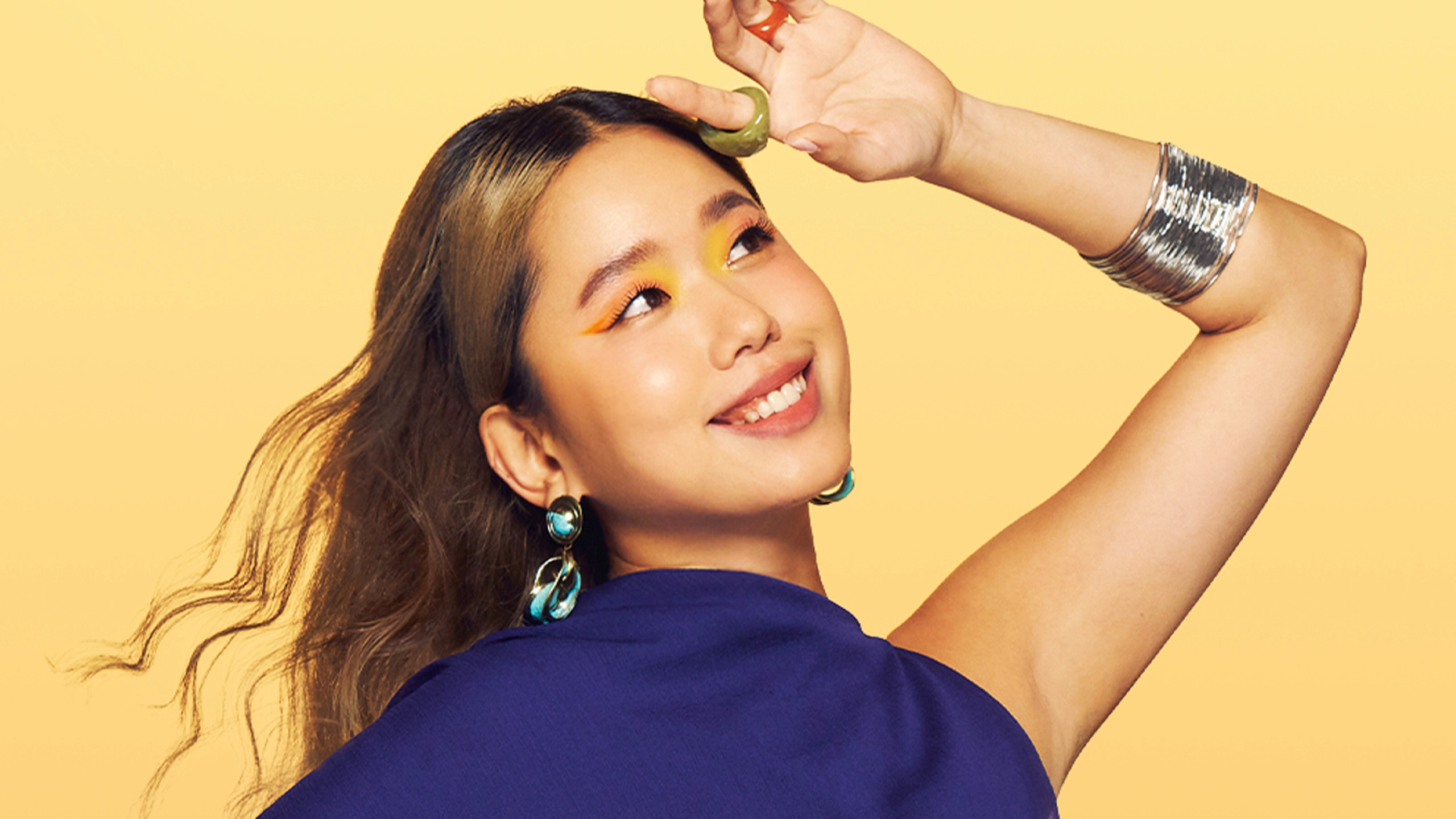
Truth be told, a lot of Filipinos don’t slather on sunscreen daily, and many think it is solely for the beach. Yet even when we’re island-hopping under the unforgiving tropical sun, we still think that the extra melanin our brown skin naturally holds gives us enough protection from both UV rays and a nasty red sunburn, which, quite simply, isn’t true.
“A lot of people still believe in these myths: that if you have darker skin, you don’t need sunscreen. Yes, if you have additional melanin, it can help with sunburn. But it doesn’t protect you from UV damage, hyperpigmentationHyperpigmentationDark spots or uneven patches that appear when skin produces excess melanin, often after sun exposure, acne, or irritation. It is especially common in morena skin, and treatment relies onGo to Hyperpigmentation Glossary, and skin damage overall,” Rachel Ang says.
Ang owns a digital marketing agency and is an avid traveler whose sojourns have taken her from our local beaches to across the globe, and is frequently out under the sun. She is also one of the three co-founders of The Sun People, a homegrown sunscreen brand, which she says is made especially for the Filipino. Ang says that they are on a mission to make sure that Filipinos not only apply sunscreen, but understand why and how they need to do so. “You have to wear it every day, you have to reapply. That is the proper usage of sunscreen,” she shares.
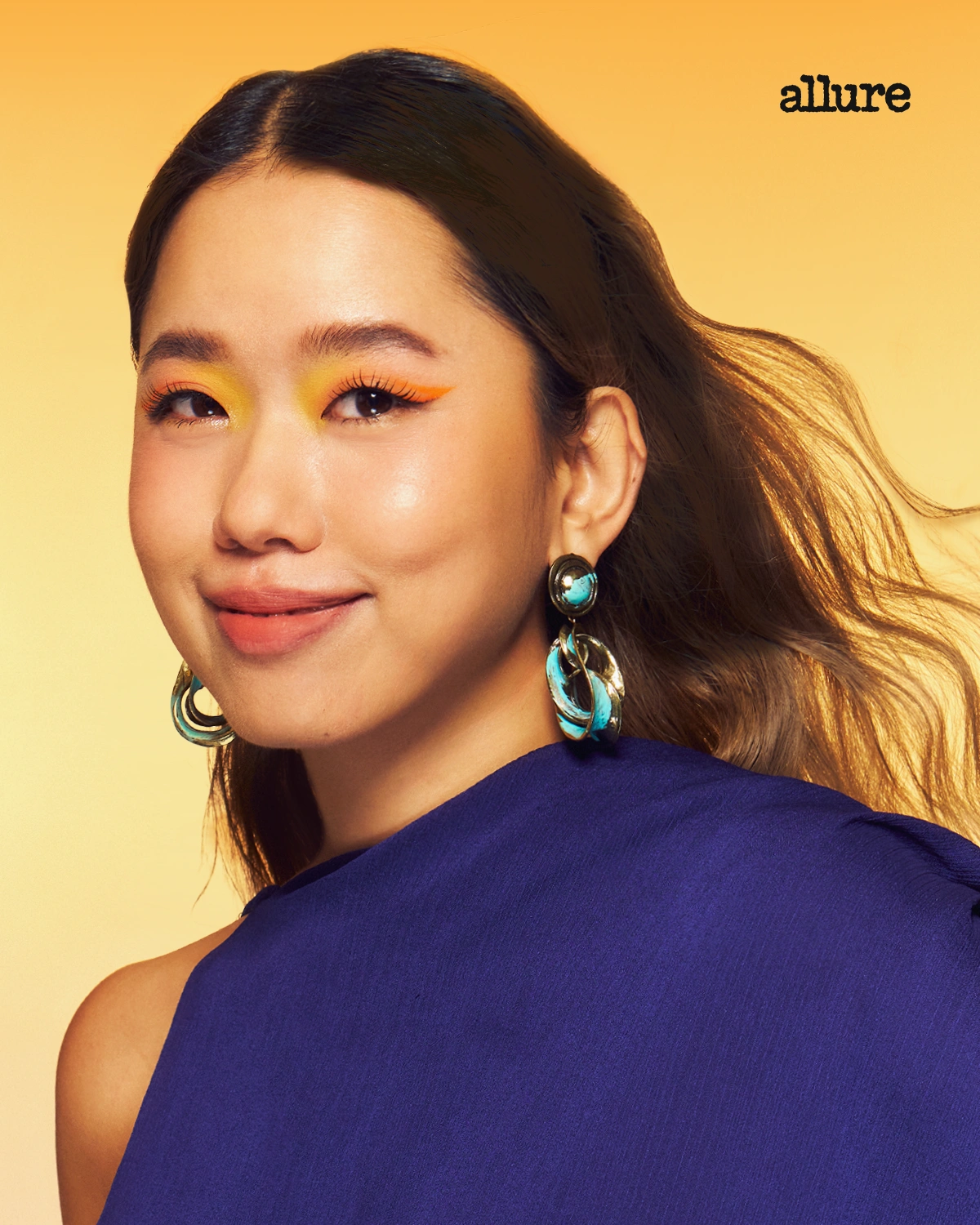
Grant Babia
But when most of the sunscreen options available on the market are too thick and sticky for our humid climate, leave skin with a white cast that is deeply unflattering for Filipinos’ natural golden glow, and are pretty heavy on the pocket, how can the ordinary Juan and Maria make sunscreen part of their daily routine?
It’s a question that Ang and her co-founders tackled when building the brand. “We wondered, ‘Why don’t we have good local sunscreen brands in the Philippines?’ We’re a tropical country and we need it the most, but we don’t have it,” she says. They listed all of their qualms with the available sunscreen options: textures that were too tacky or too sticky; the white cast left even by Asian brands; the fact that you need separate products for your face, for your body, for sports, for kids, and so on; the prohibitive costs; and the lack of reef-safe options in a country renowned for its diverse ocean life.
Ang, who describes herself as a “beauty girlie” (“Us founders, we’re all very skincare-savvy”), also had personal bones to pick with the existing options. She suffers from eczema and dermatitis, and tends to break out with certain products. “I noticed that when I go to the beach, I always break out. I feel it’s a mixture of the sun, heat, dust, and products that clogs my pores,” she shares. Other pain points included the stinging sensation that alcohol-based sunscreens caused on skin or eyes, as well as the sticky feeling brought on by sweat mixing with the sunscreen. “I really wanted to make sure that whatever it is that we’re releasing will not be like that,” she says.
Launched in 2025, The Sun People is a brand that was founded as the antithesis of everything Filipinos typically dislike about sunscreen. They are about hypoallergenic, paraben-free, lightweight formulas made for Philippine humidity, that are also reef-safe. Ang tells us about their two products, the Sun Seeker Face and Body Lotion and the Sun+Bug Shield Face and Body Sunscreen and Insect Repellant, which offer sun protection of SPF50+ PA++++ as well as skin benefits through ingredients such as aloe vera, oat extract, and centella asiatica. Both can also be used on both face and body, and are safe even for children aged six and above.
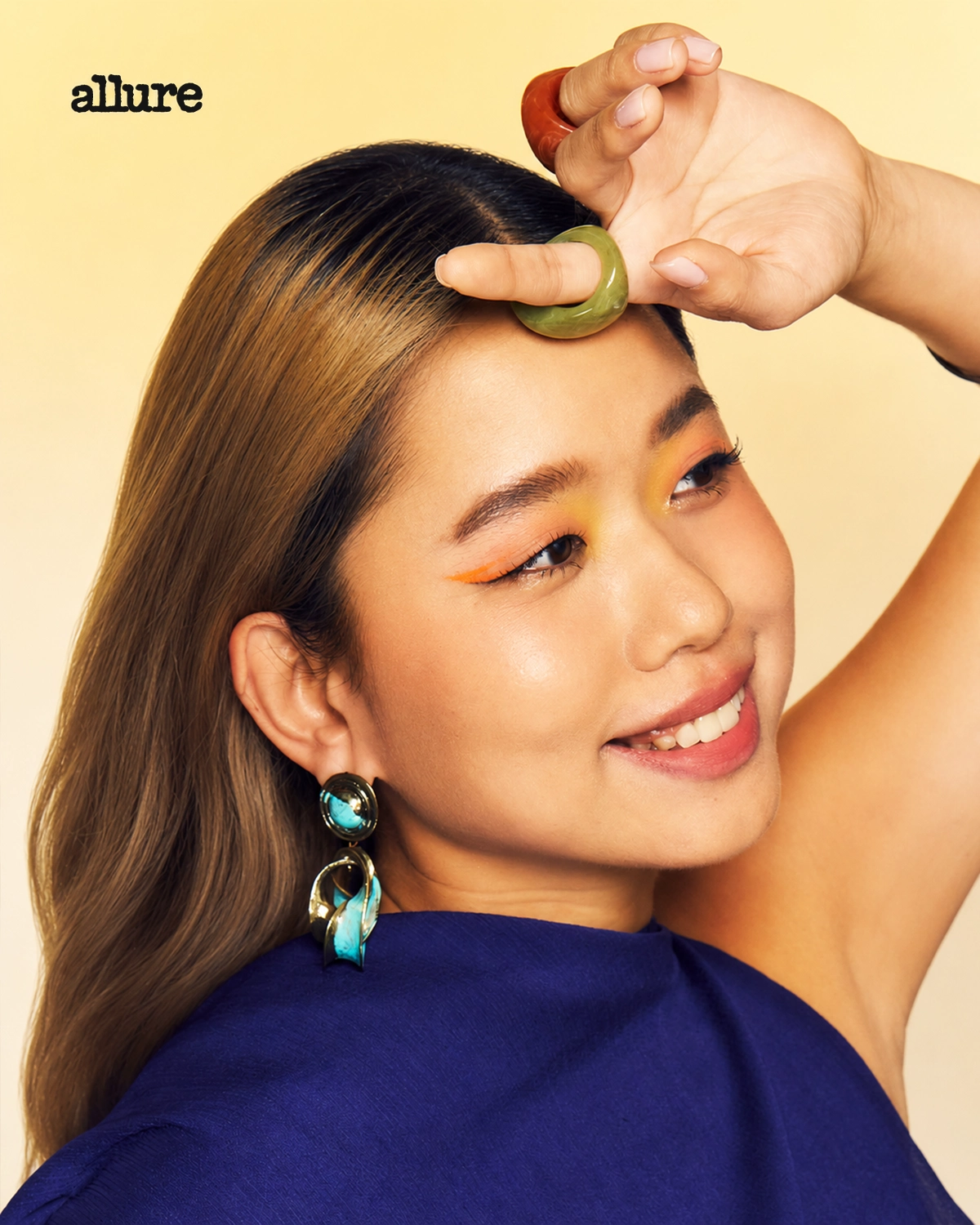
“Sun Seeker, which utilizes titanium dioxide, is our take on the typical sunscreen lotion, but made for our climate,” Ang explains. “The Sun+Bug Shield is our bestseller, a sunscreen and bug repellant in one.” A hybrid sunscreen which mixes zinc oxide with three chemical UV filters, it’s a one-of-a-kind product in the Philippines, Ang says, with an ingredient called BiteProtect that she shares is used in baby products in the United States and Europe. Unlike the popular mosquito-repelling ingredient citronella, Ang explains that BiteProtect can be used on the face. “One of our core values as a brand is that we solve problems that we have here in the Philippines, a tropical country with a lot of mosquitoes or sand mites in the islands. Usually, we use multiple products for that. So we asked, ‘Why don’t we combine it?’” she says.
Their products, which are currently all manufactured in the Philippines, are also reef-safe. “There’s no certification in the Philippines, but what we do is we follow the Hawaiian Reef-Safe Bill, which bans two different UV filters, octinoxate and oxybenzone, which bleach coral reefs. We don’t have those in our products,” Ang says.
One can argue that any beauty and skin care enthusiast worth their hyaluronic acid would know that our Asian neighbors Korea and Japan produce sunscreens that have gained cult followings worldwide. So why don’t we just turn to their offerings? Because, Ang reasons, their products just aren’t made for Filipinos and the Philippine climate. “It all boils down to a formula that is made to withstand humidity. If you’re piling on moisturizers or emollients, that is the cause of breakouts usually.”
There’s another reason why Ang feels that even other Asian sunscreens don’t necessarily suit us Filipinos, and it lies in the range of shades of our skin tone. “Filipino representation is just not apparent in other sunscreen brands,” Ang says matter-of-factly. “A lot of them still use white models. For us, we wanted to reframe that relationship with the sun. The reason why we’re the sun people is because we’re under the sun all the time.”
Images of the morena take center stage for The Sun People, mostly of local professional surfer Ikit Agudo, who hails from Siargao, and who Ang says is the embodiment of The Sun People: “someone who’s outdoors all the time and is not afraid to take ownership of being morena, of being Filipino.”
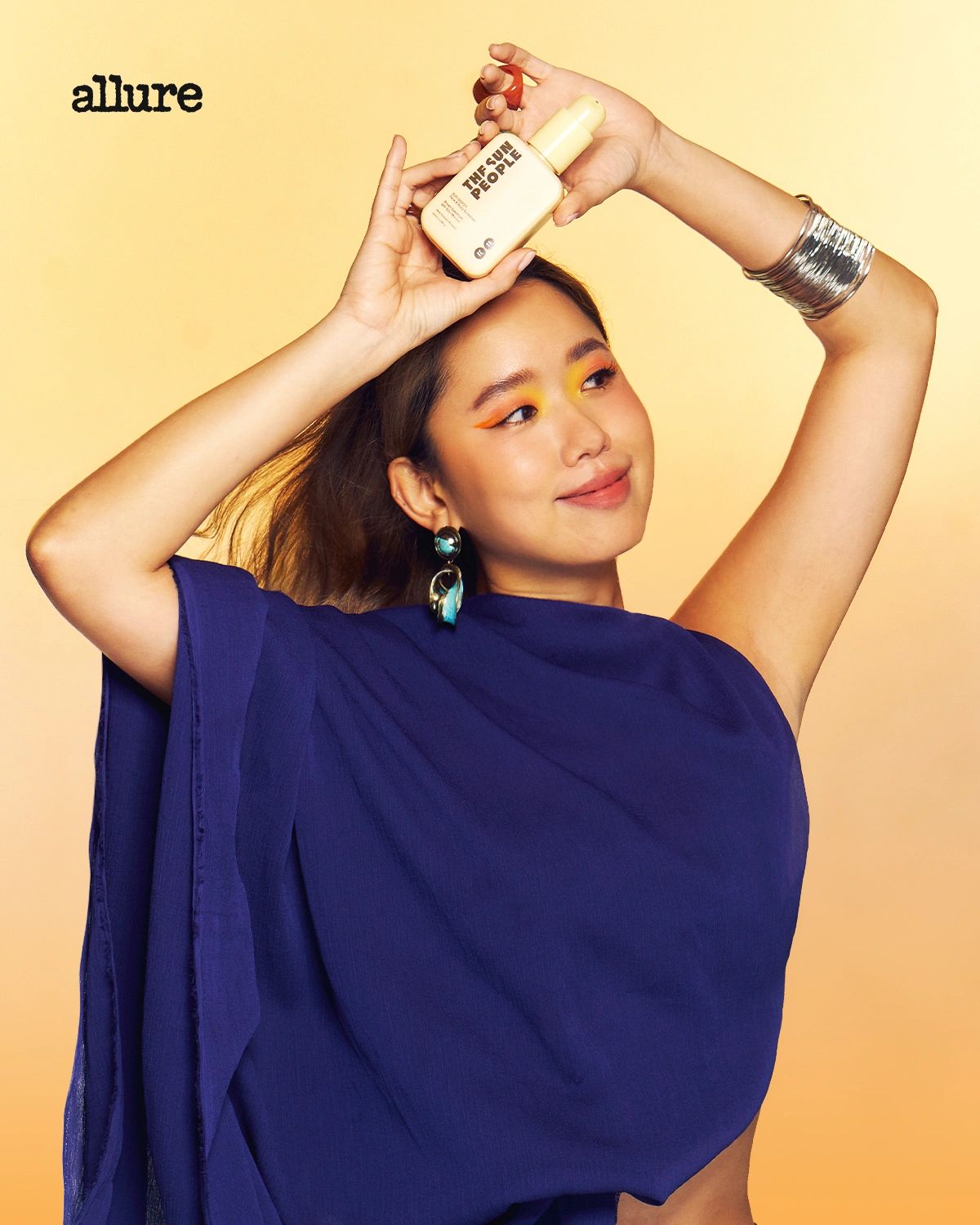
Grant Babia
“Ironically, we don’t necessarily like the sun as Filipinos. We’re always taught that you have to be whiter to be beautiful. I’m not morena, but even when I was younger, my parents instilled in me that you have to be white,” Ang says. She shares that even in pop-ups the brand does, people still look for whitening elements in their sunscreens, and points out that it’s not just in the west where white skin rules, but in Asian countries such as Korea and Japan as well.
Ang admits that today, mindsets are slowly opening, and people’s perspectives are beginning to change. “That’s also a big part of why we built this brand in the first place. Representation means a lot to us,” she says. Perhaps, truly learning to love and accept the many shades of the Filipino comes hand-in-hand with taking steps to protect the skin we’re in.
Photography by Grant Babia, assisted by Gabriel Olmillo and Onel Gesulga. Makeup by Angeline Dela Cruz. Hair by Aica Latay. Styling by Gee Jocson, assisted by Lyle Uy and Kassandra Gandionco. Art Direction and Beauty Direction by Mikiyo Ricamora.
Frequently Asked Questions
Yes. Rachel Ang of The Sun People notes that while extra melanin offers some protection against sunburn, it does not prevent UV damage, hyperpigmentation, or cumulative skin damage. Daily application with reapplication is recommended regardless of skin tone or time spent indoors.
The Sun People is a homegrown Philippine sunscreen brand launched in 2025 by three co-founders, including Rachel Ang. Its formulas are manufactured locally and built around tropical humidity, targeting the texture, white cast, and pricing complaints Filipinos commonly raise about existing sunscreen options.
Sun Seeker is a titanium dioxide lotion for face and body. Sun+Bug Shield is a hybrid formula pairing zinc oxide with three chemical UV filters plus BiteProtect, an insect-repelling ingredient usable on the face. Both offer SPF50+ PA++++ and suit children aged six and above.
The brand states its formulas exclude octinoxate and oxybenzone, the two UV filters restricted under Hawaii’s reef-safe legislation for their link to coral bleaching. Ang notes no reef-safe certification exists in the Philippines, so the claim follows the Hawaiian standard rather than a local one.
According to Ang, formulas developed for less humid climates rely on moisturizers and emollients that can clog pores in Philippine heat, triggering breakouts. She also points to the absence of morena representation in their marketing and campaign imagery.