
How Millennials Staged a Skin Care Revolution
Skin care wasn’t always about sharing routines and dissecting ingredients. Millennials changed the game. Contributing writer and certified millennial Anna Oposa tells us how.


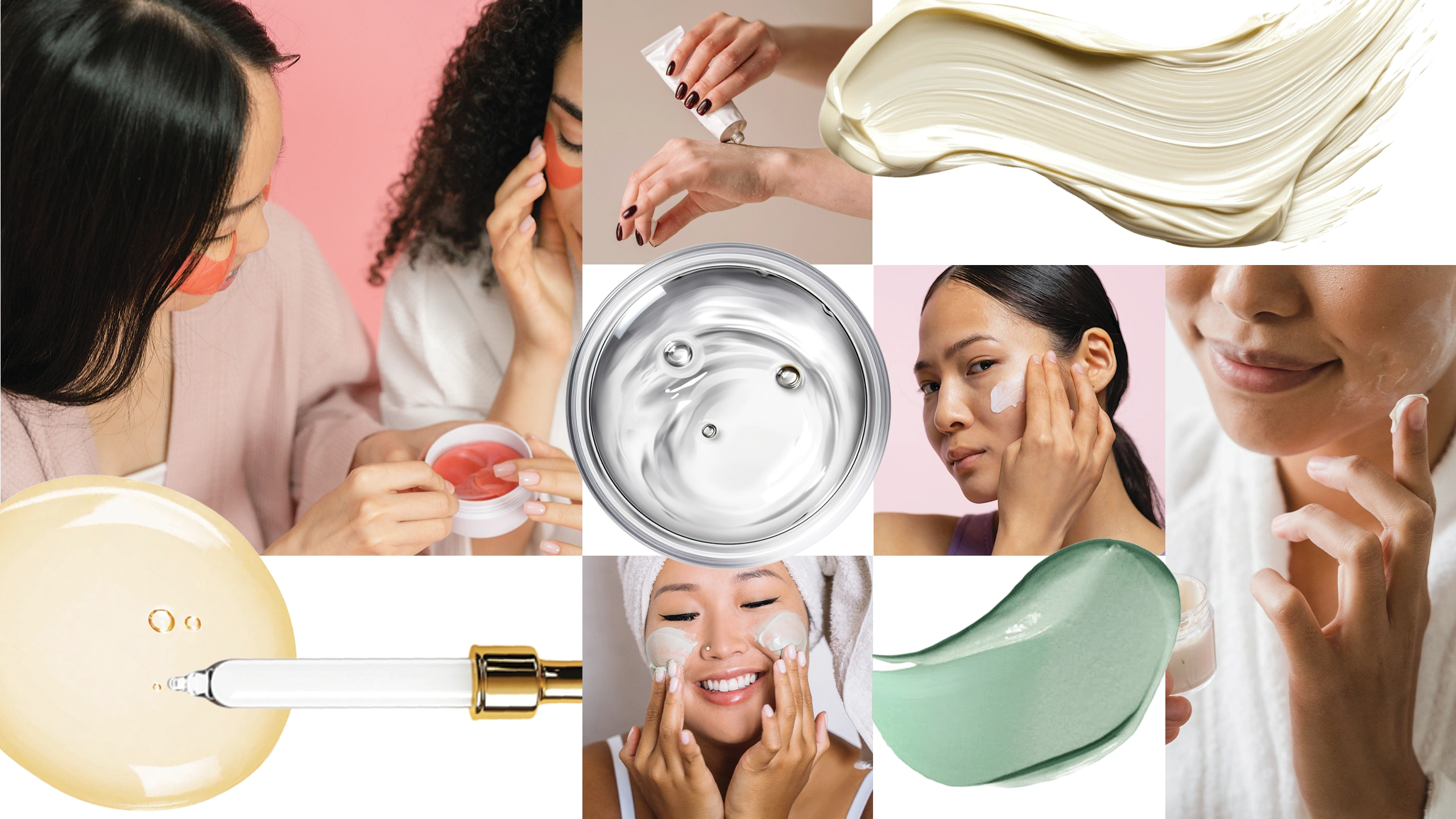
Two decades ago, a “skin care routine” most likely meant a bar of soap, a dab of moisturizer, and maybe sunscreen if you were going to the beach during Holy Week.
Then came the millennials, the generation born between 1981 and 1996, armed with smartphones, ingredient lists, and curiosity about what hyaluronic acid is and what it can do. For this generation, a skin care routine was no longer just about buying products but also about understanding what we were buying and learning how to build a daily routine.
For many millennials, they see skin care as part of self-care and less about vanity. Joseph Mansilla, a US-based Filipino lawyer, knows this shift intimately. He suffered from severe acne in high school. “My acne had such an impact on my mental health, especially during a time as tumultuous as puberty,” he says. He has maintained a meticulous skin care routine for years, describing it as a “calming, energizing, and fun activity” that also provides structure to his day.
How the Internet and Social Media Changed How Millennials Approach Skin Care
Pexels
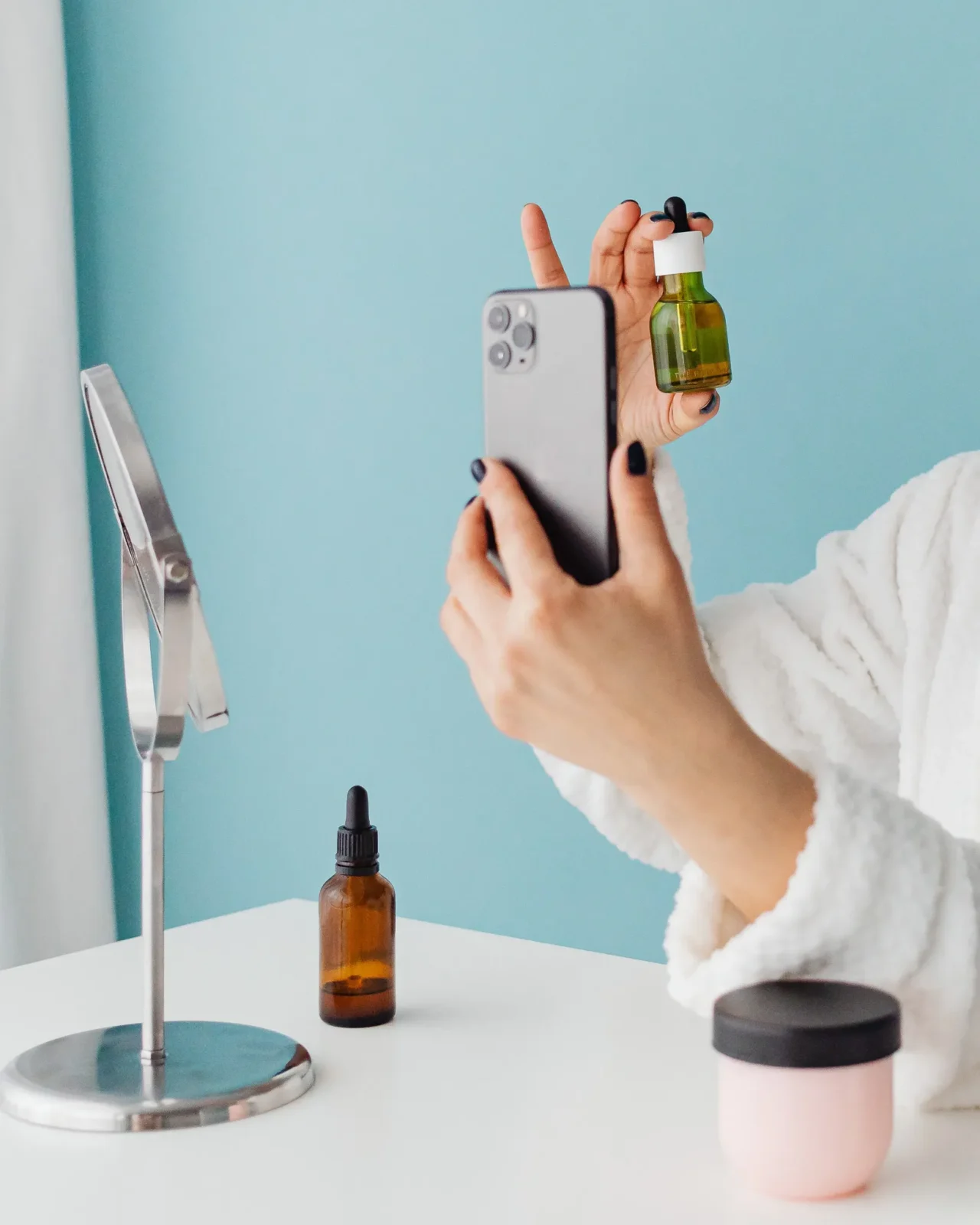
Unlike previous generations that relied on magazines and TV commercials, millennials also grew up with the internet and social media. “The exposure of millennials to the internet, particularly social media, increased their access to knowledge about skin care. The various methods of attaining good skin shared by others made better skin both doable and affordable,” observes board-certified dermatologist Chittina De Ocampo-Santiago, MD, FPDS, whose practice focuses on preventive care for healthy skin.
She adds: “The culture of openness created by social media also lowered the taboo on appearing vain.”
The popularity of the beauty website Into the Gloss (ITG), established in 2010, opened up a new kind of conversation about beauty. ITG co-founder Emily Weiss started the Top Shelf section, which popularized looking into bathrooms and beauty routines of celebrities and entrepreneurs.
Mansilla became obsessed with ITG. “Products, ingredients, formulas, user experience, claims, the entire skincare industry became ‘democratized,’ intriguing, and accessible,” says Mansilla. “It became possible to have a close connection to the brands and the products you apply on your skin every day—an emotional connection for such an inherently intimate activity.” Four years later, Weiss founded the beauty brand Glossier, which promoted a “skin first, makeup second” philosophy.
Then came the “Get Ready With Me” videos. Skin care became a spectator sport of sorts, allowing anyone to learn about products and ingredients, regardless of budget. This set the stage for diverse drugstore lines and “masstige” price points. Brands and skinfluencers encouraged people to read and know the ingredients. Ingredients like retinol and niacinamide quite literally entered the chat. The shift wasn’t without complications, though. Greater access to information also meant greater exposure to misinformation, trend cycles, and pressure to build increasingly elaborate routines.
Dr. De Ocampo-Santiago sees this informed approach as a helpful shift. “Millennials reference influencers or knowledge gained from Google when asking about what products I recommend. These references clue me in on the threshold of a patient for information,” shares Dr. De Ocampo-Santiago. “I find this participative planning more rational, as it allows millennials to have a sense of agency in caring for their skin.”
Sunnies Face, a local Filipino brand that started with makeup and expanded into skin care, has picked up on the same curiosity from customers. Co-founder and brand manager Jess Wilson highlights how customer feedback is a big part of their product development process. “We do testing, get opinions, listen to reviews, and pay attention to what people keep coming back to us for. That feedback helps guide what we develop next.”
What Is Ingredient Literacy and Why It Matters for Filipino Skin Care
Pexels
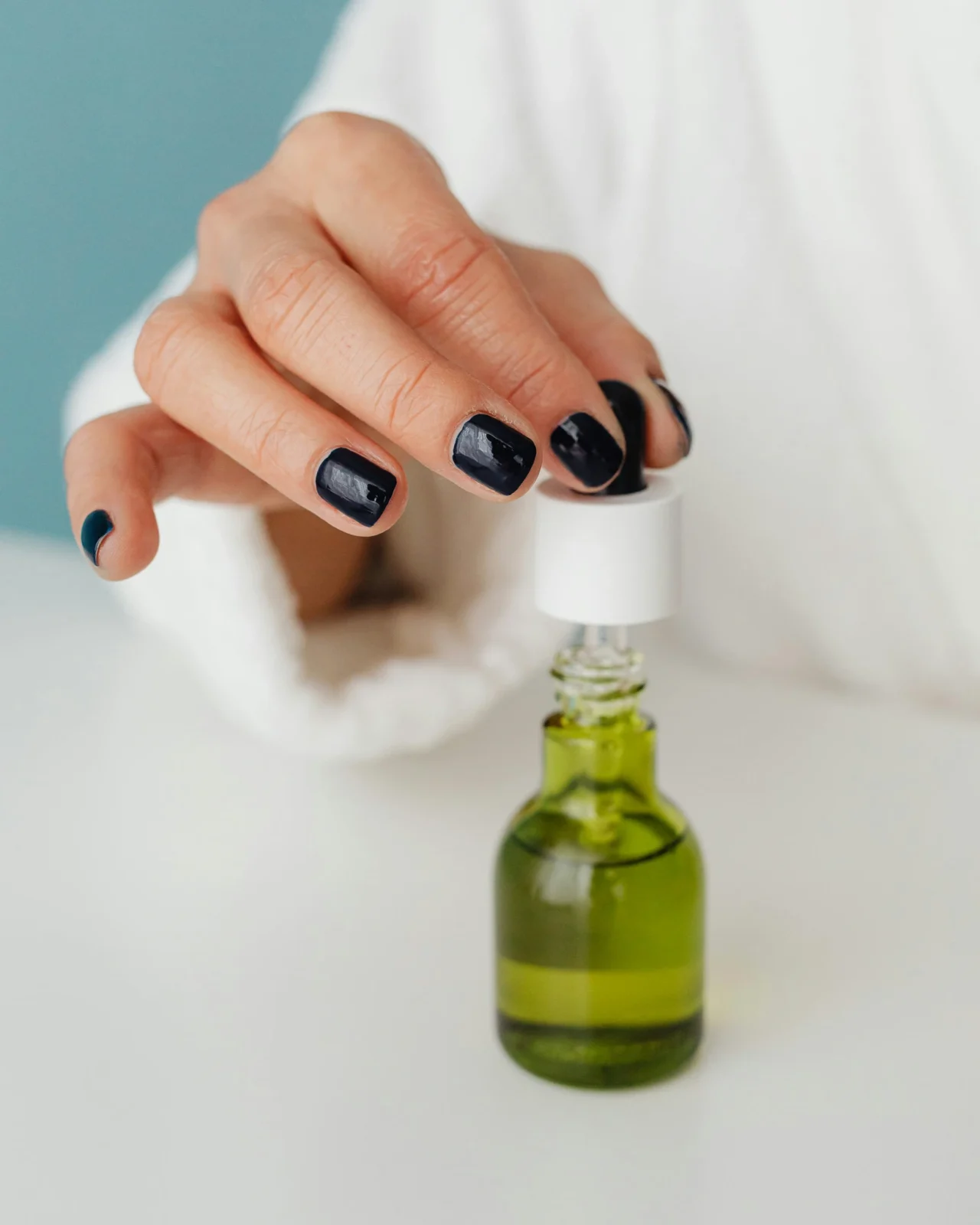
As ingredient literacy grew among consumers, brands had to become more transparent about what goes into their formulas. Wilson has seen that shift firsthand and it has shaped both product development and communication. “We wanted to focus on ingredients that are powerful, well-loved, backed by lots of research, and work for a wide range of skin types,” says Wilson. “Skin care can be confusing and overwhelming, so our goal is to be transparent without making it feel too technical.”
Mansilla is amused at how far he has come. “My high school self who hated chemistry would not recognize my current self who spots bis-ethylhexyloxyphenol methoxyphenyl triazine from an ingredient list as tinosorb S, an excellent UV filter. Because of my fixation with ingredients, I know which ones work well for my skin and certain concerns: niacinamide, azelaic acid, salicylic acid, just to name a few. But I also know now that the formulation often matters more.”
Dr. De Ocampo-Santiago uses a careful approach when patients bring up trendy ingredients. “I ask patients leading questions on specific outcomes they hope for. For example, if a 25-year-old asks if she should use retinol, I ask questions like ‘Why do you believe you should use retinol? What do you think retinol can do for your skin? What was the source of the recommendation to use retinol?’” explains Dr. De Ocampo-Santiago.
“Once the patient’s desired outcome is clear to me, I give my opinion on the product or the treatment’s usefulness and safety concerns.”
When it comes to balancing trends with efficacy, Wilson is clear: “We don’t choose ingredients just because they’re trending. Trends can be fun and can spark interest, but the ingredient has to make sense for our brand, the formula, and our customer’s routine.”
How Millennials Permanently Changed the Skin Care Industry
Pexels
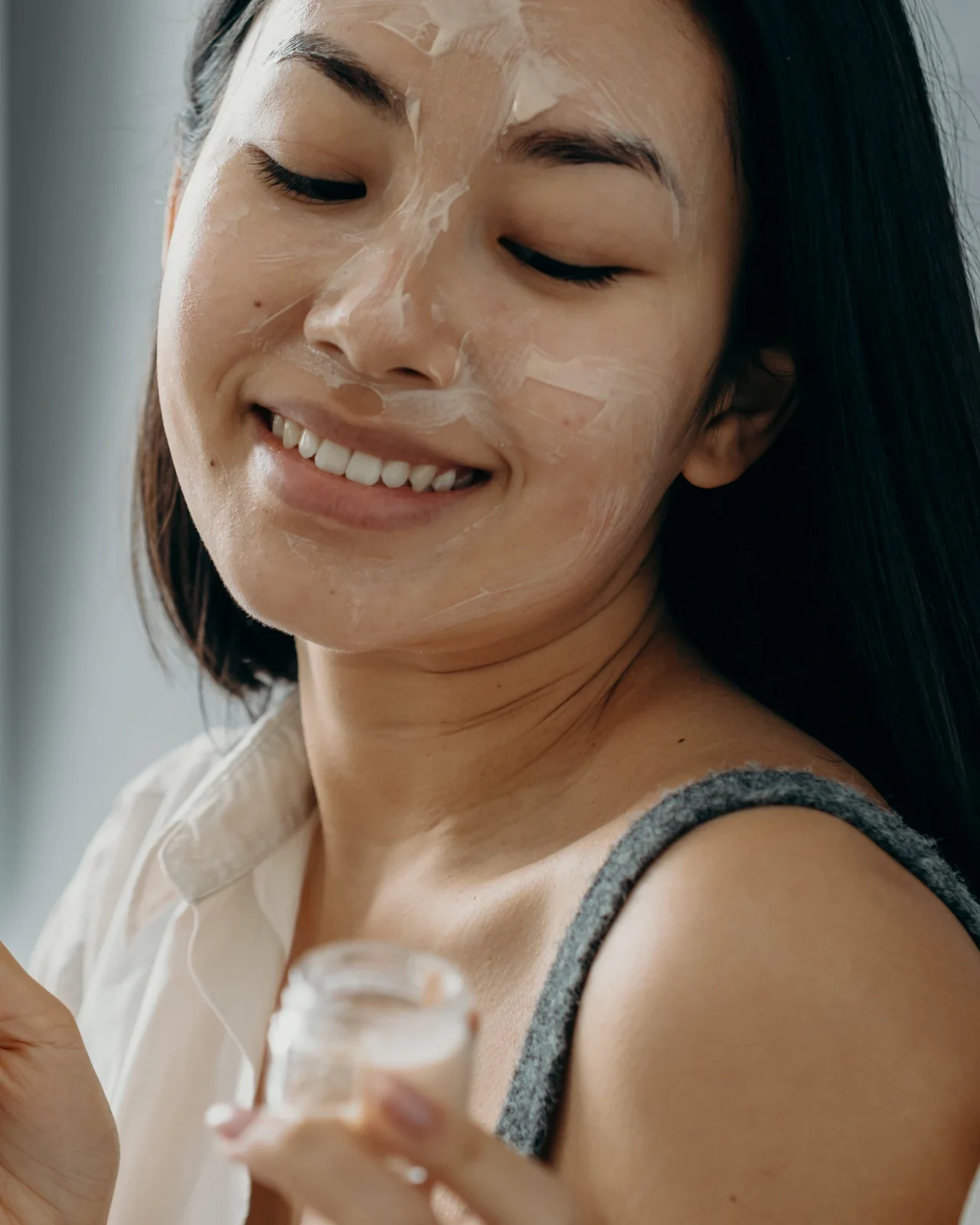
Long before Gen Z began documenting routines on TikTok, millennials had already normalized ingredient literacy, online beauty communities, and the idea that skin care deserved the same level of attention once reserved for makeup.
Today, millennials add products to the cart, but only after they read reviews and watch videos. They dab serum and moisturizer to nourish both skin and soul. Curiosity, consistency, and a refusal to see skin care as vanity have transformed the skin care industry.
The legacy millennials leave behind isn’t a particular ingredient or product category. It’s the expectation that consumers should understand what they’re putting on their skin, ask questions, and participate in the conversation. Whether that conversation happens in a dermatologist’s office, a group chat, or a comment section, it continues to shape how beauty is discussed today.
Frequently Asked Questions
Millennials shifted skin care from a basic hygiene habit into a practice driven by ingredient awareness, social media education, and self-care culture. Their demand for transparency reshaped how brands communicate formulations and how consumers evaluate products.
Ingredient literacy is the ability to read, understand, and evaluate what’s in a skin care product. It matters because it allows consumers to match ingredients — like niacinamide or retinol — to specific skin concerns, reducing the risk of irritation and improving long-term skin health.
Social media platforms democratized skin care knowledge by making expert-backed information, routine walkthroughs, and ingredient breakdowns available to anyone regardless of budget. “Get Ready With Me” content and beauty websites like Into the Gloss normalized learning about skin care publicly.
Dermatologists and skin care experts commonly recommend niacinamide, azelaic acid, and salicylic acid for Filipino skin concerns like acne, post-inflammatory hyperpigmentation, and sebum control — conditions prevalent in tropical humidity climates.
Filipino brands like Sunnies Face prioritize listing key active ingredients — including ceramides, vitamin C, and niacinamide — on product pages. Their development process incorporates customer feedback on ingredient sensitivity, making formulation transparency a core part of their brand positioning.