
I Just Bleached My Hair—Here’s How I Keep It Looking Good
A good, at-home maintenance routine is the secret to a brass-free blonde.


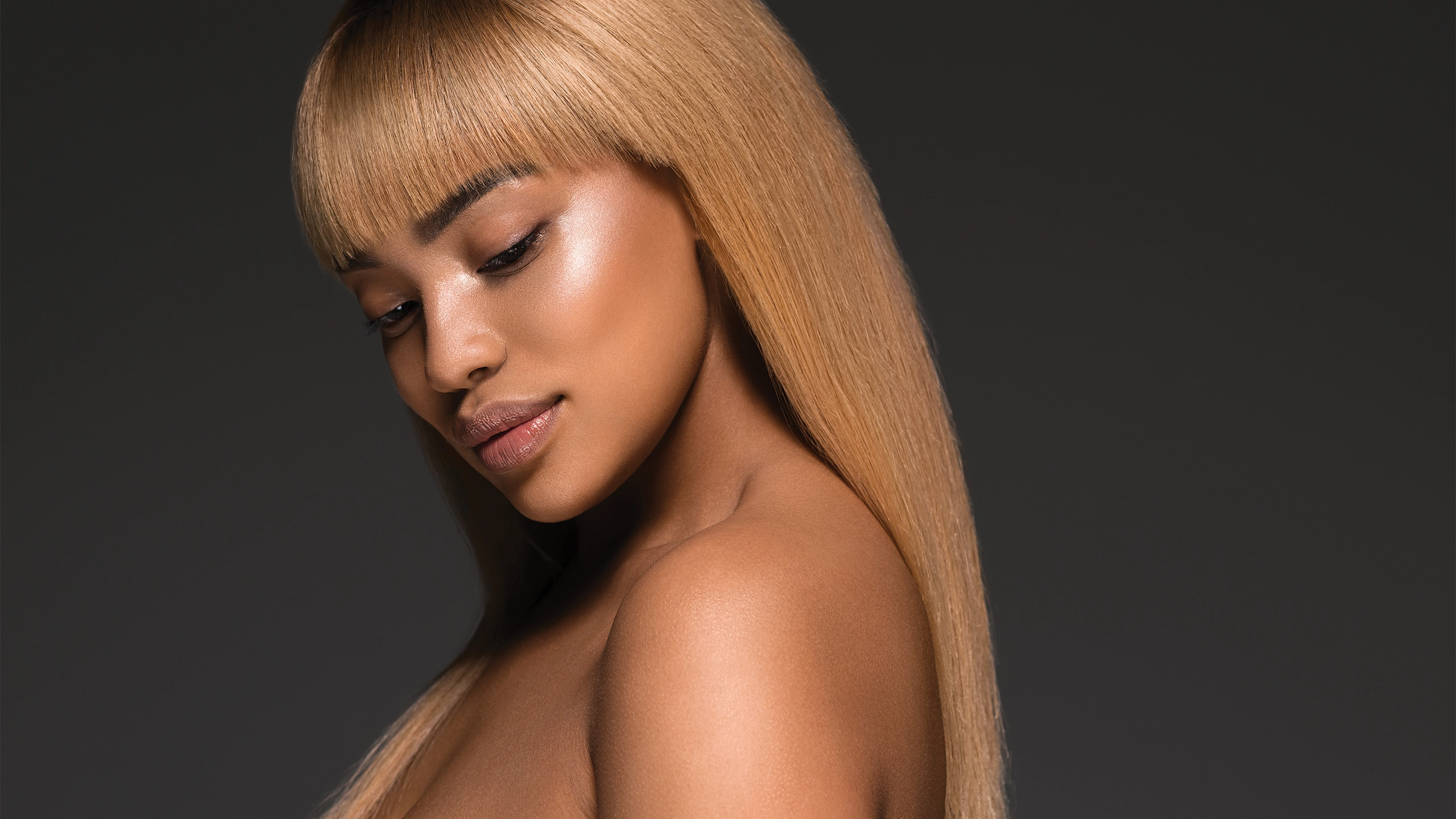
When I decided to bleach my brunette hair—for no other reason than wanting it—I knew that the blonde hair maintenance would be extensive. Now, I can say with my full chest that I’ve never been happier with my hair. Sure, my naturally raven-black hair color played a huge role in my signature, oftentimes moody look, but something about being a blonde bombshell à la Barbie captivated me, even though I was aware that this was no small task for me, my strands, or my colorist. Everyone warned me of the potential consequences—dryness! Hair fall-out! Thinning! But the true shocker from this entire process is how my hair survived relatively unscathed (…save for a few brittle ends).
Of course, I have my professional hair colorist Kylie Bussing (a true hair magician!) to thank for this, but I also attribute some of my hair’s success in its blonde era to my maintenance routine. Becoming a bottle blonde is not for minimalists: Sure, it’s an extensive process, but I’ll be damned if I let my nine-hour bleach-and-tone (and much more) session go to waste. If you’re jumping from dark brown hair to a blonde look, give some of my favorite color-friendly products a try to keep your strands looking as shiny and smooth as mine—not bragging, but my selfies speak for themselves.
During my weekly wash, I break out my purple shampoo as the first step of my routine. It’s a big change from my 3-washes-per-week schedule before I went blonde, mainly so I don’t mess with my hair’s tone and texture.
Welcome to Blonde 101
Purple shampoo is essential for minimizing warm tones and, therefore, brassiness. “Purple tones cancel out any unwanted brassy yellow tones and maintain brightness between highlighting appointments,” says Felicia Dosso, a colorist at New York City-based Nunzio Saviano Salon. I’ve had my hair tinted with a subtle balayage look before, so this isn’t my first rodeo with ultraviolet shampoos, but finding the right formula for a full head of cool-toned blonde (that cleanses my flake-prone scalp, no less) is totally different than finding one for a few caramel highlights.
I found the Davines Heart of Glass Silkening Shampoo, an indigo shampoo that pours out like syrup and provides the vibrancy-boosting cleanse my strands need to look and feel their best. Its deep blue-purple color comes from Jagua blue extract, a botanically-derived alternative to synthetic dyes, while gentle, moisturizing coconut-based surfactants power its deep-cleansing formula. But even if I pour with a heavy hand, its formula never dries out my brittleness-prone strands.
Since I have a lot of hair (thanks to the combination of my hispanic-arabic genetics) and even more dry shampoo buildup, I use quite a bit (about 3 grape-sized dollops’ worth) during my weekly wash and massage it onto my scalp, letting the formula sit for about a minute to give it enough time to tone down the brassiness.
You don’t need a purple conditioner, but if you want an extra tone-cooling treatment for your blonde hair, it certainly helps to have one. The Davines Heart of Glass Rich Conditioner has the same blueish tint from Jagua blue extract, just like its matching shampoo, to boost the vibrancy of your color while neutralizing brassy pigments. I squeeze out the excess water in my hair and leave this hyper-moisturizing conditioner on for five minutes, letting my strands soak up its baobab extract-fueled formula. This key ingredient seals in moisture and contains antioxidantsAntioxidantsIngredients such as vitamin E, green tea, and resveratrol that help neutralize free radicals from UV rays and pollution. Layered under sunscreen, antioxidants support brighter, more resilient skin, which makesGo to Antioxidants Glossary to boost color vibrancy, shine, and softness. While the extract softens and plumps each strand, Davines’s Biacidic Bond Complex, a composition of maleic acid and antioxidant liposol maleate, helps seal the cuticle along broken areas of the hair shaft, leaving my hair with a silky-smooth texture the moment I rinse it out.
My blow dry blueprint
One of the biggest pain points in my post-bleach hair-care routine is dryness. Even before the bleach, my hair had a dry, fragile texture—and putting it through a time-intensive bleaching process inevitably exacerbated the issue. So, moisturizing hair products are essential, especially if I need to prep my hair for usual heat styling.
Just like my hair, my scalp is dry and, therefore, frequently flaky. It’s been an issue even when my hair was 100% virgin, and the blonde has actually been a saving grace in disguising it (flaky-headed readers, take note). I’m a firm believer in healthy, shiny hair starting at the scalp (the follicles live there, after all), so I make sure to moisturize it with a scalp treatment.
For good measure, I mist a heat protector spray all over my hair before reaching for my dryer to protect my hair against heat.
My beauty sleep prep
To give my hair a break from heat, I only rough-dry my hair after washing it (since that’s usually at night, and I certainly don’t want to sleep with wet hair) and save any further heat styling for the morning. Even after my pre-heat products, my lengths and ends can feel quite crispy even though I use the lowest heat and speed settings—yet again, a big difference from my pre-bleach days when I’d dry my hair with reckless abandon at the highest temp.
To soften ‘em up after my rough-dry, I slather on a hefty dose of Amika’s Superfruit Star Lightweight Hair Styling Oil—don’t worry, a light hand isn’t needed with this fast-drying formula. I’m in love with this hair oil because it’s one of the few that softens my hair rather than sitting on top of it like a greasy film. That’s all due to the oil’s key ingredient, sea buckthorn oil, a weightless conditioner Amika uses in all of its formulas that makes hair smooth to the touch and as reflective as glass. Its weightless formula smooths out all of my frizz, flyaways, and brittleness so I can give less Garth from Wayne’s World and more 90s-runway-model with my hair.
Here’s a tip for your beauty sleep routine: your cotton-based pillowcases most likely causes hair breakage, so do your strands a favor and upgrade to some silk pillowcases. Rex Jimieson, a colorist at Maxine Salon in Chicago, says that using a silk pillowcase or scarf reduces friction on the hair. “Friction is one of the leading causes of manual damage,” he says, which leads to split ends and breakage, especially on already breakage-prone, color-treated hair like mine.
All of my pillowcases are either silk- or satin-based, but I like to take my breakage protection one level higher since my hair is frizz-prone.
My morning routine
Once I’m ready to style, I apply just one more heat protectant. Then, I’ll wrap up my heat styling and break out my thermal brush (my favorite is the Amika Blowout Babe, in case you’re wondering) to create an easy-peasy blowout.
Once I’m done styling, I like to spritz my hair with a medium hold hairspray to prolong my blowout and add a touch of volume to my roots. It holds the shape of my style in place without leaving a crunchy, tacky feeling behind, which is actually pretty important for a blonde like myself that’s trying to keep hair wash days to an absolute minimum. I spray it with a light hand on my ends and roots, et voila: polished, vibrant blonde hair.
That’s also why you should never take it upon yourself to bleach your hair. “I use the analogy that brunette-to-black hair and blonde hair live on opposite sides of the world,” says Bussing. “It’s essentially a very long and cumbersome journey, rather than a quick road trip.” If you rush this process, she says you run the risk of severely damaging your hair, “pushing it past the limits of what’s possible, and never arriving at your destination.”
What should you expect when going from brunette to blonde?
First, expect to sit for hours in the salon chair (or come back for multiple sessions) and a pricey bill. It’s really important to keep this in mind, especially the latter, as going from brunette to blonde is not cheap.
Depending on the length, texture, and current color of your hair, you could be looking at 10 hours’ worth of processing either in one sitting (like I did) or over multiple sessions. “A transformation like this is essentially like climbing Mount Everest: It takes lots of time, it is a financial investment, and requires lots of at-home maintenance,” says Bussing.
Another non-negotiable for a brass-free blonde is purple shampoo, which cancels out yellow tones for a brighter, cooler-toned finish. “The more lavender the formula, the gentler it is,” says Hill, who adds that you can mix your purple shampoo with a regular one if you’re a warm-toned blonde in need of a more diluted pigment. Bussing recommends using a purple-toned shampoo (or conditioner!) every third wash to keep unwanted warmth down without taking your hair to silver-toned levels or staining it with purple pigment (which will wash out if it happens, by the way, but can take a few days to fully dissipate).
According to Bussing, you’ll also want to keep heat-styling to a minimum to avoid drying out your hair, which can lead to a brittle texture and breakage if over-done. If you are using your hair tools, always remember to use heat protection in order to minimize the negative effects of their heat. “Scheduling a hair gloss every six to eight weeks is a great way to maintain the tone of your blonde and add shine and reflection back into the hair,” adds Bussing.
Originally published by Allure US.
Frequently Asked Questions
Bleaching lifts pigment from the hair shaft, leaving behind warm yellow undertones. Purple shampoo deposits violet pigment that cancels out brassiness through color-wheel neutralization, maintaining a cooler, brighter blonde tone between salon appointments. Colorists recommend using it every third wash to avoid over-toning.
Most colorists recommend reducing wash frequency after bleaching — often to once or twice a week — to protect the hair’s tone and moisture levels. Frequent washing strips both color and natural oils from an already-compromised hair shaft, accelerating brassiness and increasing dryness and brittleness.
Yes. Silk and satin pillowcases reduce friction against the hair shaft overnight. Since bleached hair is structurally weaker — with a more porous, brittle cuticle — minimizing mechanical friction from rough cotton fabrics can reduce split ends and breakage in color-treated strands.
Bleached hair has a lifted cuticle and reduced internal protein structure, making it more vulnerable to heat damage. Colorists recommend applying a heat protectant spray before rough-drying and again before any direct heat styling. Using the lowest effective temperature settings further reduces moisture loss and breakage risk.
Depending on hair length, texture, and starting color depth, a full brunette-to-blonde transformation can take anywhere from eight to ten hours in a single salon session — or multiple appointments spread over weeks. Colorists caution against rushing the process, as over-processing can push hair past its structural limits and cause irreversible breakage.
Latest Stories


You might also like
To provide a customized ad experience, we need to know if you are of legal age in your region.
By making a selection, you agree to our Terms & Conditions.