The Golden Gays of Manila on the Beauty of Aging, Finding a Community, and Redefining Wellness
How does one find the beauty in growing older? For this tight-knit community of Filipino senior citizen gays, it begins with simply being together.


For many, time is the enemy. But more than the clock ticking, the fear is in what it quietly takes away—youth, certainty, relevance, social connection. For women, it is heightened by an incessant pressure, a race against their own body as they try to build a life and enter motherhood. For younger generations, it is often measured in milestones: success by 25, stability by 30, and so on.
But beneath these timelines is a fear that cuts across all generations and gender. What happens when time moves forward, and you find yourself alone in it?
For Ramon Busa, the president of the Golden Gays of Manila, who at 75 still carries an infectious energy, a cheerful cadence in his talking, and a zest for life, aging is not a problem as long as you have your chosen family. He traces back the roots of their community with Allure Philippines.
The making of the Golden Gays Manila
Courtesy of subject
The Golden Gays of Manila is a non-profit organization that was founded in the 1970s by the late councilor Justo Justo, who witnessed older indigent gay men abandoned on the streets of Pasay, sleeping under cars, on cardboard boxes, and on park benches, often because they had been rejected by their families.
Moved by their plight, he established a “kanlungan,” a safe home that would provide shelter, love, and a sense of belonging. “The main thrust of our organization is to provide a sanctuary,” Busa says. “We are about love and creating a home for our members, so that the community can grow.”
After Justo’s passing in 2012, Busa, who was Justo’s close friend, took over leadership and the duty of carrying forward the mission of providing support and dignity for the aging “lolas.” “Because we have a home for the aged, for men and women, but for LGBT members, there’s none” he says. In the absence of formal care systems, the Golden Gays of Manila with their 17 active members created their own structure of survival.
Professor Marc Eric Reyes, PhD, RPsy, RPM, who specializes in queer and gender psychology and currently teaches at the University of Santo Tomas, proudly calls himself a “Golden Gay” at 56. He explains that older adults in the LGBTQ+ community often face compounded invisibility. As ageism intersects with societal bias, unique challenges arise for mental and emotional health. Support from family and friends and finding a home, he notes, are important.
Performance meets belonging
Courtesy of subject
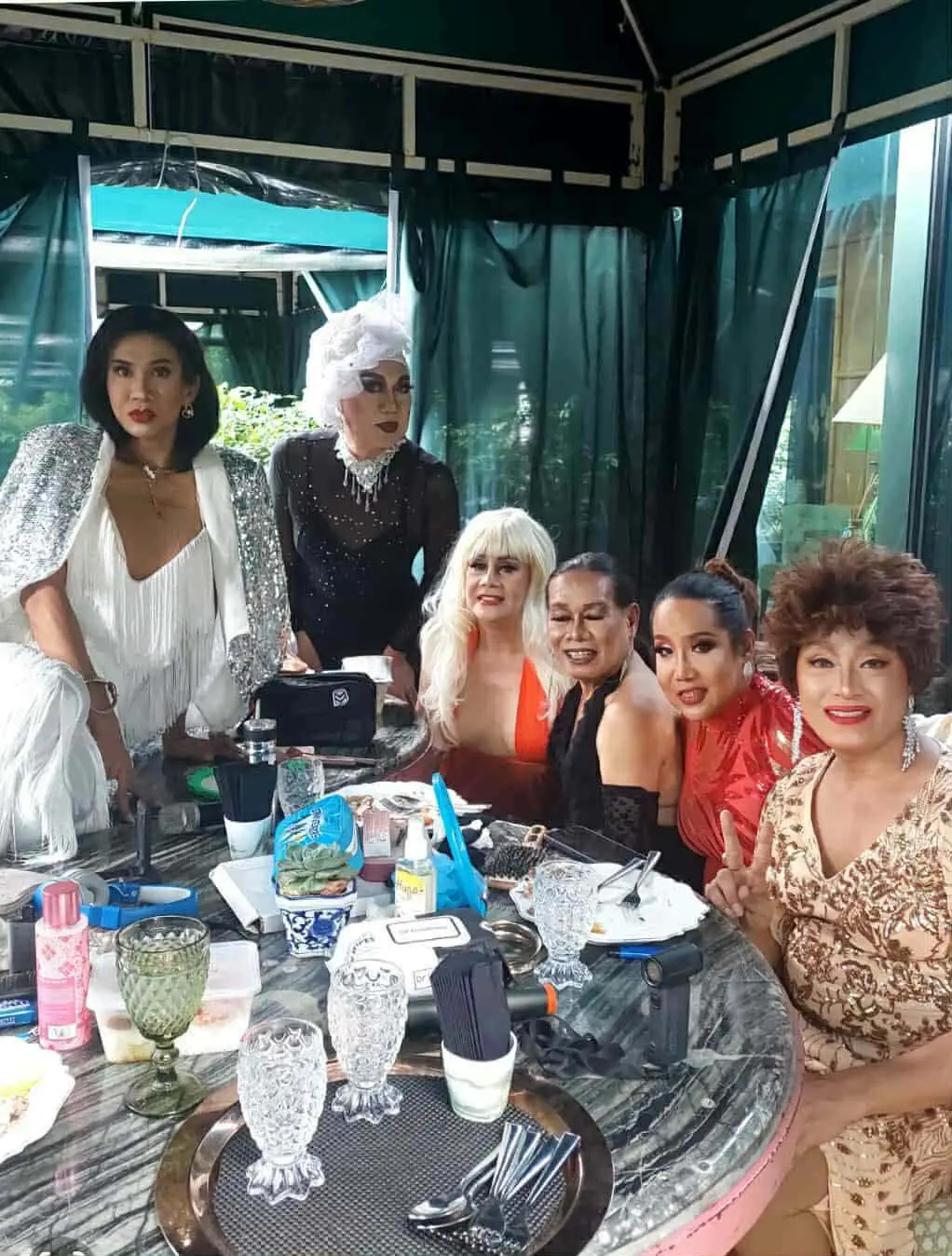
While many of these lolas are no longer able to find work, they have cultivated remarkable talents as performers, makeup artists, cooks, and stand-up comedians. Their artistry is both entertainment and a source of pride and joy. Rehearsals double as workouts. Dancing, singing, and performing keep them active, relieve stress, and make them feel young. “Feeling bata, kasi nga passion talaga natin mag-perform kahit yung pinakamatanda sa’min, si Lola Al Enriquez at [age] 88, masigla pa,” Busa adds.
But while the lolas keep themselves active, access to healthcare remains inconsistent, especially as they navigate shifting support systems. Busa says they used to go to Pasay General Hospital for assistance, but long queues and the cost of branded medication continue to pose challenges for the lolas.
Ever resilient and optimistic, Busa proudly says the lolas look out for each other. “Kaya bawal magkasakit,” he continues. “We religiously follow what’s good for all of us,” citing the lolas’ habits of sleeping early, eating vegetables and fish more regularly than red meat, and even walking together in the morning because they believe sweating can release toxins and stress. They also hold strong opinions on some beauty trends. “We never patronize the trends, ‘yang mga ini-inject, mga gluta—never!” he exclaims.
Aging with pride
Courtesy of subject
For them, beauty and wellness are not just about looking good, but doing good. “If you’re a member of the LGBT community, it’s easier to adjust,” Busa says. “You can make your own kind of fun and help make people smile.”
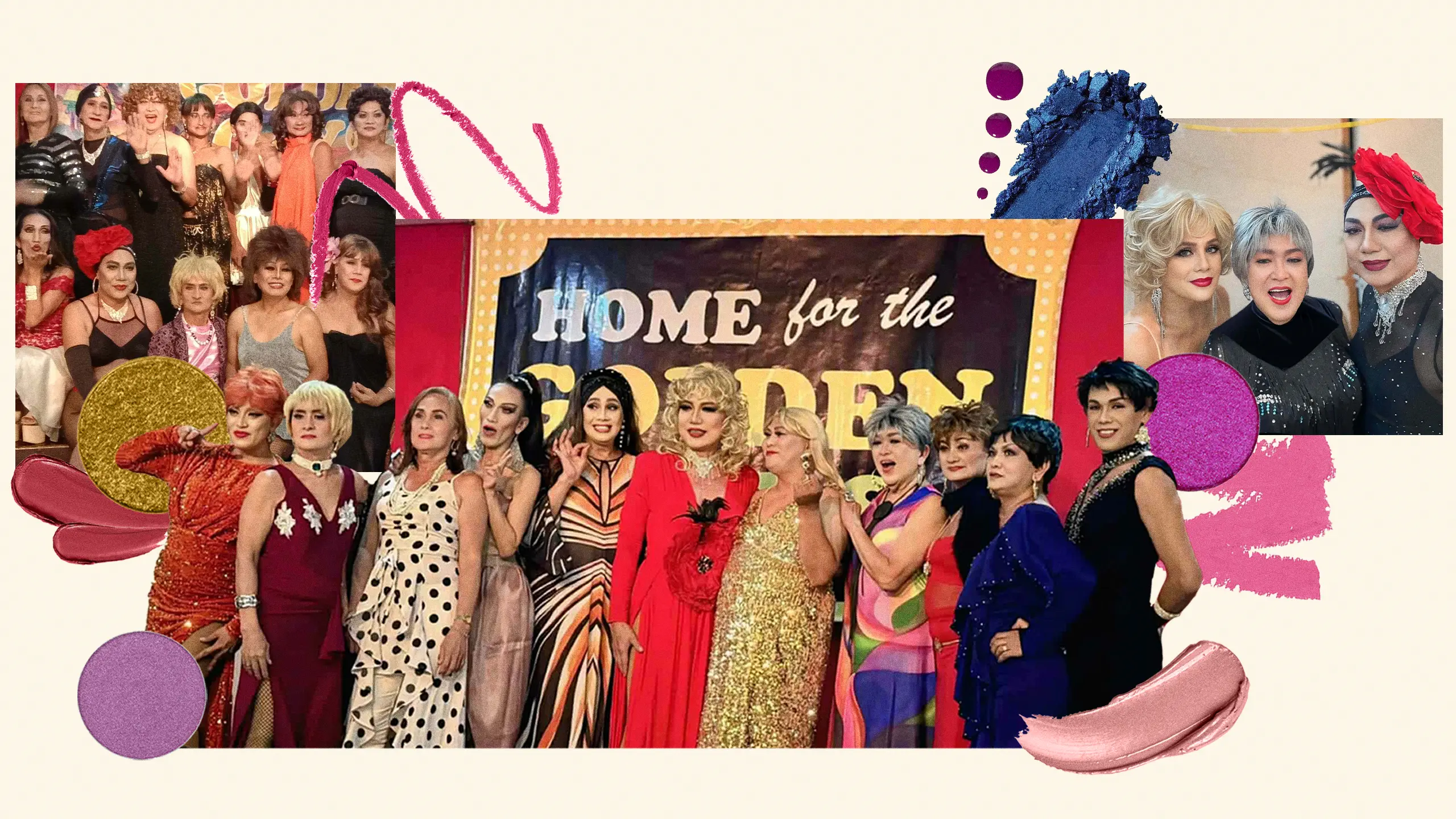
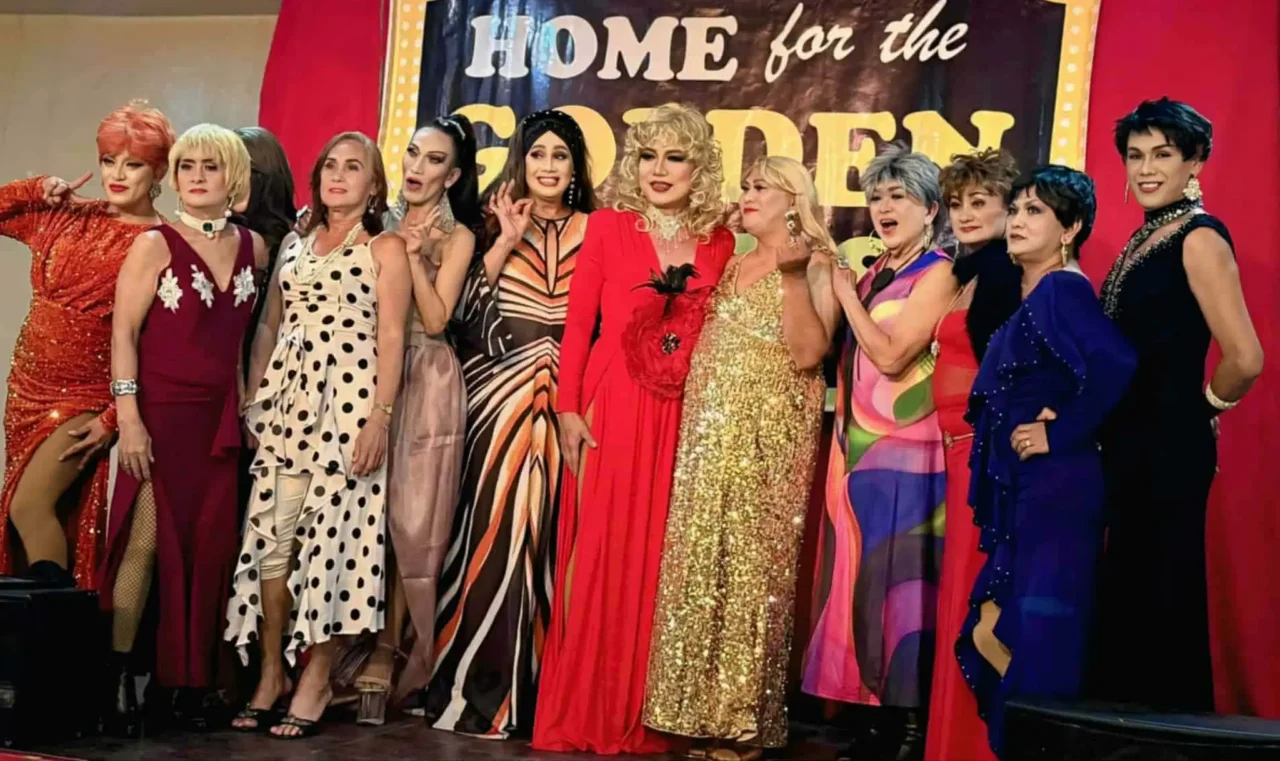
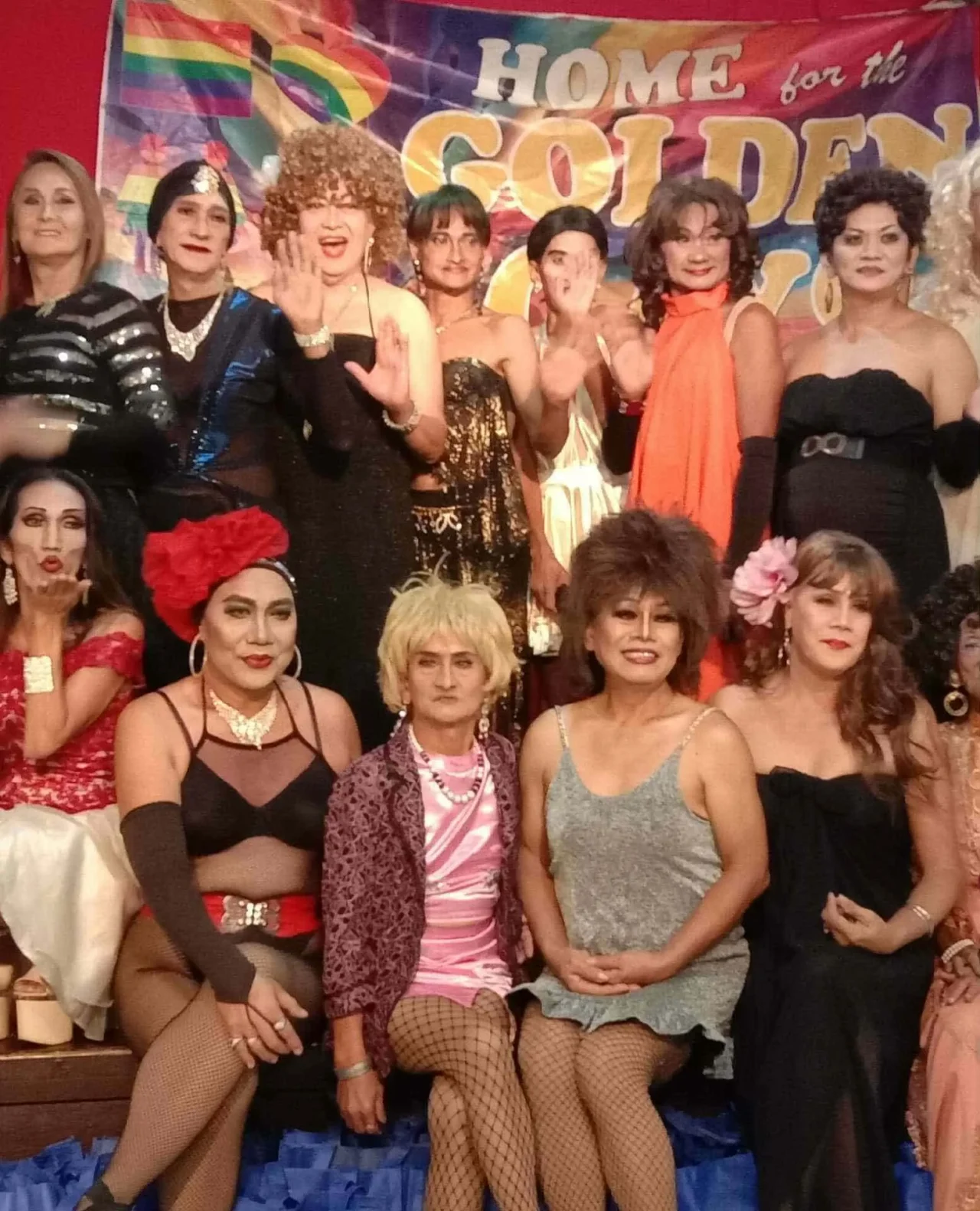
Nowadays, they are invited to corporate events, private gatherings, and programs where they perform for around two hours, taking turns strutting in their most glamorous looks, donning big lashes, colorful feathered dresses, and bright red lips. Through their performances, they get paid with grocery items and cash that they use to pay the rent in their current home in Tipas, Taguig, after moving from their long-time apartment on Antipolo Street in Pasay.
When asked what makes the lolas smile today, Busa answers simply: “We don’t consider death an issue. We enjoy our existence and maximize the life the Lord gave us.”
Looking back, Busa believes their story is not just one of survival, it is resistance. The Golden Gays live unapologetically every day, showing that growing older is not so bad after all. For them, aging is not about decline. It is about claiming a place in the world, a space to shine, perform, and celebrate life—sometimes in heels, sometimes in wigs, but always together.
Frequently Asked Questions:
The Golden Gays of Manila is a non-profit organization founded in the 1970s by the late councilor Justo Justo in Pasay City. It was established to provide shelter, dignity, and a sense of belonging — a “kanlungan” — for older indigent gay men who had been rejected by their families and left without support. Today, with 17 active members led by president Ramon Busa, it operates as a chosen family structure for aging LGBTQ+ Filipinos, sustaining itself through performances at corporate and private events.
Ramon Busa, 75, is the president of the Golden Gays of Manila and a close friend of founder Justo Justo. After Justo’s passing in 2012, Busa assumed leadership and the responsibility of continuing the organization’s mission of providing care, community, and dignity for its aging members — known affectionately as the “lolas.”
In the absence of reliable institutional healthcare, the Golden Gays of Manila have built their own community wellness practices: sleeping early, eating vegetables and fish over red meat, and walking together each morning. Collective accountability is central — Busa’s guiding principle is that falling ill is not an option (“bawal magkasakit”), and mutual care among members substitutes for formal support systems. They also reject injectable beauty treatments and glutathione products in favor of natural approaches to health.
According to Dr. Marc Eric Reyes, PhD, RPsy, RPM — a psychology professor at the University of Santo Tomas — older LGBTQ+ adults face compounded invisibility where ageism and societal bias intersect, creating distinct risks for mental and emotional wellbeing. Support from chosen family and having a stable home are among the most important protective factors, as formal care systems in the Philippines do not address the specific needs of aging LGBTQ+ individuals.
The Golden Gays of Manila represent a model of aging rooted in chosen family, mutual care, and continued self-expression rather than decline or withdrawal. For its members, growing older is about claiming a place in the world — performing, creating, and celebrating life together. Ramon Busa describes their story not only as survival but as active resistance: living unapologetically in a society that often renders older LGBTQ+ Filipinos invisible.