


In my organization, I am one of three women in an executive team of nine. This gender balance is typical of leadership teams in the country. On average, around 4 out of every 10 senior management positions in mid-size firms are occupied by women, according to the 2025 Grant Thornton Women in Business survey.
Remarkably, the Philippines stands out as an outlier in this international survey—with a top-ranking 40 percent for the past eleven years, since the survey began in 2004. At that time, the global average was only 19 percent—less than half of the Philippine figure—before rising slowly to 34 percent by 2025, with the other countries catching up. For example, Japan, the bottom outlier in this survey, has more than doubled its percentage from 8 percent in 2004 to 18 percent in 2025.
The Filipina as a leader
This begs the question: What makes the Philippines a top outlier? The 2024 Grant Thornton Women in Business report noted that this appears to be the result of deeply-engrained cultural attitudes. It cited a 2020 research study by the International Labour Organization, which reported that 84 percent of enterprises in the Philippines agreed that gender diversity initiatives enhanced business outcomes, significantly higher than enterprises in Asia and the Pacific.
We can venture further and point to engrained cultural attitudes that root way back to our pre-colonial past. As Philippine Commission on Women (PCW) Chairperson Ermelita V. Valdeavilla reminds us: “Long before ‘gender equality’ became part of policy language, women in our communities were already shaping the course of society. We had the Babaylan, women who were healers, leaders, knowledge keepers, and bridge- builders between the physical and spiritual, the personal and the political. It was the norm for women to hold authority in governance, in health, in management of environment and community life.”
In modern times, we see this reflected in our companies and organizations, with Filipinas occupying leadership positions generally taken for granted. While I agree that this is something to be celebrated, there is also a need to dig deeper and actively contend with the common assumption—largely unspoken and predominantly, but not exclusively, held by men—that this renders gender equality a “non-issue”.

A closer look at today’s reality
The full picture disputes this definitively—for one, the surveys show that when zoning in on top leadership roles (CEOs and managing directors), the percentage of women falls well below parity, with a global average of 22 percent in 2025. This is also seen in the Philippines, with women making up only 13 percent of CEOs and 21 percent of board of directors in publicly-listed companies, according to a 2022 report. In the political sphere, the percentage of women candidates for elective positions have remained around only 20 percent from 2013 to 2022, according to a UNDP Philippines report.
Moreover, for those of us Filipinas already in leadership positions, the perceptions and expectations on us are starkly different from our male counterparts. Gender double standards are part of our daily lived experience, while largely invisible to everyone else (especially, men). In this piece, I hope to shed light on this still-taboo issue, through the perspectives and strategies of fellow Filipinas in mid-level, senior, and executive leadership positions across industry, government, and non-profit sectors—shared in their own words.
To be or not to be: assertive but not aggressive, agreeable but not overlooked
When a man is firm, straightforward, decisive, even a bit forceful, it is usually accepted at face value and even praised as strong leadership. When a woman exhibits the exact same behaviors, she is perceived and penalized as difficult, abrasive, and “too aggressive”. On the flipside, women who are likeable and agreeable are often overlooked.
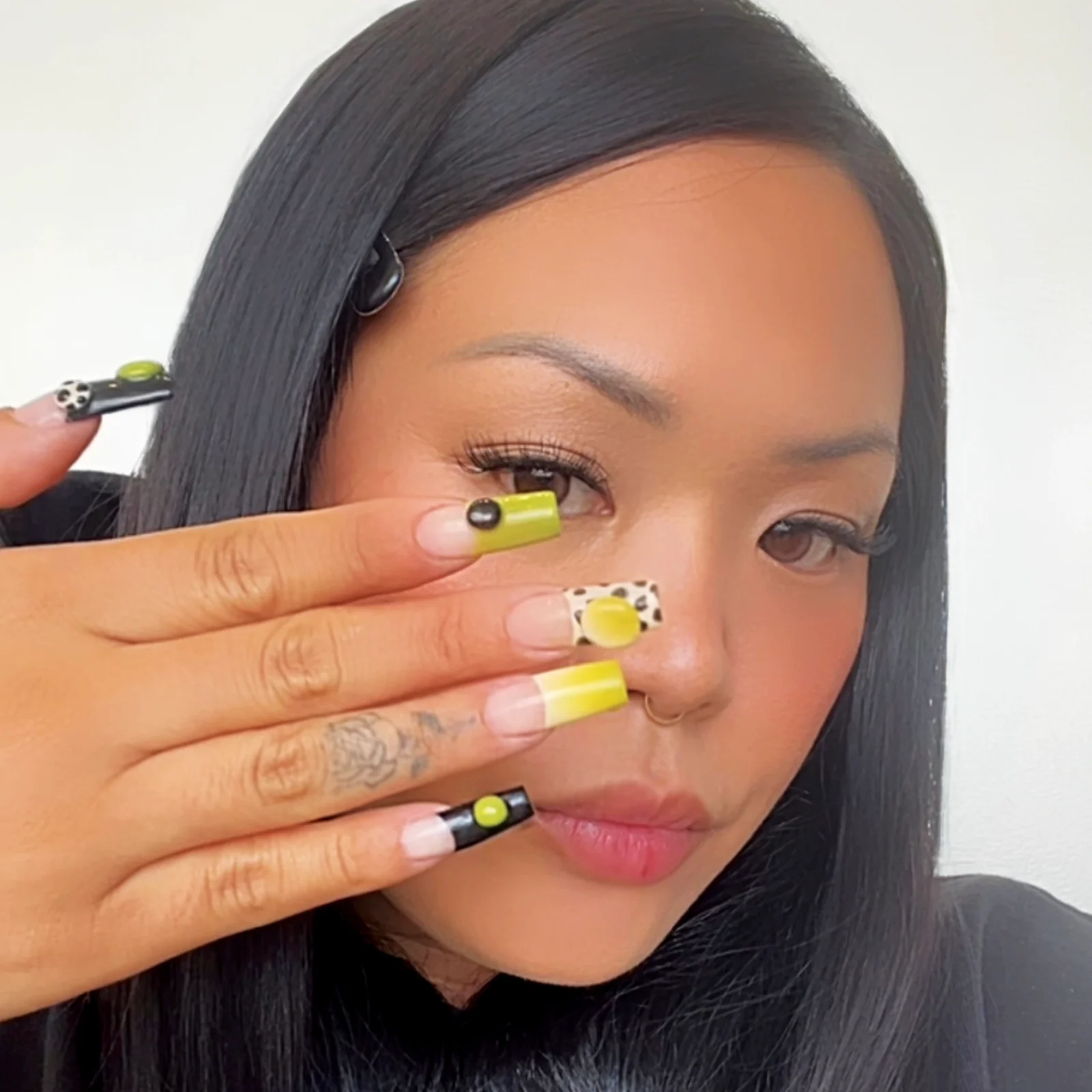
Roana Brito, a strategy director at a global advertising network, shares how she consciously recalibrated her thinking and how she showed up to become a better leader: “I’ve had to unlearn instincts that don’t serve me in a leadership role—the need to soften, to accommodate, to be liked. I’ve had to navigate that fine line where being assertive can be interpreted as being difficult. And I’ve had to accept that even when I’m clear and firm, it may still be perceived negatively, and be okay with that.”
When appearances matter: grooming as pressure and strategy
For women, our appearance is tied to how prepared or competent we’re perceived to be. There is an unspoken expectation to always appear polished, composed, and presentable, yet not “too made up,” flashy, or vain. The image of a successful woman is rigid and narrow, while that of a successful man is much more diverse and less dependent on physical appearance.
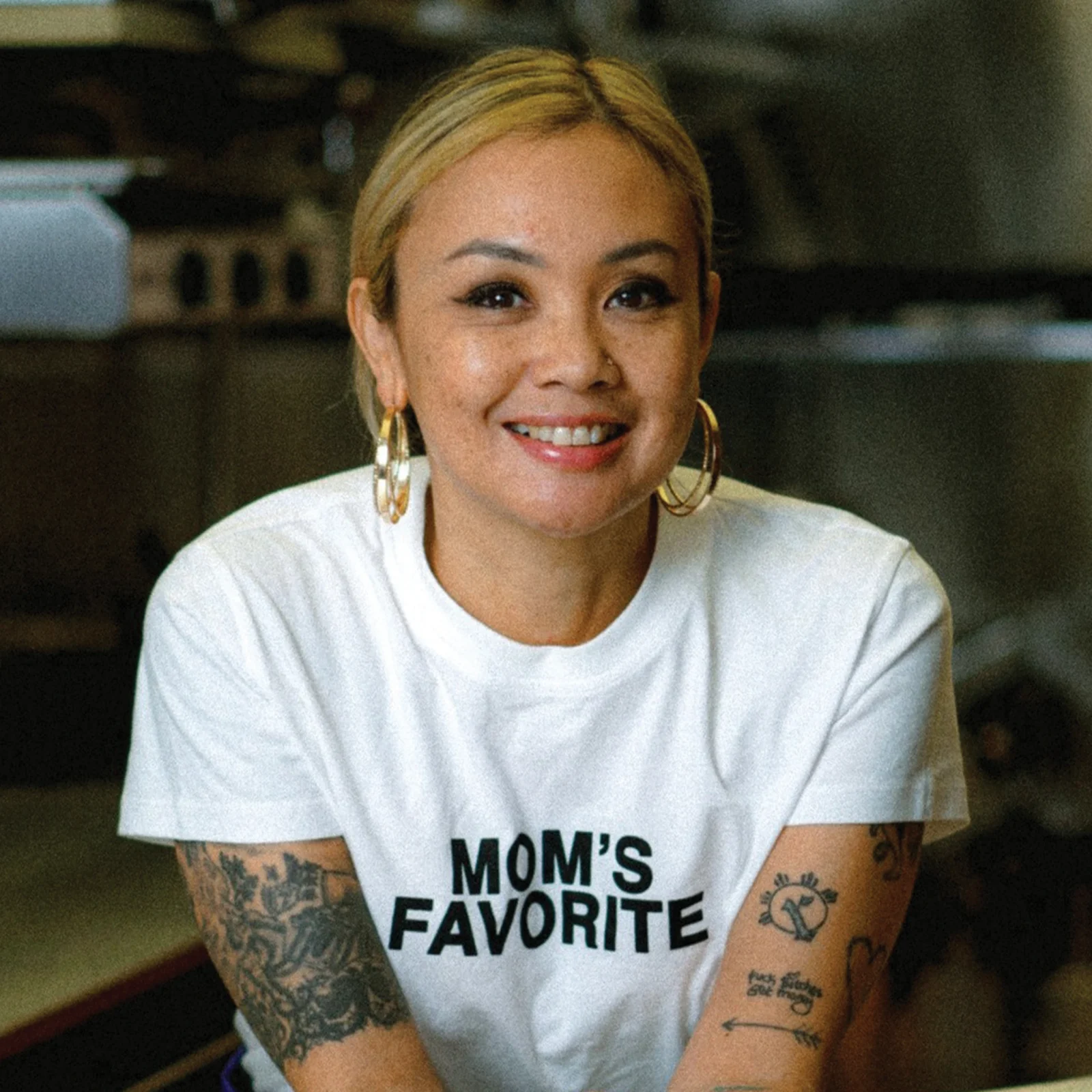
Robyn Mijares, an executive director of a non-profit, shares: “There’s an added mental load that comes with it. If I wear a dress, will they take me seriously? If I wear a suit, will I seem unapproachable? More than effort, it is a calculation for women. Every decision about what to wear, how to present myself is not just about perception, but about expression. I am now learning to reframe it. What began as a response to pressure has become a strategy of agency. If I am going to be seen anyway, then I will choose how I am seen–not to fit into expectations, but to redefine them.”
The never-ending need to prove oneself
Men are often presumed to be technically competent by default. Women, on the other hand, are expected to demonstrate expertise repeatedly before receiving the same level of trust. Men with leadership positions are presumed to be deserving of the authority given to them. Their mere presence suffices, as men are routinely given the benefit of the doubt.
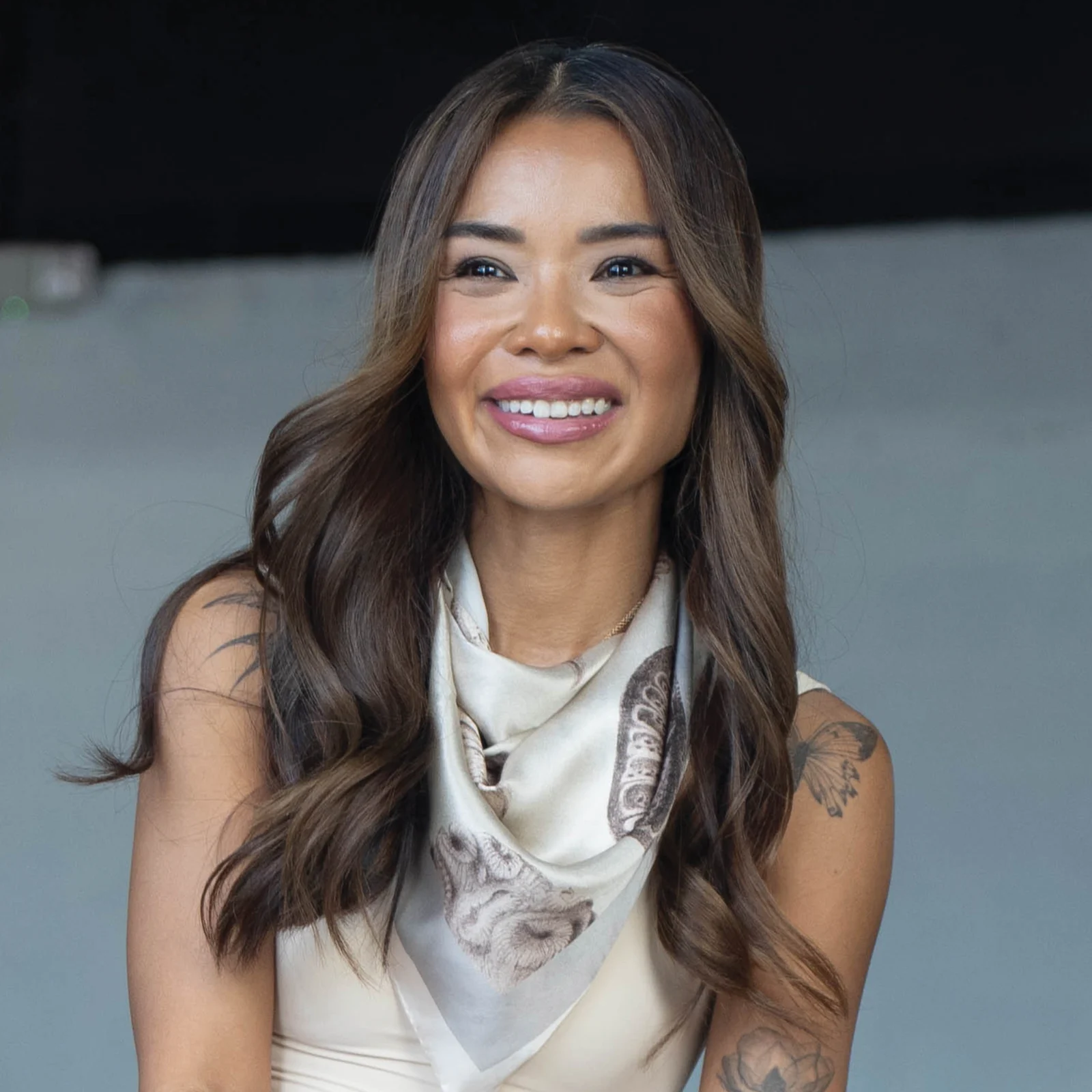
In contrast, women need to prove ourselves to be in the leadership position that we have—time and again. Kristine, a professional in science, technology, engineering, and mathematics (STEM), shares: “At conferences or meetings, questions would occasionally be directed to male colleagues even when I was the one leading the work. At the time, I didn’t always interpret it as a double standard. Over time, I began to recognize that these assumptions were part of broader patterns many women experience in technical fields. Rather than confronting it directly every time, my approach has been to let the work speak for itself.”
Mijares shares a similar realization: “People would automatically assume that I was part of logistics, or there to assist, rather than to lead. And at the time, I didn’t immediately label it as a double standard. I just thought, maybe I need to prove myself more. Be twice as exceptional. It was only later that I realized that my male counterparts were not entering rooms already needing to justify their presence. So I changed my response. Instead of shrinking into that assumption, I leaned into clarity. Introduced myself not just by name, but by the work I’ve built, the lives helped, the communities we serve, the impact we’ve created.”
What remains unspoken, remains unchanged
When I sought out perspectives for this piece, I deliberately kept all questions open—to allow for experiences and viewpoints where gender double standards were not felt or perceived as barriers. Indeed, I received a couple of responses in this vein.
To be honest, this gave me much pause, as I was grappling with how to approach this piece. Now, it is starting to make sense– these perspectives are actually compatible with a thread common across all responses– a sense of grappling with something subtle, unspoken, and hard to pin down– which validates my reason for pursuing this topic in the first place.
Unlike outright discrimination and other explicit forms of sexism, gender double standards are hard to articulate and call out because they are deeply woven into our socialized cultural expectations–internalized by both women and men since we were young girls and boys. In other words, they point to a resistance to a blind acceptance to “just the way things are”. Naming and validating them threaten to expose the water in which we all swim, rendered non-existent to the young fish who were born immersed in it.
Learning about the deeply personal experiences and powerful strategies of my fellow Filipinas has been an illuminating, validating, and transformative experience. If you may indulge me for switching metaphors, I’ve seen a glimpse of The Matrix, and though still reluctant, I am now ready to take the “red pill.”
Disclaimer: Views and opinions expressed in this article are solely those of the author and do not represent the views of any organizations with which she is affiliated.
Frequently Asked Questions
The Philippines is a top global outlier when it comes to women in senior management. According to the 2025 Grant Thornton Women in Business survey, around 4 out of 10 (approx. 40%) senior management positions in mid-size Philippine firms are held by women. The Philippines has maintained this top-ranking position for eleven years. For context, while the global average rose from 19% in 2004 to 34% in 2025, the Philippines has consistently outpaced the global baseline for over a decade.
While women are well-represented in mid-size senior management, a closer look reveals that they are still significantly underrepresented at the absolute highest levels of leadership (C-suite and governance). Data shows that:
1. Women make up only 13% of CEOs and 21% of Board of Directors (BOD) positions in publicly-listed Philippine companies.
2. In the political sphere, the percentage of women running for elective positions stalled at around 20% between 2013 and 2022.
Because of the high percentage in general management, there is a common, unspoken assumption that gender equality is a “non-issue,” which masks these gaps at the very top.
Even when Filipinas achieve leadership roles, they face distinct gender double standards that their male counterparts do not:
The Tightrope of Assertiveness: Women who are firm and decisive are often penalized or perceived as “too aggressive” or difficult, whereas the same traits in men are praised as strong leadership. Conversely, women who are agreeable risk being overlooked.
Beauty and Grooming Expectations: Women face an added “mental load” regarding their appearance. They must navigate a rigid expectation to look polished and competent without appearing “too made up” or vain, making wardrobe and presentation a calculated strategic decision.
The “Prove-it-Again” Bias: Men are often presumed to be competent by default, while women—especially in technical fields—frequently find their authority questioned and must repeatedly prove their expertise to earn the same level of trust and benefit of the doubt.
Philippine cultural attitudes support female leadership due to pre-colonial traditions of women holding authority, a history reinforced by modern organizations prioritizing workplace gender diversity initiatives.
Filipina executives overcome workplace bias by intentionally unlearning the need to accommodate, reframing grooming as personal agency, and asserting their achievements to establish authority.