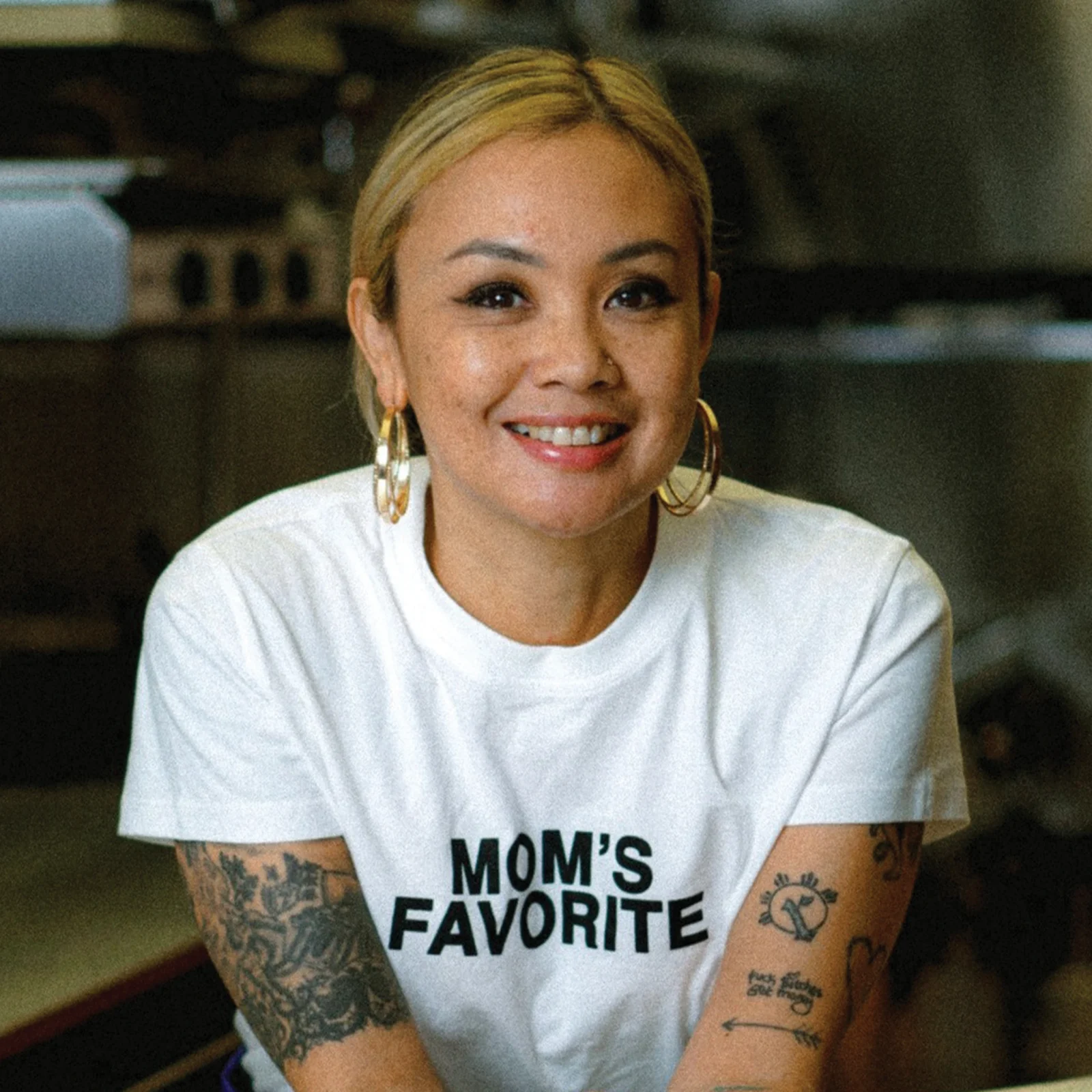
A Gap That Shouldn’t Exist: How Quezon City Launched the Landmark Right to Care Card
In Quezon City in Metro Manila, queer couples now have the capacity to make medical decisions for each other, in a country where queer couples are not legally recognized as next-of-kin. We take a look at how Quezon City and its mayor Joy Belmonte have worked to become allies to the LGBTQIA+ community.


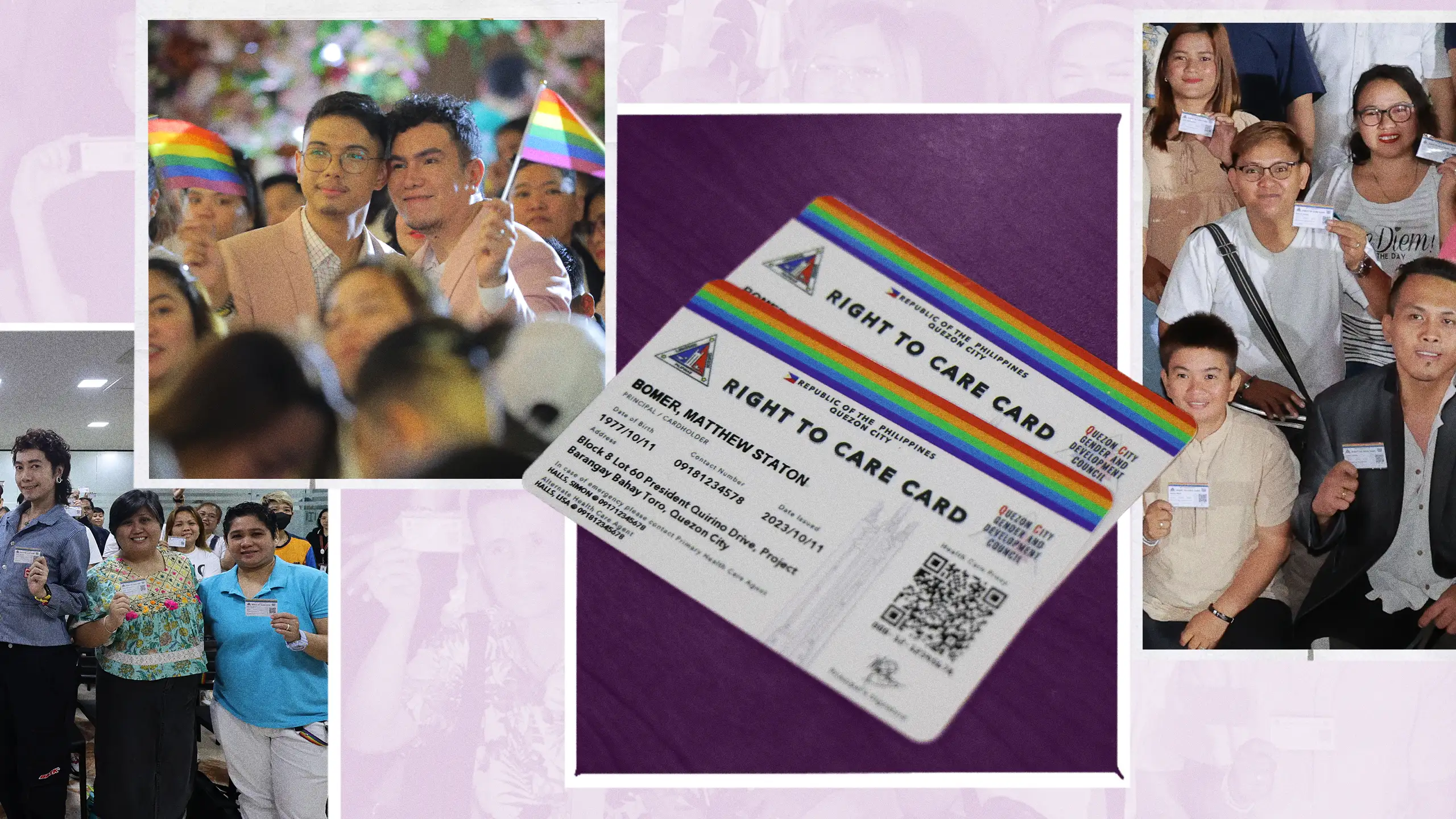
Every June, Quezon City becomes the center of Pride in the Philippines. The Pride PH Festival, co-organized by Pride event organizer network Pride PH and the Quezon City local government, is one of the largest LGBTQIA+ celebrations in Southeast Asia. It is loud, visible, and politically intentional.
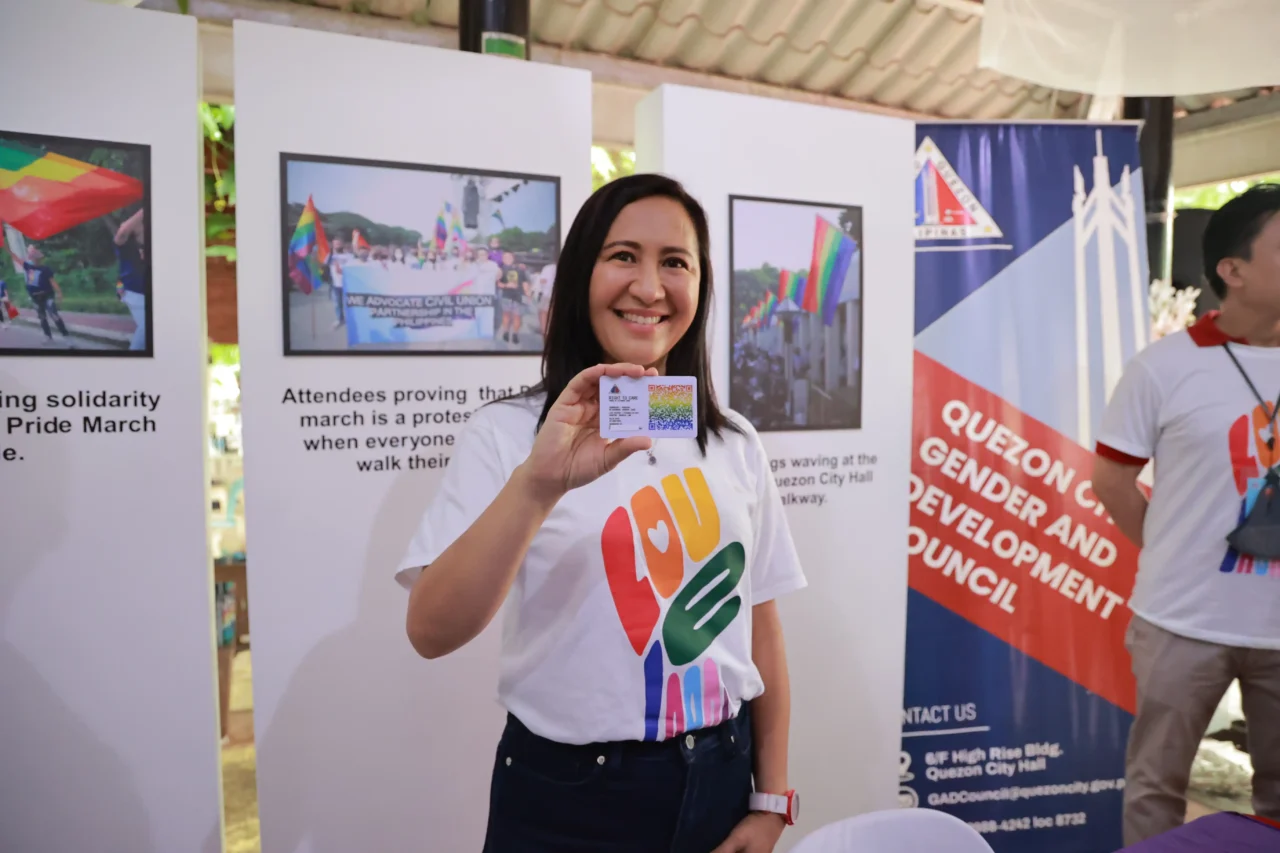
But one of the most meaningful contributions of Quezon City and its mayor Joy Belmonte to the LGBTQIA+ community is not an event that happens on a stage or even in the streets. It fits in a wallet.
On paper, the Right to Care Card is a Special Power of Attorney. However, in practice, it is the difference between being allowed into your partner’s hospital room and being turned away at the door. For LGBTQIA+ couples in the Philippines, where same-sex unions carry no legal recognition, that gap has always existed. Belmonte decided Quezon City (QC) didn’t have to wait for national legislation to close it.
“This is not about giving special rights,” she says in an exclusive interview with Allure Philippines. “It is about ensuring that every resident is treated right. Healthcare should put people first, and no one should have to face a crisis without the support of the person they trust the most.”
Right to Care Card: From Concept to City Ordinance
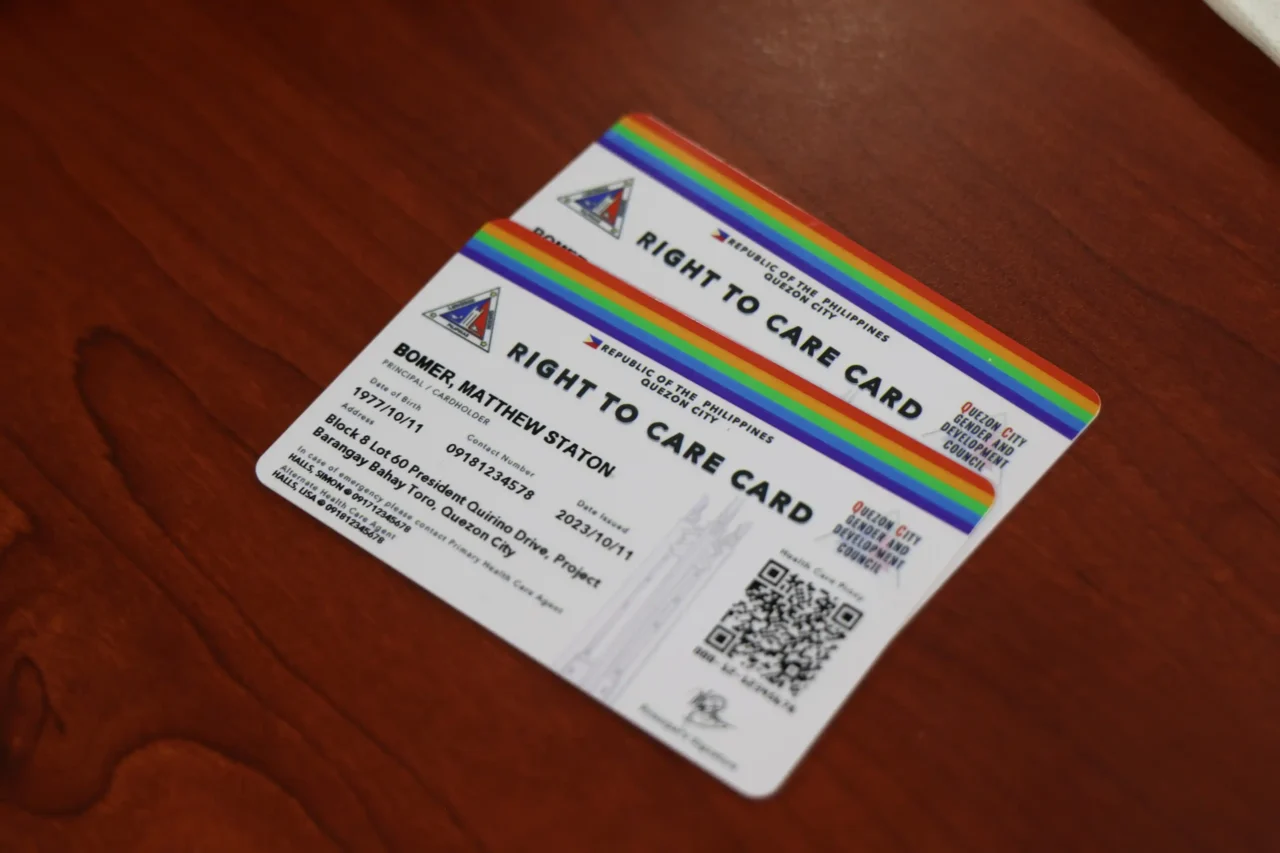
Office of the Quezon City Mayor
The idea came from Adrian de Guzman, a creative at marketing and communications agency MullenLowe TREYNA, who brought it to a QC Pride Council meeting. Belmonte recognized the urgency immediately. “We heard stories of LGBTQIA+ couples who had built lives together but during medical emergencies, they were not being recognized by law to decide for their loved ones. That was a gap we could not ignore.”
Her legal team worked out a framework: a Special Power of Attorney that, once presented to any healthcare provider in Quezon City, must be honored. By October 2023, the city council had passed Ordinance No. 3221, institutionalizing the card so it wouldn’t disappear with a change in administration. “Programs tied to an administration can easily disappear when leadership changes,” she says. “To protect our community long-term, we need this institutionalized.” That kind of political durability required what Belmonte calls “heavy lifting”—public consultations, legal experts, healthcare professionals, and community stakeholders all brought to the table before the vote.
What’s striking about this is that the solution itself is elegant in its simplicity. A Special Power of Attorney already existed as a legal instrument. The card didn’t require reinventing things or inventing new laws from scratch. But simple solutions are not necessarily easy ones. Getting this done required political will, moving people together, and a lot of moving parts. The Right to Care Card is a real fix for a real problem, and it took conviction to get there. The card took incredible work, and yet the work is far from done.
Right to Care Card: Uptake, Barriers, and What Comes Next
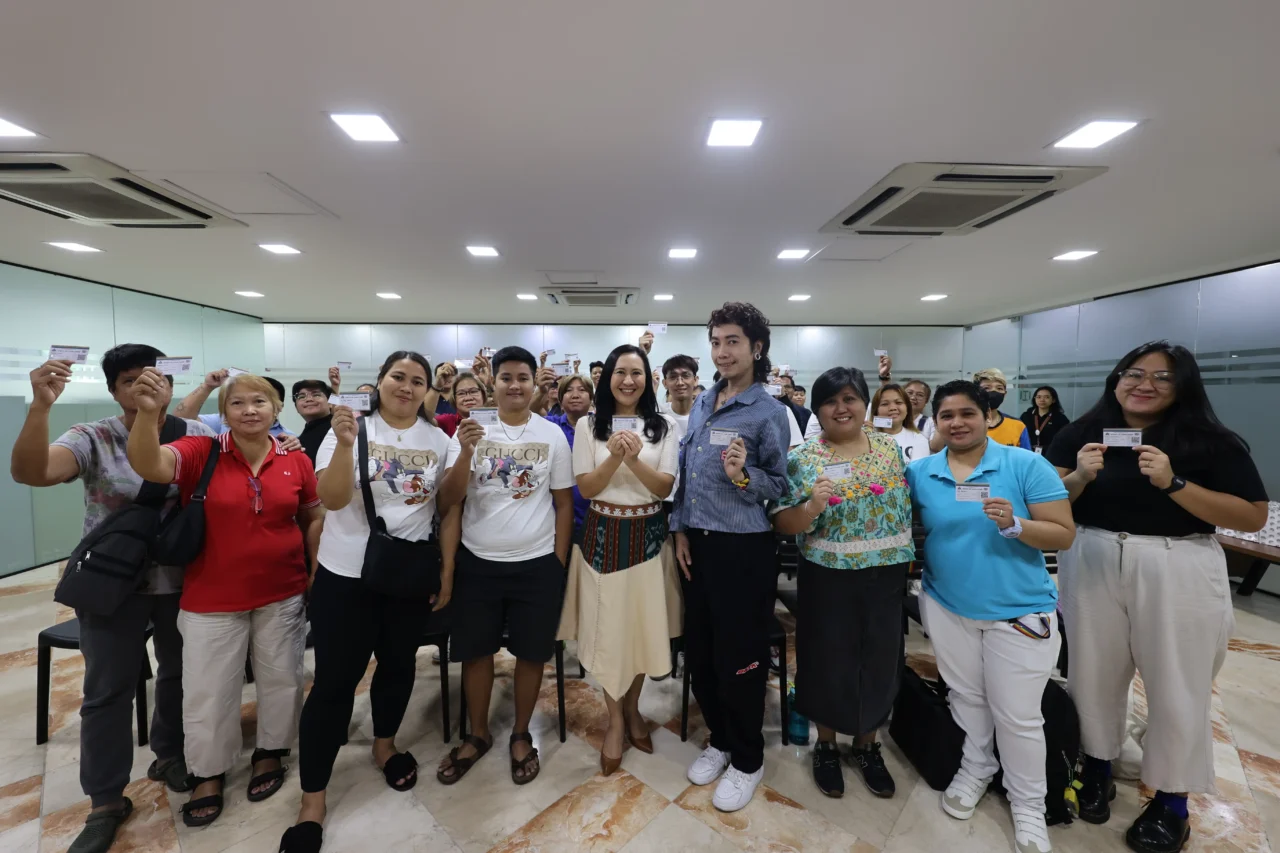
Office of the Quezon City Mayor
Since the launch, 468 couples have applied for the Right to Care Card. For a city of 2.9 million, that figure is small. Belmonte points to a recent integration with the QC eServices Portal as one way to lower the barrier to entry, alongside ongoing SOGIESC orientations run by the QC Gender and Development Council Office for city employees, barangays, and civil society groups. “Accessibility is not just about technology,” she says. “We continue to work closely with LGBTQIA+ organizations and community partners to bring the program directly to our communities.”
But she is also candid about a harder problem: discrimination still exists, and the city isn’t going to solve it by compulsion. “We do not compel anyone to come out or publicly identify themselves. Every person should have the freedom to make that decision for themselves and at their own pace.”
The numbers may be catching up, but behind them are real stories and real people. One story Belmonte shares stays with you: a resident who needed major surgery, with no traditional family left. Their partner was the only family they had. They applied for the Right to Care Card so they could legally stand beside each other during the operation. “That is exactly what this card means,” Belmonte says. “It ensures that our chosen families are never left invisible in Quezon City, especially in times of crisis.”
Mayor Joy Belmonte on LGBTQIA+ Allyship: What It Means Beyond Pride Month
Office of the Quezon City Mayor
Belmonte is clear about where her conviction comes from. “I have always believed that every person deserves fair treatment,” she says. “LGBTQIA+ rights are human rights, and good governance means ensuring that no one is left behind because of who they are or who they love.”
Her vision for Quezon City is personal, beyond just political. “I want Quezon City to be a place where every individual can live with respect and authenticity, knowing that their local government stands with them and works to ensure that they are seen, heard, and protected.”
Her ask for Filipino women this Pride Month is specific: use your voice. Not just once, not just in June. “Being an ally does not always require grand gestures,” she says. “It can be as simple, and as powerful, as speaking up when something is not right, or offering support and understanding to someone who feels unseen or unheard.” That includes things as tangible as supporting queer-owned businesses and raising children to understand why kindness is not optional. “Being an ally is about consistency and compassion. It may seem small, but for someone who feels marginalized, it can mean everything.”
Right to Care Card: The Political Will Required to Close a Legal Gap

Office of the Quezon City Mayor
The Right to Care Card is simple. The political will it required was not. The combination of a solution to a need and someone willing to do the unglamorous work to make it happen, is rarer than it should be.
Fairness and equality take intention. We may come from different beliefs, different backgrounds, and different ideas about family and faith. But we can all agree on this: human life is precious, and love should be inclusive. One card will not fix everything. But it is a step, and every step matters.
Frequently Asked Questions
The Right to Care Card is a Special Power of Attorney issued by Quezon City that grants LGBTQIA+ couples the legal authority to make medical decisions for each other. Any LGBTQIA+ couple residing in Quezon City can apply through the QC eServices Portal.
Philippine law does not recognize same-sex unions, which means LGBTQIA+ partners have no automatic next-of-kin status in medical emergencies. Without legal recognition, a partner can be refused access to a hospital room or blocked from making critical healthcare decisions.
Quezon City passed Ordinance No. 3221 in October 2023 to institutionalize the Right to Care Card. The ordinance ensures the program persists beyond any single administration, requiring all healthcare providers in Quezon City to honor the Special Power of Attorney upon presentation.
As of the latest available data, 468 couples in Quezon City have applied for the Right to Care Card. Against a city population of 2.9 million, the figure reflects both early adoption and ongoing access barriers the city is working to address through digital integration and outreach.
Mayor Joy Belmonte describes allyship as consistent, everyday action — speaking up when something is wrong, supporting queer-owned businesses, and raising children to understand inclusion. She emphasizes that allyship does not require grand gestures, but does require compassion and constancy.