Ten Things I Learned About Myself During My Transition
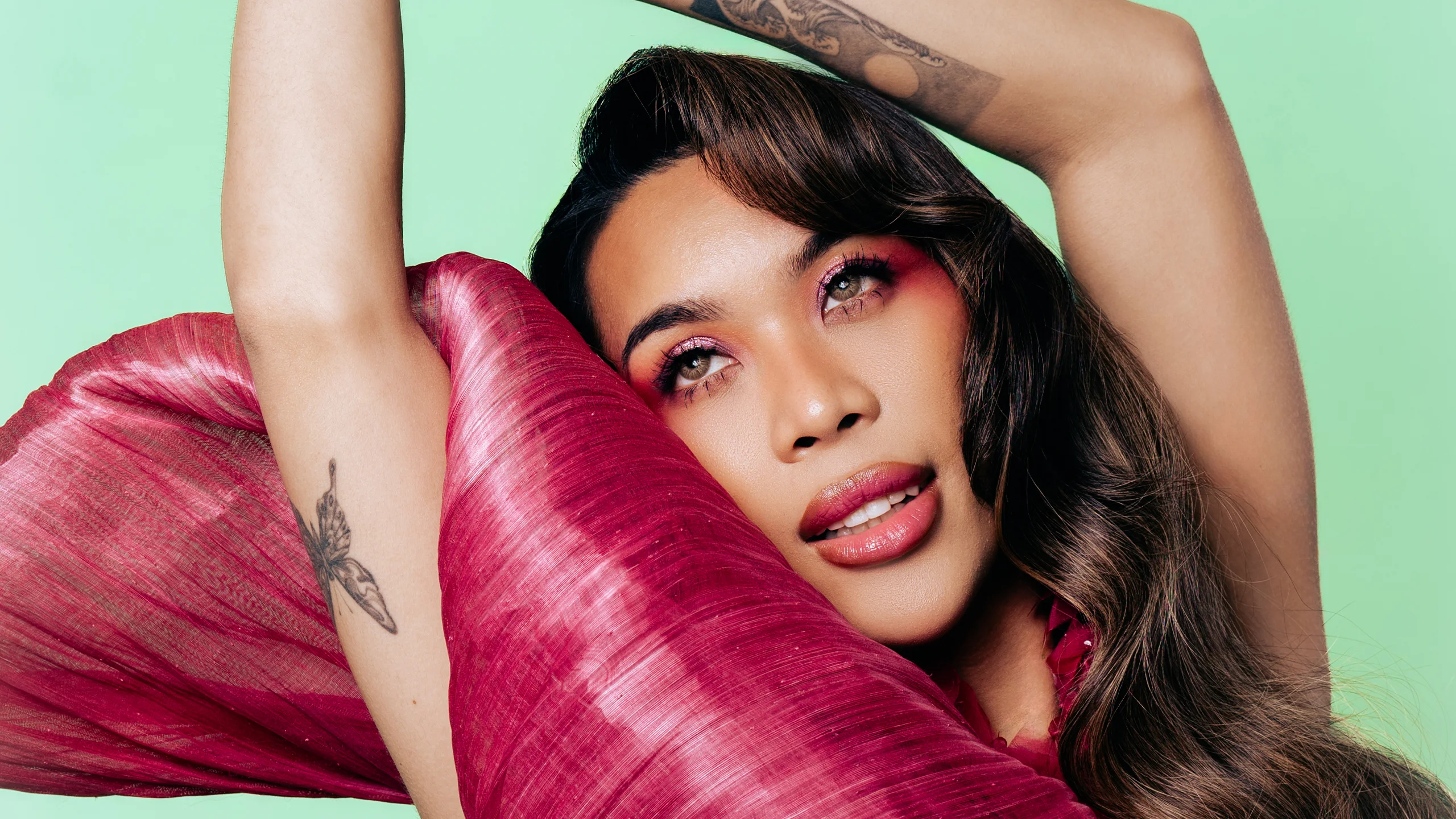
Transitioning is a very special, very delicate time in one’s life. But it’s also very revealing and, obviously, quite formative. Drag queen Marina Summers opens up to contributing writer Anna Oposa to share what she learned about truly becoming herself during her transition.


Note: This interview has been condensed and edited for clarity.
The word “transition” implies movement. For drag queen Marina Summers, it’s also grounding.
Every Pride Month, conversations around queerness and gender are everywhere. For those who choose to transition, the path can be overwhelming, sometimes isolating, and always deeply personal. Marina Summers, a star from RuPaul’s Drag Race, knows this journey intimately.
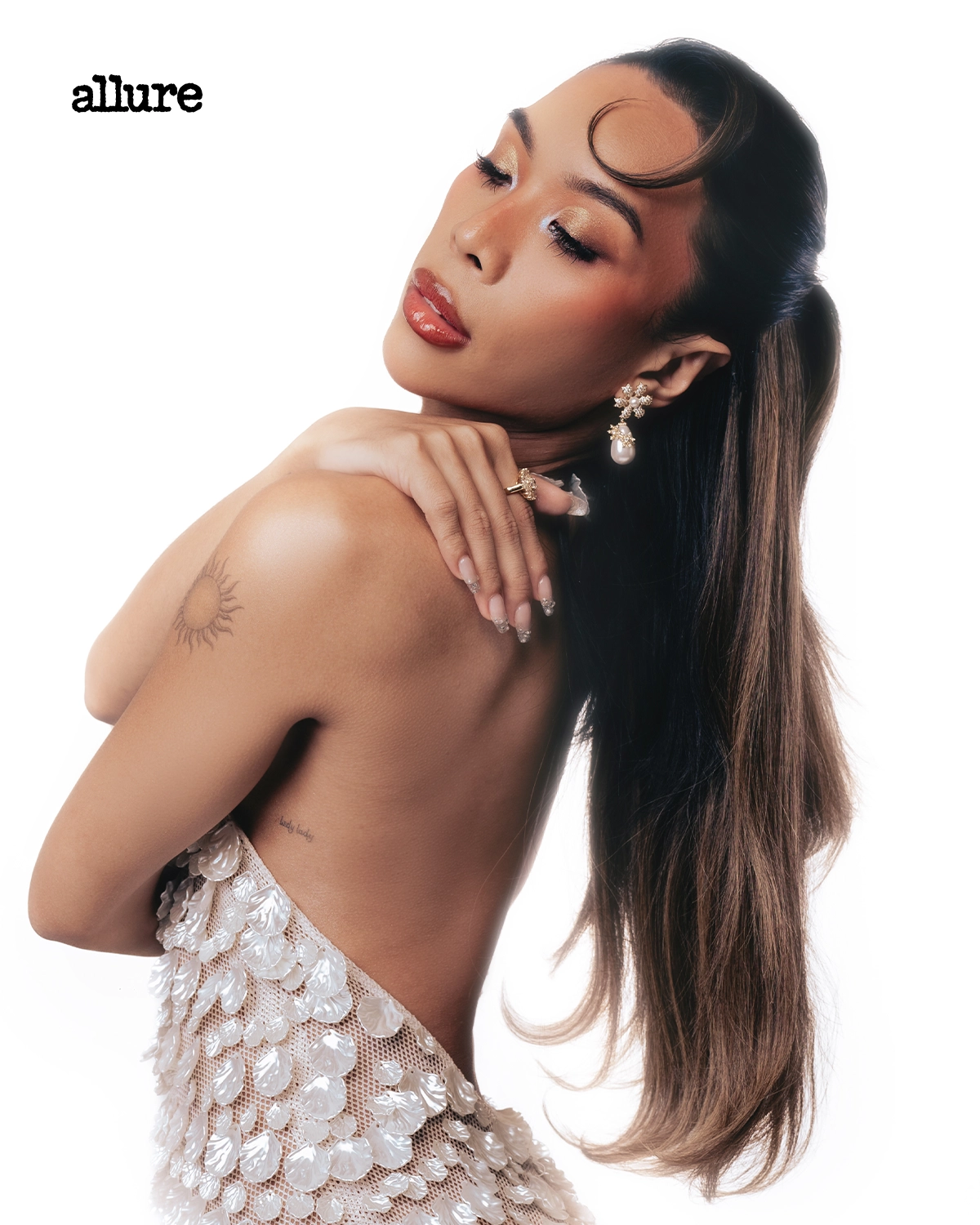
Kim Santos. LEV dress.
Marina transitioned quietly in 2025, with only her inner circle by her side. By the time she went public in early 2026, she was already grounded in her instinct and comfortable with the unknown. Now, eight months into gender-affirming hormone therapy and living fully as a woman, she reflects on ten lessons about identity, timing, and the art of becoming.
We list them down below.
1. Trust my own timing.
Privately transitioning at the beginning of my journey played a very vital role in how I feel right now. It was a conscious decision. I wanted that first part of my journey to be with my family and the people that surround me and support me. I wanted to nurture myself with this journey before I came out to the rest of the world. I feel like it strengthened my foundation as a trans woman. As long as I have a strong foundation, I feel like nothing could faze me.
The time I decided to finally come out and let people know I was transitioning was when I had my breast augmentation surgery because I couldn’t hide this anymore. I wanted to share the journey to my fans and supporters because they’ve been part of my journey.
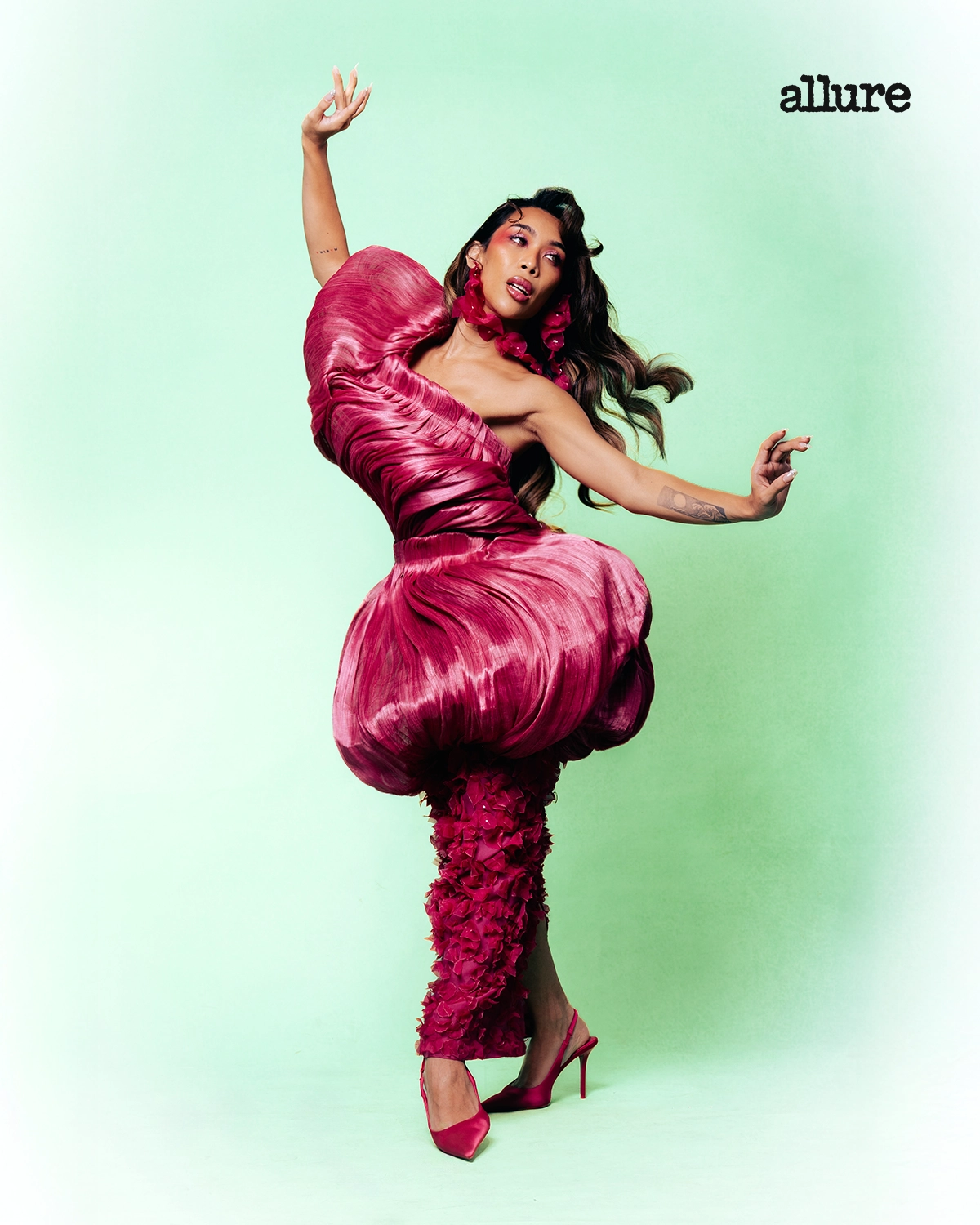
Kim Santos
2. I do my own research and value lived experience.
I would go online to do research [about transitioning], but I would also talk to fellow trans women, my sisters in the community. Researching on my own is one thing, but there’s also lived experience. I value those two on the same level.
3. I decide for myself.
When it comes to taking advice, I follow what feels right for me. For example, when I chose who would do my breast augmentation surgery, I ended up flying to Davao. I had to stay there for two weeks, so it was a big decision, but I wanted it to be meaningful. My surgeon was also a trans woman, one of the few trans women surgeons in the Philippines. I was taken care of before, during, and after the surgery. Her care for me went beyond the surgical table. She would check up on me every day, even come to my hotel to clean my sutures. With my gender-affirming hormone therapy doctor as well, I really feel like I’m taken care of not as a patient, but as a valued person.
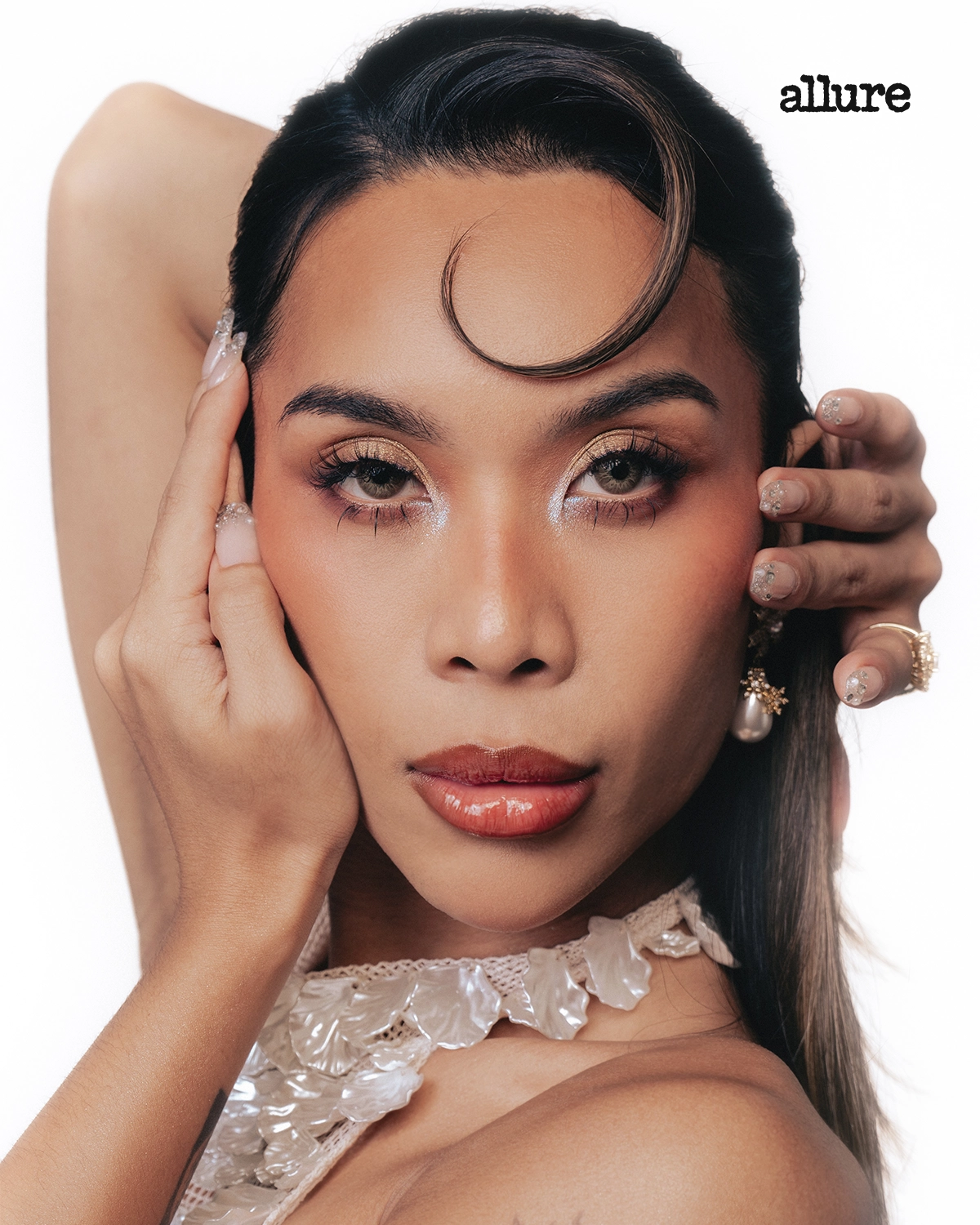
Kim Santos. LEV dress.
4. I let people be there for me.
[A transition] is a learning curve for everybody. I’ve been talking to my doctor about what the changes would be, and then I relay that to the people around me so they understand what’s happening. There are times I tell them, “Hey, I really need your help. I want you to be there. You don’t have to say anything. I just need you to be there.”
That’s a strong first step to being an ally to a trans person: just be there for them. You don’t need to have the answers or have the solutions. You don’t need to fix them. You just have to be there.
5. Embrace the full spectrum of feelings.
My emotional world has opened up beautifully. For the longest time, I was setting aside my emotions and trying to be professional. But now, I’m giving myself grace by acknowledging that these [emotional changes] are not pathological; it’s a beautiful change happening to my body and my emotions. I let myself feel everything: happy, sad, confused, anxious. These feelings reveal my full potential as a woman. I’m giving myself the time to absorb all of this.
That also reflects in my relationships. I’m closer to my family, more open with my friends. They’re seeing a more authentic, more whole version of me.
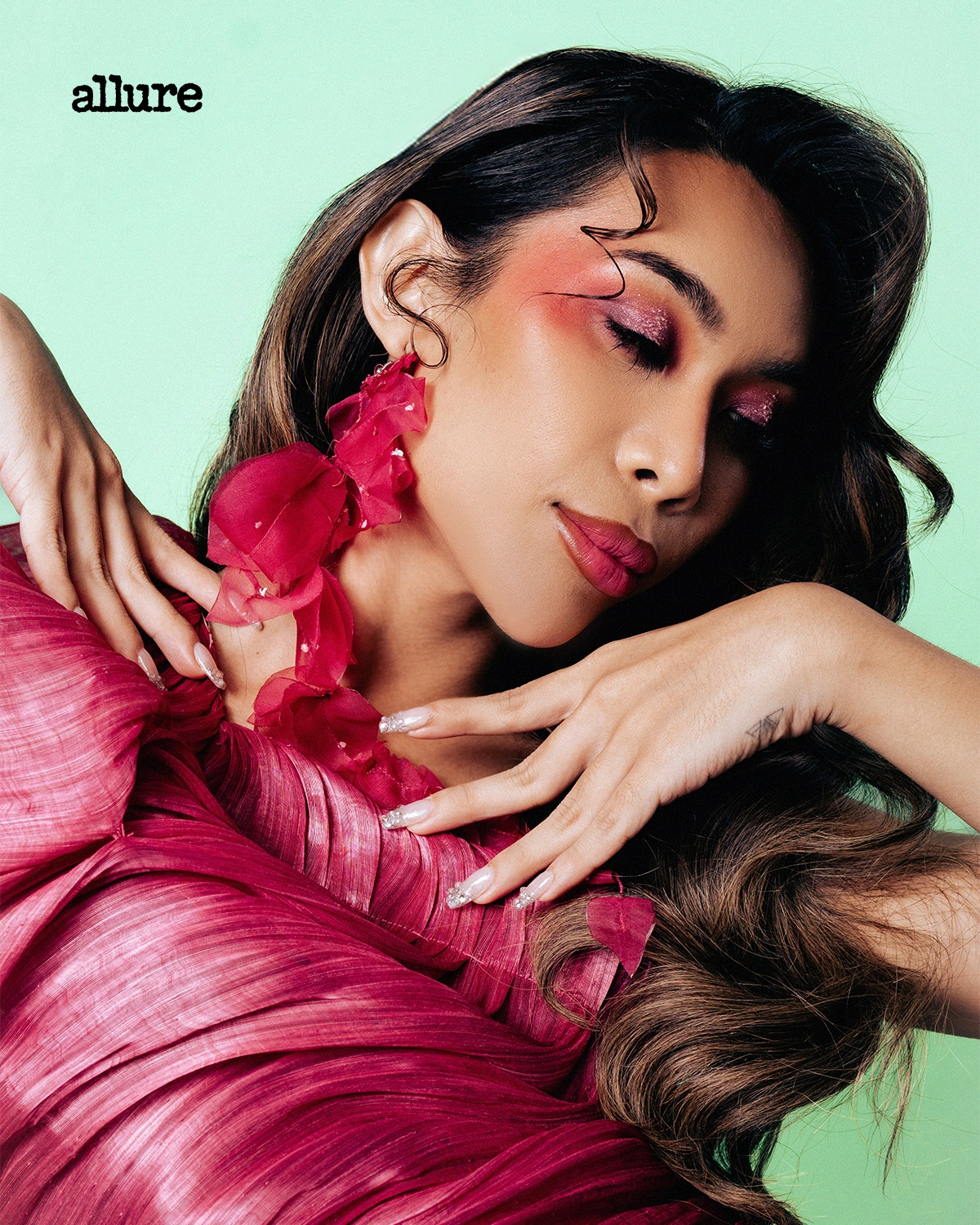
Kim Santos
6. I am learning from Marina Summers, the drag persona.
Before, I tried to separate my drag from my personal life. I’d put on the costume, leave it in the closet, and go about my day. But eventually I learned that Marina wasn’t separate. She was an extension of myself. She was the ultimate avenue for me to feel like a woman. That was the first part of my journey.
There was a time in my life when I was questioning my transition, and I would project that into my art. My makeup had to be smaller, my hair had to be smaller, my clothes had to be very feminine. Unconsciously, I was trying to project my trans-ness through my drag. What I learned is that I should be thankful. Marina Summers was the ultimate avenue for me to feel like a woman.
7. I am learning from Marina Summers, the woman.
I’m finally experiencing being a woman out of drag. Dressing up, putting on makeup as a woman and not as a drag queen means more to me now. Finally being comfortable with wearing the clothes I’ve always wanted to wear, the hair I’ve always wanted to have, without using drag as an avenue to feel the woman in me. I feel whole. I resonate with what RuPaul said, that “The power that you have in drag is also available to you when you’re out of drag.”
Even something as simple as dressing up, putting on makeup, being a girly girl—there’s power in that. I’m more intentional with my drag now.
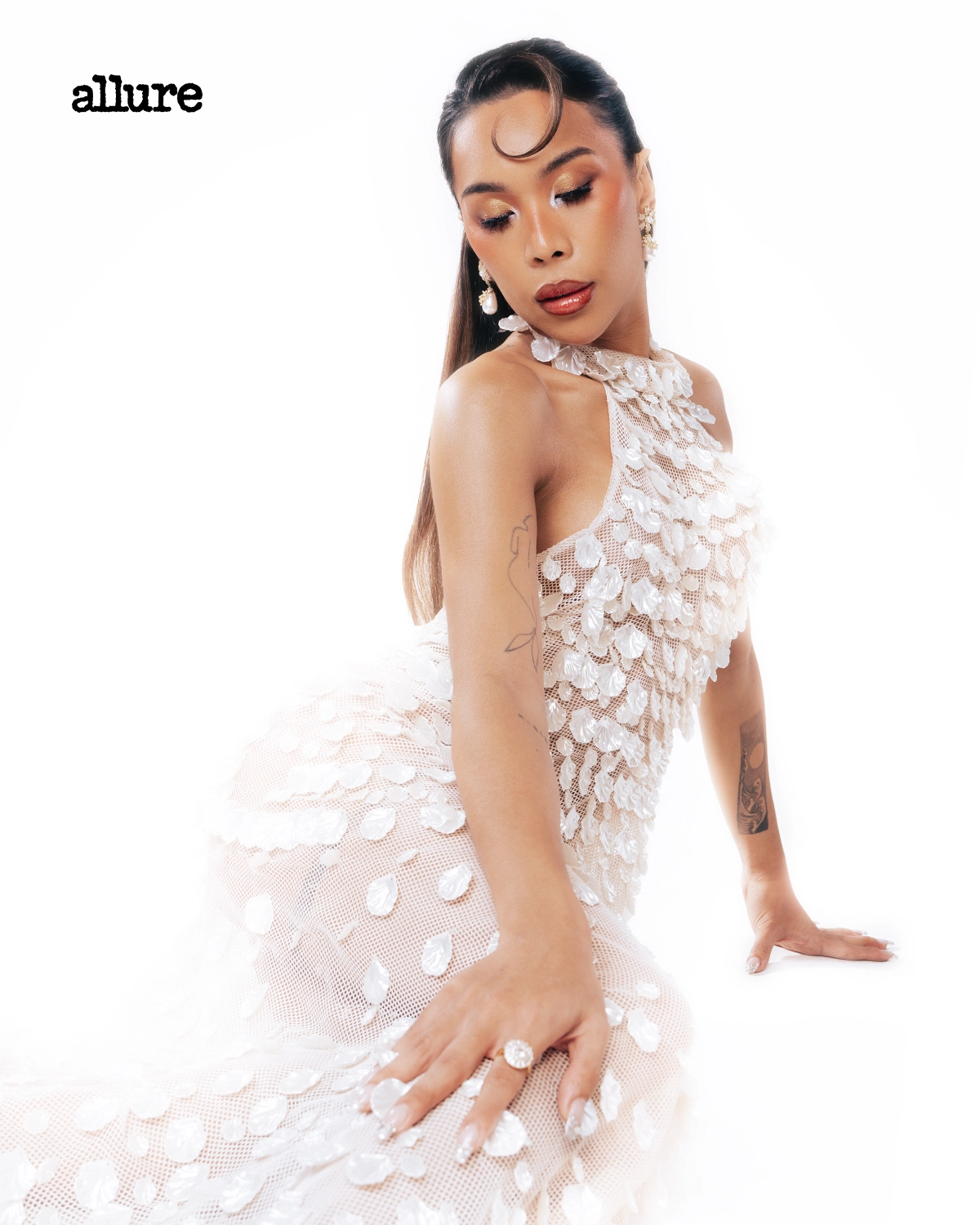
Kim Santos. LEV dress.
8. Let go of the “What if?”
I always look back and think, “What if I started earlier?” In 2023, when I was filming U.K. vs. the World, I was a boy on TV and I was concerned about how I looked. I kept thinking, “What could my life be now?” But I’ve come to realize there’s no right or wrong timeline. Transitioning is a personal journey. The moment you feel it’s not yet the right time because of your reasons is valid. Either way, I would have become an empowered woman, earlier or later.
9. Question yourself.
My advice to my previous self would be reassurance: “Don’t get tired of questioning yourself.” When you question yourself, you reveal the answers.
I’m happy I gave myself time to question, to debunk, and to affirm all the information and emotions coming in. The more questions I asked myself, the more it revealed my truth.
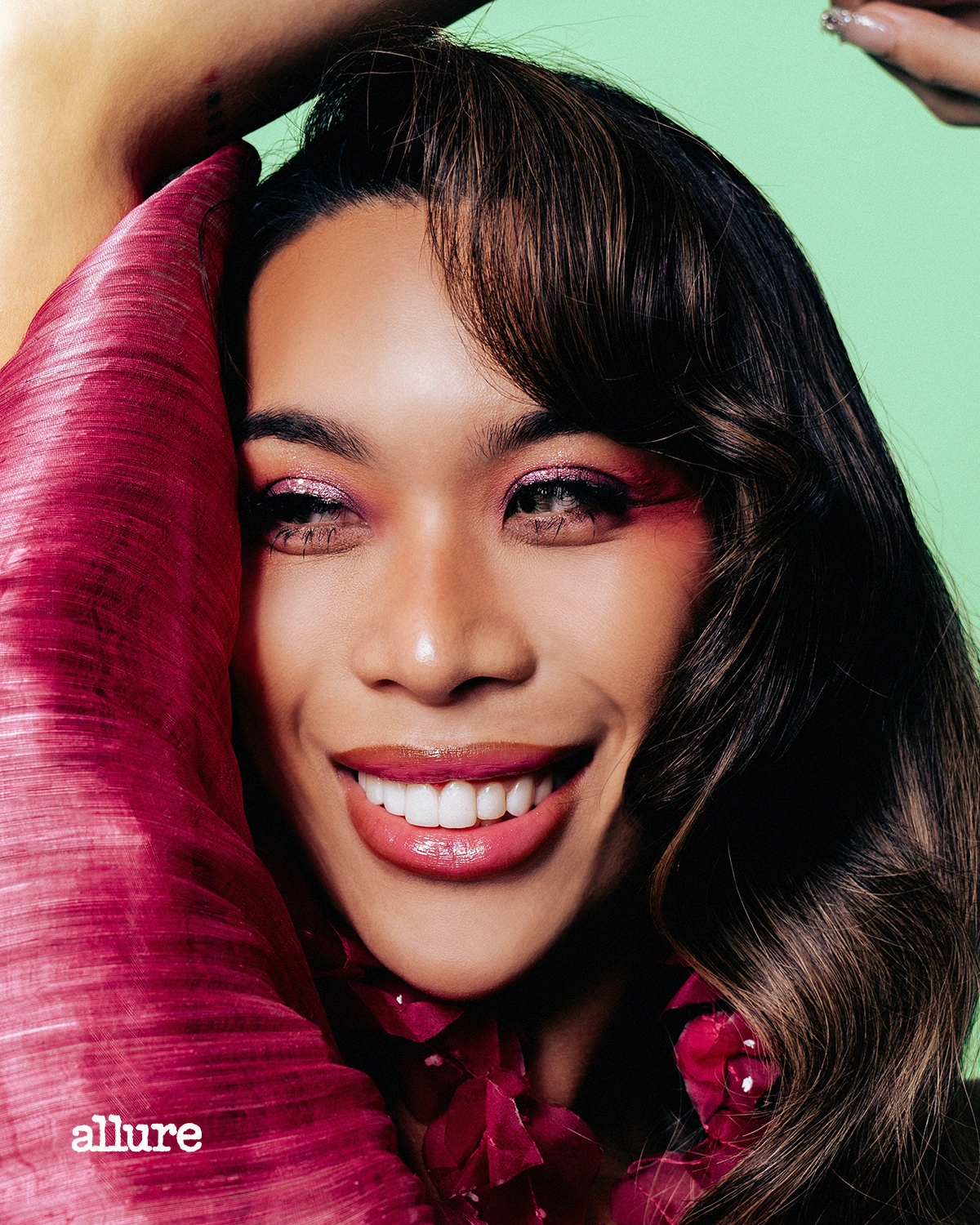
Kim Santos
10. Look forward to the unknown.
I’m more excited now because there are big changes happening to my appearance. For a lot of trans people, appearance is important when you’re aligning your outer self with your inner self. I always tell my doctor, “Ang ganda ng lapat sa ‘kin ng hormones.” I’ve only been on hormones for about seven or eight months, and so far, so good. I’m slowly starting to see curves, I’m starting to see my features soften.
I’m really excited to see where it takes me in the next coming months and years – what will change in my perspective, my emotions, how I view life. So much has shifted over the last year since I transitioned. I’ve become more grounded, more aware of my emotions and everything happening around me.
Art and beauty direction by Sacha Mancera. Photography by Kim Santos. Makeup by Kenric Carpio. Hair by Dale Mallari. Styling by Ryuji Shiomitsu.
Frequently Asked Questions
Marina Summers transitioned privately in 2025, sharing the journey first with family and close supporters. She went public in early 2026 after her breast augmentation surgery, by which point she had already been on gender-affirming hormone therapy and was grounded in her identity as a trans woman.
Emotional changes during HRT are normal and, according to Marina Summers, can feel like an expansion rather than a disruption. She describes becoming more open, more present in relationships, and more attuned to the full range of her feelings — including joy, anxiety, and confusion — as her authentic self emerged.
Marina Summers says the most important form of allyship is simply being present. You don’t need answers, solutions, or advice. Telling a trans person “I’m here” and showing up — without trying to fix anything — is, in her words, a strong and sufficient first step.
There is no correct timeline for gender transition, according to Marina Summers. Whether someone begins earlier or later, the journey is deeply personal. She came to peace with her own timing by recognizing that she would have become an empowered woman either way — the path matters less than the destination.
Marina Summers, eight months into HRT, reports visible softening of facial features and the early development of curves. Physical changes from gender-affirming hormone therapy typically begin gradually over the first several months, varying by individual. She describes the process as one she actively looks forward to rather than fears.