

By now, we’re armed with an arsenal of hair care products and knowledge to show our hair some love: taking breaks from heat styling, bleach, and color; reaching for a hair mask; and finding the right shampoo and conditioner for our needs. But sometimes, what’s happening to our hair can’t be solved from the vanity shelf.
Thinning along the hairline, excessive shedding, or an unexpected change in texture can sometimes point to something happening elsewhere in the body. So, how much can our hair really reveal about our health? Allure Philippines speaks with Filipino experts about the connection between hair and overall health—and when a change may be worth bringing up with a doctor.
Meet the experts
Maria Julieta Arambulo-Cordero, MD, FPDS, IFMCP, is a board-certified dermatologist at the Asian Hair Restoration Center and is certified in functional medicine by the Institute for Functional Medicine.
Assoc. Prof. Elaine Cunanan, MD, FPCP, FPCEDM, is a board-certified endocrinologist and Associate Professor at the University of Santo Tomas Faculty of Medicine and Surgery.
Hair is affected by multiple factors beyond cosmetic concerns
Envato Images
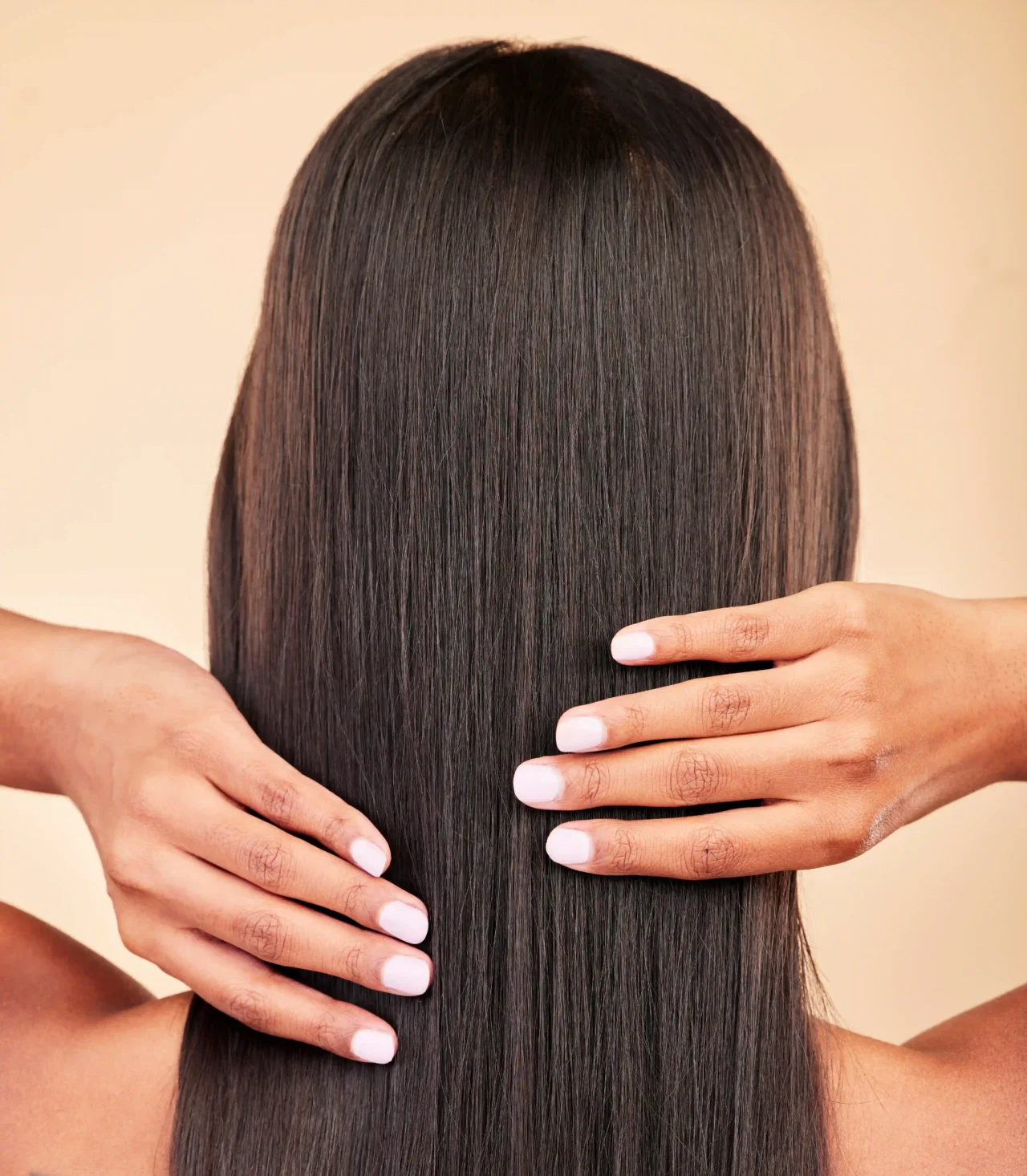
The visible hair shaft may be made up of dead, keratinized cells, but hair growth begins in living follicles that can respond to changes happening in the body that can help in navigating overall health. But how can we tell hair loss, for example, may be more than a cosmetic concern? For Dr. Arambulo-Cordero, multiple factors can affect hair health. “So, [it could be] inflammation, vitamin deficiencies, hormonal balance, diet, stress, lack of sleep, relationships. We go as deep as that.”
It’s a perspective that reframes hair health as something bigger than the latest product or treatment. Instead of asking only what we can put on our hair, we can also ask what our hair might be telling us about the state of our bodies.
Stress can show up in the hair and contribute to hair loss
Stress is something we commonly encounter, and it’s one example of how hair can reflect changes happening in the body. Dr. Arambulo-Cordero explains that stress can contribute to a condition called telogen effluvium, a type of temporary hair loss. “With telogen effluvium, it’s most of the time caused by stress.”
Dr. Cunanan explains how stress can contribute to hair loss. “High levels of the stress hormone cortisol disrupt the hair growth cycle, pushing hair follicles prematurely into a resting phase that results in noticeable shedding weeks or months later,” she says.
But stress doesn’t necessarily affect everyone’s hair in the same way. It can also aggravate existing genetic forms of hair loss, shares Dr. Arambulo-Cordero. “Sometimes, stress can also worsen the genetic type of hair loss, which is androgenetic alopecia, and that’s more permanent,” she adds. That distinction matters.
Hormonal changes can affect hair health
Envato Images
Hair can also respond to shifts happening within the endocrine system. “Changes in one’s hair, such as sudden shedding, thinning, coarseness, or excess growth, may be early warning signs that some hormones are out of balance,” says Dr. Cunanan. She points to three types of hormonal changes and how they can manifest in the hair.
Thyroid Disorders
Hypothyroidism: Can cause dry, brittle, or coarse hair and overall hair thinning because metabolism slows down.
Hyperthyroidism: Can cause fine, fragile hair and rapid shedding across the scalp, often tied to autoimmune thyroid conditions.
Polyendocrine Metabolic Ovarian Syndrome
High levels of male hormones (androgens) in females can cause thinning hair or male-pattern baldness on the top of the head, while also causing excessive, dark hair growth (hirsutism) on the face or chest.
Shifts in Estrogen levels
Postpartum and Menopause: Drops in estrogen levels often cause many hair follicles to enter a resting state, leading to temporary hair thinning or noticeable shedding.
Dr. Cunanan adds, “If hair loss is sudden, widespread, or comes with other changes in how your body feels, it is more likely an endocrine issue that requires a medical blood test rather than just a cosmetic concern.”
Nutrition can play a role too in hair health

Envato Images
Speaking of the larger idea behind holistic hair care, sometimes, supporting the hair means supporting the body that grows it.
In assessing patients with hair concerns, Dr. Arambulo-Cordero says nutritional factors can be part of the picture, including deficiencies in iron, vitamin B12, zinc, magnesium, and other nutrients. “If the patient is vitamin deficient,” she continues, “you can tell that with [the] diet, you can probe the patient.”
For Dr. Cunanan, nutritional deficiencies can affect hair growth because “missing iron, protein, or vitamins deprives hair of the building blocks it needs to grow.” One effective approach, she says, is to “replace whichever is lacking [with] nutritional supplementation.” That doesn’t mean reaching for a handful of hair supplements on your own. If a nutritional deficiency is suspected, a doctor can determine whether testing is appropriate and whether supplementation is actually needed.
The point is to recognize that nutrition is part of hair wellness in the same way it is part of overall wellness. And when it comes to the most practical habits for supporting hair health, Dr. Arambulo-Cordero brings the conversation back to lifestyle. “I think it [also] boils down to the diet and the exercises,” she says. “For me, the cornerstone is to focus on diet. Anti-inflammatory diet, rich in antioxidantsAntioxidantsIngredients such as vitamin E, green tea, and resveratrol that help neutralize free radicals from UV rays and pollution. Layered under sunscreen, antioxidants support brighter, more resilient skin, which makesGo to Antioxidants Glossary and other nutrients.”
Use hair as clue, not as diagnosis
Envato Images
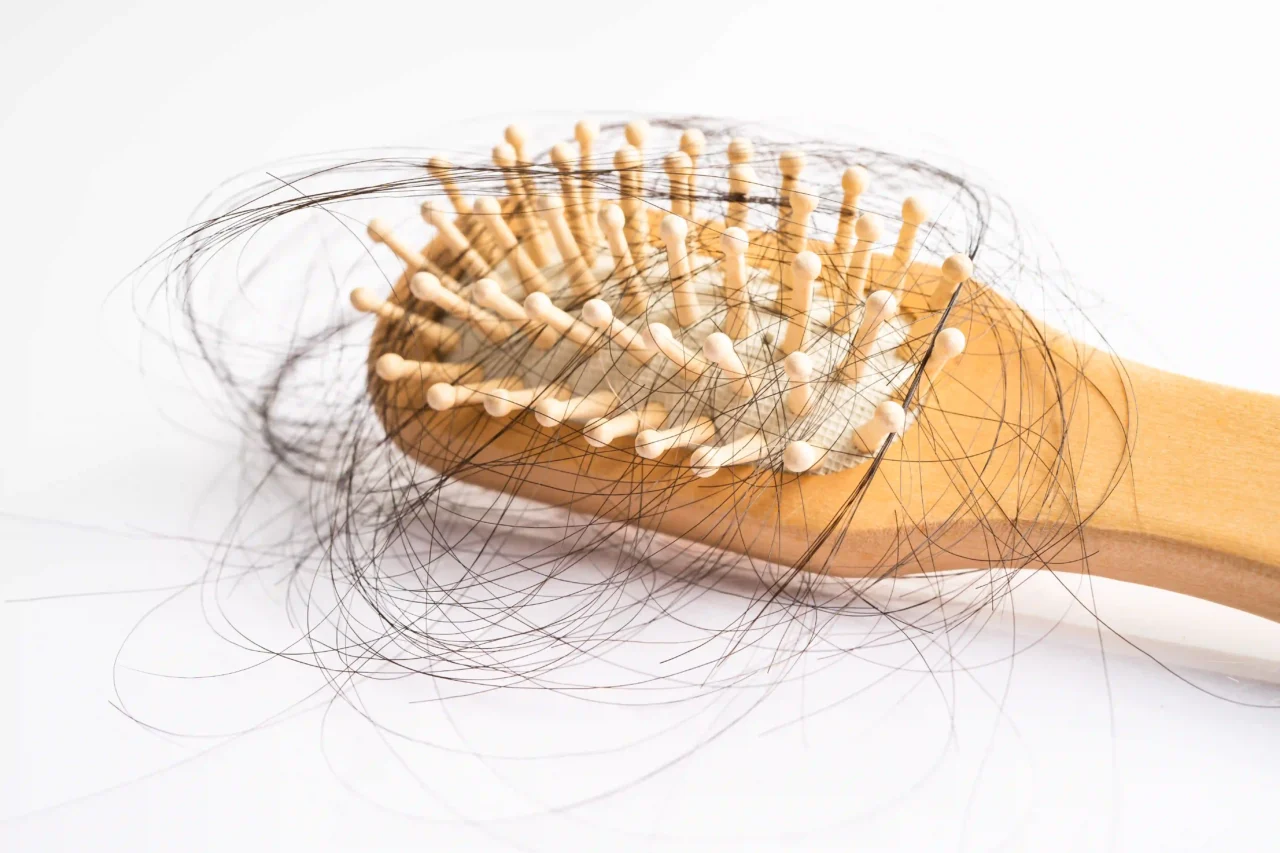
Keep in mind that looking at hair as a reflection of overall health doesn’t mean assuming every change is evidence of an internal health problem. It’s easy to fall victim to online self-diagnosis and read grave prognoses that can create more questions than clarity.
Think of hair as one clue in a bigger picture, not something to use for self-diagnosis. Not every period of excessive shedding means your hair is permanently thinning. But neither should persistent changes automatically be dismissed as simply having a stressful week.
If your shedding suddenly becomes excessive, if you notice significant thinning or bald spots, or if your hair changes alongside other physical symptoms, that’s when it may be worth consulting a dermatologist or doctor to determine what’s actually happening. “The best advice is seek consultation,” says Dr. Arambulo- Cordero. “Because you have to differentiate temporary hair loss from permanent hair loss. And it’s best to know what’s really happening.”
Ultimately, hair health is about more than making your strands look shiny and smooth. It’s about knowing that the confidence that comes with healthy hair is also rooted in the assurance that we’re caring for not just our strands, but our entire body.
Frequently Asked Questions
Sudden or excessive hair shedding can signal internal changes like stress, hormonal imbalance, or nutritional deficiency. Dermatologists say hair growth begins in living follicles, making shedding a possible early indicator of what is happening elsewhere in the body.
High cortisol from stress can push hair follicles into a resting phase, causing telogen effluvium, temporary shedding that shows up weeks or months later. Stress can also worsen androgenetic alopecia, the genetic and more permanent form of hair loss.
Thyroid disorders, polycystic ovarian syndrome, and shifts in estrogen from postpartum or menopause can all affect hair. Hypothyroidism causes coarse, thinning hair, while androgen-related PCOS can thin hair at the crown while increasing facial or body hair.
Deficiencies in iron, vitamin B12, zinc, and magnesium can deprive hair follicles of the building blocks needed for growth. Endocrinologists recommend blood testing to confirm a deficiency before starting supplementation rather than self-diagnosing from hair changes alone.
Consult a dermatologist if shedding suddenly becomes excessive, if you notice visible thinning or bald spots, or if hair changes come with other symptoms. A doctor can determine whether the cause is temporary stress or a more permanent, hormone-related condition.