When Beauty Stopped Hurting: Unlearning the Tiis-Ganda Mindset
Throughout history, women have been conditioned to think that to achieve certain beauty standards, we must smile through the pain and endure through the uncomfortable. But in today’s digital age, with Gen Z prioritizing comfort and self-expression, has the mindset indeed shifted?


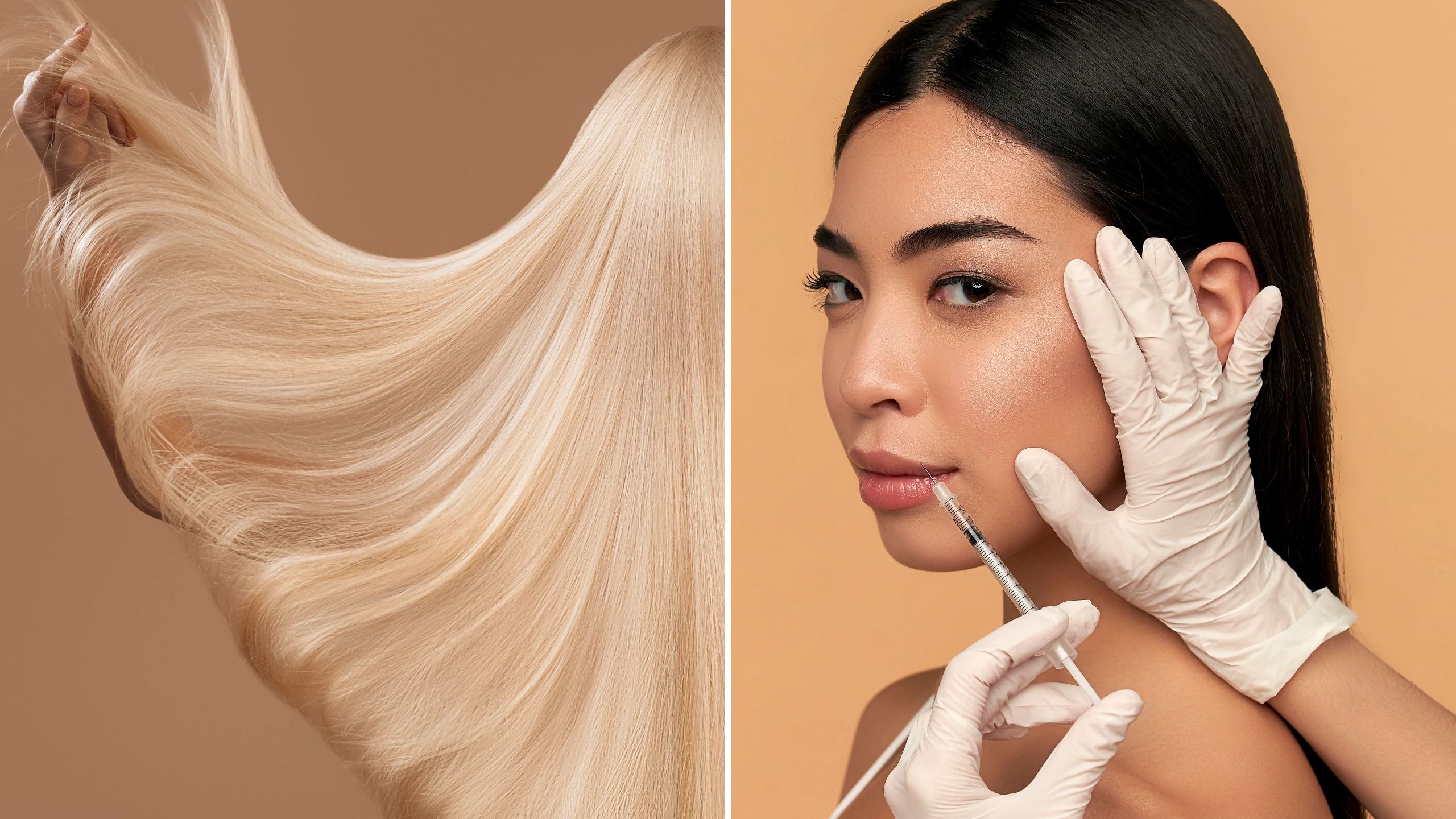
Did you know that modern eyelash extensions were inspired by a very disturbing procedure? In the late 1800s, Parisian women tried to achieve thicker, more seductive lashes by having human hair threaded through their eyelids with a needle.
Across centuries and cultures, the female body has been trained to endure pain to be more attractive and desirable. Victorian corsets used steel or whalebone to compress women’s waists into 18-inch silhouettes. This commonly resulted in breathing difficulties, a bruised torso, and even a few broken ribs. In China, the painful practice of foot binding turned small feet into a marker of beauty, class, and marriageability, even if it left women physically disabled and compromised their mobility.
In the Philippines, we have our own phrase for this mindset: tiis ganda. Literally, to suffer for beauty. It is often said by women as a joke right before entering a wax appointment, squeezing into shape wear, or wearing five-inch heels to a social event. But beneath the humor is a norm that older generations were conditioned to believe. That beauty was sacrifice, and one just needs to smile through the discomfort.
How do I suffer for beauty? Let me count the ways
When TV host Suzi Entrata Abrera entered the television industry in 1996, the beauty standards of that period were impossible to separate from color and class. “There were more mestiza women on TV,” she recalls. “I believed then that in order to be regarded as ‘beautiful,’ it meant that one had a strong Spanish lineage. Fair-skinned, bright eyes, slightly brown hair instead of morena with dark hair.”
The obsession with white skin normalized skin bleaching among celebrities and ordinary women alike. In the 1990s, with limited safety regulation and minimal access to dermatologist-approved regimens, many Filipino women turned to aggressive products and over-the-counter creams that contained harsh ingredients such as high levels of hydroquinone, strong steroids, or even mercury. Others relied on acidic home remedies or used laundry soap for bathing. These ingredients triggered severe peeling, inflammation, and a constant stinging sensation. Some users even experienced severe chemical burns and lasting skin damage.
Abrera says she was thankful to have started on a show where the job required her to be adept at sports and other physical activities, rather than place unnecessary focus on her physical color. “Morenas are now being celebrated more, and I’m so loving it!” she shares. “Back in grade school, boys would make fun of me being dark. Nowadays, people would compliment me that my tanned skin is so nice and ‘pantay’.”
For Gen Z content creator Larra Lassam, the rejection of whitening culture is one of the most meaningful shifts in beauty today. Asked which tiis ganda practice she is most relieved younger women no longer feel bound to, she answers immediately: “Skin whitening and anything to do with colorism!” She feels inspired seeing more people embrace their natural color, or at least no longer treat fair skin as the default standard of beauty.
Nicole Tejano-Sambile, a millennial content creator and marketing executive who previously worked with global beauty brands, believes that while the beauty industry did not invent the “tiis ganda” mindset, it certainly benefited from it. “It reflects a very human belief that if something didn’t challenge us or push us through some kind of hardship, the outcome feels somehow less earned, less worth it,” she explains. She adds that some brands “leaned into it and rode that ‘no pain, no gain’ wave, making suffering for beauty feel almost aspirational.”
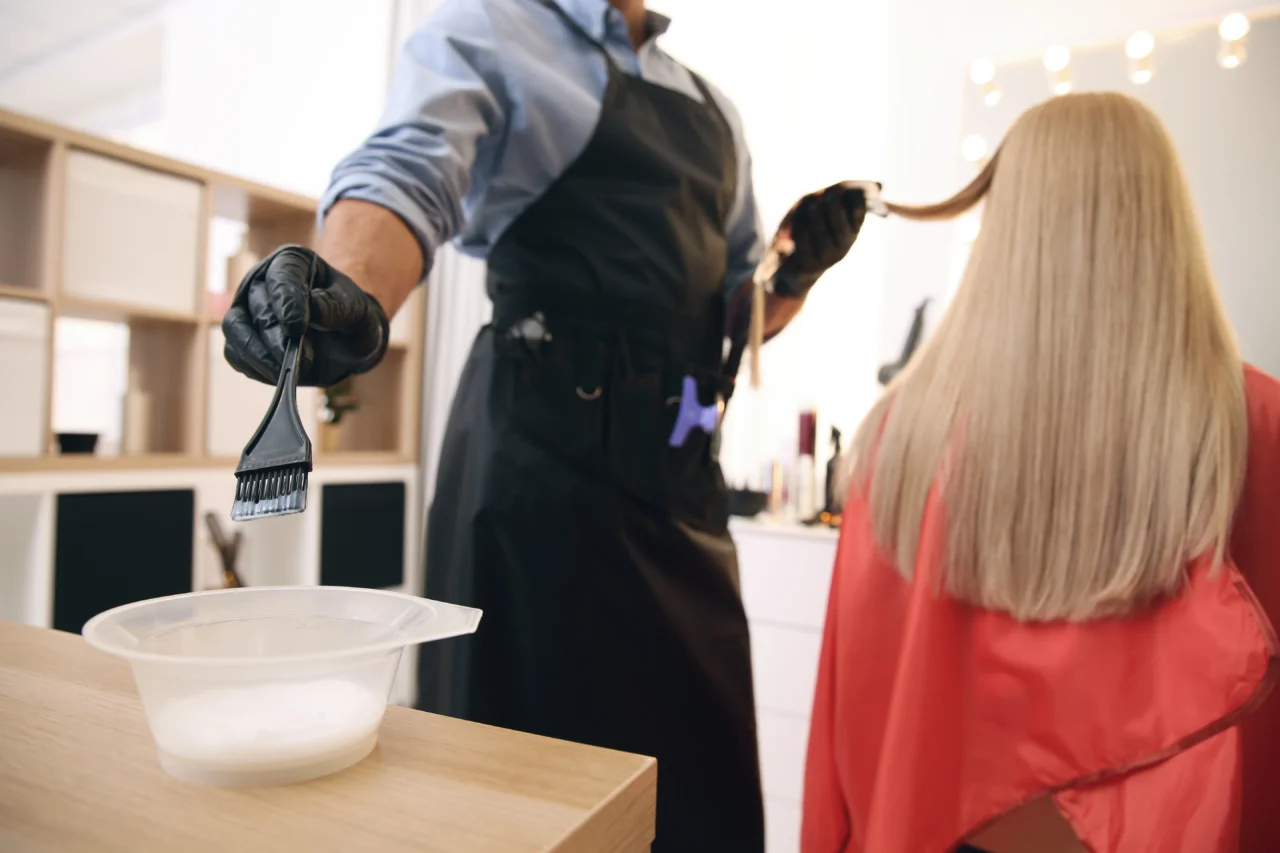
She shares her own tiis ganda memories that are familiar to many women: eyebrow threading and facial extractions. “It hurt. Every. Single. Time.” she says. Bleaching her hair constantly was another one. She loved having red hair, but remembers her scalp burning and her hair taking years to recover from the damage.
Envato Images
Comfort in the cosmetic
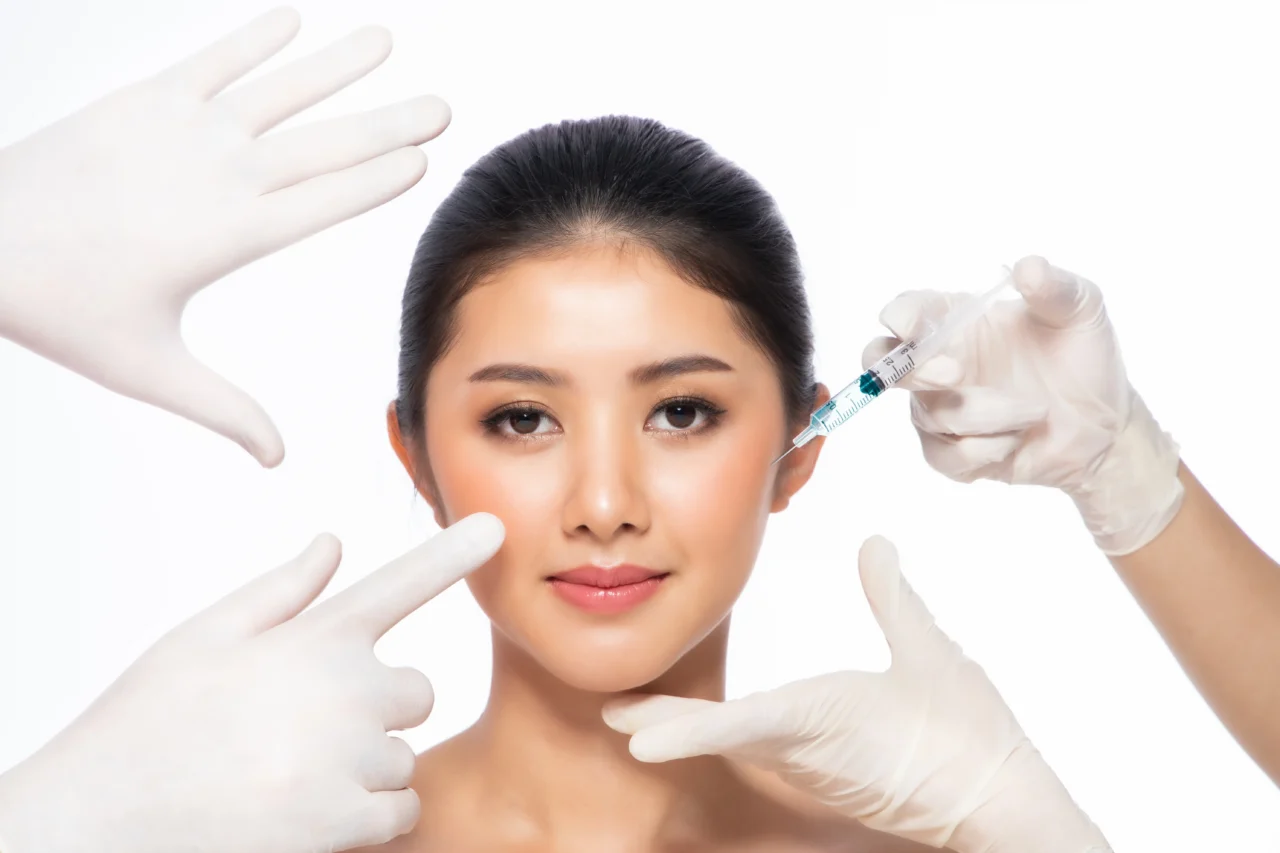
Dr. Patricia Pastrana-Mabanta, a board-certified dermatologist and US fellowship-trained pediatric dermatologist, explains that older beauty culture was partly shaped by limited options. She remembers subscribing to tiis ganda herself when she was younger. Early laser hair removal procedures were “intensely uncomfortable,” while manual acne surgeries were “downright painful.” At the time, patients had fewer ways to research treatments or explore gentler alternatives. “I simply placed absolute clinical trust in my doctors, enduring the physical distress because it was accepted as the singular pathway to resolution.”
Dr. Pastrana-Mabanta now sees an important change in clinical practice, where patient comfort is considered an integral part of care itself. “The paradigm of modern dermatology is no longer about forcing patients to suffer for efficacy,” she says. “The goal of the industry today is optimization—refining our technologies so that the journey toward skin health and rejuvenation is as gentle, comfortable, and accessible as possible.”
Still, the decline of physical discomfort does not mean beauty has become painless. Younger women are often pressured to endure something less visible: the psychological weight of a digitized aesthetic standard. Dr. Pastrana-Mabanta sees this in younger patients who obsess over pores, texture, facial asymmetry, and signs of aging that previous generations may not have noticed at all. “They sometimes present with an intense hyper-fixation on microscopic, physiological realities—like natural pore size and texture—treating them as pathologies to be eradicated,” Dr. Pastrana-Mabanta says. “Their pressure is no longer about enduring physical ‘tiis ganda’ but about achieving an unattainable, airbrushed existence in real life.”
Tejano-Sambile also sees a unique pressure coming from the speed of beauty innovation, as well as from algorithms that constantly market them. “The pace at which new products, treatments, and procedures are being released is relentless, and that comes with a quiet pressure to always try the next thing even when you genuinely don’t need it,” she says. She also worries that the obsession with instant results is making people lose patience for slower, consistent habits that actually work, “Not everything in beauty needs to be instant.”
Tiis-ganda in the digital age
This may be the new contradiction of beauty today. Women feel freer to choose comfort and function such as wearing sneakers to an event or abandoning bandage dresses in favor of loose-fitting outfits. But this is also a time when women’s bodies and faces are constantly captured, filtered, posted, compared, and measured by strangers against a moving algorithmic ideal. Women may no longer be required to bleach, burn, and bind. But they are pressured to perform the exhausting task of projecting outward confidence, while secretly managing their insecurities.
Lassam understands this tension well. She believes Gen Z has shifted beauty away from perfection and more toward individuality and creative expression. But she also thinks her generation still struggles with “balancing self-expression with overconsumption, authenticity with performance, and empowerment with the pressure to constantly self-optimize.”
She navigates the pressure by meeting it with compassion. “I try to go back to my mantra of I am beautiful regardless of and despite,” she says. She reminds herself that beauty cannot be taken away by trends, media, other people’s opinions, or even her own difficult thoughts in a moment. When comparison does creep in, she acknowledges it without shame, limits social media exposure when needed, dances to music she likes, and returns to real life as a reminder of her individuality.
Envato Images
True beauty: a personal metric
Perhaps the opposite of “tiis ganda” is not effortless beauty. The tools might be painless and more accessible, but it still takes a lot of inner work to develop the self-awareness to discern: Does this feel good? Does this honor my body? Did I choose this freely? Am I doing this from joy, confidence, curiosity, or fear?
Tejano-Sambile’s own story reflects this journey. Her relationship with beauty originally stemmed from a place of lack until she learned to embrace fully who she is. “When I was younger, I reached for beauty to find confidence,” she shares. “Makeup and treatments mostly felt like it was about correction. Fixing something, improving something, always geared toward changing a part of myself I wasn’t fully okay with yet.”
As she got older, beauty became a way to express herself, treat herself, and spend time with the people she loves. “Beauty now enhances and confirms the confidence that’s already within me. I genuinely have more fun with it now and overthink it less,” she says.
The era of needless suffering for beauty has finally ended, but Dr. Pastrana-Mabanta emphasizes that meaningful care and skin health still require effort: discipline, consistency, patience, sun protection, and lifestyle choices. What she does hope to help change is the obsession with an airbrushed, anatomically impossible facade. “My hope is for the youth to cultivate a foundational confidence that allows them to feel genuinely secure and comfortable in their own skin, filtered out from the digital noise.”
Frequently Asked Questions
Tiis ganda is a Filipino phrase meaning “to suffer for beauty.” It once described the cultural norm that beauty required physical sacrifice — from chemical burns caused by aggressive skin-whitening products to painful extractions and corset-like shapewear. Today, the phrase is used humorously, as beauty culture gradually shifts toward comfort and self-acceptance.
Physical pain has largely been replaced by psychological pressure. Dermatologist Dr. Patricia Pastrana-Mabanta observes that younger patients hyper-fixate on natural features like pore size and facial asymmetry — treating them as flaws to be corrected. The new tiis ganda is the exhausting pursuit of an airbrushed, algorithmically driven appearance in real life.
Experts recommend practicing self-compassion, limiting social media exposure when comparison becomes harmful, and returning to real-life experiences as a grounding anchor. Content creator Larra Lassam suggests reminding yourself that beauty cannot be taken away by trends, other people’s opinions, or difficult thoughts in a passing moment.
Fair skin was long equated with class and desirability in the Philippines, normalizing aggressive skin-bleaching practices with little safety regulation. Today, morena skin and natural features are increasingly celebrated. TV host Suzi Entrata Abrera notes that the same dark skin she was mocked for in grade school is now complimented as beautiful.
Patient comfort is now considered an integral part of clinical care. Dr. Pastrana-Mabanta explains that modern dermatology no longer requires patients to endure pain for results — the goal is optimizing technologies so that the path to skin health is as gentle, accessible, and comfortable as possible without sacrificing efficacy.