

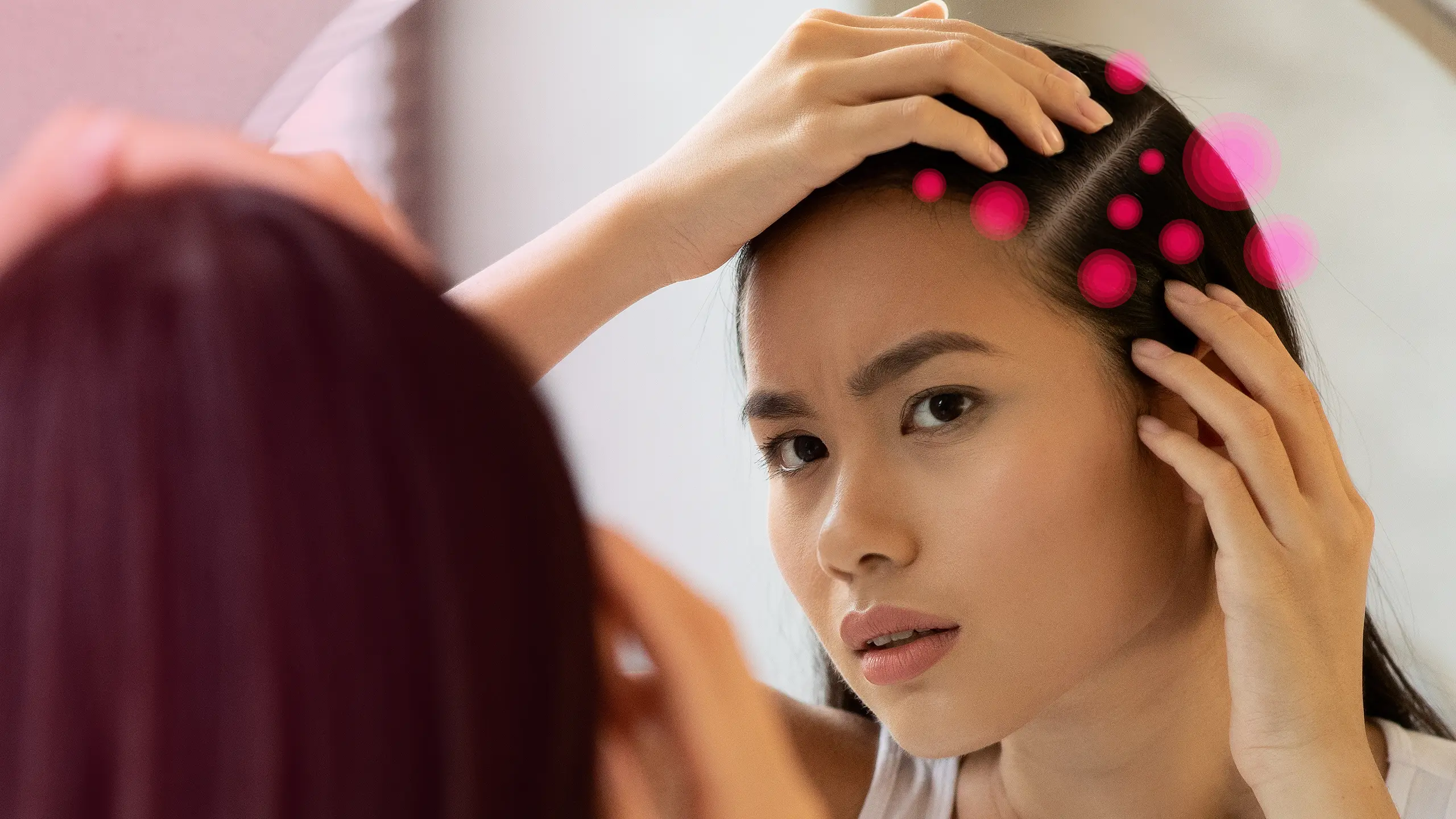
Recently, during a lazy weekend, my boyfriend and I came across an episode of the American TV series, Dr. Pimple Popper. Now, I have a pretty high threshold for blood and gore, but was I ready to see board-certified dermatologist Sandra Lee, MD pop two giant cysts on a patient’s head? I was not, and I will never look at gnocchi the same ever again. However, scalp acne isn’t just a TV phenomena. It’s an everyday occurrence that many more people experience than you might think.
“Scalp acne refers to pimples scattered throughout the scalp, whereas folliculitis refers to infections and/or inflammation around the hair follicles,” explains Carlos A. Charles,MD, a board-certified dermatologist in New York City. “[It’s] typically seen more frequently in people that also have facial acne.”
OK, so before you freak out, I spoke to a few more dermatologists and trichologists to get to the bottom of why scalp pimples occur in the first place—and how to prevent it with the right hair-care routine in the future.
Meet the experts:
Deanne Mraz Robinson, MD, is a board-certified dermatologist in Westport, Connecticut.
Penny James is trichologist in New York City.
Carlos A. Charles, MD, is a board-certified dermatologist in New York City.
Shari Hicks-Graham, MD, is a board-certified dermatologist in Columbus, Ohio.
What is scalp acne?
Envato Images
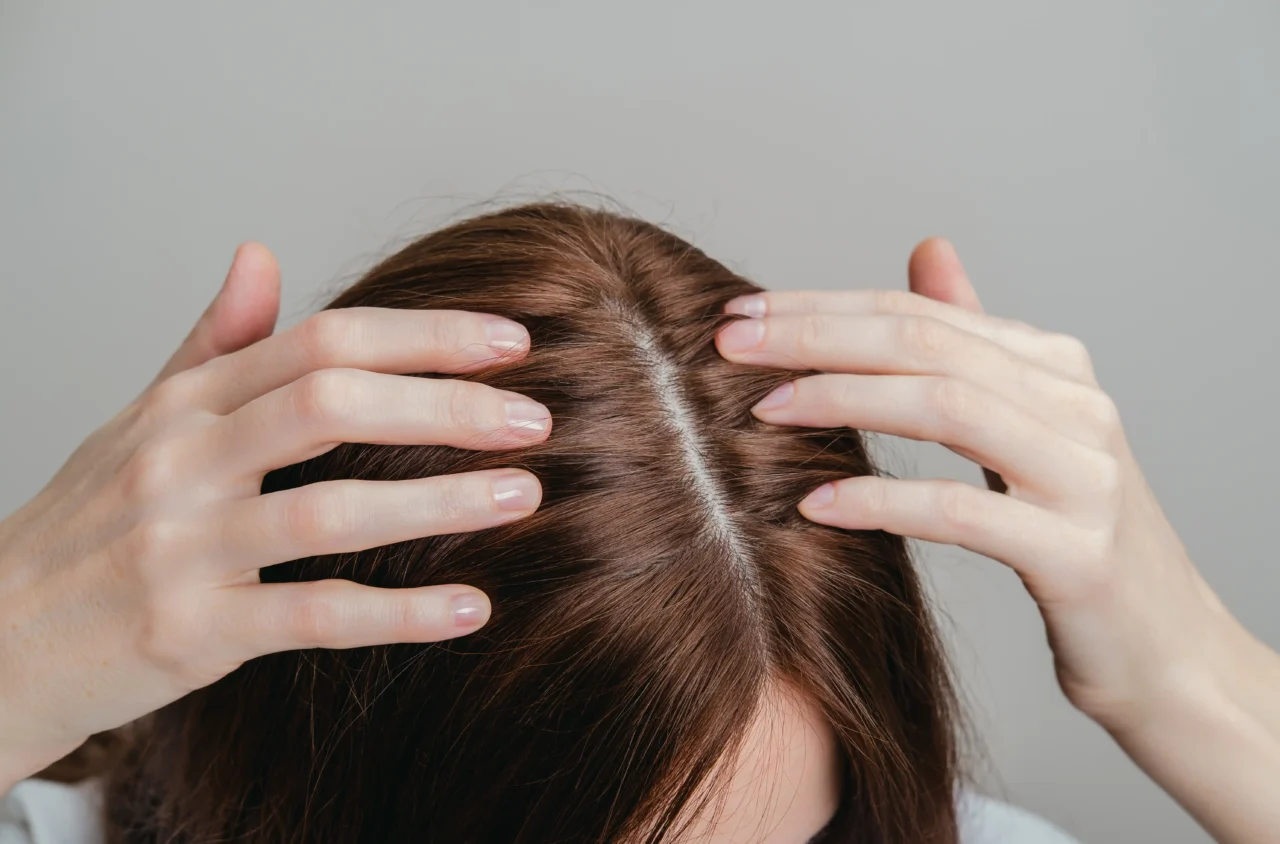
We all know what pimples look like, but now imagine those around the hairline or even underneath your hair. Yep, that’s scalp acne. On a more technical tip, according to Deanne Mraz Robinson, MD, a board-certified dermatologist in Westport, Connecticut, scalp acne “is a form of folliculitis or inflammation of the hair follicles.” “At times it can be caused by irritation, bacteria, fungal, or other infections. You can also have traditional acne around the hairline if you are prone to facial acne,” says Dr. Robinson.
However, New York City-based salon owner and trichologist Penny James further explains these aren’t to be confused with seborrheic dermatitis (often due to an overactive serum on the scalp combined with inflamed skin causes large flakes of skin) or pilar cysts (which are filled with keratin from the hair follicle and relatively harmless). Be mindful of self-diagnosing yourself with “scalp acne,” as it can have several etiologies and can occasionally be something more serious than the typical breakout.
You might be worried that your dandruff is causing your pimples, but that’s likely not the case. According to Dr. Charles, there isn’t a specific link between the two but an oily scalp could be the culprit. “Those with dandruff tend to have excess oil and sebaceous activity in the scalp,” he says. “They also may be more prone to acne breakouts.”
Just like facial acne, there are a number of reasons why acne pops up on your scalp: stress, hormonal balances, certain foods, and abnormal immune responses can all be contributing factors. Often oil-based products like heavy pomades or hairspray can cause clogging of the pores or glands, which makes washing (and styling) your hair with the right products even more important.
According to Shari Hicks-Graham, MD, a board-certified dermatologist in Columbus, Ohio, those with oily hair textures (or scalps) may be more predisposed to scalp acne or papules “because the extra sebaceous gland activity that produces the oil also supports an environment that promotes bacterial growth—especially propionibacterium acnes— and other forms of bacteria like staph and strep.”
What shouldn’t you do if you get a scalp breakout?
It is never a good idea to squeeze, pick, or pop a pimple on the scalp (or anywhere else) unless it is performed in a medical environment “with techniques and products to prevent ongoing trauma or infection of the skin,” explains Dr. Hicks-Graham. “In many cases, the pressure from these behaviors causes the infection and inflammation of the pimple to go deeper into the skin and become more buried, which can prolong the course of the lesion.”
Ultimately, this can lead to more scarring of the skin and hair loss. Moral of the story? Hands off.
What can you do to treat scalp acne?
Make your wash-day routine count by lathering up with medicated shampoos formulated with antibacterial ingredients, such as sulfur and salicylic acid. “I suggest washing every other day,” says Dr. Robinson. “It’s best to lather and let the anti-inflammatory shampoo sit for five minutes before rinsing for best effect.”
If you head to your dermatologist or healthcare provider, they may prescribe topical options such as topical clindamycin, erythromycin, benzoyl peroxide, salicylic acid, or glycolic acid. “For more severe cases, oral antibiotics or oral retinoids are prescribed,” says Dr. Hicks-Graham.
What can you do to prevent scalp acne?
Despite a lack of information on scalp acne on the World Wide Web, Dr. Carlos assures that the condition isn’t that uncommon and that he treats patients pretty frequently. “Helping to prevent oil and flaky build-up can be extremely helpful,” says Dr. Carols. “Ketoconazole shampoo (which can be purchased over the counter at a one percent strength or the prescription strength of two percent) are two good options.”
On the flip slide, Dr. Carlos cautions that while shampoos like these are helpful to combat an oily scalp, they can dry out your hair if you overuse them. “If acne bumps develop, look for [hair-care] products containing glycolic acid or even tea tree oil to apply directly to the offending bumps,” says Dr. Carlos. “This can assist in eliminating bacteria and speeding the process of eradicating the pimple.”
And finally, if lesions persist after attempting these simple remedies the experts agree that it’s a good idea to see a dermatologist for a thorough evaluation.
Originally published in Allure US.
Frequently Asked Questions
Scalp acne is a form of folliculitis, or inflammation of the hair follicles, caused by irritation, bacteria, fungal infection, or excess sebaceous activity. Those prone to facial acne are more likely to also experience scalp acne, according to dermatologist Carlos A. Charles, MD.
No — dandruff and scalp acne are not directly linked, though an oily scalp can contribute to both. Those with dandruff tend to have excess oil and sebaceous activity, which can also make them more prone to acne breakouts, per Dr. Charles.
No. Popping a scalp pimple outside a medical setting can push infection and inflammation deeper into the skin, prolonging healing and increasing the risk of scarring or hair loss, according to dermatologist Shari Hicks-Graham, MD.
Medicated shampoos with sulfur or salicylic acid, left on for five minutes before rinsing, are a first step. Dermatologists may also prescribe topical clindamycin, benzoyl peroxide, or glycolic acid, with oral antibiotics or retinoids reserved for more severe cases.
Ketoconazole shampoo, available over the counter or by prescription, helps prevent oil and flaky buildup that contributes to scalp acne. Overuse can dry out hair, so dermatologists recommend pairing it with glycolic acid or tea tree oil spot treatments as needed.