

In a previous article, we asked five dermatologists to define healthy skin. As it turns out, healthy skin isn’t poreless, flawless, or glowy. So, where did those ideals come from, and why do they still dominate how Filipinos measure their own skin?
Turns out, most of it doesn’t even hold up under dermatological scrutiny. We went back to the same board-certified dermatologists—Vicki Belo, MD, Raissa Francisco-Pasion, MD, FPDS, and Francesca Sumilang Sy-Alvarado, MD—and asked them to call out the myths and misconceptions they hear most often, from patients and social media alike.
Myth #1: Healthy skin is poreless
Envato Images
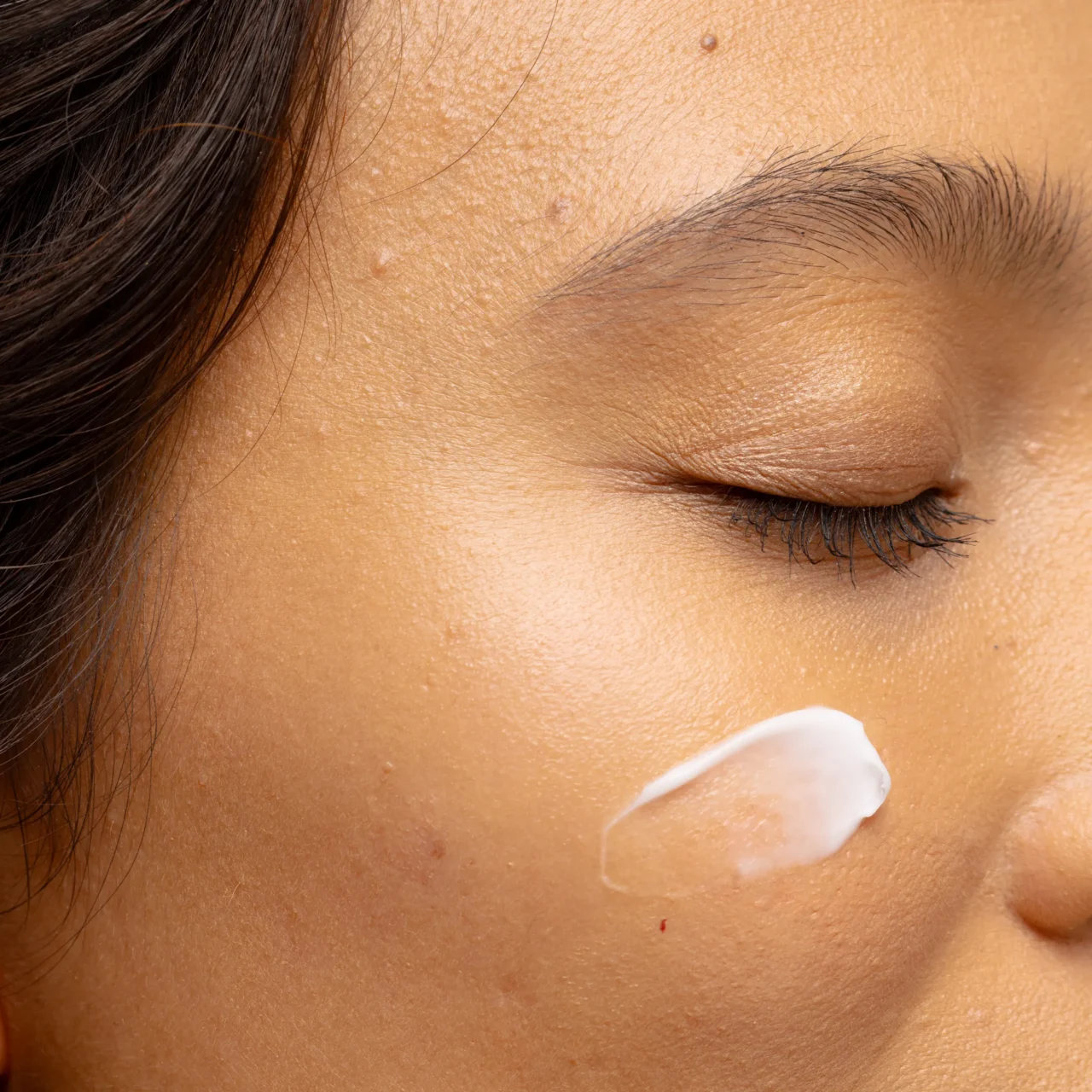
While having “poreless skin” seems to be the ideal most of us are chasing, Dr. Vicki Belo says the right words are “smaller,” “fine,” and “hard-to-see” pores. “Patients always tell me, ‘I don’t want any pores,’” she noted. “[But] Pores are there for a reason.” If people continue to chase this “poreless” ideal, she said, “Everything will get stuck inside like all the toxins, sweat, and everything; eventually you’ll have ugly skin.”
Myth #2: Healthy skin is fair and should be even-toned
Envato Images
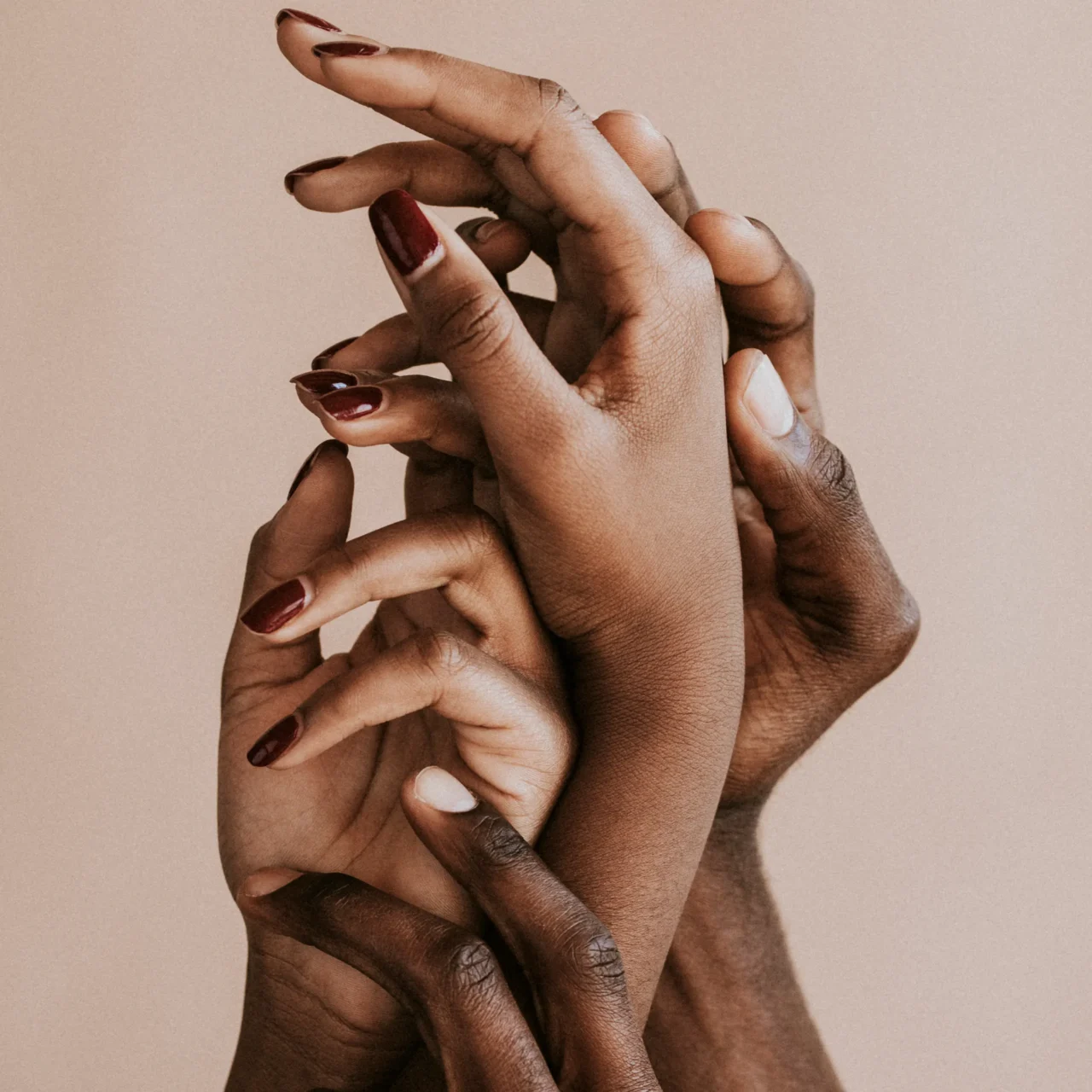
Other words that keep surfacing in these kinds of conversations are “fair” and “even-toned.” Dr. Raissa Francisco-Pasion doesn’t take this lightly and goes straight into it: “Part of this [belief] stems from our colonial history and beauty standards that have traditionally equated fair skin with beauty. Today, we have an opportunity to embrace a more inclusive definition of beauty that celebrates the full spectrum of Filipino skin tones,” she explained.
Dr. Belo says it precisely: “Even-toned skin is healthy skin, but healthy skin doesn’t have to be even-toned.”
And Dr. Francesca Sumilang Sy-Alvarado grounds her definition in biology. “Flexural hyperpigmentationHyperpigmentationDark spots or uneven patches that appear when skin produces excess melanin, often after sun exposure, acne, or irritation. It is especially common in morena skin, and treatment relies onGo to Hyperpigmentation Glossary is more common in Filipinos who are Fitzpatrick skin types IV to V,” she explains. “Just a bit of constrant friction and minimal irritation on the elbows, knees, underarms, and groin could trigger darkening of these areas.”
She also adds that post-inflammatory hyperpigmentationHyperpigmentationDark spots or uneven patches that appear when skin produces excess melanin, often after sun exposure, acne, or irritation. It is especially common in morena skin, and treatment relies onGo to Hyperpigmentation Glossary and even hypopigmentation from minor skin injuries, can also happen. “In general, melanocytes (pigment-producing cells) in people of our ethnicity are more sensitive and reactive to the environment.”
Myth #3: Glowing skin equals healthy skin
Envato Images
Dermatologists believe that the glow is real, but it’s not the point of it all.
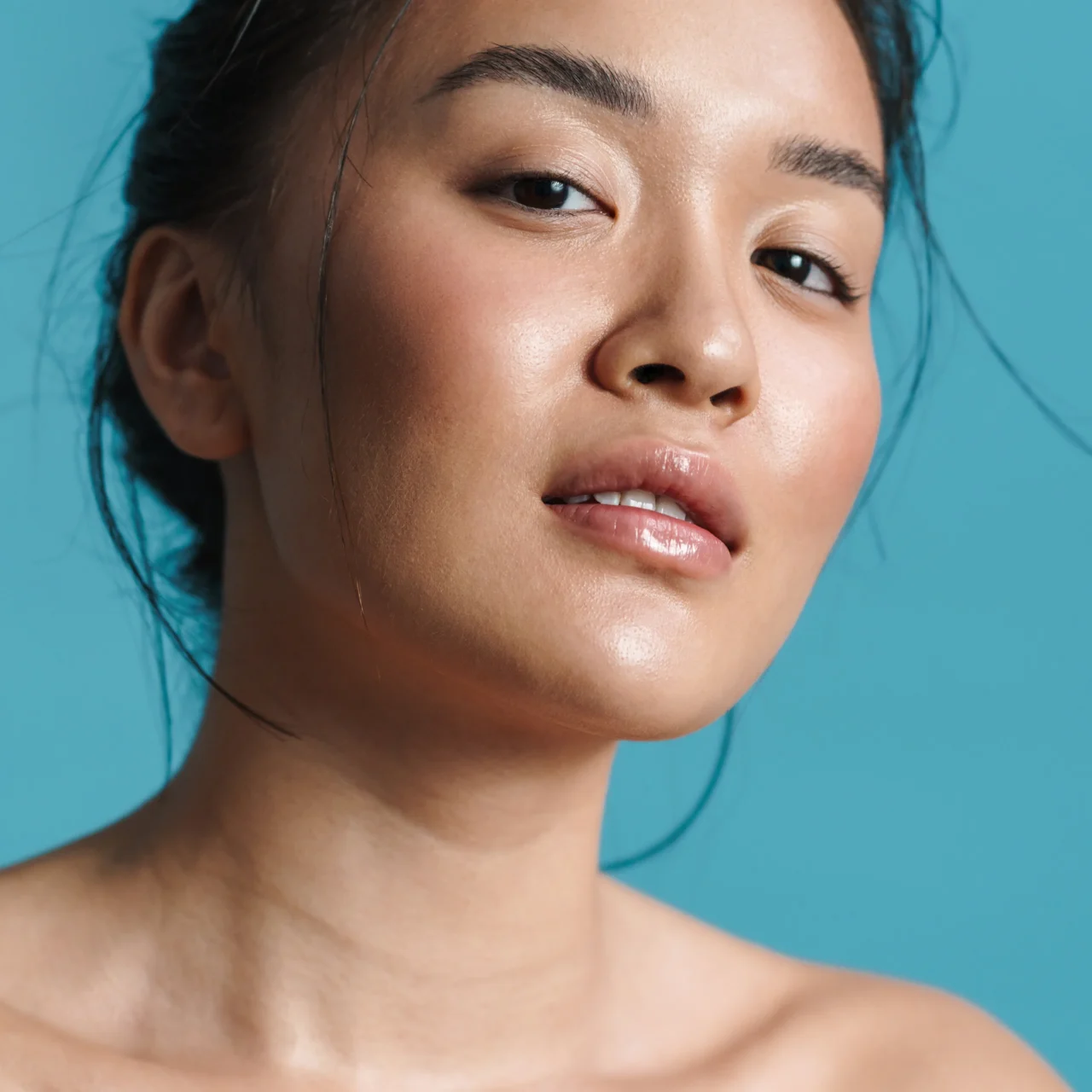
Dr. Francisco-Pasion says that “glow is a reflection of healthy skin, but not a measure of it.” “You can create the appearance of glowing skin with makeup, skincare, or good lighting, while someone with perfectly healthy skin may not have that dewy ‘glass skin” look at all,” she explains. “I tell my patients that glow is the bonus—not the goal.”
Dr. Sy-Alvarado backs this with a clinic lens: “Radiance is only one of the four recognized markers of skin quality, but people chase it the hardest because of the glass-skin trend. “This is a real indicator, but difficult to qualify with just the naked eye,” Dr. Sy-Alvarado said.
Dr. Belo offers a more literal take: “Glowing skin means your skin is so even and smooth that when light strikes your face, it reflects.” She even described how some celebrities’ faces often have their own ring lights because of how glowy their faces look.
The bottom line is, “glow” is read as a sign of having healthy skin—not the diagnosis.
Myth #4: There’s one universal definition of “healthy” skin

Envato Images
Yes, factors like skin type, age, genetics, and environment shape “healthy” skin. But, the three dermatologists agree that there’s no such thing as universally healthy skin—only healthy skin for your context.
Dr. Belo illustrates it with an easy-to-understand comparison: “If you would compare a monk who was 75 years old who lived in the Himalayan mountains and a normal 75-year-old in the city, the monk’s skin is clear, with fewer visible age line than the person living in the city.”
Dr. Francisco-Pasion acknowledges that while genetics can directly influence skin type, pigment, pore size, and more, there are still some factors that we can control. “We now know that our skin is shaped not just by genetics, but also by what we call the skin exposome—the cumulative effect of sun exposure, pollution, smoking, nutrition, stress, sleep, and other environmental factors,” she explained.
“These daily exposures add up over time and have a significant impact on how our skin functions and ages. For Filipinos, our tropical climate also shapes what healthy skin looks like.”
Dr. Sy-Alvarado frames it through a clinical lens: “Both intrinsic factors (e.g., skin type, age, genetics, skin tone) and environment (e.g., UV and pollution exposures) influence our overall skin health,” she explained. “Knowing our skin types and genetic- and age-related changes in the skin helps us optimize what products and treatments to maintain and what environmental factors to avoid.”
Myth #5: Filipino skin issues can be resolved by hygiene and effort

Envato Images
We’ve all heard the common “ang itim naman!” comments about some part of our body before, but the real answer is: hyperpigmentationHyperpigmentationDark spots or uneven patches that appear when skin produces excess melanin, often after sun exposure, acne, or irritation. It is especially common in morena skin, and treatment relies onGo to Hyperpigmentation Glossary is normal.
Dr. Francisco-Pasion explains it bluntly, noting how Filipinos have more pigment-producing cells. “Most of us have Fitzpatrick skin types III to V, which means our melanocytes—the cells that produce pigment—are more active and responsive,” she explained. “As a result, our skin is more prone to producing excess pigment after even minor inflammation or repeated friction.”
Meaning, all the discoloration in our underarms, elbows, knees, knuckles, or inner thighs? It’s normal—and shouldn’t be shamed for.
Dr. Sy-Alvarado agrees, but adds more context: “To some degree, healthy skin may have minimal unevenness, especially when conditions such as rosacea, melasmaMelasmaA common condition that causes brown or gray-brown patches, usually on the cheeks, forehead, and upper lip. Hormones, sun, and heat can trigger it, so strict sun protection, including aGo to Melasma Glossary, or vitiligo are under control,” she said. “Conversely, when these skin conditions flare or are uncontrolled, they could lead to visible overall or localized redness, pigmentation, or hypopigmentation.”
We’ve redefined what healthy skin is and taken away the fair skin ideal, the poreless obsession, and the belief that evenness is equal to health. Now, we’re left with a much simpler explanation—one that has to do more with function than appearance and genetics and climate more than any routine.
Which brings up the last and most practical question: if healthy skin isn’t about chasing an ideal, what should we be doing for it every day?
Frequently Asked Questions
No—dermatologists say pores are functional, not flaws. Chasing a “poreless” look can trap sweat, oil, and toxins beneath the skin, eventually causing breakouts. Healthy pores are simply smaller, finer, and less noticeable, not absent.
No. Even-toned skin can be healthy, but healthy skin doesn’t require even tone. Filipino skin (Fitzpatrick types III–V) has more reactive melanocytes, making flexural darkening on elbows, knees, and underarms a normal biological response, not a flaw.
Not necessarily. Glow can come from makeup, skincare, or lighting, and reflects healthy skin without measuring it directly. Dermatologists call radiance a bonus indicator, not the diagnosis—some genuinely healthy skin never achieves that dewy look.
No. Genetics, age, environment, and what dermatologists call the “skin exposome”—sun, pollution, stress, and sleep—shape skin differently for each person. Tropical climate also means healthy skin looks different for Filipinos than for people elsewhere.
No. Filipinos typically have Fitzpatrick skin types III to V, meaning more active, reactive melanocytes. Discoloration on elbows, knees, and underarms from minor friction or inflammation is a normal biological response, not a hygiene issue.