

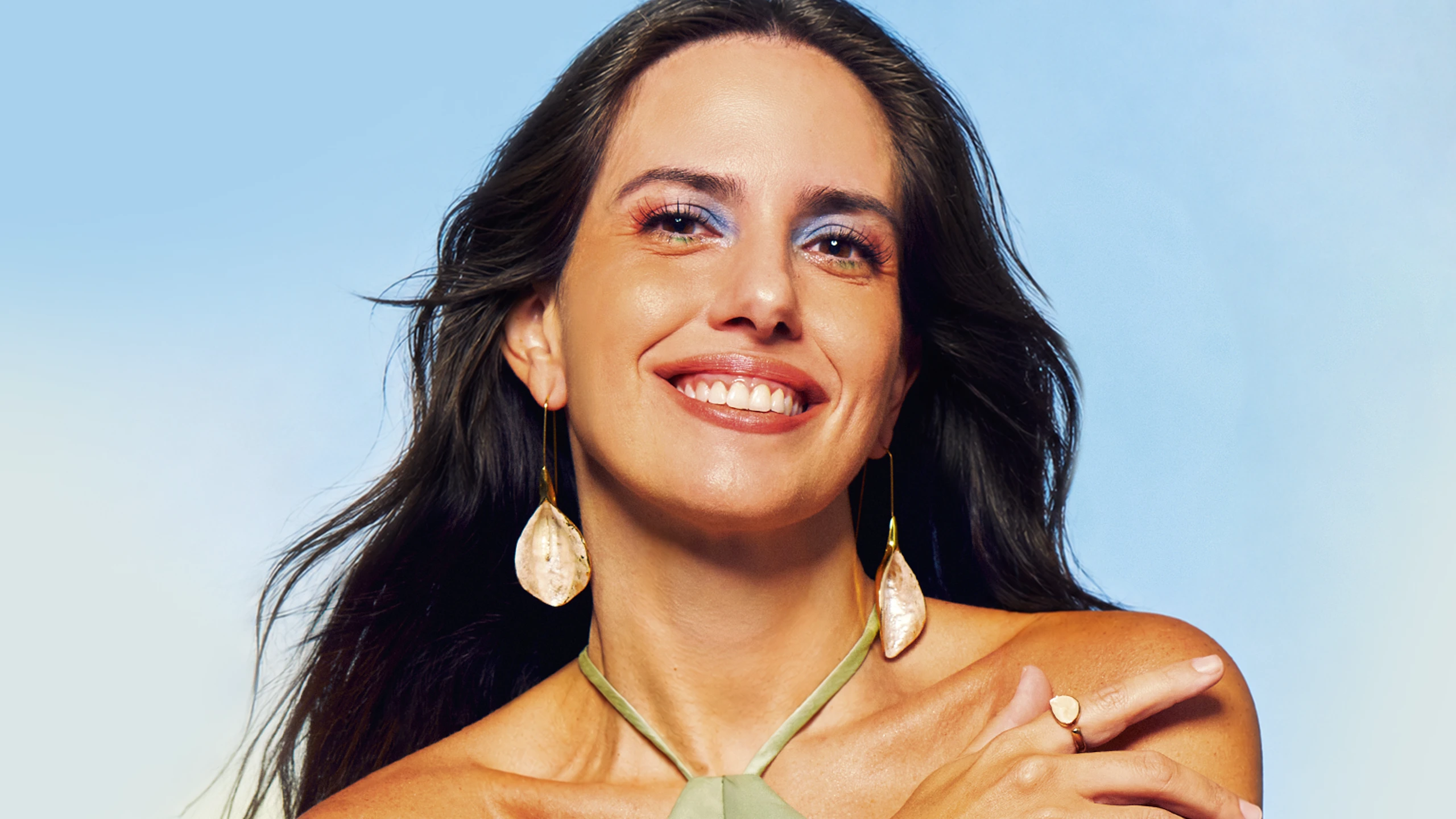
In a country made up of 7,641 islands, how do you schlep your belongings from one point to another?
Do you pack it all in a literal heavyweight of a backpack that can take sun, sand, storm? Or do you go by way of a woven, handcrafted confection, made by island artisans? Or, perhaps, like Pia Garcia-Morera, do you find one that is waterproof, lightweight, and easy to clean?
“I always like telling this story because it came as a bit of a fluke, just an opportunity that we had, an idea on the way to the beach,” Garcia-Morera says, as she launches into the oft-told story of how her homegrown bag brand Viajecito started.
On a beach trip, the co-founder’s mother-in-law walked in “with this really cool pink bag, bright pink with rope straps, rubber, super durable, and I asked her where she got it, and she said ‘on a store on a beach in Spain’.” Garcia-Morera, who worked in corporate advertising but had no background in business, was immediately enamored with how the bag married practicality with whimsy.
She asked her sister-in-law Marta Garcia-Morera, a lawyer based in Spain, if she wanted to bring the bags to the Philippines. Marta agreed, and they partnered with another lawyer friend Marla Batallones. Viajecito (Spanish for “little trip” or “short journey”) was born.
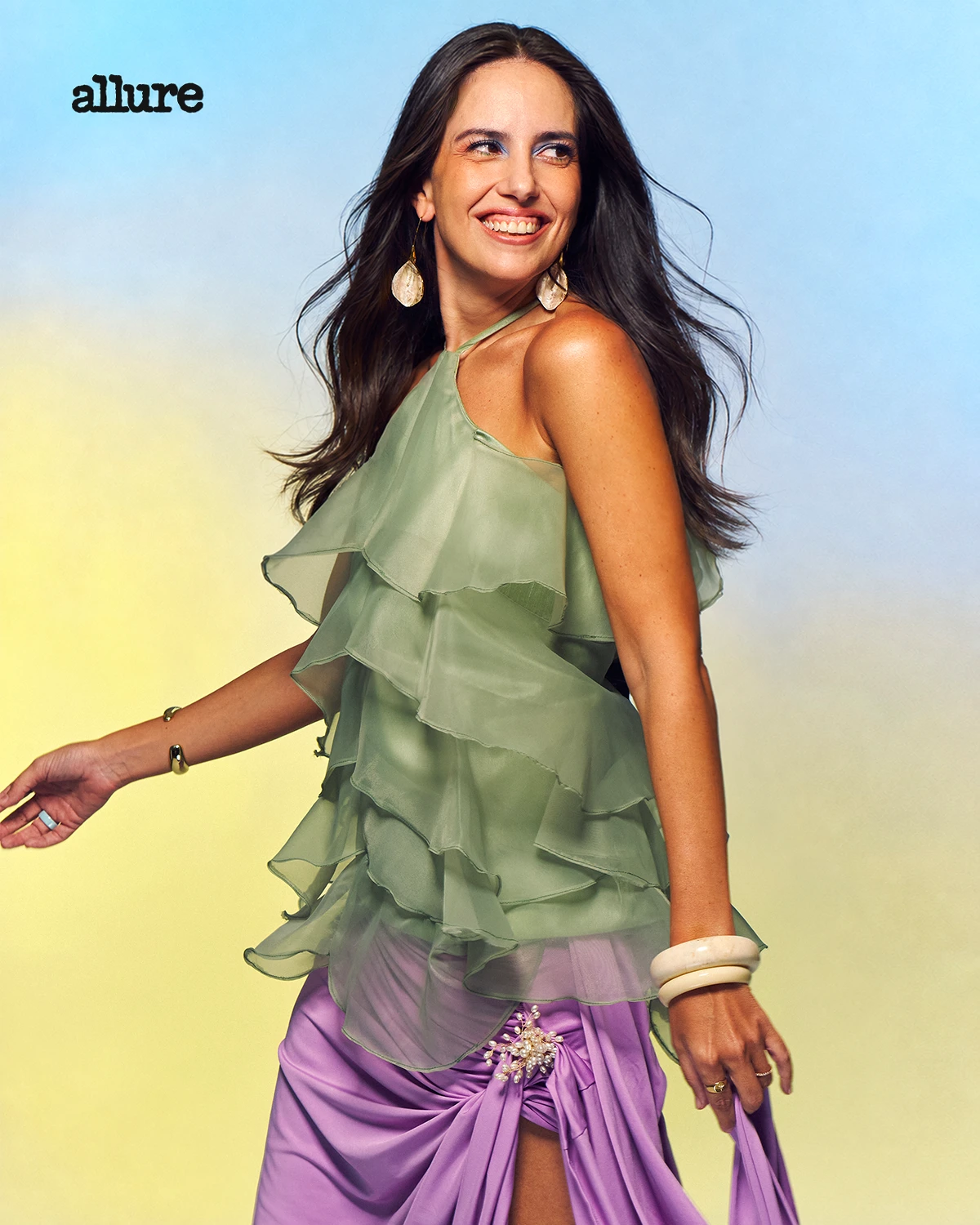
Grant Babia
At the time, Pia says, woven bags were all the rage. But while they were fine for our beaches, they were less so for our wet weather. She thought that Filipinos needed something more durable and better suited to the duality of our climate. “Bright colors, durable, designed with intention. Waterproof, easy to clean. I wanted something that was silicone-based,” she lists.
Fast forward, Viajecito has now been around for a decade. “When it first came about, it was really something fun. But when the pandemic came, the purpose of it became totally different,” Garcia-Morera shares. “People were looking at it as something easy to clean, a bag that they could use all the time. Over the decade we’ve been around, the one steady thing was that it was practical, but also something that looks pretty and makes you happy.”
At the very beginning, Garcia-Morera, a self-described “beach person,” confesses that as she and her co-founders were lugging their own Viajecito waterproof totes to the shore, they began the business primarily because they wanted the bags for themselves. “It was a self-serving, selfish product,” she chuckles, before musing, “but isn’t that where all small businesses come from? It’s something that you want for yourself, and you want to make it come to life.”
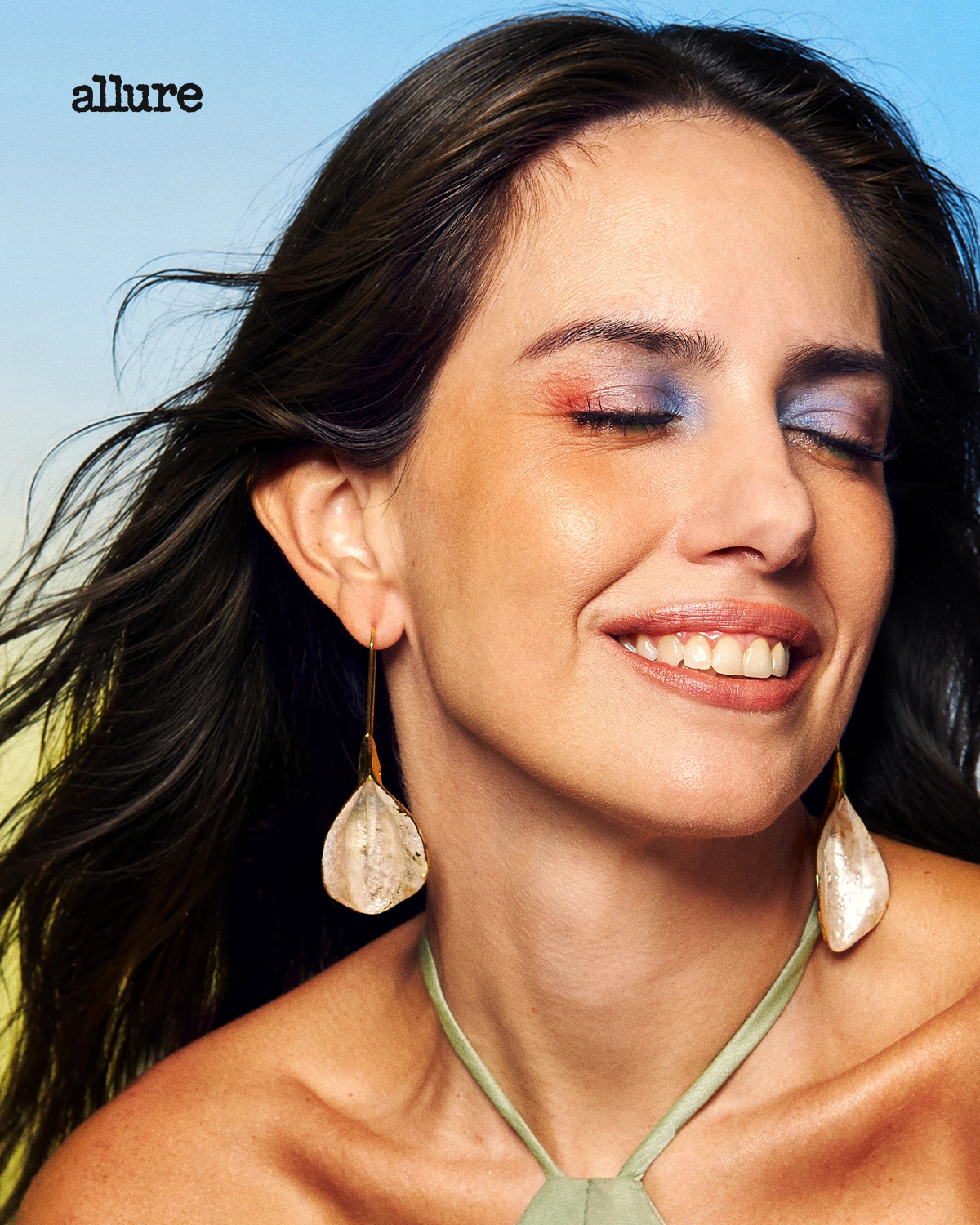
Grant Babia
Perhaps one of the most interesting things about Viajecito is that although it is made for the Filipino, all of its components come from elsewhere in the world, before coming together to be assembled in the Philippines—a truly global enterprise with a Filipino sensibility. In fact, sourcing, Garcia-Morera says, is one of the most difficult parts of running the brand. “We source from many different places and we bring it together. Our nylon straps, our bodies, our zippers, our buttons—they all come from different places,” she explains.
The name “Viajecito” then, isn’t just indicative of how the bags are used, but of the founders’ own journeys in putting together each product. “It came from our travels, or inspiration from our travels. We can travel with it,” she says. But also, the brand, and its very first product, came out of the beaches of Spain—a country where Garcia-Morera herself, as well as her in-laws, has deep family roots. Her sister-in-law and co-founder Marta still lives there, and at present, continues to build the brand from there, doing trade shows and growing the wholesale aspect.
But although Viajecito and its founders are rooted in Spain, at heart, they are all distinctly Filipino. “We all grew up here [in the Philippines,” Garcia-Morera says of herself and her co-founders. “Our sensibilities are very Filipino.” And the product itself is made for the Filipino. “it’s made for the weather. It’s made for the environment. It’s really made for someone that lives here,” Garcia-Morera continues.
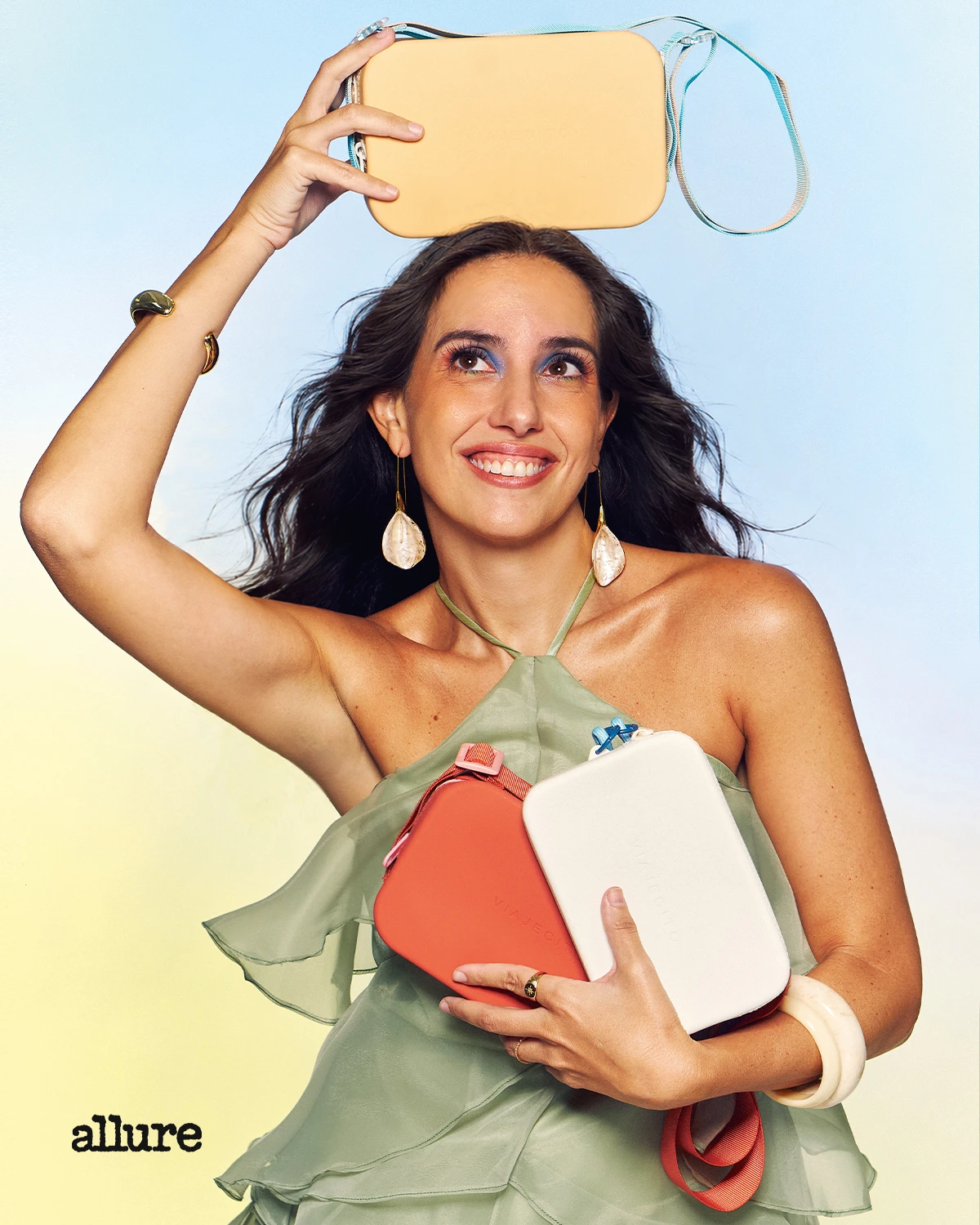
Grant Babia
But then, what does it really mean to be a Filipino brand? Is it enough that it is founded by Filipino citizens? Or does it have to be made entirely in the country, and by Filipino hands? For Garcia-Morera, in today’s global environment, the lines can overlap, and the bright colors that make up the Filipino tapestry can blend together to make something beautiful and in tune with the times. “Being a Philippine brand, I don’t feel that it necessarily means being 100 percent local,” she muses. “It’s becoming more global. We’re getting a lot more influences globally. It’s being open to the rest of the world. And that’s what the young Filipinos are doing now—opening themselves up, learning new things. It’s a global world. We need to be global.”
And sometimes, it all boils down to the excitement of going on a trip, discovering something new and perfect for you, bringing it home, and making it your own—melding both the beauty of being Filipino in identity, but having a very global point of view. “The excitement of seeing something new and bringing it back to show to your family, your friends, and wanting to make something out of what you’ve seen,” Garcia-Morera says, “that’s what design is. That’s what art is.”
Photography by Grant Babia, assisted by Gabriel Olmillo and Onel Gesulga. Makeup by Angeline Dela Cruz. Hair by Aica Latay. Styling by Gee Jocson, assisted by Lyle Uy and Kassandra Gandionco. Art Direction and Beauty Direction by Mikiyo Ricamora.
Frequently Asked Questions
Viajecito is a Philippine bag brand founded a decade ago by Pia Garcia-Morera with her sister-in-law Marta Garcia-Morera and Marla Batallones. The name is Spanish for “little trip.” Its waterproof, silicone-based bags are assembled locally from globally sourced components.
Viajecito bags are silicone-based, waterproof, and lightweight, designed to be easy to clean. Components including nylon straps, bodies, zippers, and buttons are sourced from multiple countries, then assembled in the Philippines. Garcia-Morera cites sourcing as one of the hardest parts of running the brand.
Woven bags were popular when Viajecito launched but suited only the dry season. Garcia-Morera wanted something that handled both Philippine seasons—waterproof and easy to clean after rain, durable through sand and sun, and available in bright tropical colors.
Viajecito is Spanish for “little trip” or “short journey.” The name reflects both how the bags are used and the founders’ own travels. The first product was found on a beach in Spain, where co-founder Marta Garcia-Morera is still based and builds the wholesale side.
Garcia-Morera argues yes. She says a Philippine brand today need not be 100 percent local, and that sensibility matters more than supply chain. Viajecito’s founders all grew up in the Philippines, and she frames global sourcing as openness rather than dilution.
- Albert Kurniawan Has Checked His Bucketlist as a Makeup artist—Now He’s Mastering the Business of Beauty
- This Celebrity Founder Sees the Beauty in Shapewear and an Online Wellness Platform
- How a Filipino-Owned Menstrual Care Brand Addresses Both Women’s Health Issues and Plastic Pollution
- These Makeup Brushes Were Designed for the Way Filipinos Actually Do Makeup