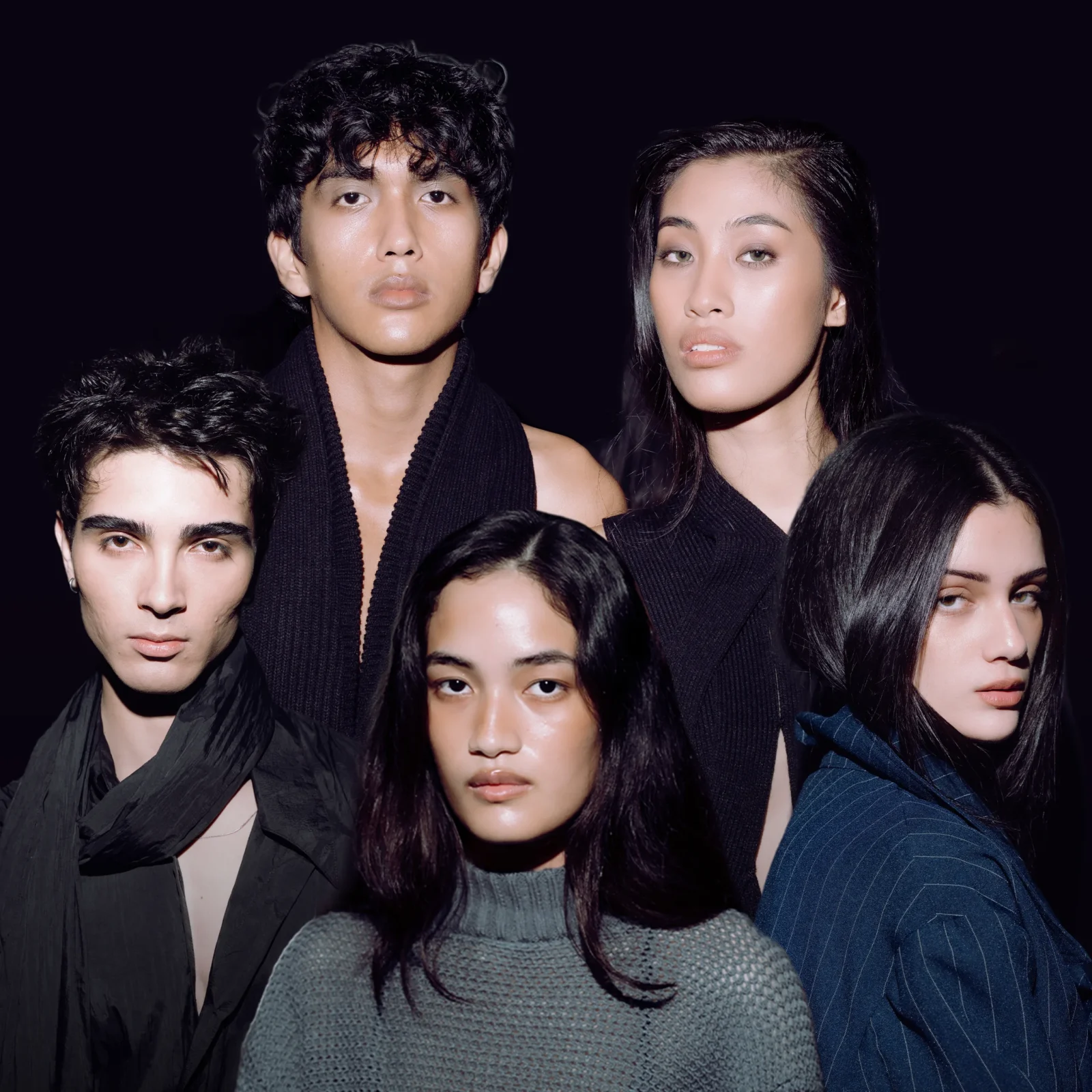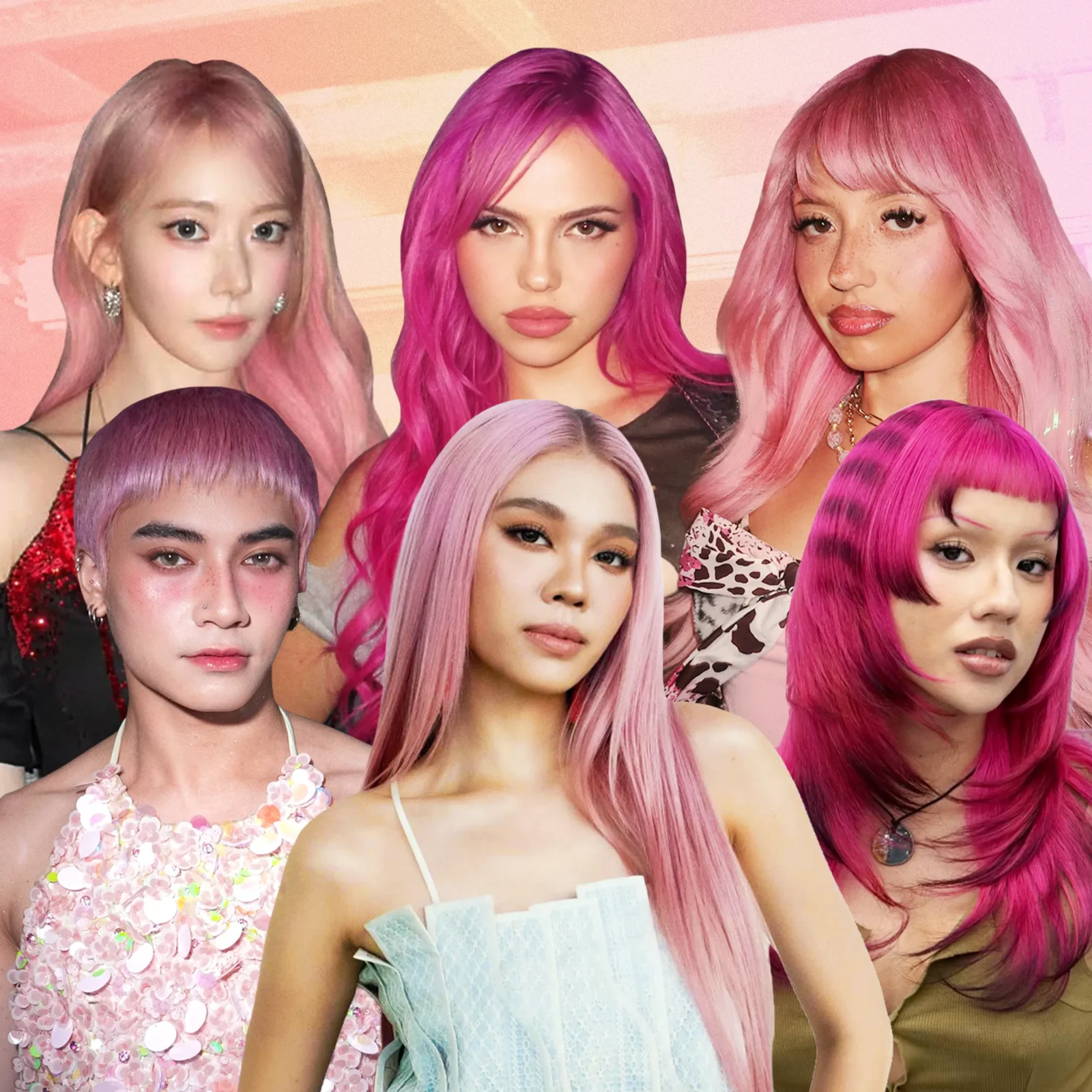


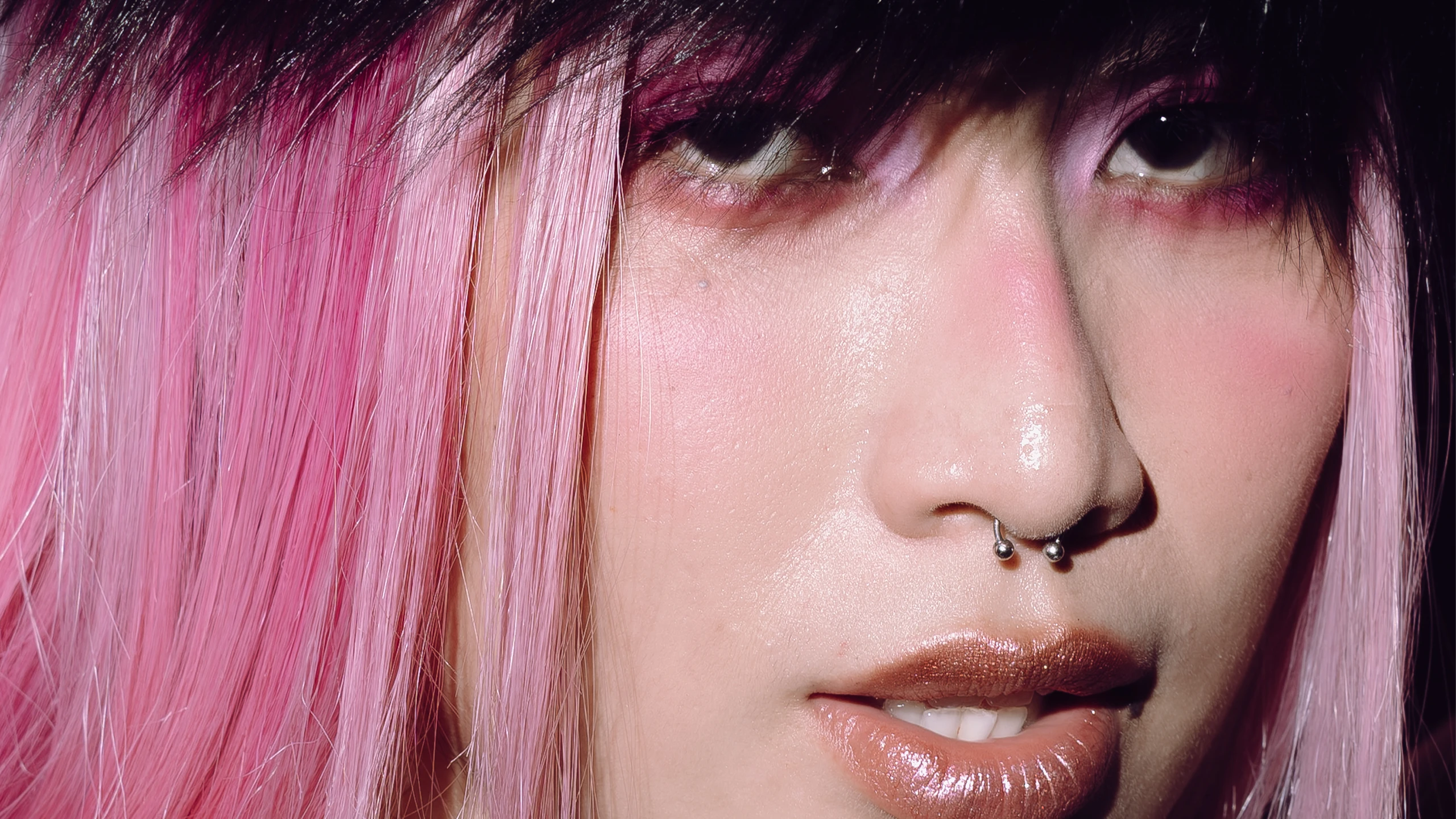
Pink hair may be having its moment as it shows up everywhere from Hollywood, music, to fashion week across the globe. Make no mistake, though: that dreamy, otherworldly hue has long been part of the beauty memo. In the 1700s, dyeing towering wigs pink with powders and pigments was associated with aristocratic, opulent rituals of beauty. By the ‘70s, the color had taken on a far more subversive edge, becoming shorthand for punk’s wholesale rejection of traditional beauty standards. Then came the ‘90s, where people traded that edge for polish. Kate Moss and her famous pink hair helped cement the shade as an editorial beauty statement in its own right—less an act of rebellion, more an accessory to a fantasy.
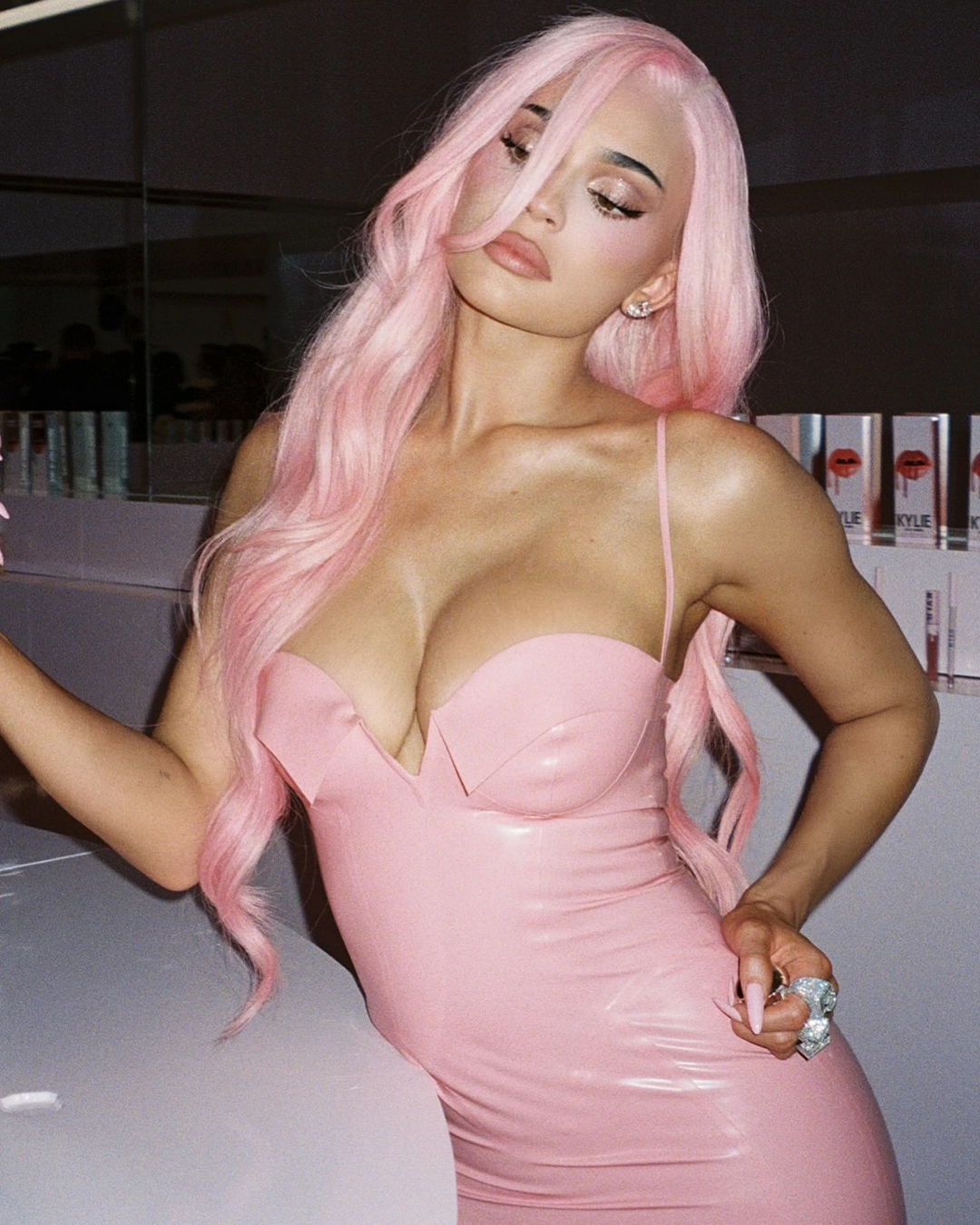
Kylie Jenner / IG: @kyliejenner

ADÉLA / IG: @adelajergova
Today, whether it’s King Kylie, Rihanna’s courtside bixie, or simply Adelá filling up your feed, chances are we’ve all probably stopped scrolling for a head of pink hair at least once. Maybe it even planted the seed for the next color appointment, wig purchase, or simply a DIY moment at home (Allure Philippines has tips for this, too). I would know—my algorithm has yet to let go of Aespa Giselle looking ethereal with her stint with pink hair from 2024—a moment that remains unmatched for anyone chasing that candy-colored hair fantasy.
Coloring your crowning glory bright is less a trend than a lifestyle, one that, admittedly, asks for a little more commitment than you’d give your natural hair color. So before you let a bottle of bleach anywhere near your scalp, a few reality checks are in order: an honest read on your hair’s integrity, your habits, and the acceptance that an eclectic color like this means time spent at the salon.
The good news, though, is that you don’t need an elaborate routine to actually make it work. We tapped Manila-based hair artist Reese Roque who knows her way around a good color transformation, with work spanning sculptural cuts, imaginative color, and runway styling. Her Instagram is a running catalogue of what hair can do when you give it room to play—so if pink is your next color, here’s what she recommends for keeping the shade fresh and the hair underneath it happy.
Why Pink Hair Fades Quickly
Envato Images
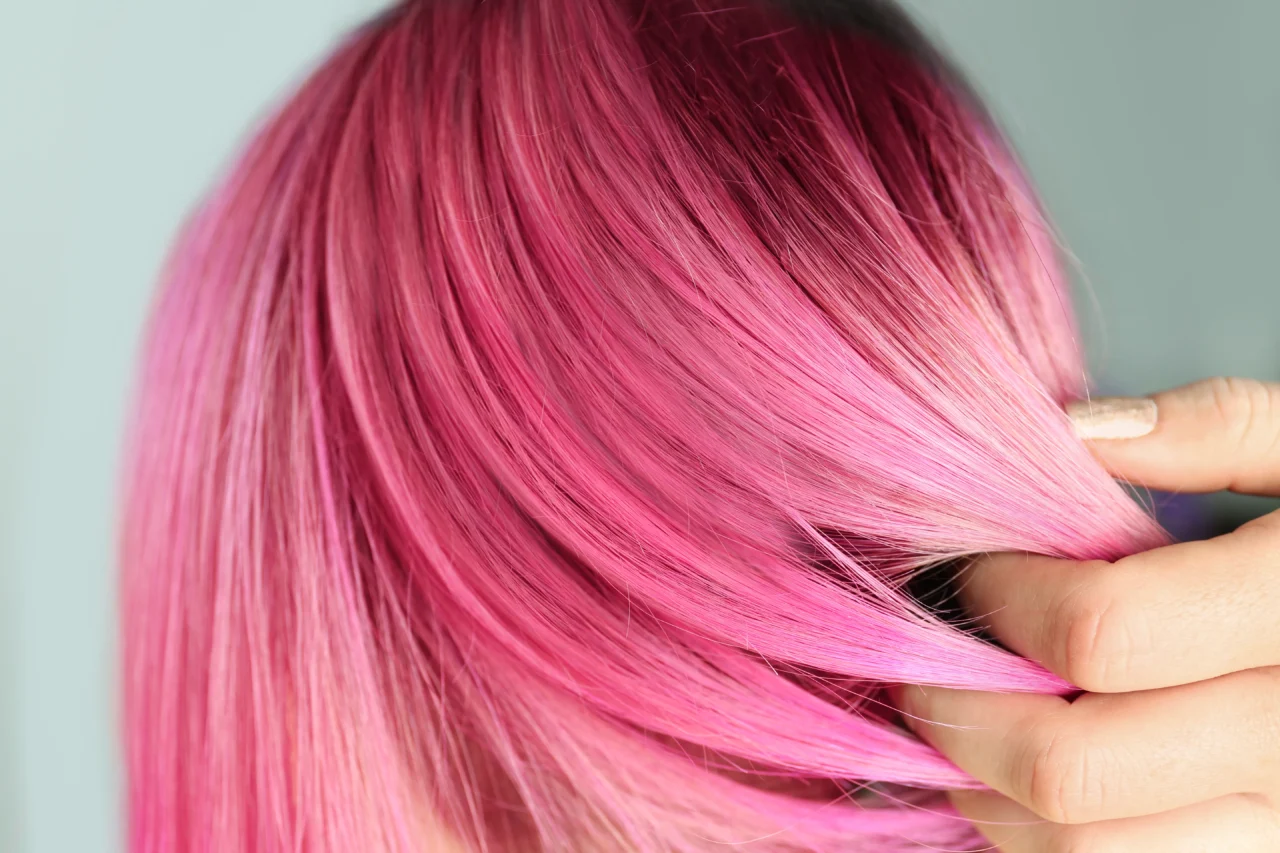
Pink can be a little less forgiving than other bold shades. When asked why pink feels more difficult to maintain, Roque explains, “Pink is a little tricky because you can really see when it starts to fade or become uneven. Especially with lighter pinks, the color can change pretty quickly. And because you usually have to pre-lighten the hair first, you’re also dealing with hair that’s already been through a lot.”
The hair artist also shares that sun exposure can also fade colors, especially if you’re wearing a really vibrant shade. “Pink is usually sitting on pre-lightened hair. The condition of the hair matters too. If the hair is really porous, being exposed to the sun is going to let go of the color much faster.”
But much as it’s hard to maintain, the payoff is always almost rewarding. “I love that pink has so many versions. You can go super soft and pastel or really saturated and vibrant, and even when it starts fading, it can still look really pretty.”
What Damages Pink Hair Color: Hot Water, Washing, and Heat Styling
Envato Images
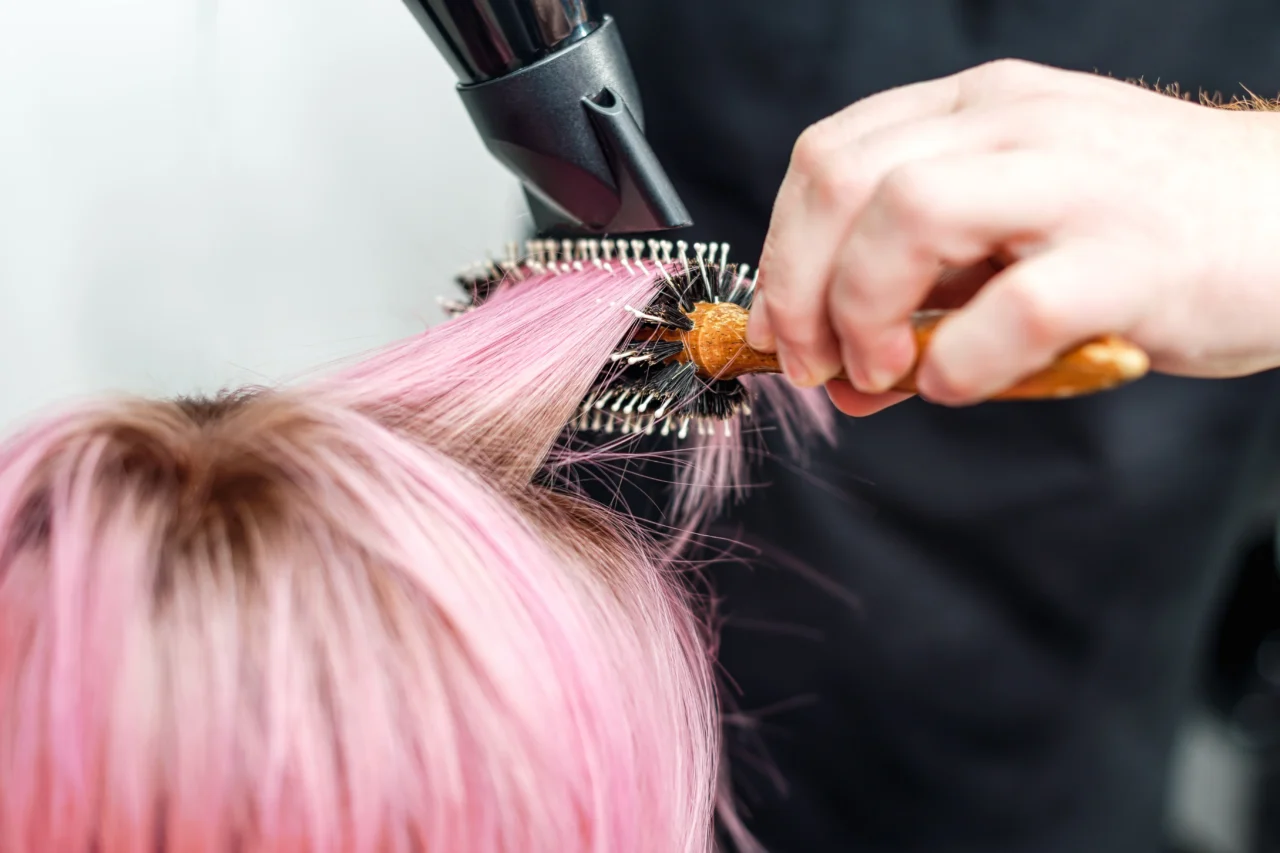
The usual suspects are still the usual suspects: washing and heat. Hot water, in particular, can make the color leave faster, while frequent heat styling can affect both the longevity of the color and the condition of already-lightened strands. “Washing is definitely something you should avoid within the first few days, especially with hot water. Heat styling is another big one, and people underestimate how much that can affect the color over time.”
That doesn’t mean you have to stop washing your hair altogether. Her advice? Be gentle with your routine. “I’d stick to products that are gentle and color-safe, and I’d avoid washing the hair every day if you can. A moisturizing conditioner is also really important because the hair has usually been pre-lightened.”
Since pink often requires pre-lightening, Roque says it’s just as important to give the hair itself a break—especially when it comes to heat styling. “I’d also give the hair a break from too much heat styling. If you’ve had to bleach or pre-lighten your hair to get the pink, you want to focus on keeping the hair healthy too, not just the color.”
Pastel Pink vs. Magenta: Why Lighter Pinks Fade Faster
Stacey Sevilleja / IG: @bini_stacey
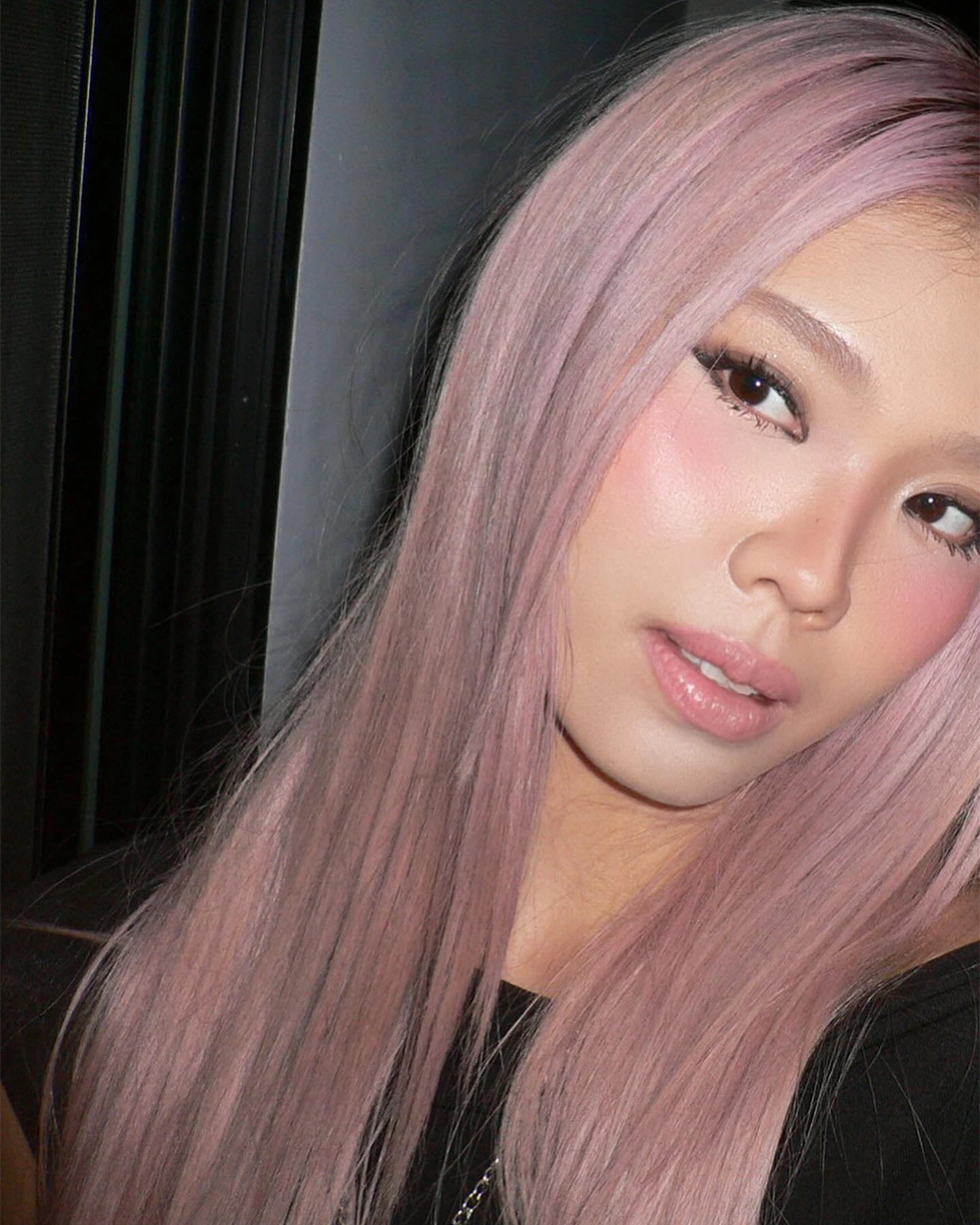
Not all pinks ask for the same level of commitment—whether it’s pastels, magentas, or fuschias. Roque says, “Pastel pinks are probably the most high-maintenance because there’s so little pigment in them, so they can disappear pretty quickly. Deeper pinks, like magenta, fuchsia, or hot pink, tend to last a little longer because there’s more pigment in the hair.” And when they do start to fade, Roque says, that doesn’t necessarily mean the fun is over: “I also think they can have a really nice fade-out. Sometimes the color you get as it fades is just as cool as the original shade.”
How to Keep Pink Hair Vibrant Between Salon Appointments
But if keeping that freshly dyed look is the goal, she recommends a refresh every few weeks, no matter the shade. “If you want [your dye job] to look freshly done all the time, I’d say expect to refresh it every few weeks. You can also use a pink color-depositing conditioner or mask in between appointments to bring some of the color back.”
And in between appointments, proper hair care is also a must. In a previous Allure Philippines interview, Bench Fix’s creative director, founder of Studio Fix, and veteran hairstylistHairstylistA beauty professional who specializes in cutting, coloring, styling, and caring for hair, combining technical expertise and creativity to enhance individual style, confidence, and self-expression.Go to Hairstylist Glossary Alex Carbonell goes in depth about the role of pH balance in maintaining dyed hair. “To keep your hair color vibrant,” he says, “it’s essential to restore your hair’s natural pH level. Since permanent hair dyes are alkaline, acidic products—such as pH-balancing leave-in conditioners and serums–can help bring back balance into your hair [after lightening].”
The coloring process can shift the hair’s natural pH and leave strands more vulnerable to damage, he explains. “I recommend the L’Oréal Absolut Repair range and [other] nourishing treatments. Use intense hair serums or leave-in treatments to reduce fading,” says the creative director.
Does Pink Hair Dye Damage Hair? It’s the Bleach, Not the Color
Envato Images
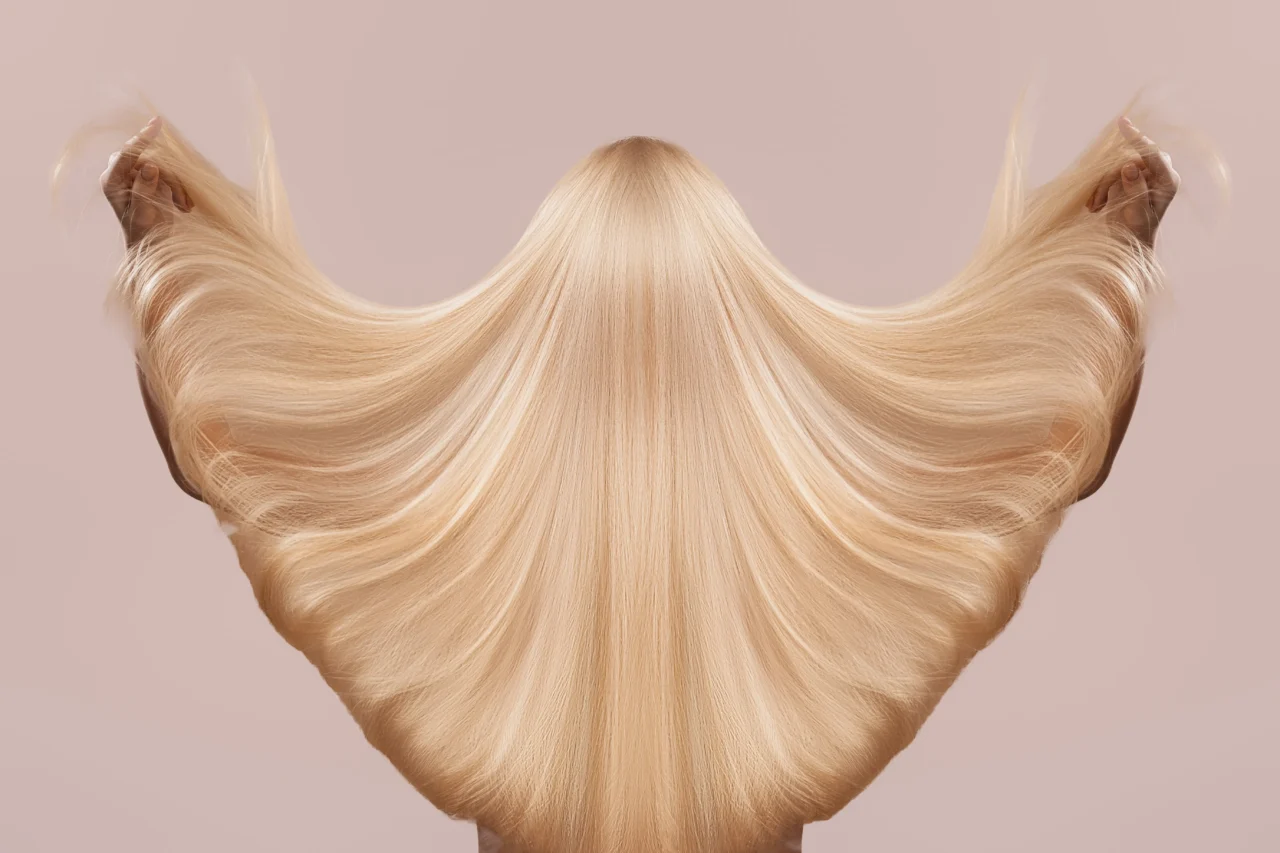
The pink dye itself isn’t necessarily the biggest concern for your hair, Roque tells us, but the bleach underneath it. “Preventing damage is probably the most important part, so the pink [dye] itself isn’t really what’s damaging the hair. You really have to make sure the hair can handle being lightened in the first place.”
Once your hair has reached the necessary level of lightness, repeatedly bleaching the same sections just to refresh the color isn’t necessary. Roque’s advice? Once the hair is light enough, you usually just need to refresh the color. And at home, use a good conditioner, heat protectant, and try not to overdo the heat.”
And with so much at stake for your crowning glory, choosing the right colorist matters. With 26 years of experience on his belt, Carbonell emphasizes: “Choose an expert [when it comes to your hair]. It’s important to be selective with the brands you use, as your hair color is a vital accessory that reflects who you are. It’s crucial to find a colorist who understands not only the theory of color, but also the science behind it.”
Why a Faded Pink Hair Color Can Still Look Intentional
Of course, maintaining pink hair doesn’t have to mean keeping it looking exactly as it did on day one. For her, some of the appeal of fashion colors is watching them change and feeling lived-in. “I’ve had pink hair with stripes before, and what I love about fashion colors is that they don’t necessarily have to stay perfect. I actually like seeing how the color changes and fades because it can make the look feel more lived-in. With pink especially, there’s something fun about watching it evolve.”
Frequently Asked Questions
Pink hair color typically lasts two to three weeks before visible fading, especially in pastel shades. Deeper pinks like magenta or fuchsia hold pigment longer. Hair artist Reese Roque recommends refreshing every few weeks and using a color-depositing conditioner between salon visits to maintain vibrancy.
Pastel pink fades faster because it carries very little pigment compared to deeper shades like magenta or fuchsia. With less color deposited into pre-lightened strands, pastel pink is more vulnerable to washing, heat, and sun exposure, causing it to noticeably shift or dull within days.
To make pink hair color last longer, avoid washing with hot water in the first few days, limit heat styling, and use gentle, color-safe shampoo with a moisturizing conditioner. A pink color-depositing mask between appointments also helps refresh vibrancy without additional bleaching.
Pink hair dye itself isn’t what damages hair most—it’s the bleach used to pre-lighten strands beforehand. Once hair reaches the right lightness level, refreshing pink color doesn’t require repeated bleaching, so protecting hair health mainly comes down to managing the lightening process carefully.
Most colorists recommend refreshing pink hair every few weeks to maintain a freshly dyed look, since the shade fades visibly as pigment washes out. Between appointments, a pink color-depositing conditioner or mask can revive vibrancy without requiring another full lightening or dye session.